


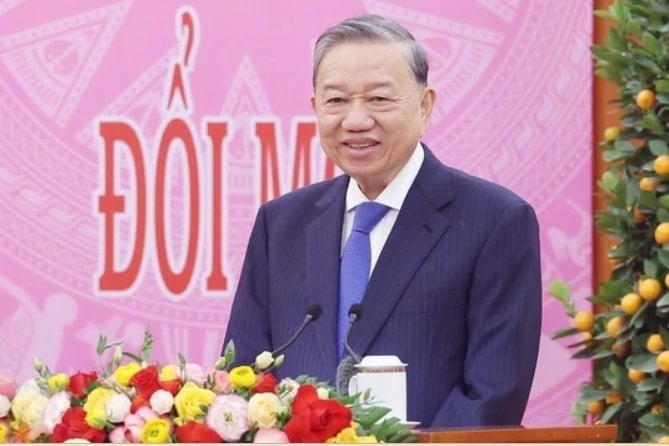
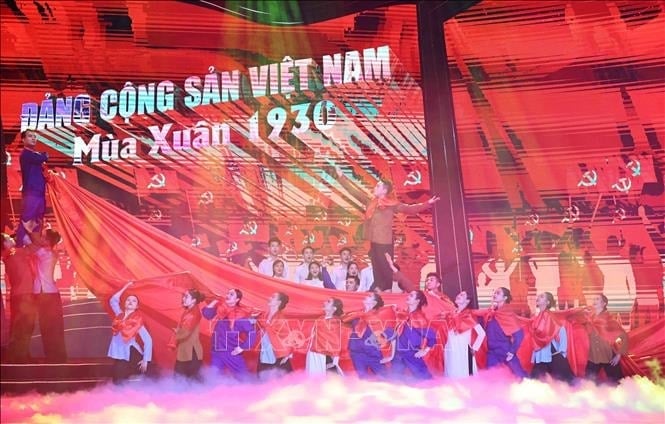
A new spring is arriving, bringing joy and new vitality to all corners of the country. This spring becomes even more meaningful as the entire Party, people, and army celebrate the 95th anniversary of the founding of the Communist Party of Vietnam (February 3, 1930 – February 3, 2025), a glorious milestone marking the beginning of a new phase of development for the whole nation, towards a bright future.
Throughout the past 95 years, our Party – the vanguard of the working class, the working people, and the Vietnamese nation – has led the country through countless hardships and challenges, achieving great victories and accomplishments, leaving a profound mark on the glorious history of the nation.
In 1930, the Communist Party of Vietnam was founded in a unique historical context and with a special mission. From the mid-19th century, the French colonialists invaded our country and imposed a brutal rule, causing our people to suffer slavery and misery. With a tradition of patriotism and an indomitable spirit, our people rose up in continuous and powerful struggle through various paths and different tendencies, from the Can Vuong movement to the Yen The uprising, from the Dong Du, Dong Kinh Nghia Thuc, and Duy Tan movements to the Yen Bai uprising... Our people fought with extraordinary bravery and made many sacrifices, but all were unsuccessful due to the lack of a correct political line, the inability to unite and harness the strength of the entire nation, the lack of an appropriate method of struggle, and especially the lack of a leadership organization, a political party that met the demands of the nation and the times.
At the same time, around the world, the development of the workers' movement and the victory of the Russian October Revolution in 1917 opened a new horizon, igniting hope for oppressed and exploited peoples, and strongly encouraging the struggle for independence across all continents.
Driven by the demands of history and a burning desire for national liberation, the patriotic young man Nguyen Tat Thanh set out to find a way to save his country. He traveled across continents, through nearly 30 countries and hundreds of cities, overcoming countless hardships and obstacles, and working many jobs to earn a living and learn valuable lessons. of humanity. This journey helped the young Vietnamese man understand the root of the suffering of the working class: the oppression and exploitation of imperialist capitalism, and formed a clear class consciousness. With the determination to strive for "Freedom for my people, independence for my homeland," Nguyen Tat Thanh naturally embraced Marxism-Leninism, as a historical necessity, and found in it the fundamental issues of the path to national liberation linked with class liberation and human liberation; national independence linked with socialism.
In response to historical demands and guided by Marxism-Leninism, the young Nguyen Tat Thanh - Nguyen Ai Quoc undertook numerous activities, meticulously preparing ideologically, theoretically, and in terms of personnel for the birth of a pioneering political organization to lead the Vietnamese revolution. He propagated Marxism-Leninism in Vietnam through works such as "The Indictment of the French Colonial Regime" (1925) and "The Revolutionary Path" (1927), trained revolutionary cadres, and promoted the struggle movement within the country.
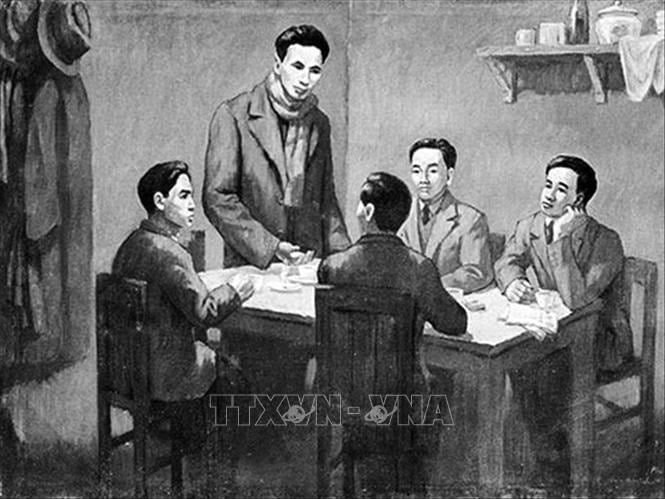
On February 3, 1930, in Kowloon (Hong Kong, China), under the chairmanship of Comrade Nguyen Ai Quoc, the unification conference of three communist organizations in Vietnam took place, establishing the Communist Party of Vietnam. This was a historically significant decision, uniting the Vietnamese communist organizations into a single force with a clear and unified revolutionary line. The Party's first program, adopted at the founding conference, defined the fundamental path of the Vietnamese revolution, meeting the urgent demands of history and becoming the banner for gathering and uniting communist organizations, revolutionary forces, and the entire nation. This historical event ended the crisis of the Vietnamese revolution's line and organization, opening a new era in our country's history – the era of struggle for national independence and advancement towards socialism.
Since its founding, with its correct policies, appropriate and creative methods, practical organizational capacity, and the tenacious struggle and heroic sacrifices of many generations of cadres and party members, and with the trust, support, and wholehearted protection of the people, the Communist Party of Vietnam has led the country to achieve great victories of historical and epochal significance.
Within just 15 years of its founding, our Party continuously developed and led the national liberation struggle, achieving the victory of the August Revolution, establishing the Democratic Republic of Vietnam on September 2, 1945, abolishing the semi-feudal colonial regime in Vietnam, and opening a new chapter in the nation's history. The Vietnamese people, from a state of slavery, became masters of their country, their society, and their own lives.
Immediately following the success of the August Revolution, our country faced countless difficulties and challenges; simultaneously confronting "the enemies of hunger, illiteracy, and foreign invasion." In this critical situation, the Party led our people in resolutely defending and building the fledgling government, while actively preparing in all aspects for the resistance war against the French colonial invaders. With its correct policies and by harnessing the strength of the entire nation, our Party led our people to successively defeat all the enemy's schemes and plans of invasion during nine years of arduous and heroic resistance, culminating in the historic victory at Dien Bien Phu, forcing the French colonialists to sign the Geneva Accords (1954) on peace in Indochina.
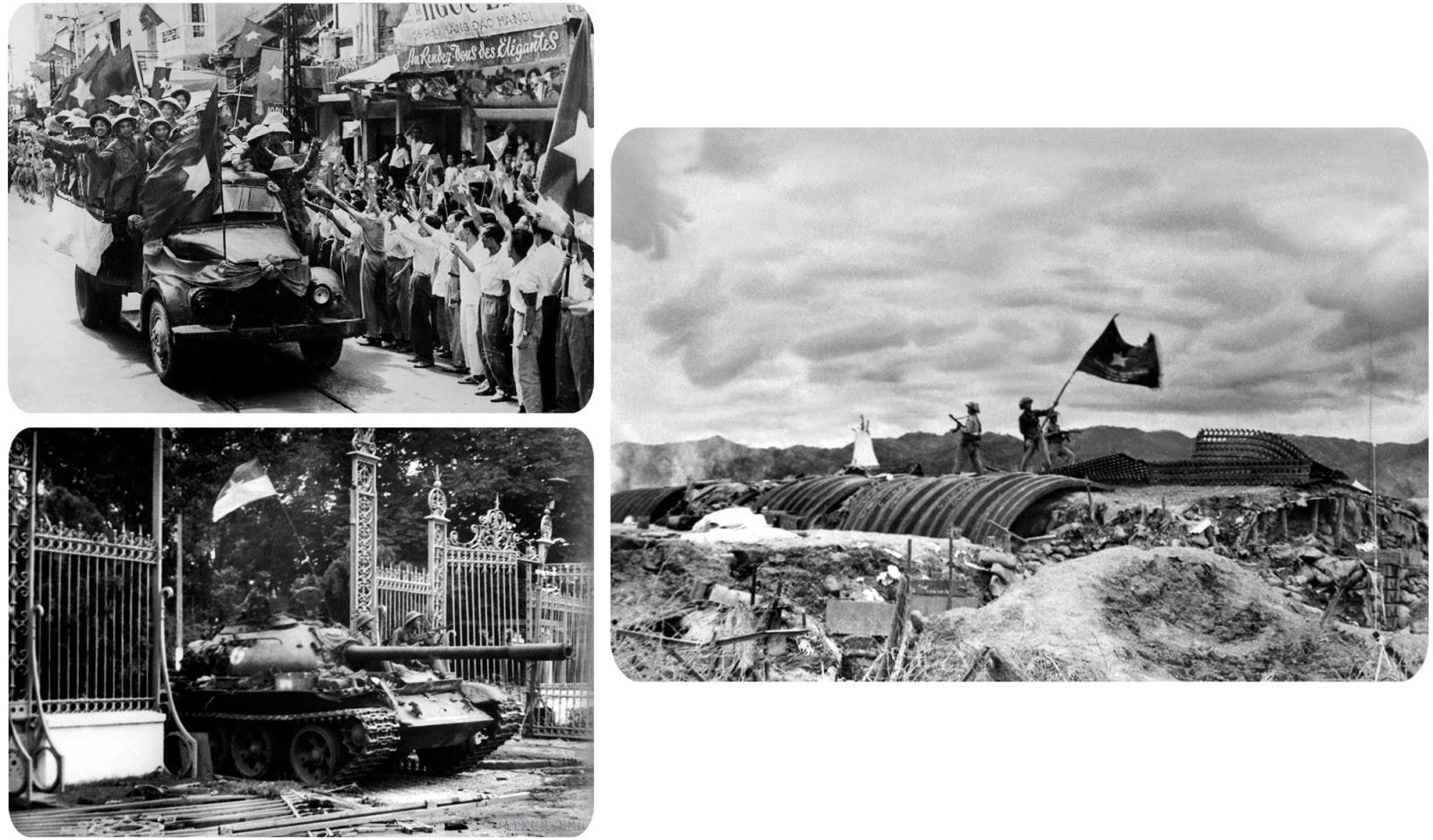
For more than twenty years afterward, our country was divided and without peace. Under the leadership of the Party and President Ho Chi Minh, with an unwavering will and unshakeable determination, our people overcame countless hardships and sacrifices, carrying out the great resistance war, successively defeating the war strategies of the American imperialists, completely liberating the South, unifying the country, and writing one of the most glorious chapters in the nation's history, an event of international significance and profound historical importance. This is the realization of the vision and determination that our Party put forth at the Third Congress (September 1960): “Vietnam is one country, the Vietnamese people are one nation. Our country will certainly be unified on the basis of independence and democracy, and our people will certainly be reunited in peace, freedom, and happiness. Rivers may dry up, mountains may erode, but the will of our entire nation to unify the Fatherland will never waver, and ultimately we will certainly achieve victory.”
While urgently addressing the devastating consequences of the war, our country continues to face new challenges. The Party continues to lead the entire army and people in striving to restore the socio-economic situation and improve the people's lives, while resolutely fighting to defend every inch of our sacred land, protecting our independence, sovereignty, territorial integrity, and living space. At the same time, we fulfill our noble international duty to the Cambodian people.
Faced with new demands in national development, and to overcome the shortcomings of the bureaucratic, centrally planned, and subsidized economy that led to the socio-economic crisis in the post-war years, based on summarizing the initiatives and innovations in the practical leadership and guidance of the Party and the implementation by the entire political system and the people, the Party formulated and implemented the comprehensive national reform policy, marking a crucial turning point on the path of transition to socialism in Vietnam. The reform policy met the practical demands of building the economy, national defense and security, and foreign affairs of the country, demonstrating the firm resolve and creative thinking of the Communist Party of Vietnam and opening a new era for the country's development.
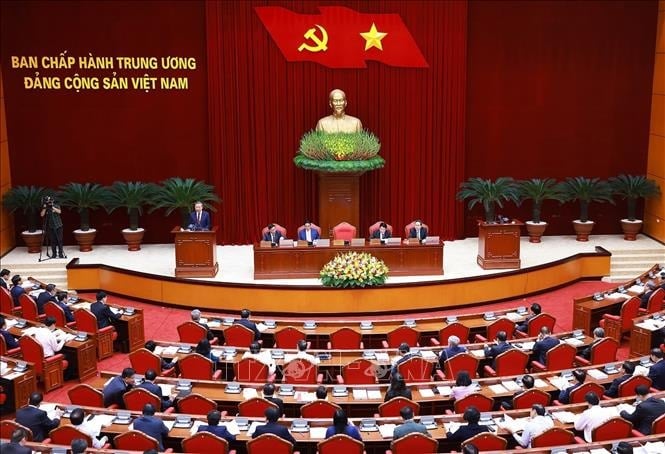
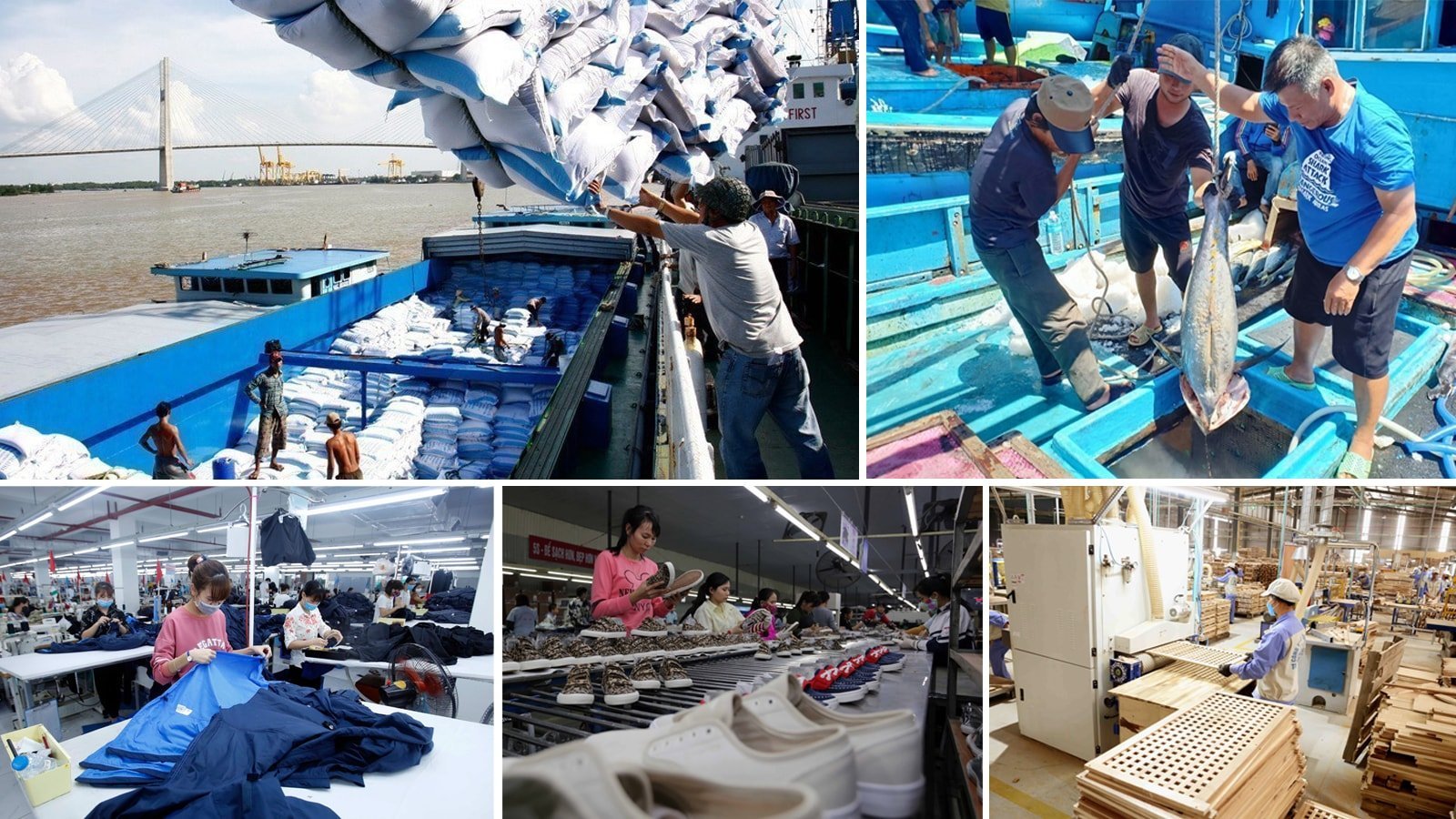
After nearly 40 years of implementing reforms under the leadership of the Party, our country has overcome all difficulties and achieved great, historically significant accomplishments. From a poor, war-torn, isolated, and besieged country, Vietnam has now become a developing country with a middle income, deeply and broadly integrated into world politics, the global economy, and human civilization. It assumes many important international responsibilities and plays an active role in many important international organizations and multilateral forums. Independence, sovereignty, unity, and territorial integrity are maintained; national and ethnic interests are ensured. The size of the economy in 2024 reached over US$470 billion, ranking 32nd in the world and among the top 20 economies in terms of trade and attracting foreign investment. The lives of the people have improved significantly, and the poverty rate has decreased sharply, currently standing at only 1.93% (according to the multidimensional standard) compared to 60% in 1986. Political, economic, cultural, social, scientific and technological, defense, and security potential has continuously improved. The foreign relations landscape has continuously expanded; the country's position and prestige have continuously spread, making positive contributions to resolving regional and global issues. The country has fulfilled many tasks as a member of ASEAN, the United Nations, and other international organizations and institutions, earning recognition and high praise from the international community.
The great achievements of the Vietnamese revolution over the past 95 years stem from many factors, among which the correct and wise leadership of the Party is the leading decisive factor, along with the sacrifices, struggles, and creative labor of the entire people and army under the Party's leadership, and the support and assistance of international friends. In times of difficulty and challenge, our Party has clearly demonstrated its resilience and spirit of unity, acting as a unified bloc in will and action, thereby leading and directing the entire political system to strive for great and comprehensive achievements in all fields. At the same time, through the process of leading the revolution, our Party has been tempered and has become increasingly mature and strong, worthy of its role and mission in leading the revolution and the trust and expectations of the people. That experience has confirmed that, in Vietnam, no other political force besides the Communist Party of Vietnam possesses the capacity, courage, wisdom, experience, and prestige to lead the country through all difficulties and challenges, guiding the revolutionary cause of our nation from one victory to another.
Looking back on the 95-year journey of building, fighting, and maturing of the Communist Party of Vietnam, we express our boundless gratitude and profound respect for the great President Ho Chi Minh – the brilliant leader, the national liberation hero, who illuminated the revolutionary path, bringing glory to our nation and country. We also respectfully remember the Party's predecessors, the heroic martyrs, and all compatriots and comrades who fought bravely and sacrificed themselves in the glorious revolutionary cause for the independence and freedom of the Fatherland, for socialism, and for the peaceful, happy, and prosperous lives of the people.
The Party, State, and people of Vietnam will forever remember the contributions of those who have rendered meritorious service to the nation, the families of martyrs, the Heroic Vietnamese Mothers, Heroes of the Armed Forces, Labor Heroes, wounded and sick soldiers, comrades who were imprisoned in colonial and imperialist prisons, soldiers who fought on all fronts and fulfilled noble international duties, veterans, and those who tirelessly work and create material wealth for society. We are also always grateful to our international comrades and friends who have always accompanied, supported, and assisted the Vietnamese people in the struggle for national independence in the past, as well as continuing to cooperate and support in the construction and development of the country today.
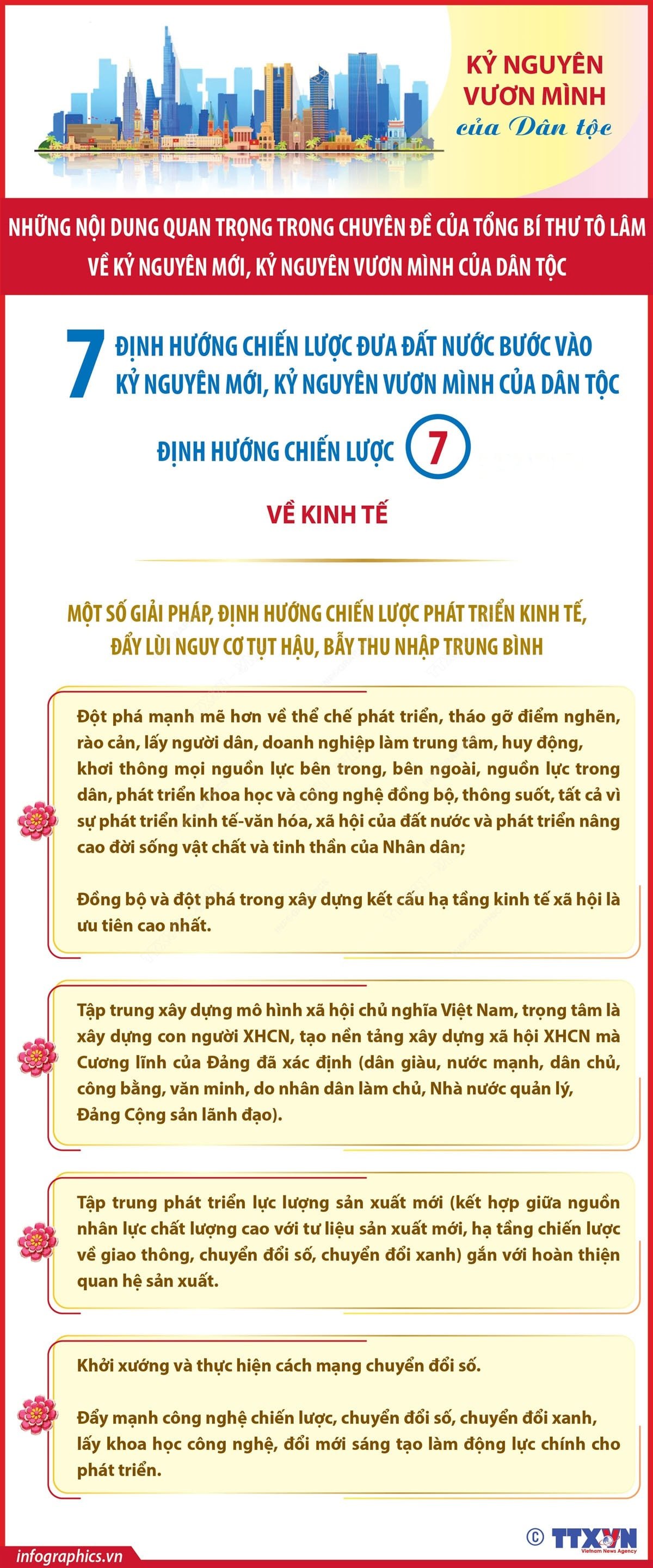
Looking back at the glorious and proud history and traditions of the Party over the past 95 years, we see even more clearly the responsibility of today's generation of leaders and Party members in the historical process of the nation. The Party's current mission is to lead the country into an era of development and prosperity, successfully building a socialist Vietnam that is wealthy, strong, democratic, just, and civilized, standing shoulder to shoulder with the world's leading powers; ensuring that all citizens have a comfortable and happy life, are supported in development and wealth creation; and contribute increasingly to peace, stability, and development in the region and the world, for the happiness of humanity and global civilization. The top priority is to successfully achieve the strategic goals: by 2030, Vietnam will become a developing country with modern industry and a high-middle income; and by 2045, it will become a developed socialist country with a high income.
To continue shouldering that historical responsibility, the Party must constantly grow stronger, maintain its revolutionary nature, enhance its leadership and governing capacity, fighting strength, and close ties with the people. The Party must always renew itself, rectify its shortcomings, promote internal democracy, and build a strong, clean, and steadfast cadre of officials committed to the goals and ideals of Marxism-Leninism and Ho Chi Minh Thought. At the same time, the Party must continuously improve its theory, enhance the quality of its ideological work, and create a solid foundation for leading the country towards rapid and sustainable development. Given the new demands of the revolutionary cause, especially in the context of deep international integration and the challenges from the global situation, Party building work needs even more attention, innovation, and decisive implementation, focusing on the following key issues:
Firstly, we must remain steadfast in the Party's goals and ideals. Our Party was born with the mission of leading the revolution, representing the interests of the working class, the laboring people, and the entire Vietnamese nation. From the early days of the struggle for independence to its rise as the ruling party, the Party has always remained steadfast in its goal of national liberation, building socialism, and bringing prosperity and happiness to the people. The Party does not exist for its own benefit but operates for the benefit of the entire people. The Party's leadership power is not inherent but is granted by the people, a mandate from the people. The Party has no other purpose than to fight for the interests of the people, the nation, and the people. President Ho Chi Minh once emphasized: "The Party is not an organization for seeking power and wealth. It must fulfill the task of liberating the nation, making the country prosperous and strong, and the people happy." Therefore, the Party must always maintain close ties with the people, taking the people's interests as its highest goal, upholding its revolutionary nature and pioneering role. In the current context, the Party must be even more steadfast in its ideological foundation, continuing to creatively apply Marxism-Leninism and Ho Chi Minh Thought to practice, and firmly safeguarding the path to socialism. At the same time, the Party must constantly innovate, self-correct, improve its leadership and governance capacity, and build a clean and strong Party to continue leading the nation on the path of development in the new era, realizing the goal of a prosperous people, a strong nation, democracy, fairness, and civilization.
Secondly, it is essential to continuously improve the Party's theoretical system. A solid theoretical foundation serves as a compass for the Party's actions, determining the correctness of its leadership and national development strategy. Over more than 95 years of revolutionary leadership, the Party has accumulated many valuable lessons and gradually developed its theoretical thinking on the path to socialism, the model of a socialist-oriented market economy, the construction of a socialist rule of law state, national defense, security, and foreign relations, among many other important areas. Improving this theoretical foundation is a crucial requirement for the Party to continue leading the country in the context of today's world undergoing profound changes in all aspects of life. However, in the process of development, practice always presents new challenges, requiring the Party to continuously summarize practical experiences and supplement and develop its theory.
The process of summarizing practical experiences requires facing the truth squarely, accurately assessing the achievements, and frankly and objectively pointing out limitations, weaknesses, shortcomings, and their causes; clearly identifying bottlenecks and obstacles hindering the country's development, and from there proposing breakthrough solutions to create strong momentum for future development. Research also needs to more clearly identify major opportunities to be seized, major challenges to be overcome, and new elements of practice that need to be incorporated. Frankness, objectivity, scientific rigor, honesty, steadfastness, and caution are essential to avoid mistakes and voluntarism. These issues need to be clarified in the process of drafting documents for the 14th National Party Congress. This is not only the work of the Party's specialized agencies but also requires the participation of the entire political system, intellectuals, theoretical research institutions, and every cadre, Party member, and citizen nationwide.
Thirdly, we must continue to build and strengthen a clean and strong Party. This is a task of decisive importance to the Party's existence and development. We need to constantly consolidate unity within the Party, enhance the leadership capacity and fighting strength of each Party organization; build truly clean and strong grassroots Party organizations that serve as the core of the political system and are closely connected with the people. At the same time, we need to continue strengthening Party inspection, supervision, and discipline; promote self-criticism and criticism; resolutely deal with cadres and Party members who have degenerated in terms of political ideology, morality, and lifestyle, and who show signs of "self-evolution" and "self-transformation"; and improve the effectiveness and efficiency of inspection and supervision to maintain discipline and order within the Party. The fight against corruption, negative practices, and waste must continue to be implemented decisively, synchronously, comprehensively, and systematically, without any forbidden areas or exceptions, creating a deterrent and warning effect, contributing to purifying the system, and strengthening the people's trust in the Party. Cadres and Party members, especially the heads of Party committees at all levels, need to uphold the responsibility of setting an example, always listening to the opinions of the people, promptly addressing the legitimate aspirations of the people, and creating social consensus. At the same time, it is necessary to promote the people's supervisory role over cadres and Party members, ensuring that the Party always remains a leading force loyal to the interests of the nation and for the happiness of the people.
Fourth, there is a determination to consolidate the organizational structure of the political system towards a streamlined, effective, and efficient operation, overcoming the cumbersome and overlapping nature of previous systems. In many recent Party Congresses, the documents have consistently emphasized specific tasks regarding the streamlining of the organizational structure or the study and development of a comprehensive model for the organizational structure of the political system in the new period. The Party has also continuously issued numerous resolutions and conclusions to guide the implementation of the policy of reforming and reorganizing the organizational structure of the political system. However, the understanding and actions of some Party committees, Party organizations, leadership collectives, and heads of some agencies, organizations, units, and localities have not been complete, profound, or decisive enough; the reorganization of the organizational structure has not been synchronized or comprehensive, and has not linked downsizing with restructuring... Therefore, to date, the organizational structure of the political system remains cumbersome, multi-layered, and has many points of contact; The effectiveness and efficiency of operations have not met the requirements and tasks; the functions, tasks, powers, organization, and working relationships among many agencies and departments are not truly clear, and there is still overlap and duplication; the delineation of responsibilities, decentralization, and delegation of power are not synchronized or rational, with some areas being overstepped by others, while others are neglected or not adequately invested in. Compared to the tremendous changes in the country after 40 years of reform, the development of the socialist rule of law state, and the achievements in science and technology, the organizational structure of our political system basically still follows a model designed decades ago. Many issues are no longer suitable for the new conditions and are contrary to the laws of development; creating a situation where "words do not match deeds." Therefore, the central task in the current period and in the coming time is to build and implement a comprehensive model of the organizational structure of the Vietnamese political system that meets the requirements and tasks of the new revolutionary period.
Fifth, focus on building a strong contingent of cadres, especially key cadres at all levels. Given the increasingly demanding requirements of development and integration, the cadre, particularly key cadres at all levels, must meet important standards: possessing firm political convictions; having impeccable ethics, a high sense of responsibility, being truly exemplary, honest, dedicated to serving the people, free from personal gain, corruption, and negative practices; having innovative and creative thinking; knowing how to seize opportunities, daring to think, daring to act, and daring to take responsibility for the common good, not avoiding, being stagnant, or passive in the face of newly arising issues; and possessing practical capabilities and leadership and management skills. To achieve this, a strong reform of thinking in cadre work is necessary. Personnel management processes must become mechanisms for selecting the best and most deserving individuals, not mechanisms for legitimizing the selection, appointment, and promotion of those who do not meet standards, are not truly exemplary, and are not truly dedicated to the people. In addition to transparentizing the appointment and rotation of officials and strengthening inspection and supervision, it is necessary to build mechanisms for identifying, protecting, and utilizing talented individuals, while also establishing clear accountability mechanisms. Those who recommend or appoint officials who do not meet standards, lack integrity, or are incompetent must be held accountable. Simultaneously, it is crucial to resolutely combat corruption, abuse of power, and vested interests in the planning, appointment, and utilization of personnel.
Sixth, strengthen the application of science and technology and digital transformation in Party building. Advances in information technology, artificial intelligence, big data, and digital transformation are strongly impacting all aspects of social life. Applying scientific and technological achievements to Party building is not only an urgent requirement but also a breakthrough to enhance the Party's leadership capacity and fighting strength in the new situation. Information technology and artificial intelligence will contribute to modernizing the management of Party members and the operation of Party organizations. Building a digital-based Party member management system helps to increase transparency, accuracy, and efficiency in managing records, work processes, evaluation, and classification of Party members. This helps Party committees at all levels accurately grasp the situation of the workforce, thereby creating appropriate training, development, and rotation mechanisms, overcoming bureaucracy and lack of practicality. Digital technology also helps improve the effectiveness of political and ideological propaganda and education. Digital platforms and social networks can be used to disseminate the Party's policies and guidelines to a large number of cadres, Party members, and the people quickly, vividly, and effectively. New technologies also help improve the capacity to detect prominent issues early, analyze, predict, and propose appropriate solutions. Digital technology provides accurate and objective data, helping Party committees at all levels make correct decisions based on scientific analysis rather than emotion.
Seventh, the urgent and central task for 2025 of Party committees at all levels, each Party branch, and each Party member is to focus their efforts and intellect, together with the people, to strive to complete and exceed the targets set in the resolutions of Party committees at all levels, paying particular attention to socio-economic development targets; to organize and conduct Party congresses at all levels, leading up to the 14th National Congress of the Party, with a focus on contributing opinions to the content of Party documents; to nominate and select truly outstanding individuals who are dedicated to the country and the people to participate in the political system at all levels; and to create a truly democratic, united, and enthusiastic atmosphere of labor, production, construction, and development of the homeland among all strata of the people.
Looking back at 95 years of the Party's development and growth, we have every right to be proud and have complete confidence in the bright future of the Party and the nation. In 1945, when leading the entire nation to successfully carry out the August Revolution, our Party had only nearly 5,000 members. But with its correct policies, unwavering spirit, indomitable will, and patriotism, the Party led the people to glorious victory, establishing the Democratic Republic of Vietnam. By 1960, when the country entered the protracted resistance war against the US to save the nation, the number of Party members had increased to approximately 500,000, becoming the core leading the entire nation in the struggle for independence and national reunification. Today, with over 5.4 million Party members, our force is constantly growing in both quantity and quality, capable of shouldering the heavy responsibility of leading the country forward in the new era. Each Party member is a symbol of the faith, wisdom, and unity of the entire nation. The Communist Party of Vietnam, under the light of Marxism-Leninism and Ho Chi Minh Thought, will continue to excellently fulfill its historical mission. With unwavering faith in the Party's strength and the unity of the entire nation, we affirm: The entire Party, the entire people, and the entire army will wholeheartedly overcome all difficulties and challenges, leading the country to rapid and sustainable development in the new era, building a glorious and bright future for the Vietnamese nation.
Source: https://baohaiduong.vn/rang-ro-viet-nam-404335.html

















![[Photo] General Secretary To Lam works and extends New Year greetings to the Party Committee, government and people of Dak Lak province.](https://vphoto.vietnam.vn/thumb/1200x675/vietnam/resource/IMAGE/2026/02/11/1770808701306_ndo_tl_img-4099-5201-jpg.webp)






































Comment (0)