

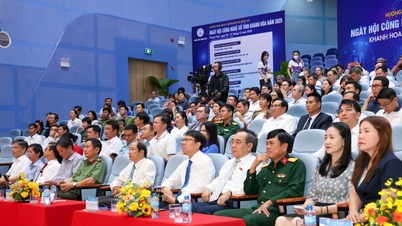
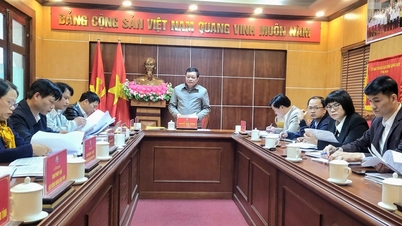
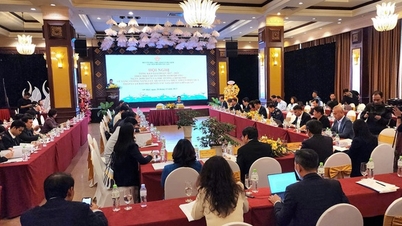
This afternoon, October 31st, continuing the National Assembly's work program, the National Assembly deputies of Group 6 (National Assembly delegations from Lang Son, Dong Nai provinces and Hue City) discussed the draft Law on Cybersecurity.
Comprehensive consideration of structure and compatibility.
Commenting on the draft law, National Assembly deputies from Group 6 noted that in the context of widespread digital transformation, the internet and social media platforms have become an essential part of life. However, this also brings many risks of cybersecurity breaches, data breaches, system attacks, the spread of false information, defamation of organizations and individuals, and even the infringement of state secrets. There is also a risk of information leakage from activities involving the use of free Wi-Fi networks or unsecured internet connections when officials and civil servants travel abroad for work.
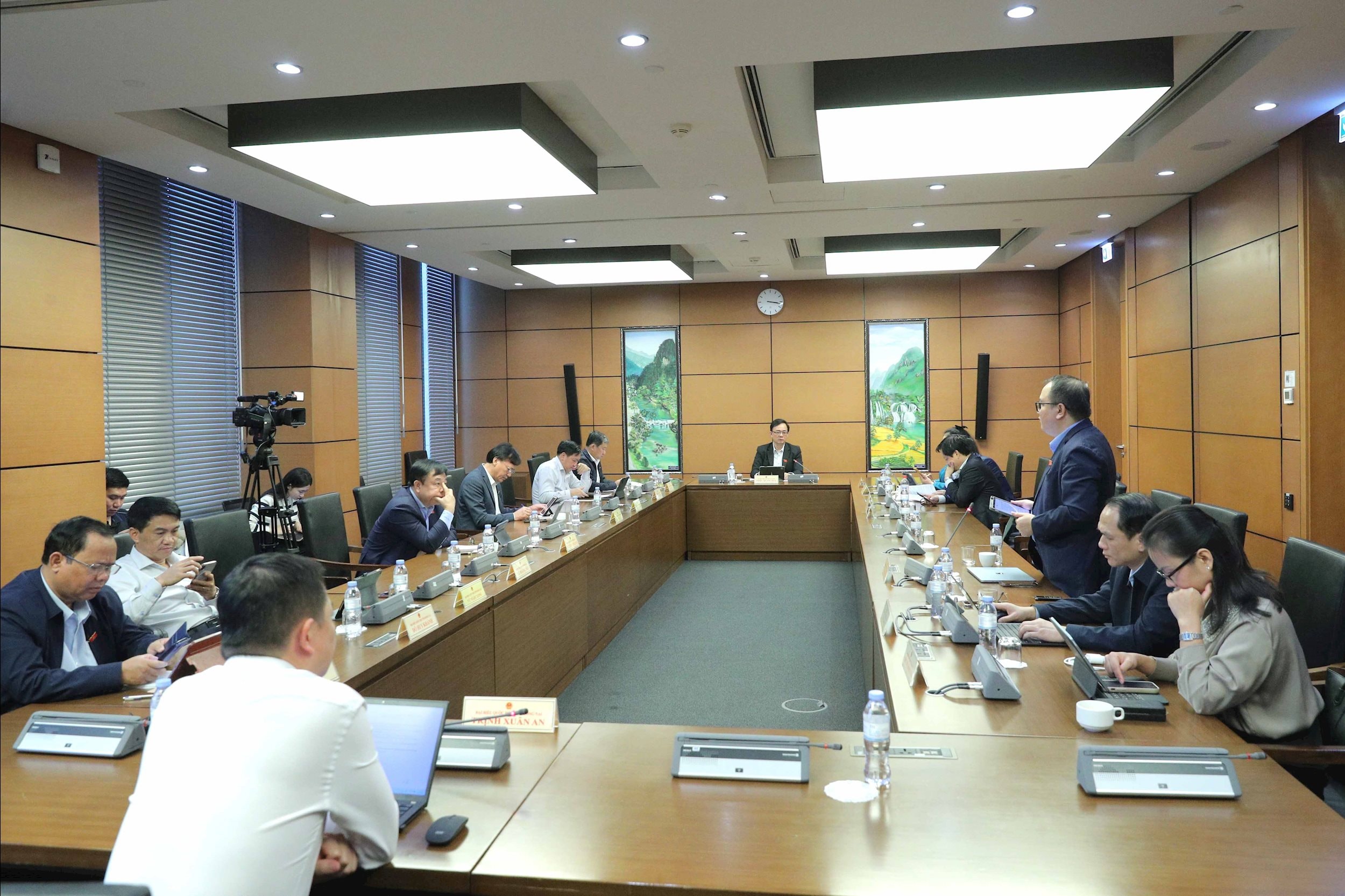
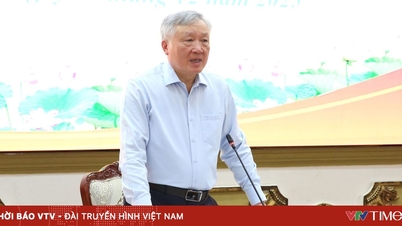
According to National Assembly Deputy Nguyen Thi Suu ( Hue City), the draft Law on Cybersecurity demonstrates an effort to consolidate and streamline the provisions of the 2018 Law on Cybersecurity and the 2015 Law on Network Information Security. However, for the law to be truly feasible, transparent, internationally compatible, and suitable for the national digitalization process, further in-depth review of the chapter structure, scope of application, and feasibility of technical regulations is needed.
Specifically, Representative Nguyen Thi Suu argued that some concepts overlap, especially between "network," "cyberspace," "information systems," and "cybersecurity." Therefore, she proposed standardizing the conceptual system as follows: "Cybersecurity" is the overarching concept; "Information network security" and "Data security" are two components. Concepts such as "malware," "cyberterrorism," and "cyber espionage" should be included in separate chapters to make the law more flexible, easily updated to reflect technological advancements, and avoid duplication of content between articles.
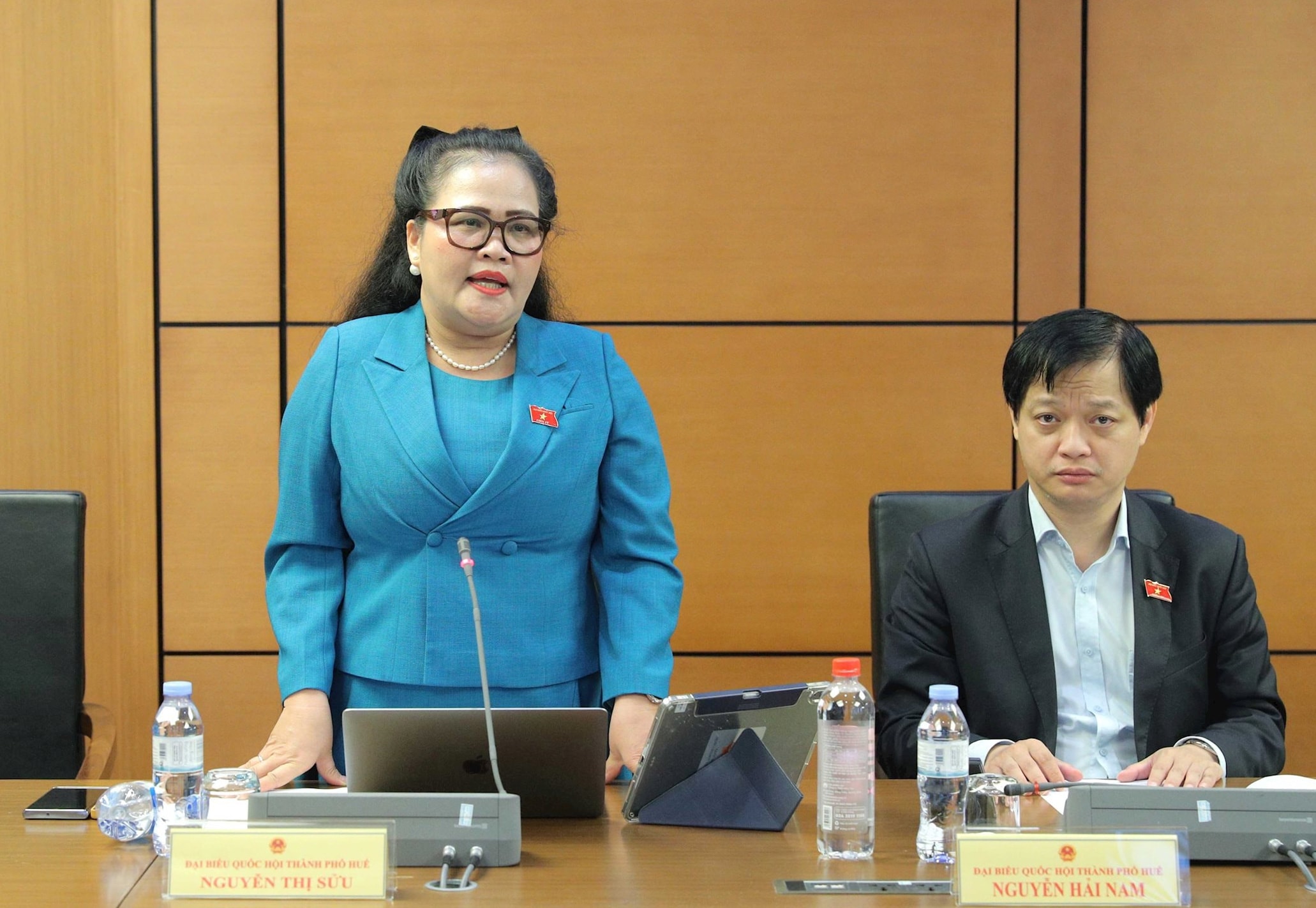
According to Representative Nguyen Thi Suu, Article 24 of the draft Law on Protecting Vulnerable People in Cyberspace defines "vulnerable people" too broadly and inconsistently with specialized laws. Therefore, she suggested referencing and harmonizing it with the Law on the Elderly, the Law on Gender Equality, and the Law on Children to ensure compatibility and avoid overlapping laws.
Control VPNs and clearly define IP management responsibilities.
One of the technological issues of concern is the operation of Virtual Private Networks (VPNs). National Assembly Deputy Luu Ba Mac ( Lang Son ) analyzed that, although VPNs are a technological solution for protecting information and encrypting data, the draft Law currently does not have provisions directly regulating this service.
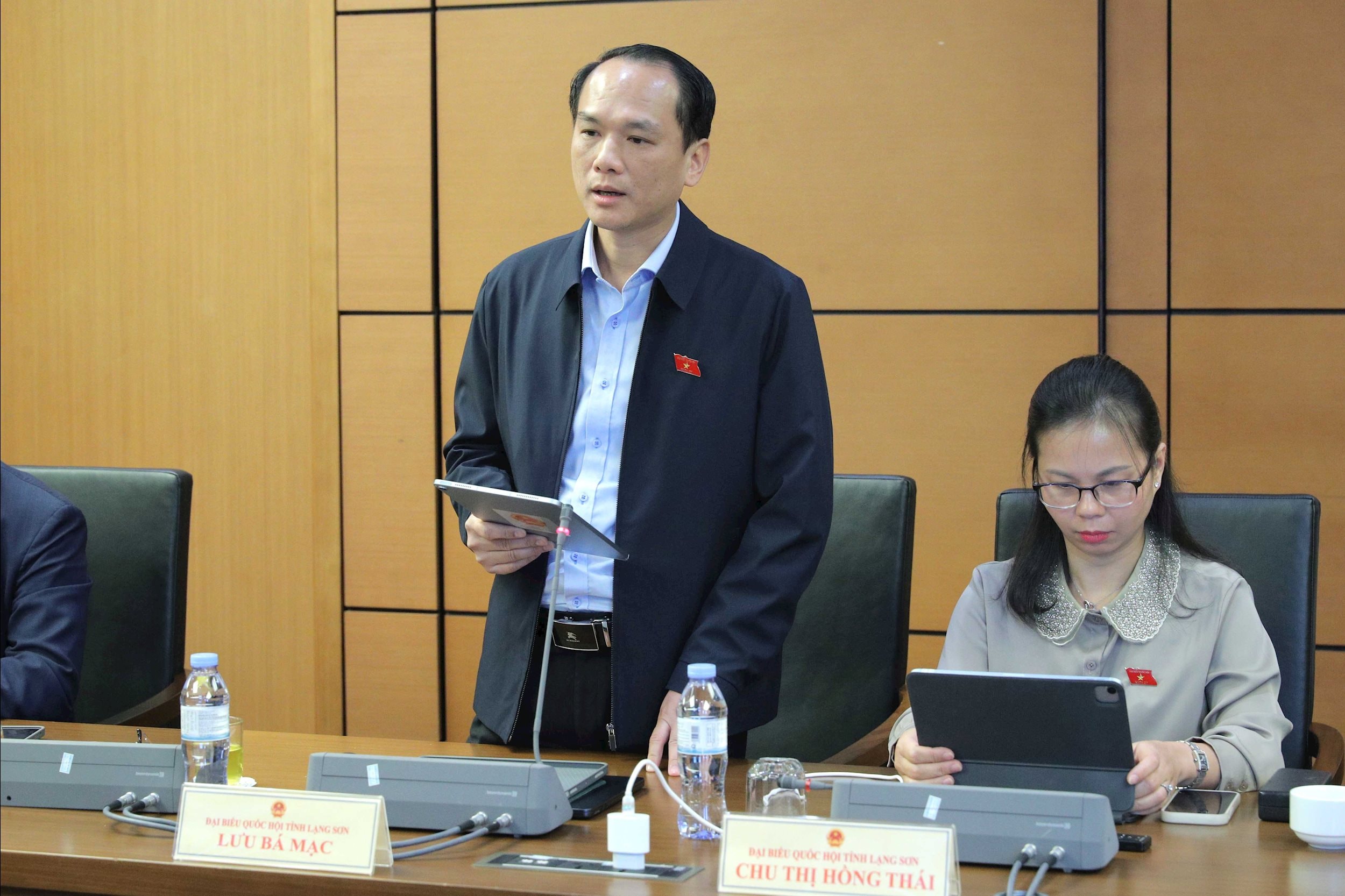
Therefore, the representative requested that the drafting agency take this into consideration. Adding to Article 9 – “Prohibited Acts”, it is clearly stipulated: “It is prohibited to use, provide, or lease virtual private network (VPN) services to conceal identity in order to bypass firewalls, gain unauthorized access, or disseminate information that infringes on national security and public order.”
Regarding the name of the draft law, National Assembly Deputy Trinh Xuan An (Dong Nai) proposed reconsidering the name of this law, and suggested using the name "Law on Cybersecurity and Information Security" to ensure comprehensiveness.
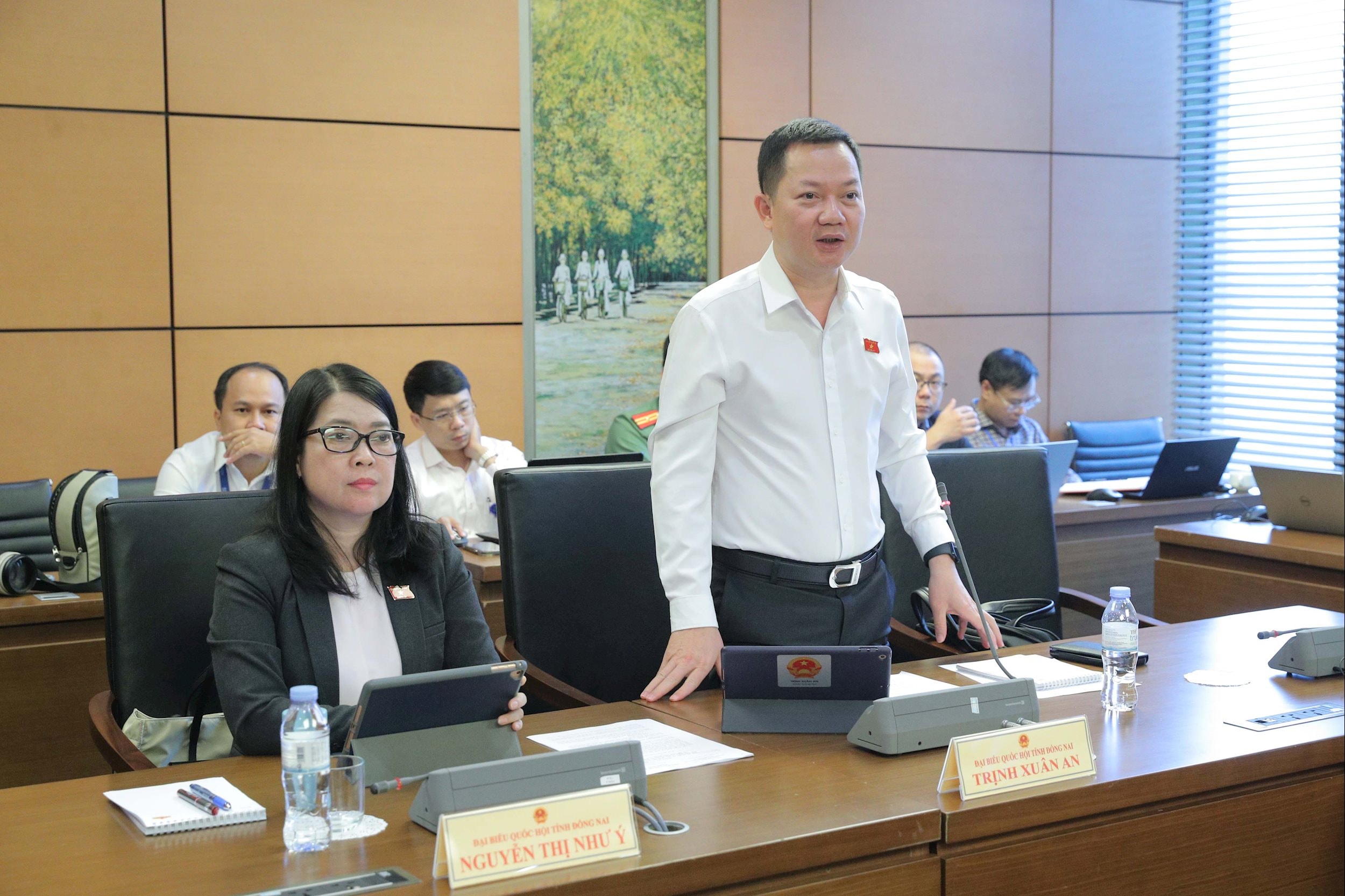
Regarding Article 55 concerning Internet Protocol (IP) address management, Representative Trinh Xuan An clarified: The State is not the direct manager of IP addresses of citizens and businesses, but rather assigns this responsibility to network businesses. This means that businesses have an obligation to provide IP information to specialized cybersecurity forces when necessary, not to arbitrarily interfere, but to serve the purpose of ensuring security. In particular, the representative suggested separating the systems of businesses serving national defense and security from the general scope of this Article, as these systems have unique characteristics and require separate regulations to ensure absolute security.
Furthermore, delegates also suggested that, in addition to technical measures from state agencies, businesses must establish technical measures and procedures for receiving and handling user feedback regarding infringing behaviors such as editing and defamation, in order to strengthen the management and monitoring of content on social media, especially groups and accounts that show signs of being exploited for propaganda and incitement, ensuring social safety and order.
Source: https://daibieunhandan.vn/ro-trach-nhiem-chu-the-quan-ly-truc-tiep-ip-10393854.html

![[Photo] Prime Minister Pham Minh Chinh presides over a meeting on private sector economic development.](/_next/image?url=https%3A%2F%2Fvphoto.vietnam.vn%2Fthumb%2F1200x675%2Fvietnam%2Fresource%2FIMAGE%2F2025%2F12%2F20%2F1766237501876_thiet-ke-chua-co-ten-40-png.webp&w=3840&q=75)



















































































Comment (0)