

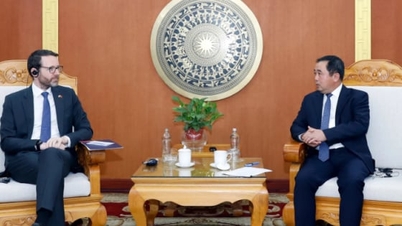
On the morning of December 17th, during a meeting with the Department of Digital Transformation, Deputy Minister Vo Van Hung raised the issue that digital transformation should not begin with reports or software, but rather with the planning stage. When plans are designed on a digital platform, data will naturally emerge, and can be shared, monitored, and reused throughout the entire industry.
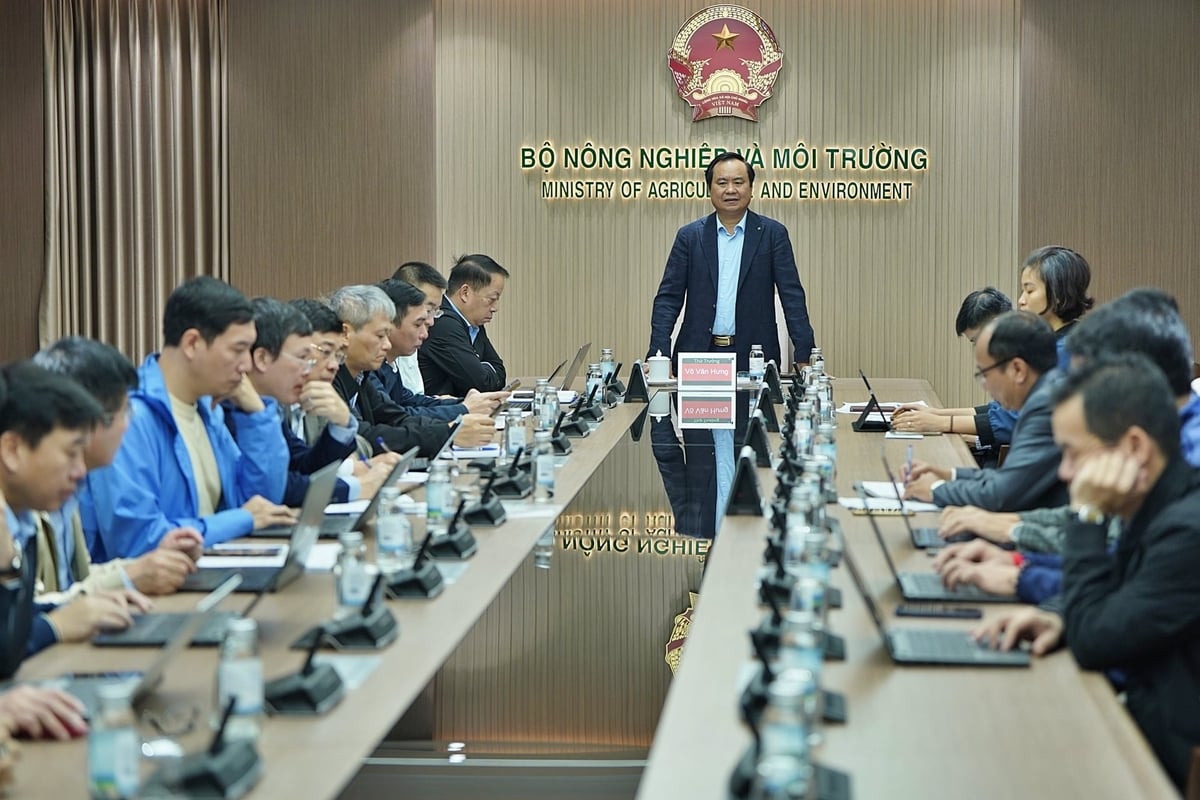
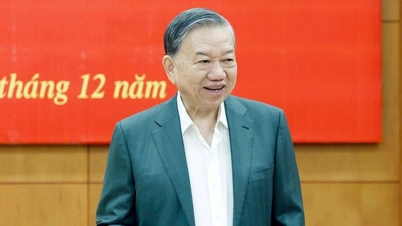
Deputy Minister Vo Van Hung chaired the meeting with the Department of Digital Transformation. Photo: Bao Thang.
According to the Deputy Minister, one of the major shortcomings currently is that many tasks related to national and specialized databases have not been "packaged" from the outset in a unified digital structure. Planning remains separate from implementation, leading to overlapping reports, slow aggregation, and heavy reliance on manual meetings, especially when task deadlines are being pushed towards the end of the year.
Based on that reality, he requested that all digital transformation tasks be digitized right from the planning stage, including assignment, timeline setting, and completion targets. The plan should not only be for issuance but also serve as a data point, where units update progress in real time. On this basis, the Ministry's leadership can monitor the completion rate of each task without waiting for periodic summary reports.
To implement this process, the Deputy Minister directed the development of a shared internal reporting system for the entire Ministry, but emphasized that this should not be a standalone software. This system must directly adhere to the digitized plan, connect data between units, avoid duplication of tasks, and allow for quick reporting to support state management and administration.
Regarding national digital platforms and industry-wide shared digital platforms, the Deputy Minister assigned the Department of Digital Transformation as the main coordinating agency. The deployment of these platforms should not be considered a "coordination" task, but rather a core responsibility of the Department. Each platform must be included in the digitalization plan from the outset, submitted to relevant specialized units for joint implementation, ensuring interoperability and uniformity across the digital environment.
A consistent requirement emphasized by the leaders of the Ministry of Agriculture and Environment is the monitoring mechanism. Once the plan is on a digital platform, evaluation should not simply be about "whether it has been done or not," but must clearly state the percentage of completion, the remaining obstacles, and the responsible unit. This approach allows for a thorough review of each stage, clearly identifying key tasks instead of spreading resources too thinly.
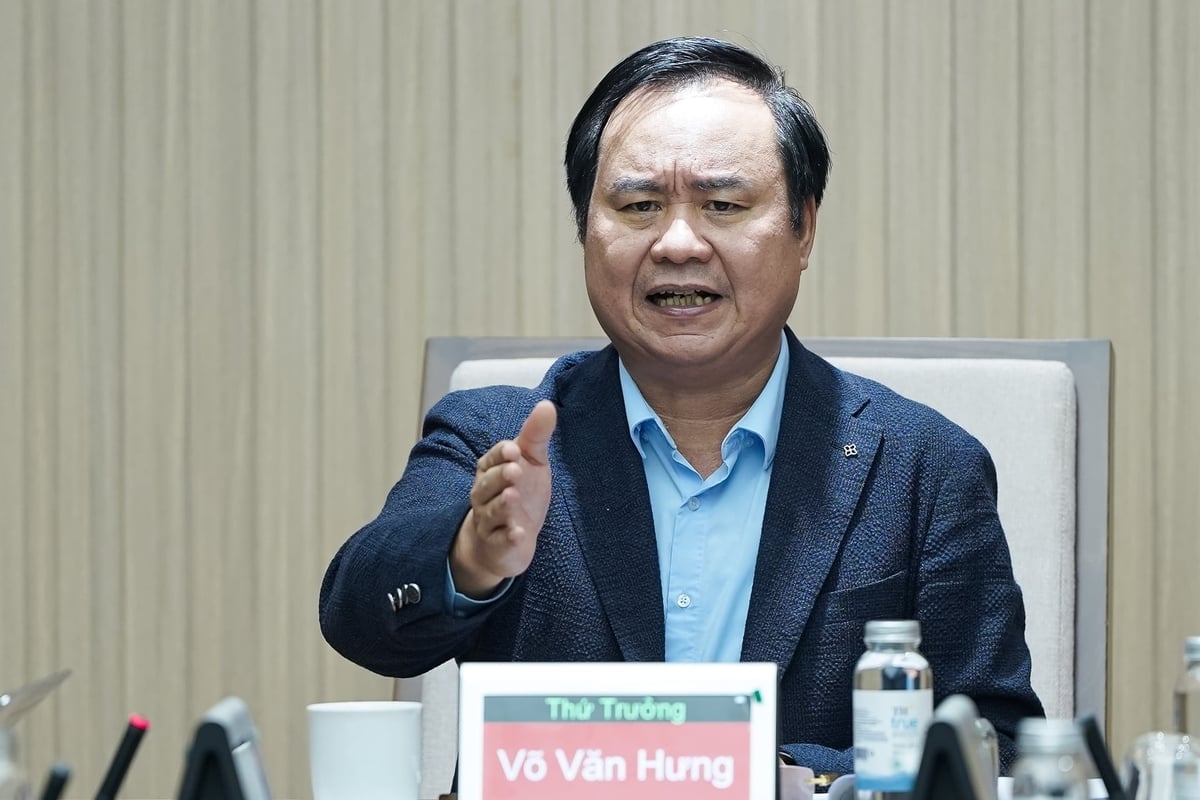
Deputy Minister Vo Van Hung: 'Digital transformation is not a one-time thing to do and then be done.' Photo: Bao Thang.
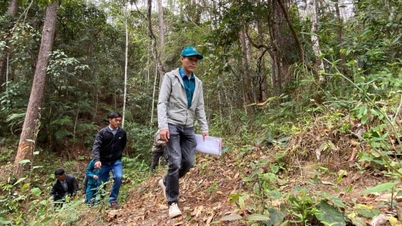
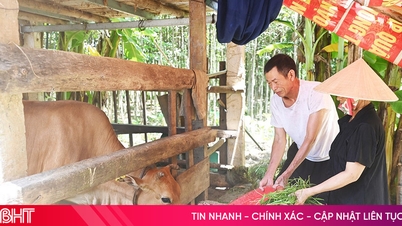
The Deputy Minister also requested continuous data updates, even in areas difficult to statistically track such as livestock farming, management of buffalo, cattle, and poultry herds. According to him, digital transformation is not a one-time event, but a process of regular updating. A positive work attitude and a willingness to supplement and enrich data are considered important criteria in evaluating task performance.
At the meeting, the Deputy Minister specifically inquired about the progress of major databases such as those on poverty, land, fisheries, plant varieties, meteorology and hydrology, and the national environment, and requested that units under the Ministry adhere to the completion deadline of December 31st. These are fundamental databases that play a direct role in streamlining procedures, reusing information, and improving management efficiency.
For the medium and long term, the Deputy Minister requested the Department of Digital Transformation to promptly develop a plan for issuing legal documents, primarily circulars, to create a basis for implementation. Tasks related to Politburo Resolutions 57 and 71 must be handled synchronously, with the industry's basic data being the central focus throughout. Each department leader must clearly assign tasks, deadlines, and responsibilities, avoiding vague and difficult-to-control plans.
The ultimate goal, according to Deputy Minister Hung, is to invest in digitalization to promote development and reduce costs for citizens, businesses, and administrative agencies. This requires both combating waste and ensuring effectiveness and efficiency. Digitalization is not just about converting paper documents to electronic data, but about changing the mindset of working.
The guiding principle he emphasized was to decisively complete the 52 tasks assigned to the Digital Transformation Department. Based on this principle, in 2026, in-person meetings must be reduced, and monitoring and supervision on digital platforms must be strengthened, so that leaders can keep track of progress in a timely manner and units can proactively take responsibility for their assigned tasks.
Director Le Phu Ha stated that the workload of the Department has increased 3-4 times compared to before. The Department proposed strengthening specialized departments on digital transformation within units under the Ministry, and continuing to mobilize units that previously participated in digital transformation within the two Ministries to jointly carry out related state management tasks.
Source: https://nongnghiepmoitruong.vn/so-hoa-ngay-tu-khau-lap-ke-hoach-de-dung-chung-du-lieu-toan-nganh-d789859.html
![[Image] Leaked images ahead of the 2025 Community Action Awards gala.](/_next/image?url=https%3A%2F%2Fvphoto.vietnam.vn%2Fthumb%2F1200x675%2Fvietnam%2Fresource%2FIMAGE%2F2025%2F12%2F16%2F1765882828720_ndo_br_thiet-ke-chua-co-ten-45-png.webp&w=3840&q=75)
![[Photo] Prime Minister Pham Minh Chinh receives the Governor of Tochigi Province (Japan)](/_next/image?url=https%3A%2F%2Fvphoto.vietnam.vn%2Fthumb%2F1200x675%2Fvietnam%2Fresource%2FIMAGE%2F2025%2F12%2F16%2F1765892133176_dsc-8082-6425-jpg.webp&w=3840&q=75)
![[Photo] Prime Minister Pham Minh Chinh receives Lao Minister of Education and Sports Thongsalith Mangnormek](/_next/image?url=https%3A%2F%2Fvphoto.vietnam.vn%2Fthumb%2F1200x675%2Fvietnam%2Fresource%2FIMAGE%2F2025%2F12%2F16%2F1765876834721_dsc-7519-jpg.webp&w=3840&q=75)


![[Live] 2025 Community Action Awards Gala](/_next/image?url=https%3A%2F%2Fvphoto.vietnam.vn%2Fthumb%2F1200x675%2Fvietnam%2Fresource%2FIMAGE%2F2025%2F12%2F16%2F1765899631650_ndo_tr_z7334013144784-9f9fe10a6d63584c85aff40f2957c250-jpg.webp&w=3840&q=75)




























































Comment (0)