

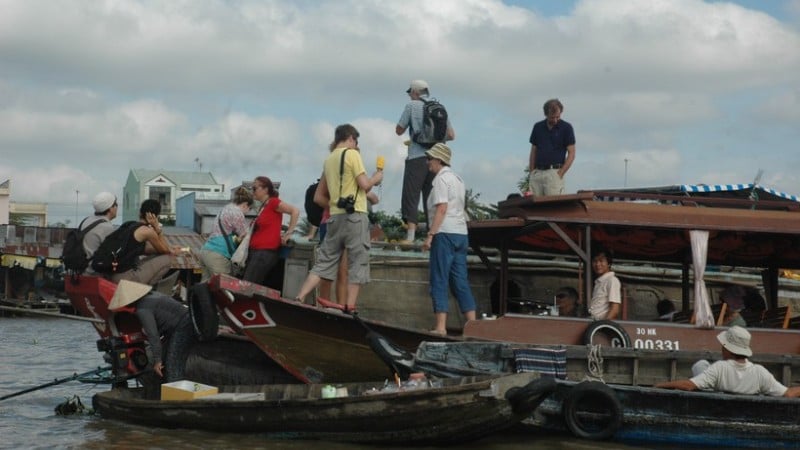
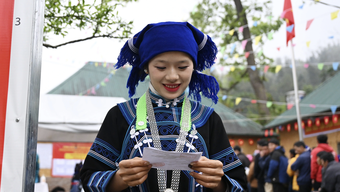
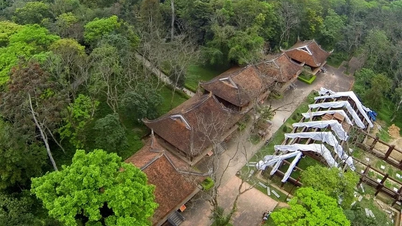
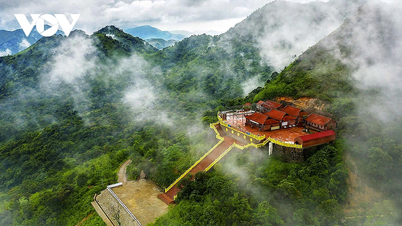
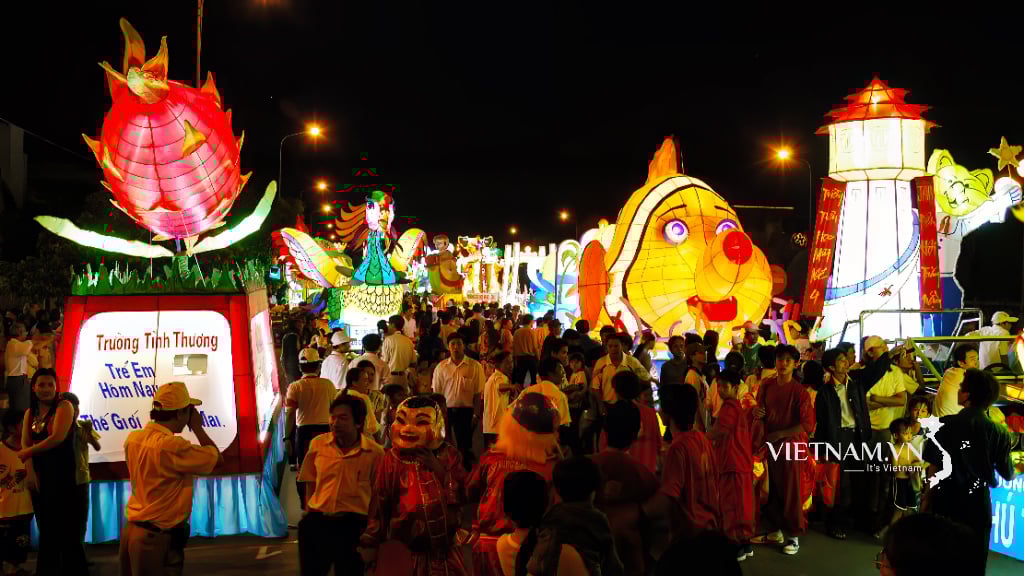
The unique cultural characteristics of the Khmer and Hoa ethnic groups also contribute to the diversity, richness, and attractiveness of local cultural and spiritual tourism .
In recent times, tourism and travel companies have organized numerous surveys, research trips, and assessments of Can Tho's tourism resources and products. This assessment aims to leverage strengths and mitigate weaknesses in each region's tourism, maximize diversity, and find ways to combine locations and develop tours and itineraries suitable for the current state of Can Tho city. Many ideas for developing tourism products have emerged. Instead of single tours such as visiting floating markets, Son Island, or orchards, businesses have combined riverine urban areas, ecological zones, the sea, and spiritual and cultural sites. The Can Tho city government is gradually upgrading tourism infrastructure, completing transportation routes not only by road but also by river and sea. This will create opportunities for tourism resource areas to connect more easily.
With its existing advantages, Can Tho has the potential to become the tourism hub of the Mekong Delta. However, according to many experts, to fully utilize the diversity and combine tourist areas to create attractive tours and routes, the locality still needs to make significant efforts to overcome challenges. The biggest difficulty remains the connectivity infrastructure. Currently, the roads leading to eco-tourism areas such as Lung Ngoc Hoang, Tran De estuary, and mangrove forests are quite small and narrow, causing tourists to spend a lot of time traveling. The waterway transportation system has not been effectively exploited, lacking connecting river tourism routes between regions. Furthermore, Can Tho's tourism products lack distinctiveness and novelty. For many years, it has mainly relied on existing resources like rivers and orchards, while new types of tourism such as forest, beach, and cultural tourism have not been systematically invested in. The lack of human resources in Can Tho's tourism sector has always been a persistent weakness, making it difficult to develop diverse tours and routes that require personnel with skills and knowledge of geography, history, and culture. Local tourism promotion and marketing efforts still need a well-structured strategy to present Can Tho as a diverse destination after the merger.
To build a new and attractive tourism brand, Can Tho needs to implement many synchronized solutions. In particular, inter-regional transportation infrastructure, especially routes to tourist destinations, needs more investment. The city needs to quickly develop a comprehensive tourism map, clearly identifying key areas and flagship products, avoiding duplication of resources. Improving the coordination mechanism between agencies and businesses to unify infrastructure, services, and promotion to effectively utilize the diverse resources is essential. Emphasis should also be placed on training, skills, expertise, and knowledge for the tourism workforce.
Local authorities should have mechanisms to encourage people to participate in developing experiential tourism models. Most importantly, tourism development must go hand in hand with environmental conservation and the preservation of local cultural identity. Businesses should be encouraged to invest responsibly and limit projects that negatively impact the natural ecosystem. Only then can biodiversity be sustainable...
Source: https://nhandan.vn/tao-dung-thuong-hieu-du-lich-moi-post921541.html
![[Photo] Prime Minister Pham Minh Chinh presides over meetings of the Government Standing Committee to discuss several important issues.](https://vphoto.vietnam.vn/thumb/1200x675/vietnam/resource/IMAGE/2026/03/16/1773674631996_ndo_br_img-5789-jpg.webp)

![[Photo] Prime Minister Pham Minh Chinh receives the Ministers of Foreign Affairs, Defense, and Public Security of China.](https://vphoto.vietnam.vn/thumb/1200x675/vietnam/resource/IMAGE/2026/03/16/1773659638054_ndo_br_dsc-4386-6157-jpg.webp)
![[Photo] Prime Minister Pham Minh Chinh holds a phone call with Angolan President João Manuel Gonçalves Lourenço](https://vphoto.vietnam.vn/thumb/1200x675/vietnam/resource/IMAGE/2026/03/16/1773674632171_ndo_br_dsc-4772-jpg.webp)







































Comment (0)