

Old songs like "Dao Lieu" sung by rapper Binz; "Trong Com" sung by Soobin, Tu Long, Cuong Seven... are rearranged in a new, surprising style.
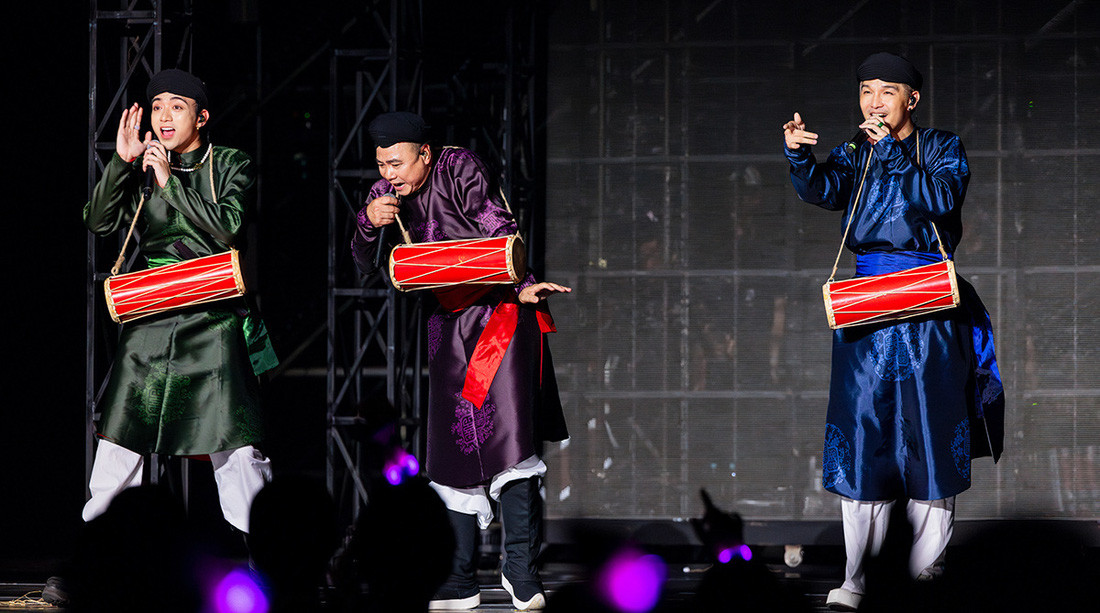
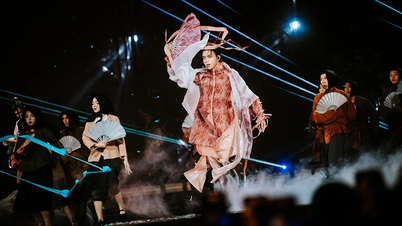
Binz, the rapper, sings an ancient Northern Vietnamese folk opera. Peach blossom She wore a red silk ao dai (traditional Vietnamese dress), white sneakers, and paired it with Tien Dat's hip-hop dance moves.
Already Rice drum Soobin, Tu Long, and Cuong Seven's song became a fresh "hit," taking the opening ceremonies of schools by storm, with its contemporaryized zither melody going viral online.
Glocalisation is a term combining globalisation and localisation. It's a core concept for understanding how the modern world operates, applicable not only to economics and commerce but also to culture, art, and media.
"Local globalization" - the world has been doing this for a long time.
Who would have thought that folk songs, so common they'd become boring to many, could become such a hit with young people? Can traditional music really be this "cool"?
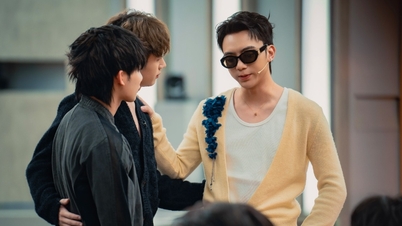
Singer Soobin once said that the innovative blend of old and modern songs, combined with traditional instruments, has been well-received, opening up opportunities for him to pursue musical projects. Contemporary folklore.
But this isn't just a trend unique to Vietnam; it's a major trend in the global music industry now, as music has become the most dynamic and flexible form of culture, transcending borders and blending influences from all corners of the world. A more subtle trend has emerged: glocalization. globalization local.
Over the past several decades, Japan, South Korea, and China have continuously modernized their traditional cultures, creating modern works that are famous domestically and have spread throughout the world.
One of the most successful examples of glocalization in music is K-pop.
Like BTS, BlackPink incorporates influences from Western pop, hip-hop, and EDM into their songs while retaining their Korean language, style, and values, creating a unique musical identity that blends individuality, national identity, and global appeal.
They may sing in English, but their Korean identity remains evident in every music video, outfit, and even the message they convey.
In Japan, young artists like the Yoshida Brothers are modernizing the traditional shamisen instrument, combining it with modern music to attract both domestic and international audiences.
This shows that glocalization is not just a fleeting trend, but an essential part of global cultural development.
Or artists like J Balvin and Bad Bunny have taken the reggaeton style, which originated in Panama and Puerto Rico with Latin American and Caribbean dancehall rhythms, and turned it into international hits. Mi Gentle and Zakiti .
Album Twice as Tall Burna Boy, a Grammy winner, is the pinnacle of glocalization, with tracks that blend West African rhythms with global pop, hip-hop, and dancehall, in an Afrobeats style that is both local and international.
The newspaper Billboard It is written that "Glocalisation" is bringing local music to global charts. English-language hits once dominated, but are gradually being replaced by artists performing in local languages.
And Vietnam also started.
The success of Rice drum "Soobin's version" shows that artists choose the right path.
Audiences not only embrace but also take pride in the fact that national culture has been infused with a contemporary spirit, becoming more relatable and in line with the tastes of Gen Z.
A perfect blend of old and new, of national and global.
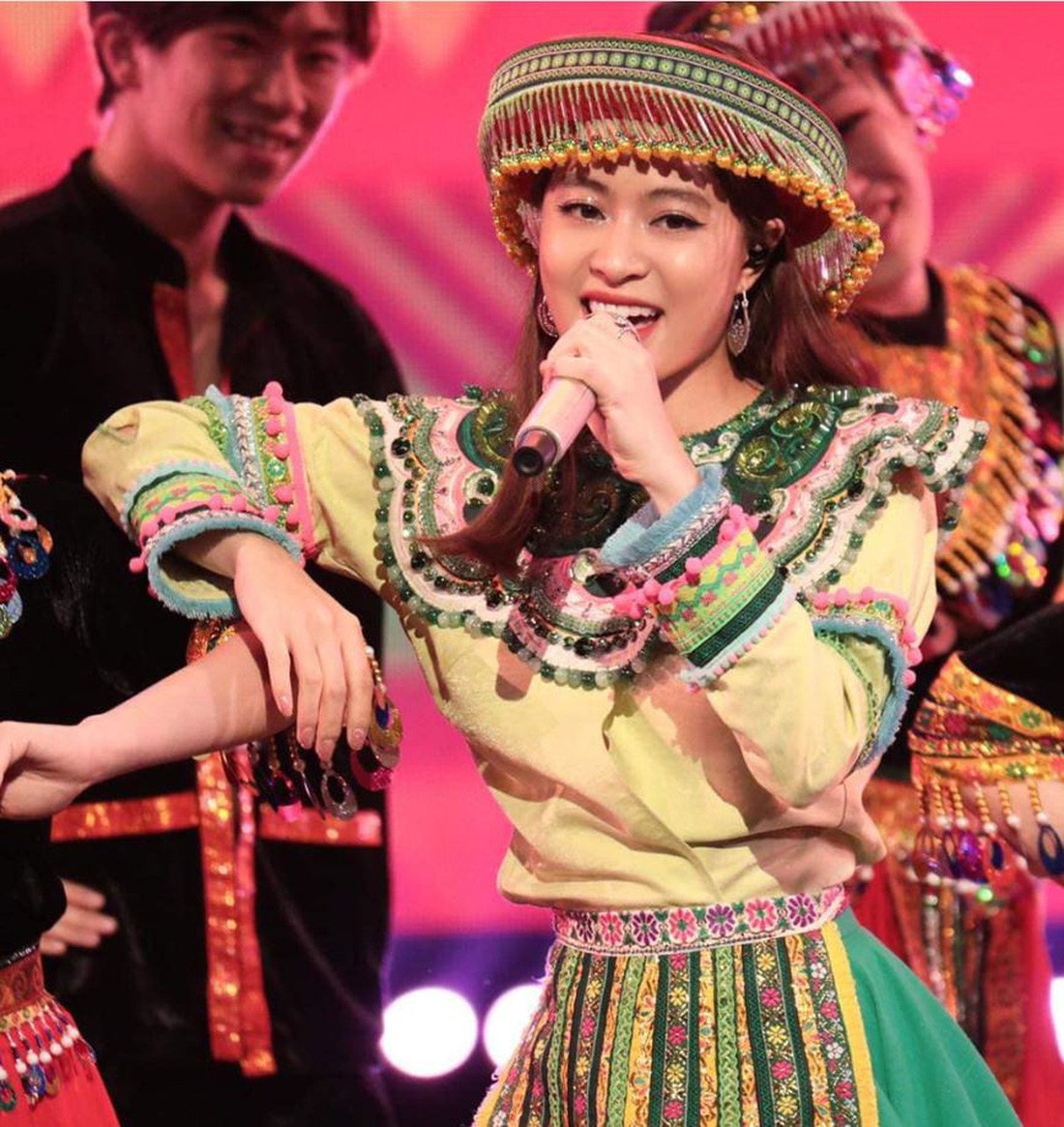
Not only Soobin, but Hoang Thuy Linh is also a pioneer in glocalization in Vietnamese music.
The songs Let me tell you. good See Love It surprises the audience with its novel approach.
Catchy melodies, captivating choreography, a blend of electronic music, pop, modern visual elements, and elements of the Mother Goddess religion create a musical product that is both traditional and trendy, appealing to domestic audiences while keeping up with global trends.
However, the trend of glocalization in Vietnam is still in its early stages, so there are many challenges and setbacks ahead.
Bold experiments inevitably fail at times. When artists attempt to balance local appeal with global appeal, they may face criticism for "selling themselves," appropriating culture, or diluting cultural heritage.
Controversy surrounds the origin of the two blue mythical creatures on stage. Peach blossom This is a recent example of the potential challenges facing glocalization.
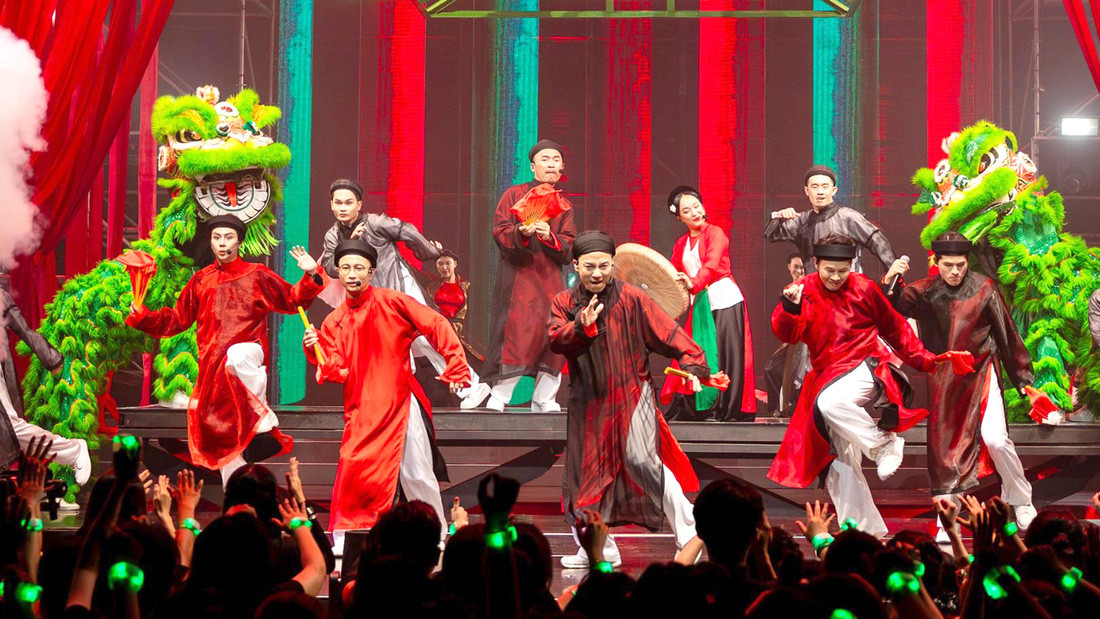
But it wasn't always smooth sailing.
Glocalization isn't simply about changing a few musical elements or costumes. To truly succeed, artists need a deep understanding of the culture, history, and psychology of their audience.
A minor error in interpretation. traditional culture This could lead to negative reactions from the public and the media.
Unskillful experiments can be perceived as breaking or deviating from traditional values. That's why the journey of glocalization isn't always smooth sailing.
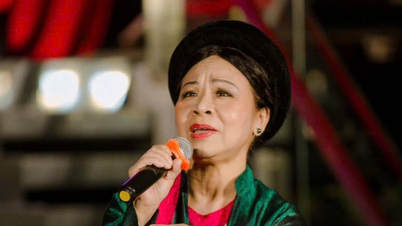
Perhaps that's why Soobin's team wisely invited the traditional opera artist Tu Long to participate, so they could subtly and intelligently revitalize traditional values, ensuring it's not only entertaining but also accurate, satisfying modern audiences without offending those who cherish it. national culture original.
Another risk is the potential for "cultural appropriation," which arises when global musical elements are integrated into local cultures without understanding or respecting the original context.
Misusing symbols, styles, or themes from other cultures can provoke negative reactions. Justin Bieber, Gwen Stefani, and Katy Perry are examples of singers who have been accused of cultural appropriation.
However, there is also an argument that famous singers can bring attention to and celebrate diverse cultural identities.
Preserving cultural identity while incorporating global elements is a major challenge. Without careful consideration, local musical identity can be overshadowed, drawing criticism for losing its unique character. Therefore, artists who engage with glocalization must be sensitive to cultural nuances and promote cultural diversity.
Source


![[Image] Central Party Office summarizes work in 2025](/_next/image?url=https%3A%2F%2Fvphoto.vietnam.vn%2Fthumb%2F1200x675%2Fvietnam%2Fresource%2FIMAGE%2F2025%2F12%2F18%2F1766065572073_vptw-hoi-nghi-tong-ket-89-1204-jpg.webp&w=3840&q=75)








































































Comment (0)