Eggs are rich in protein, vitamins A, D, B12, and minerals essential for the body.
The protein in eggs helps build and repair cells, while the vitamins and minerals support many vital functions in the body.
However, some people are concerned about the cholesterol content in egg yolks and their potential to raise cholesterol levels, according to the Indian health website HealthShots .
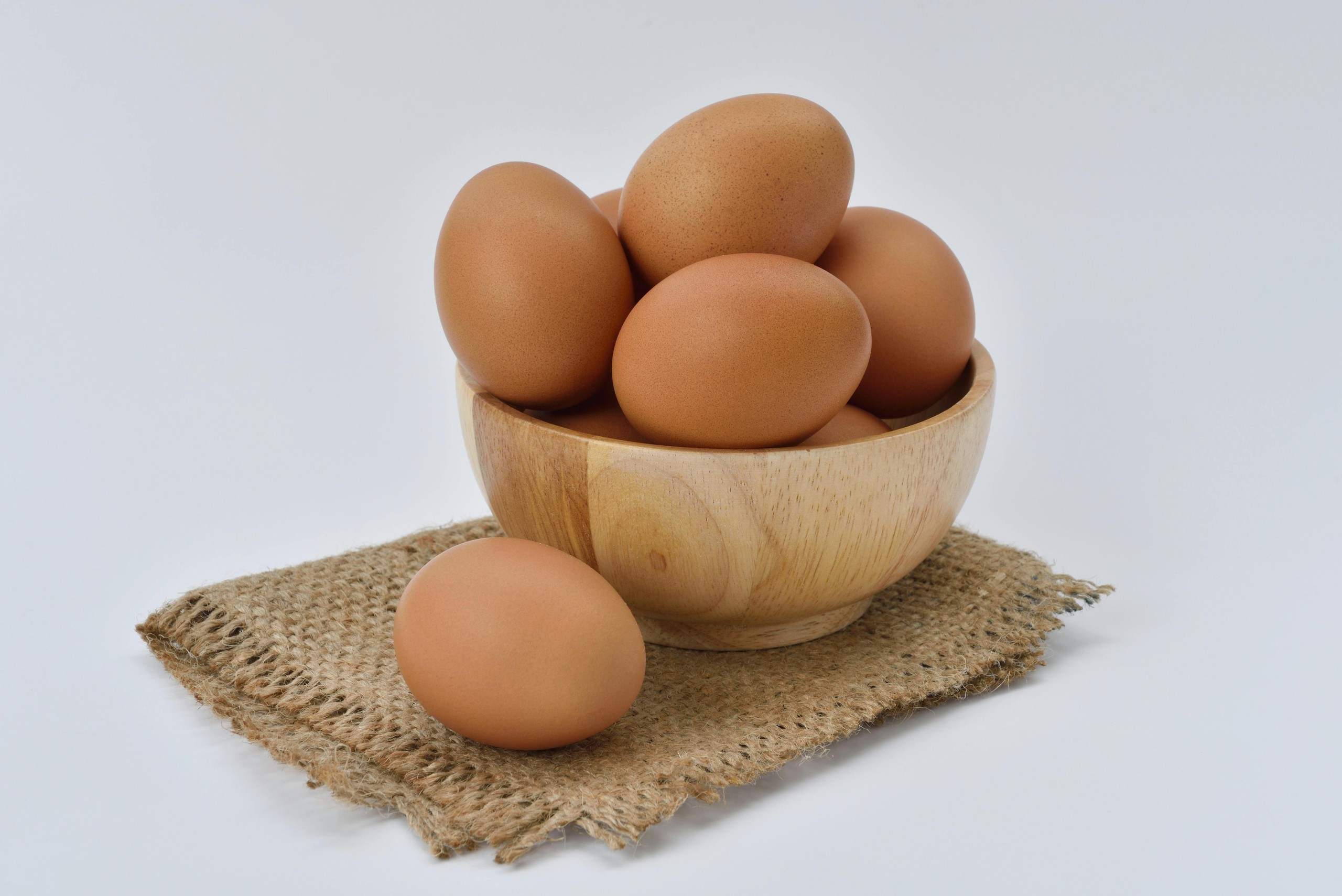
Some people are concerned about the cholesterol content in egg yolks.
What is cholesterol?
Cholesterol is a type of fat found in cells and blood. It is essential for the production of hormones, vitamin D, and substances like bile acids that aid in digestion.
Although the body produces cholesterol in the liver, it can also be absorbed from certain foods, such as egg yolks, meat, and cheese.



There are two main types of cholesterol: good cholesterol (HDL) and bad cholesterol (LDL). According to the U.S. Centers for Disease Control and Prevention (CDC), if your total cholesterol is higher than 200 milligrams per deciliter (mg/dL), it is considered high.
Signs of high cholesterol
High cholesterol can lead to serious health problems such as heart attacks and strokes, according to the British Heart Foundation.
Although not everyone with high cholesterol experiences symptoms, some people may notice signs such as high blood pressure, shortness of breath, chest pain, fatigue, weakness, swollen joints, and yellow plaques on the skin.
Eating one egg a day is considered safe.
Eggs are a nutrient-rich food that offers many benefits for cardiovascular health. They are rich in protein, vitamins, and minerals, including choline, which supports brain function.
The antioxidants in eggs, such as lutein and zeaxanthin, also support eye health.
A study published in a cardiology journal in 2018, involving approximately 500,000 adults in China, showed that those who ate eggs daily (about one egg per day) had a lower risk of cardiovascular disease and stroke.



Eggs contain cholesterol primarily in the yolk, with one egg containing approximately 186 milligrams. Therefore, some people worry that eating eggs may lead to higher cholesterol levels.
Most of the cholesterol in our bodies is produced by the liver, not from the cholesterol we consume, according to Harvard Health Publishing.
Consuming eggs, especially the saturated fats that come with them, is the main factor that stimulates the liver to produce cholesterol. Therefore, consuming one egg a day is considered safe for most people.
Source: https://thanhnien.vn/an-trung-moi-ngay-co-lam-tang-cholesterol-185241026200059366.htm


















![[Video] Weather forecast for tonight and tomorrow, July 3, 2026: Tropical depression likely to strengthen into a storm tonight](https://vphoto.vietnam.vn/thumb/402x226/vietnam/resource/IMAGE/2026/07/02/1782997465372_dem-2-png.webp)