Contributing to the day of complete victory.
Entering the fierce stage of the resistance war against the US, recognizing the important role, nature, and position of the press in the ideological front, on November 10, 1961, the Provincial Party Committee issued Resolution No. 175 establishing the editorial office of the Nhan Dan Nghe An Newspaper.
The editorial office of Nhan Dan Newspaper in Nghe An was established to undertake the task of informing, propagating, and disseminating the policies and guidelines of the Party and the State to all strata of the people. The first issue of Nhan Dan Newspaper in Nghe An was published on September 12, 1961, and has been regularly published every Wednesday and Saturday.
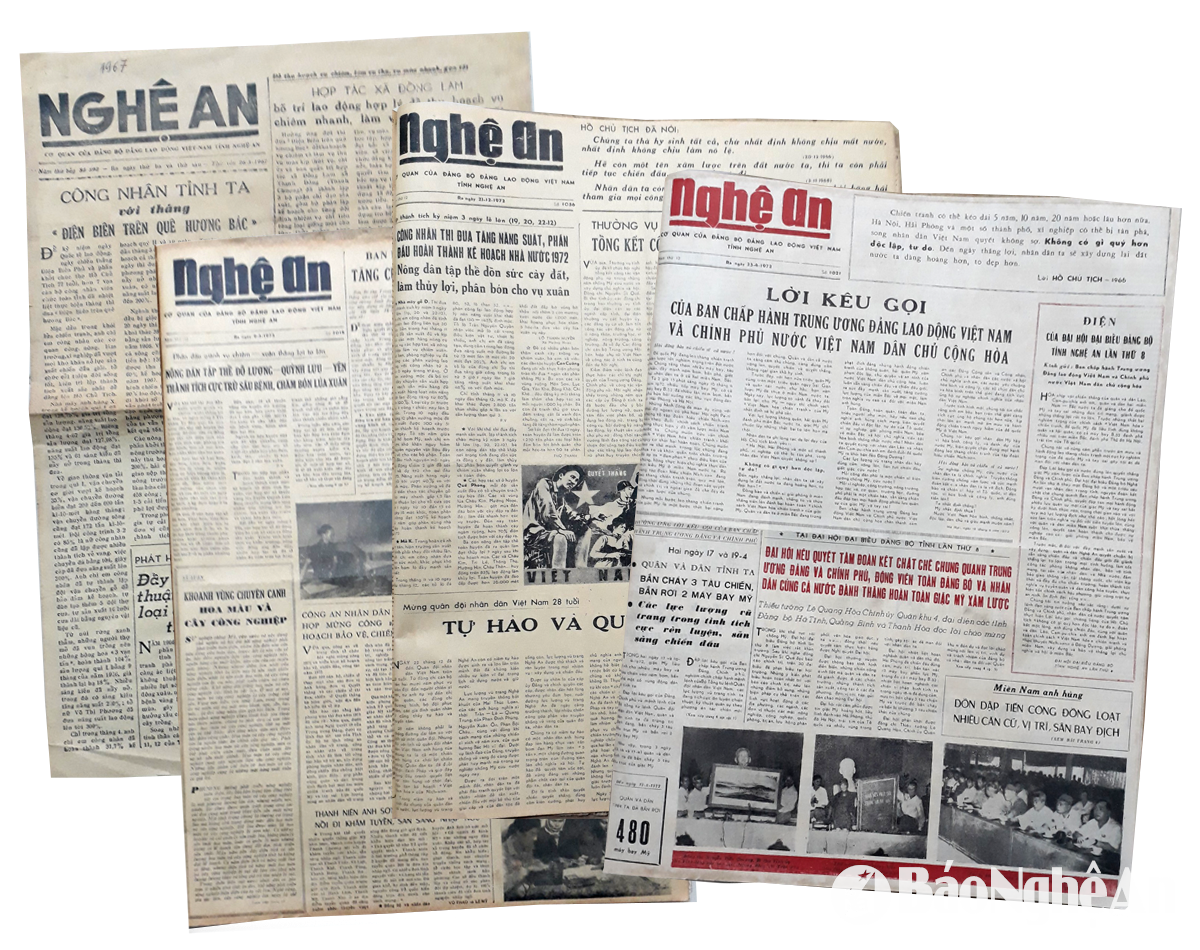
On August 5, 1964, by fabricating the "Gulf of Tonkin incident," the US imperialists launched a war of air and naval attacks against North Vietnam. To ensure the continuity of information, under the direction of the Standing Committee of the Nghe An Provincial Party Committee, in May 1965, the Nghe An Newspaper quickly transformed its operational structure and publishing activities in the context of war. The newspaper's office moved from Vinh to Hung Thai commune (Hung Nguyen district), then to Nam Tien commune (Nam Dan district). In 1968, the Nghe An Newspaper was located in Quang Son commune, and later in Tan Son commune, Do Luong district.
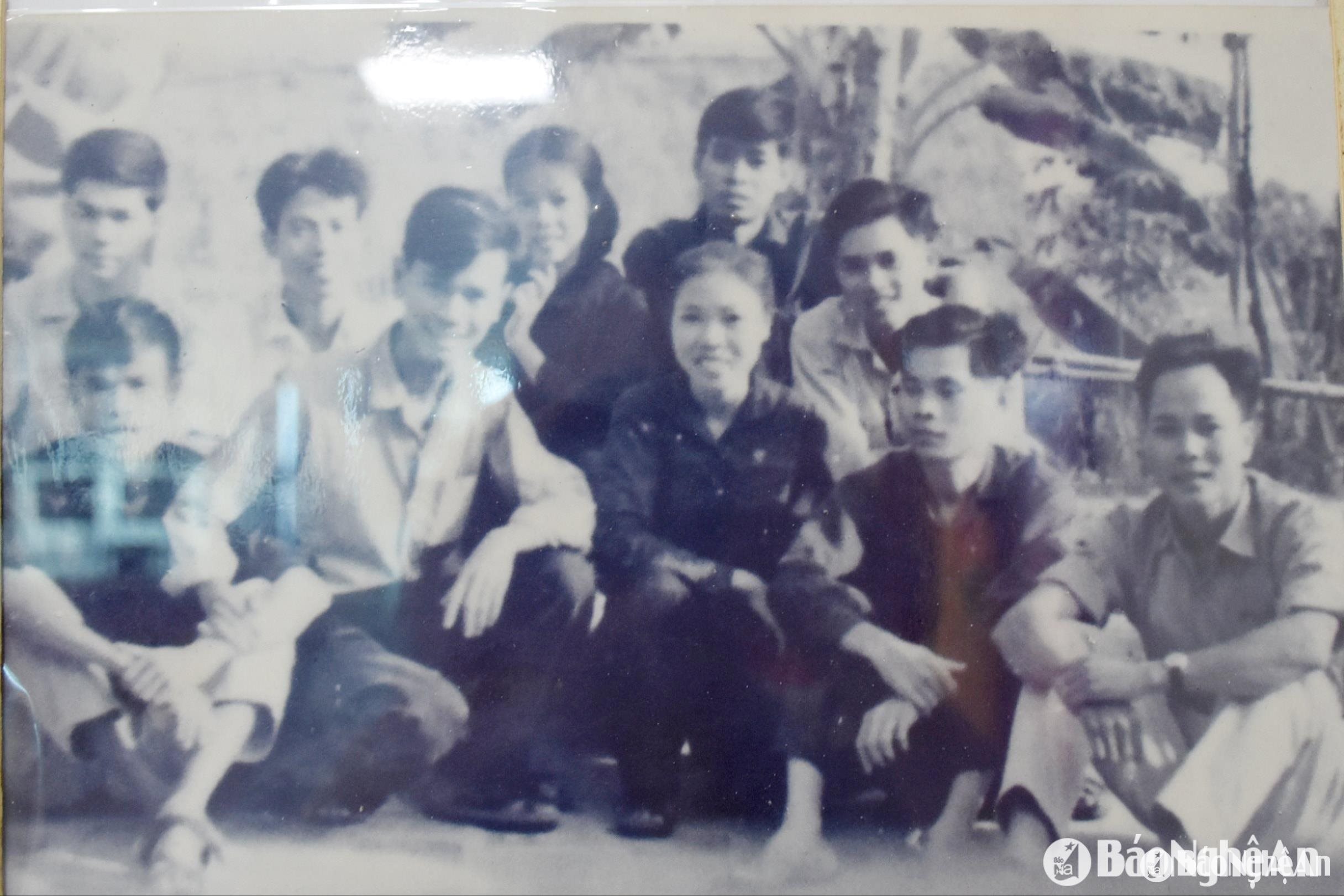
During the years when the US escalated its bombing campaign against North Vietnam, Nghe An became one of the key targets of the imperialist air force. Overcoming bombs and bullets, difficulties in living conditions and working conditions, and the vast and dangerous operational area, the reporters of Nghe An Newspaper enthusiastically and diligently went to the grassroots level, staying close to the battlefields.
From Vinh town to landmarks like Hoang Mai Station, Cam Bridge, Truong Bon, Truong Dong; the battle zones on National Highway 7, National Highway 15, National Highway 48…, the team of reporters promptly reported on the selfless labor, combat, and service to the war effort, and the resounding victories of our army and people, inspiring the entire nation.
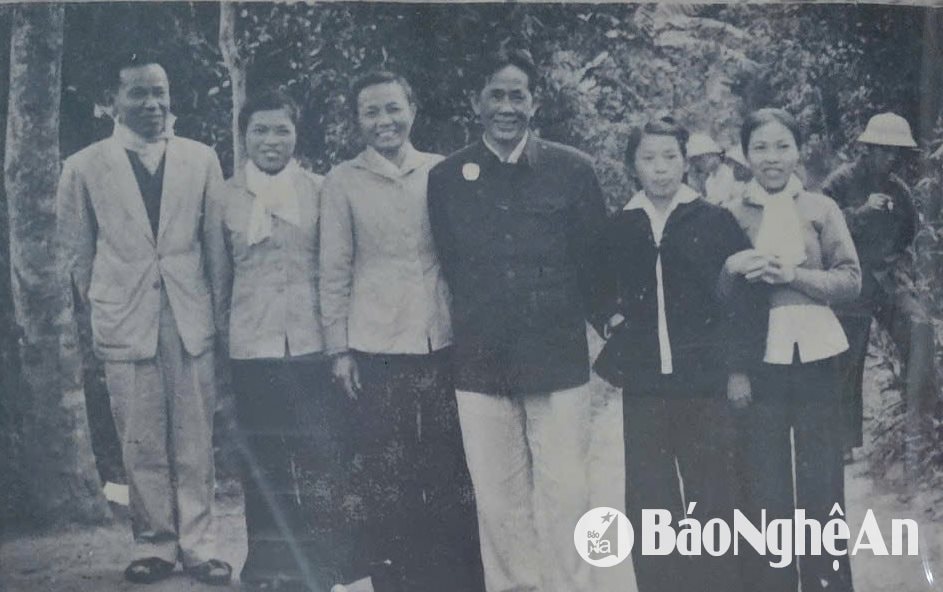
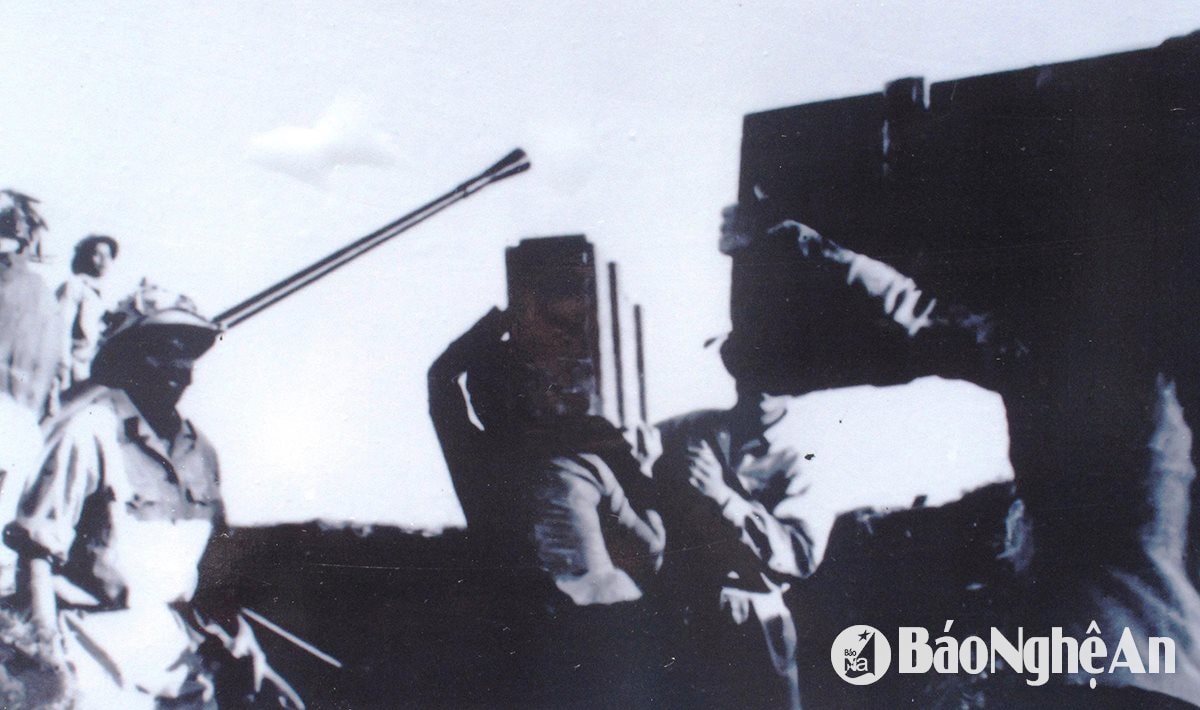
Despite extremely difficult working conditions during wartime, thanks to the attention and support of the Party Committee and the Government at all levels, and the care and sharing of food and shelter from the people of the province, Nghe An Newspaper always successfully fulfilled its mission. The newspaper published two issues per week in 39x54cm format. Remarkably, with only 8 staff members, reporters, and editors, it still provided comprehensive information on the socio-economic situation, national defense, and security in the province, the country, and the world.
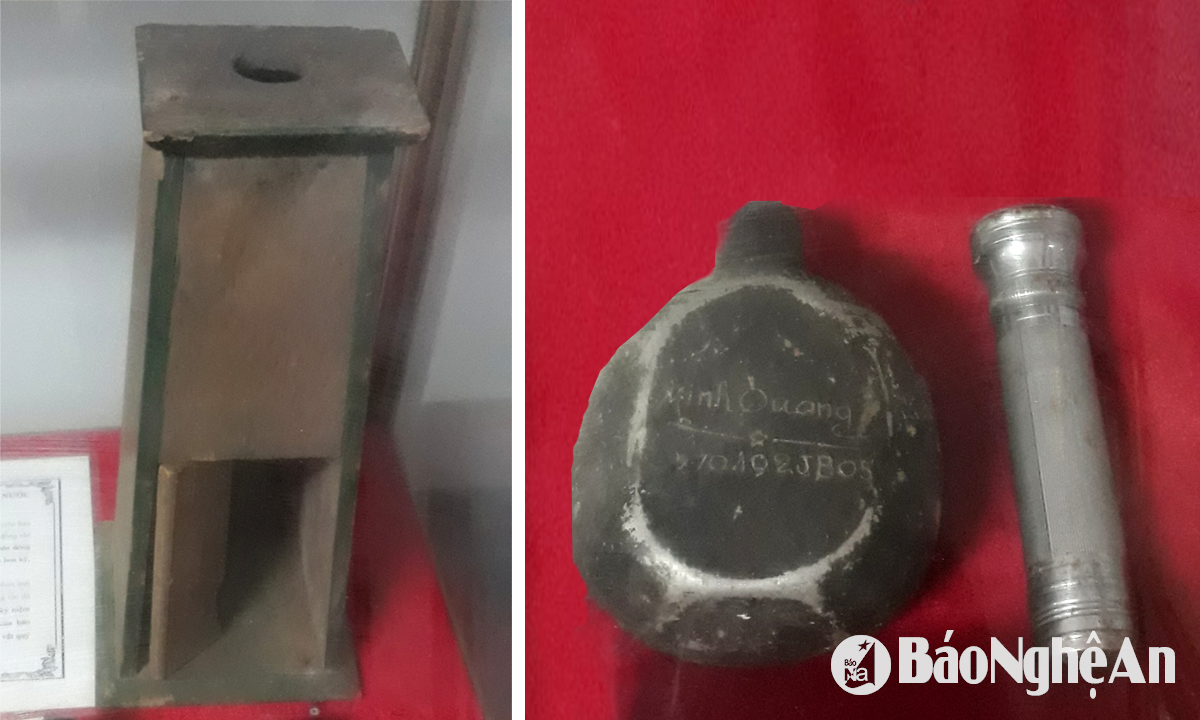
It can be said that the pages of the Nghe An Newspaper are stained with sweat, blood, and selfless sacrifice, ensuring a continuous flow of news. The information and propaganda activities of the Nghe An Newspaper closely followed the political and ideological tasks of the Party Committee; focusing on key movements, organizations, and exemplary individuals on the production and combat fronts… contributing to motivating and encouraging our army and people to fight and win, leading to the reunification of the country in 1975; leaving indelible marks on the course of history.
A positive impression in the hearts of the people.

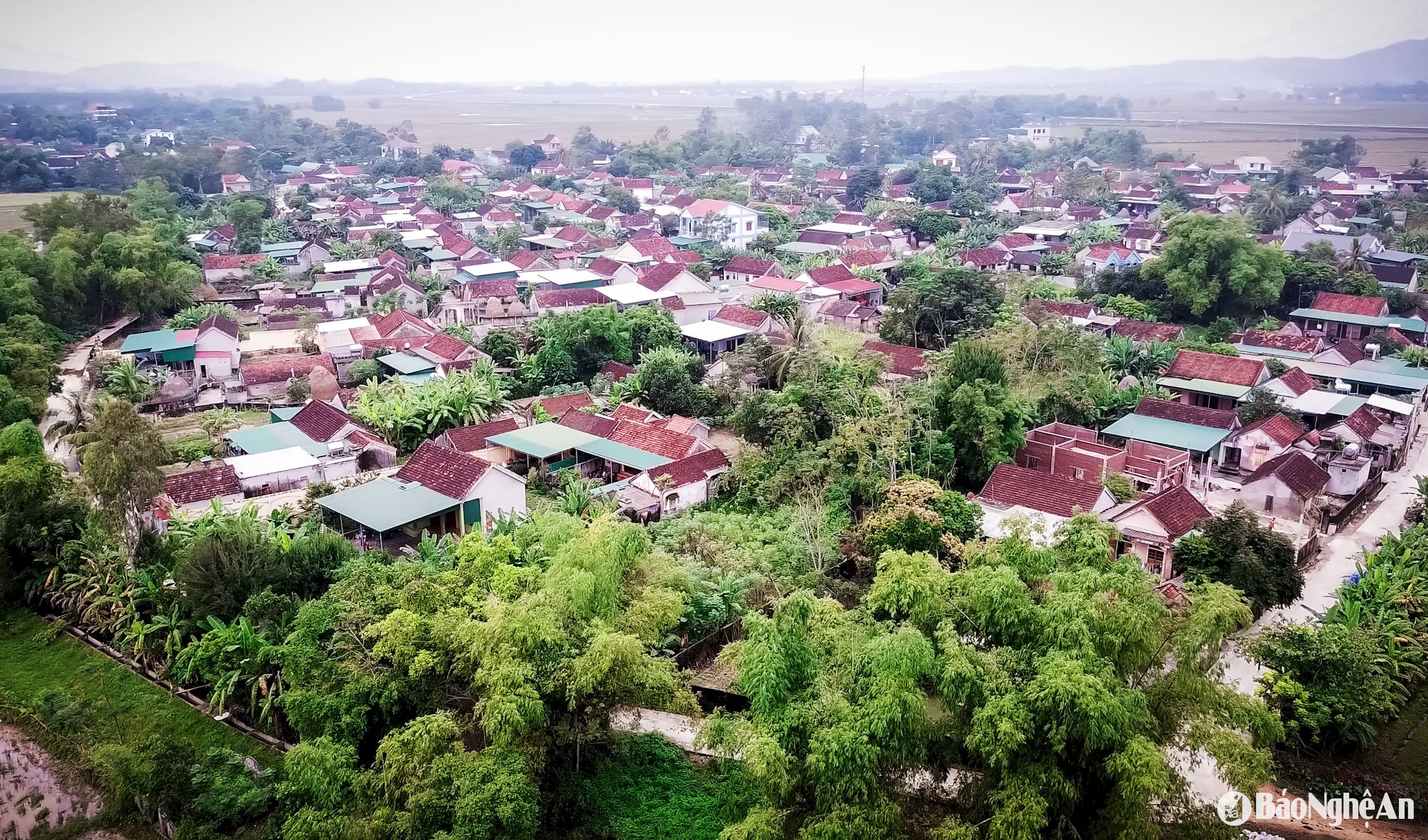
Peace was restored, and the war was long over. However, the impression of the staff and reporters of Nghe An Newspaper remains indelible in the minds of the people in the area where the Nghe An People's Newspaper office was evacuated.
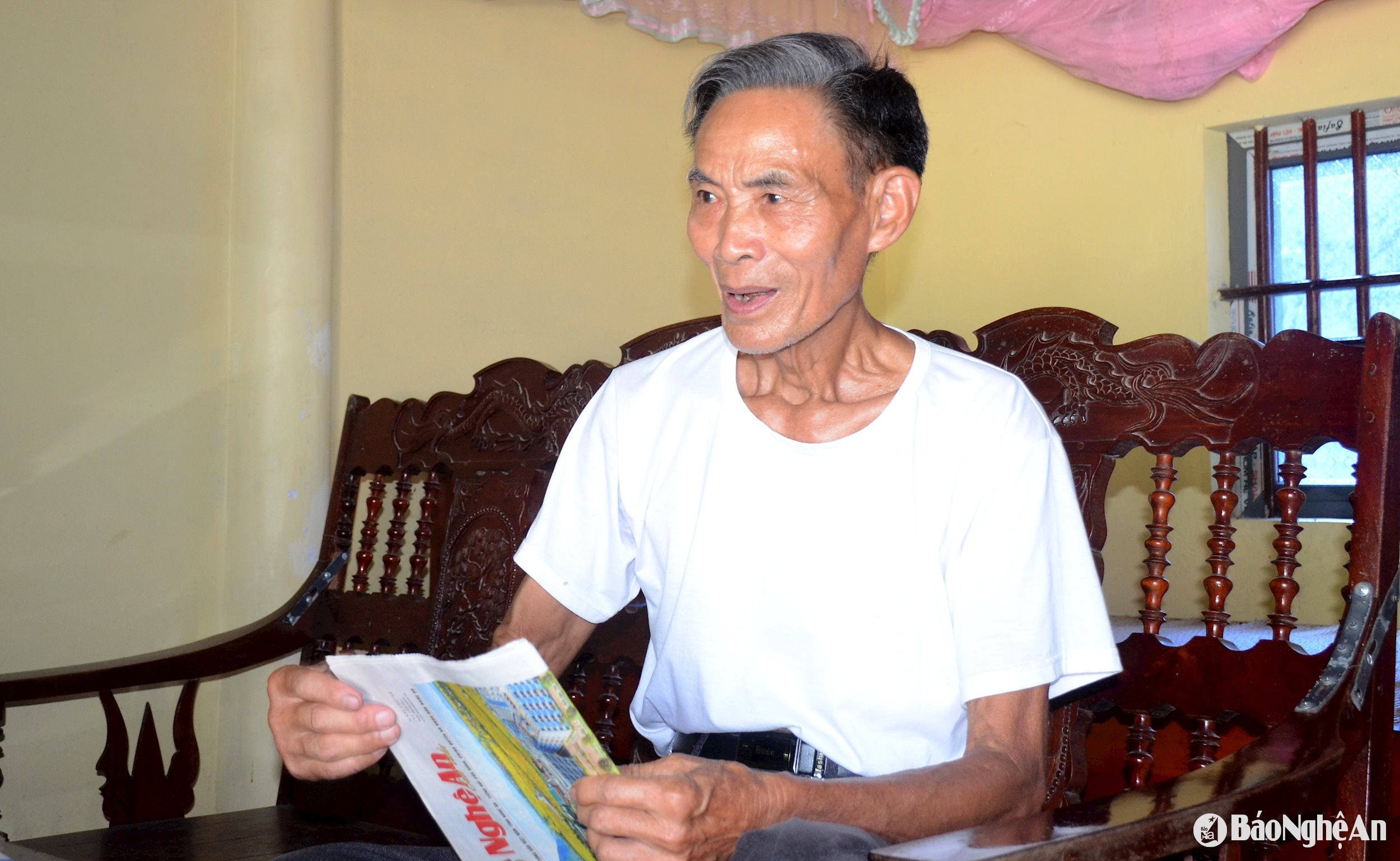
Mr. Tran Van Sam (79 years old, residing in Toan Thang hamlet, Quang Son commune, Do Luong district) recounted: In 1968, many provincial-level agencies evacuated to Quang Son commune, Do Luong district, including the Nghe An People's Newspaper.
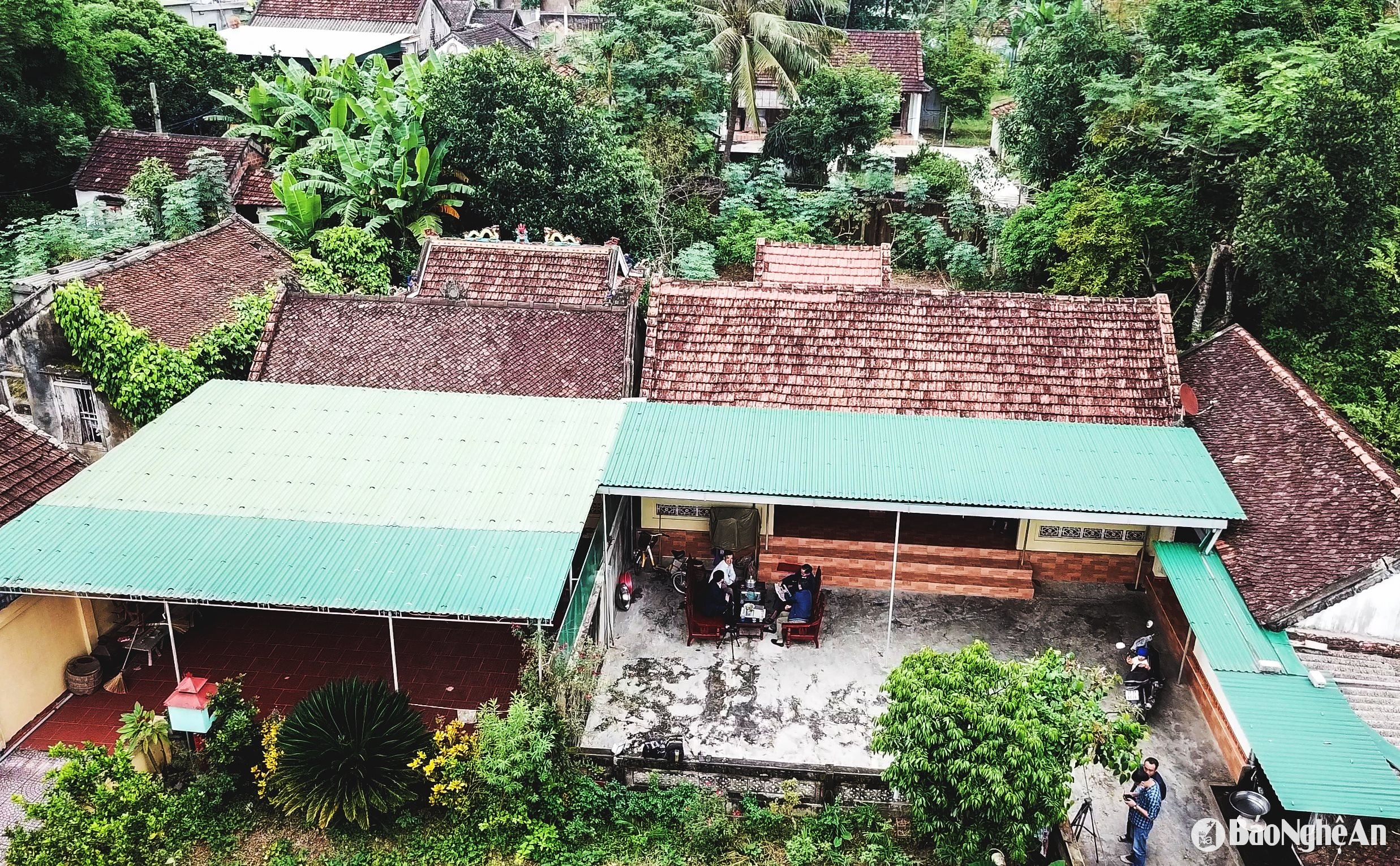
In Toan Thang village, besides my family, there was also the family of Mrs. Vo Thi Tuyet, whose house the newspaper borrowed to use as its editorial office. Mr. Pham Dinh Co, the Deputy Editor-in-Chief of Nghe An Newspaper, lived directly in my house. Editor-in-Chief Nguyen Huong lived in the ancestral temple of the Nguyen Ha family. Reporters Duy Lieu, Thanh Phong, Thanh Hao, Duong Huy, Dinh Sung, and Huy Chuyen also lived nearby. However, they rarely stayed in the evacuation area, traveling back and forth throughout the province to write news articles.
Living with his family, Deputy Editor-in-Chief Pham Dinh Co was friendly and approachable to everyone, without any distance between them. Despite being very busy with fieldwork and staying up late to edit and write news articles, he tried his best not to let it affect his family.
Despite the scarcity of food and clothing, the newspaper's staff and reporters remained diligent and hardworking. Night after night, the editorial board would gather at my house, working by oil lamp. Often, when there weren't enough articles (because reporters couldn't deliver the newspapers in time), Mr. Nguyen Huong and Mr. Pham Dinh Co would painstakingly search for useful information on the Nhan Dan Newspaper and the Voice of Vietnam Radio to supplement the content of their newspaper.
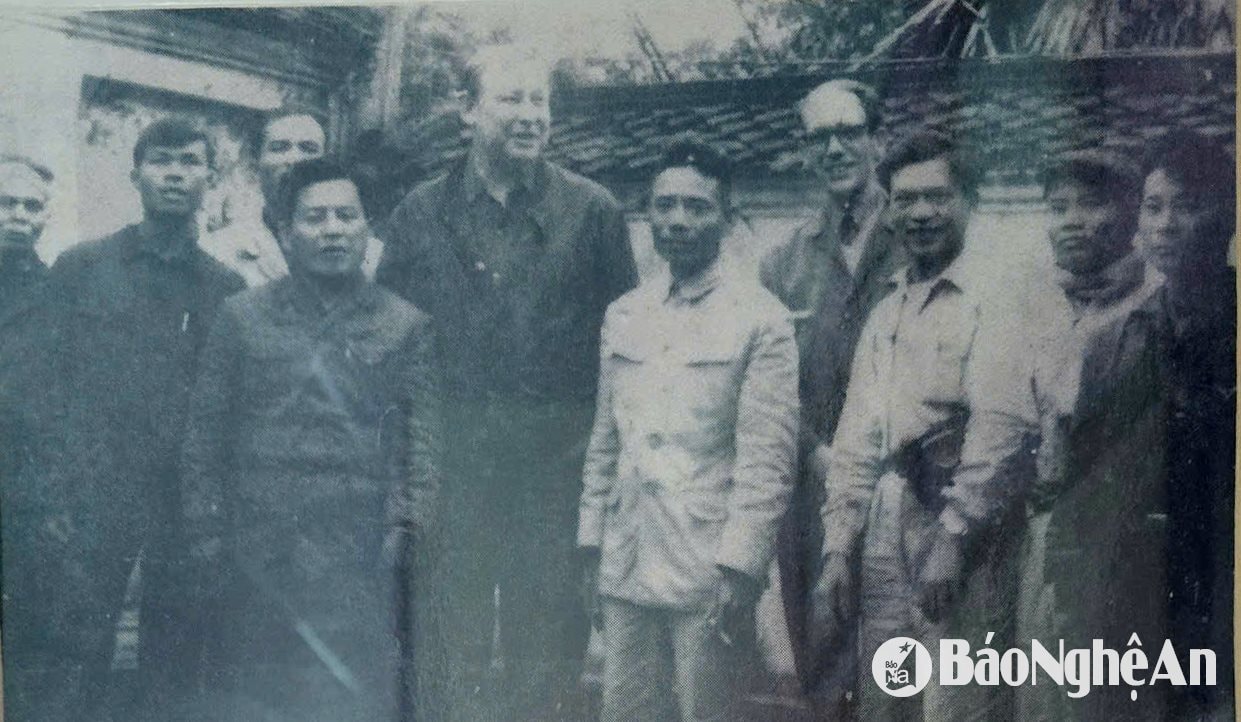
After gathering enough news articles, according to the newspaper's printing schedule, Mr. Nguyen Tuong – an administrative officer of Nghe An Newspaper – would ride his old Polish-made motorbike to deliver the news and articles to the printing press in Tan Ky district. According to Mr. Tran Van Sam, it was a "special" motorbike. To get it running, the entire editorial team and reporters had to push it a long distance before the engine would start. By the time the engine started, the people pushing it were covered in sweat and dust.
.jpg)
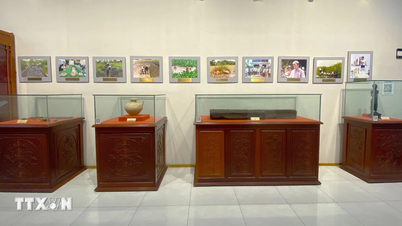
In his small house, Mr. Tran Van Sam still keeps rare mementos related to the printing and publishing activities of Nghe An Newspaper nearly 60 years ago. These are the printing plates used to print Nghe An Newspaper in 1968-1969. Among them is a plate of President Ho Chi Minh's will; and a photograph of Comrade Le Duan speaking at the memorial service for President Ho Chi Minh after his passing in 1969. (These two special printing plates were donated by Mr. Sam to Nghe An Newspaper in 2016 and are now preserved and displayed in the Newspaper's Traditional Room).
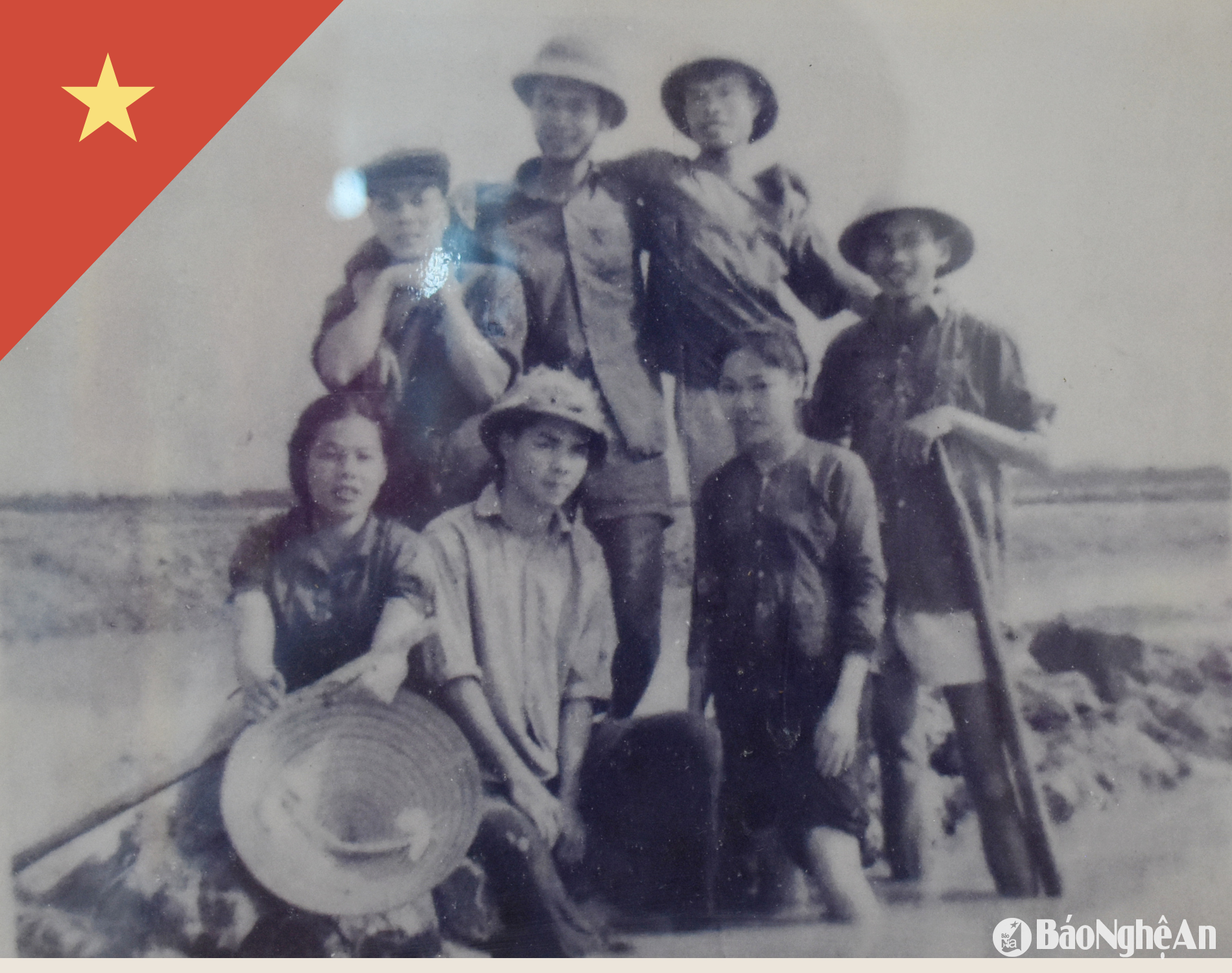
In the localities where the Nghe An Newspaper office was evacuated, the staff, reporters, and employees of the newspaper all left a positive impression and earned the trust, love, and respect of the people.



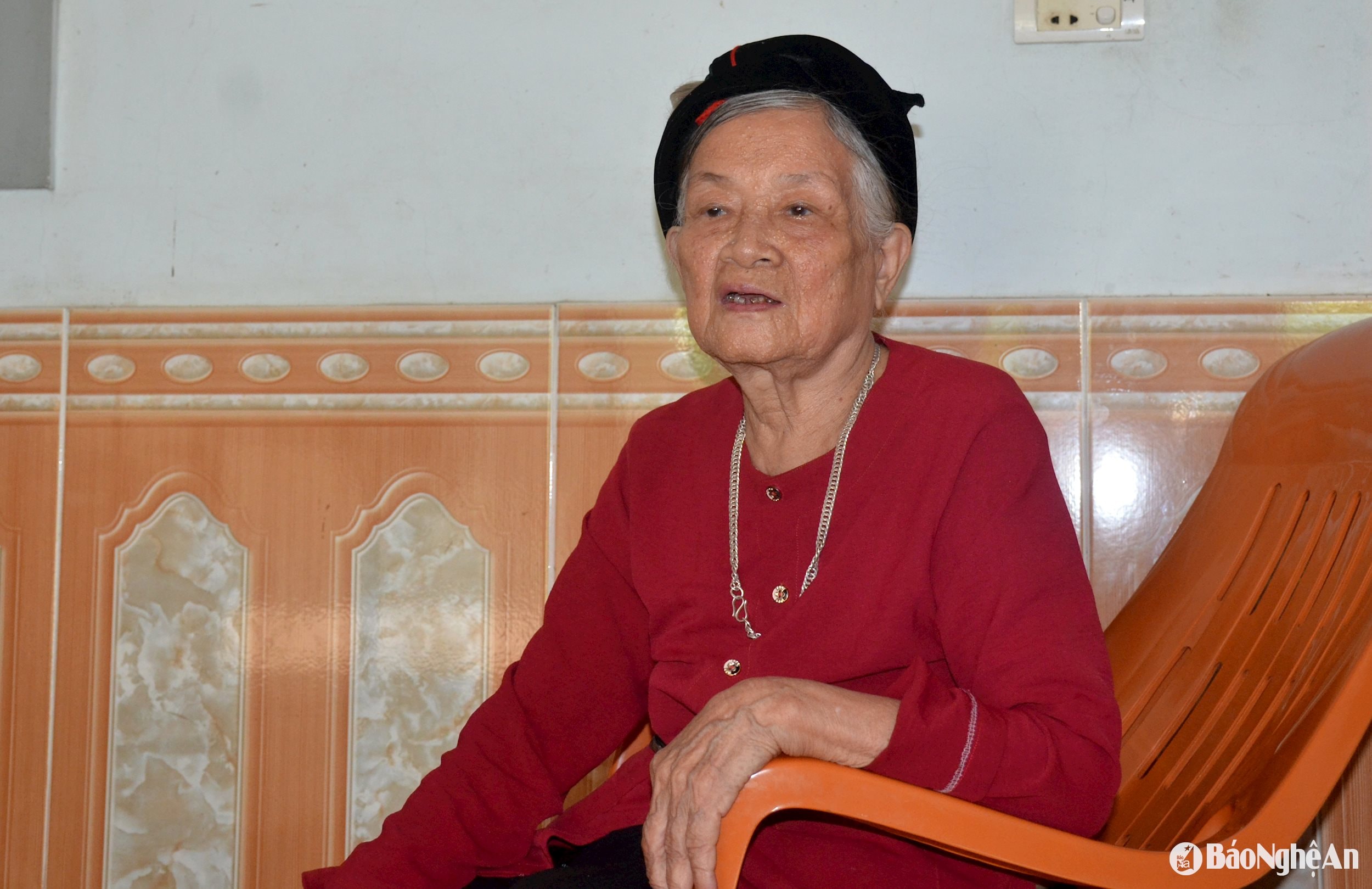
Although she now has "sometimes remembering, sometimes forgetting," Mrs. Nguyen Thi Khoi, 91 years old, residing in Hamlet 8, Tan Son Commune, Do Luong District, can still vividly recount the story of Editor-in-Chief Nguyen Huong – the person whom her family sheltered and helped when the newspaper was evacuated to this area during the war years.
.jpg)
Mrs. Khoi recounted: "Mr. Huong was short and stocky, so the villagers affectionately called him 'Mr. Huong the chubby one.' He was very sharp-witted, yet simple, sociable, and spoke clearly and engagingly. Despite being a leader, Mr. Huong ate simple meals like rice noodles, dried fish, and water spinach soup, just like everyone else. He still cycled to the battlefields to gather information and write articles. Mr. Huong and other officials and reporters often helped the villagers with irrigation, rice harvesting, building shelters, digging trenches to protect against bombs and bullets, and disseminating the Party and State's policies on wartime economics, counter-espionage and security, military service, food and supplies delivery, and cultural and artistic activities..."
During those difficult war years, Nghe An Newspaper gradually matured. The staff and reporters of Nghe An Newspaper were truly revolutionary fighters; present wherever the people and the public needed them; never letting the news flow break; deserving the trust and affection of the people of the province. It was these years that served as the source for Nghe An Party Newspaper to soar to new heights.
Source: https://baonghean.vn/bao-nghe-an-trong-nhung-thang-nam-bom-roi-dan-lua-10299761.html



![[Image] National conference summarizing one year of operation of the overall organizational model of the political system, the three-tiered government model.](https://vphoto.vietnam.vn/thumb/1200x675/vietnam/resource/IMAGE/2026/07/01/1782882811691_ndo_br_1-jpg.webp)