

Users can enter prompts into Copilot, such as " Write a pop song about a family journey," and Suno will bring that idea to life. From a single sentence, Suno will compose a complete song – including lyrics, instruments, and vocals.
To access Suno, simply open the Microsoft Edge browser, visit Copilot.Microsoft.com, sign in with your Microsoft account, and activate the Suno plug-in or click on the Suno logo.
In the blog post, Microsoft believes that the new partnership will open up “creative and exciting horizons ,” enabling anyone to create music .
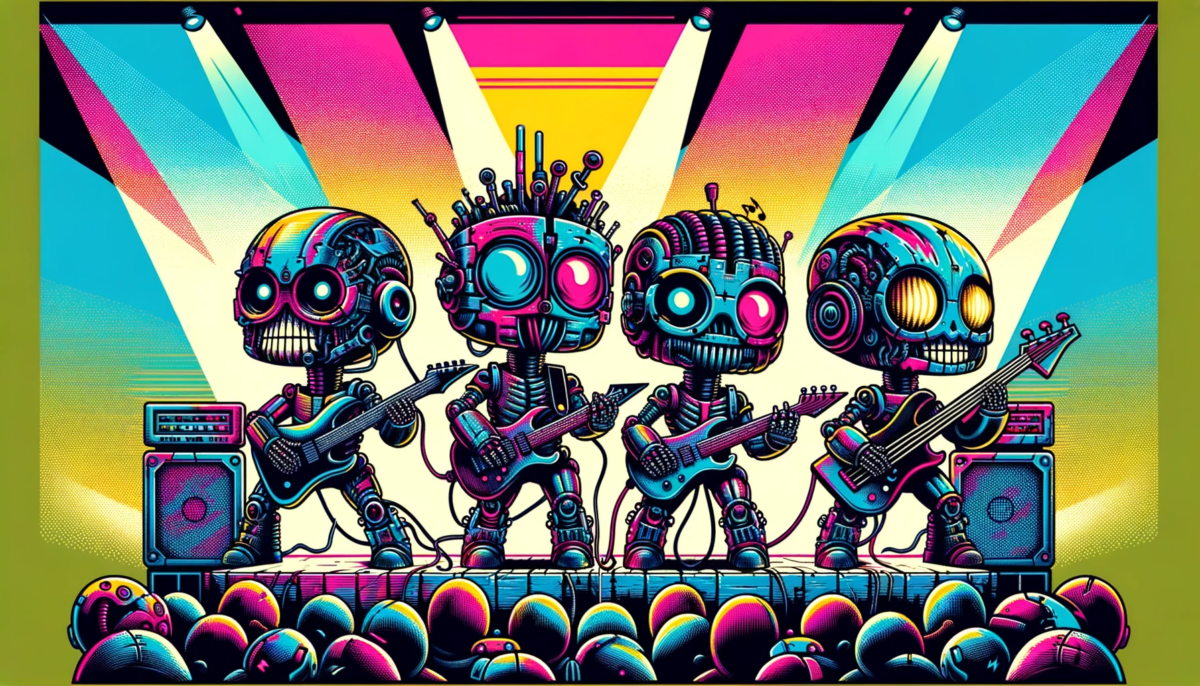
Tech companies, both large and small, are increasing their investment in AI- generated music creation technology (GenAI). In November, Google's DeepMind lab and YouTube collaborated to launch Lyria – a GenAI model for music – and Dream Track – an AI melody generator within YouTube Shorts.
Meta has announced several experiments with AI-powered music composition. Applications and platforms for writing music and effects using prompts have emerged.
However, many ethical and legal issues surrounding AI music have also emerged. The AI algorithm "learns" from existing music to produce similar effects.
The head of audio at the startup Stability AI, GenAI, himself resigned after claiming that AI "exploits authors." The Grammy Awards also completely banned songs composed by AI.
Many GenAI companies argue they are not obligated to pay authors whose works are publicly available, even if they are copyrighted. However, this is a legal area that remains largely unexplored .
For its part, Suno does not disclose the source of its AI training on its website and does not prohibit users from entering prompts requesting the AI to write music in the style of a specific artist, unlike other GenAI music tools.
However, Suno claims that it blocks certain prompts, its model doesn't recognize artist names, and it prohibits users from downloading lyrics of existing songs to create cover versions.
The legal status of AI-generated music may be clarified in the near future. According to a draft by the US Senate, artists have the right to claim redress when their digital imprint – including their musical style – is used without permission.
(According to TechCrunch)

Source


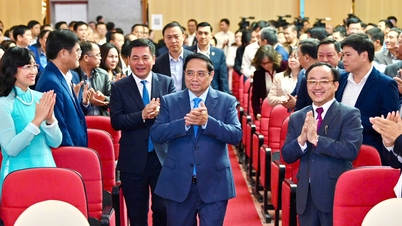
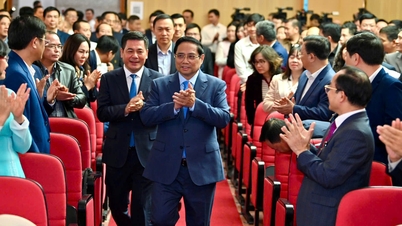
![[Photo] Prime Minister Pham Minh Chinh attends the Conference on the Implementation of Tasks for 2026 of the Industry and Trade Sector](/_next/image?url=https%3A%2F%2Fvphoto.vietnam.vn%2Fthumb%2F1200x675%2Fvietnam%2Fresource%2FIMAGE%2F2025%2F12%2F19%2F1766159500458_ndo_br_shared31-jpg.webp&w=3840&q=75)











































































Comment (0)