

The rapid development of science and technology, including artificial intelligence (AI), is creating urgent demands in the labor market. Especially recently, changes in streamlining organizational structures and mergers have placed new demands on the training and development of vocational skills for young people, workers, and laborers.
Mr. Tran Anh Tuan, Vice Chairman of the Ho Chi Minh City Vocational Education Association and former Standing Deputy Director of the Ho Chi Minh City Center for Human Resource Forecasting and Labor Market Information, believes that the labor market in the coming period will tend to develop in a direction that adapts to the digital transformation process and international integration, leading to a demand for human resources in some key sectors with high technological content. The wave of international labor migration is likely to occupy high-skilled jobs in the domestic labor market…
PV: Recently, we've witnessed many changes in the labor market and employment, with a significant number of workers and young people losing their jobs... How do you view this situation?

Mr. Tran Anh Tuan: This is a difficult issue and also poses a very big challenge. The demand for human resources in the past and present tends to focus on trained personnel to meet the development and shift in the labor market, linked to the requirements of economic restructuring. In addition, the market is focusing on promoting the training of highly skilled personnel, towards modernization and international integration, to meet the needs of socio-economic development – a very large demand.
What challenges does this trend pose for workers in order to meet recruitment requirements, sir?
In the face of changes in the labor market, those with skills closely related to technology will have a significant advantage in finding employment. Conversely, those who do not update their skills, expertise, and improve their soft skills will find it very difficult to find work. Most importantly, the balance between diverse labor supply and demand is still not fully achieved. In reality, there are still many "bottlenecks" causing imbalances in the labor market, with the two biggest paradoxes being the imbalance in occupational structure and skill levels.
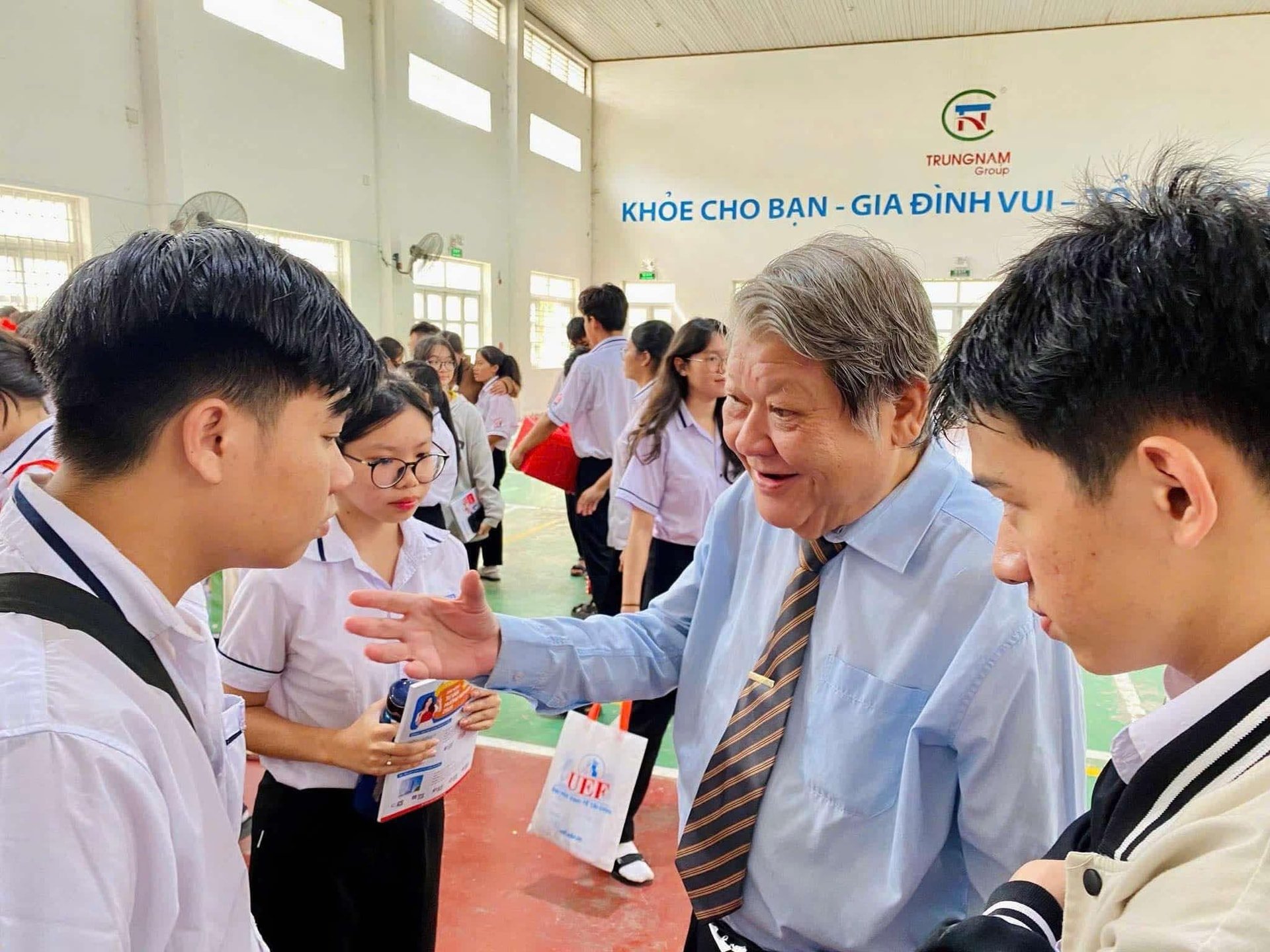
What advice do you have for young workers preparing to enter the labor market?
The labor market urgently needs a professional, high-quality, consistent, dynamic, enthusiastic, and responsible workforce. Professionalism is achieved through a combination of knowledge, experience, and work skills. Therefore, professional workers always know how to establish the most efficient work processes, which is measured not only by the time taken to complete tasks, but also by the effectiveness of their work and their communication with colleagues, customers, and everyone else. Only with a "skilled" perspective in career choices, regardless of the profession, and excellence in that profession will be the decisive factor in achieving success. To achieve this, young workers must have a learning process and achieve good results in their profession to build a solid foundation and open up a future for themselves. For unemployed workers or those needing to change careers, it is necessary to "take shortcuts and seize opportunities," meaning they need to equip themselves with new knowledge and skills to adapt. Furthermore, the issue here is no longer about how many jobs there are for workers, but rather how to prepare the workforce in terms of quality to meet the overall development needs. At the same time, it's crucial to proactively address the challenges ahead and find adaptive development directions in the new context...
Therefore, do workers, young people, and laborers need to innovate their thinking and hone their skills to meet the demands of the current labor market and employment?
The overall outlook for 2025 remains bright, with developments opening up job opportunities for workers. The opportunities and challenges lie in the demand for trained, skilled, and competitive human resources in a changing labor market. Today's job competition is not simply about qualifications, but also about the quality of work, passion, and responsibility. Young workers need to demonstrate strong skills, grasp increasingly diverse new work trends, and apply AI to their work to improve productivity and meet the changing job structure. The application of AI in production, business, and administrative management now and in the coming years will lead to the reduction or elimination of many existing jobs, while many new jobs will emerge, inevitably resulting in personnel changes, in which technology plays a decisive role. In particular, for repetitive jobs where technology can replace the existing skills, the number of replacements will gradually decrease and eventually be maximized, such as accountants, tellers, data entry clerks, customer service representatives, graphic designers, cashiers, and content marketing staff.
Thank you very much, sir!
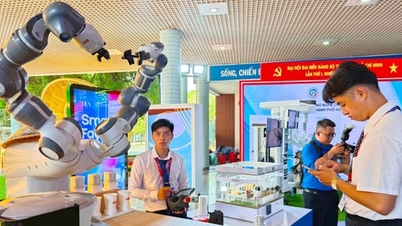
According to Mr. Tran Anh Tuan, the innovations and advancements of the Fourth Industrial Revolution have created automation and robotics technologies that replace human labor. Consequently, low-skilled workers will become redundant if they are not equipped with the ability to apply science and technology and soft skills. Digital human resources must be well-trained, possessing solid professional knowledge and practical skills, strong ethical values, the ability to master technology, creativity, and the capacity to adapt quickly to technological changes in the context of international competition.
Source: https://daidoanket.vn/di-tat-don-dau-de-thich-ung-thi-truong-lao-dong-10301246.html
![[Photo] Prime Minister Pham Minh Chinh receives Lao Minister of Education and Sports Thongsalith Mangnormek](/_next/image?url=https%3A%2F%2Fvphoto.vietnam.vn%2Fthumb%2F1200x675%2Fvietnam%2Fresource%2FIMAGE%2F2025%2F12%2F16%2F1765876834721_dsc-7519-jpg.webp&w=3840&q=75)

![[Image] Leaked images ahead of the 2025 Community Action Awards gala.](/_next/image?url=https%3A%2F%2Fvphoto.vietnam.vn%2Fthumb%2F1200x675%2Fvietnam%2Fresource%2FIMAGE%2F2025%2F12%2F16%2F1765882828720_ndo_br_thiet-ke-chua-co-ten-45-png.webp&w=3840&q=75)
![[Live] 2025 Community Action Awards Gala](/_next/image?url=https%3A%2F%2Fvphoto.vietnam.vn%2Fthumb%2F1200x675%2Fvietnam%2Fresource%2FIMAGE%2F2025%2F12%2F16%2F1765899631650_ndo_tr_z7334013144784-9f9fe10a6d63584c85aff40f2957c250-jpg.webp&w=3840&q=75)
![[Photo] Prime Minister Pham Minh Chinh receives the Governor of Tochigi Province (Japan)](/_next/image?url=https%3A%2F%2Fvphoto.vietnam.vn%2Fthumb%2F1200x675%2Fvietnam%2Fresource%2FIMAGE%2F2025%2F12%2F16%2F1765892133176_dsc-8082-6425-jpg.webp&w=3840&q=75)






















































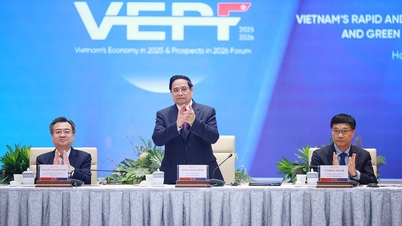
![[Photo] Prime Minister Pham Minh Chinh attends the Vietnam Economic Forum 2025](https://vphoto.vietnam.vn/thumb/402x226/vietnam/resource/IMAGE/2025/12/16/1765893035503_ndo_br_dsc-8043-jpg.webp)

























Comment (0)