Hundreds of hectares of rice paddies, in their prime, should be lush and green, preparing to produce heavy, high-quality grains. However, in Tánh Linh this rice season, that image is gone. Instead, fields of yellowing rice are withered due to lack of water, and the people are heartbroken to see their hard work and assets being gradually consumed by the drought day by day…
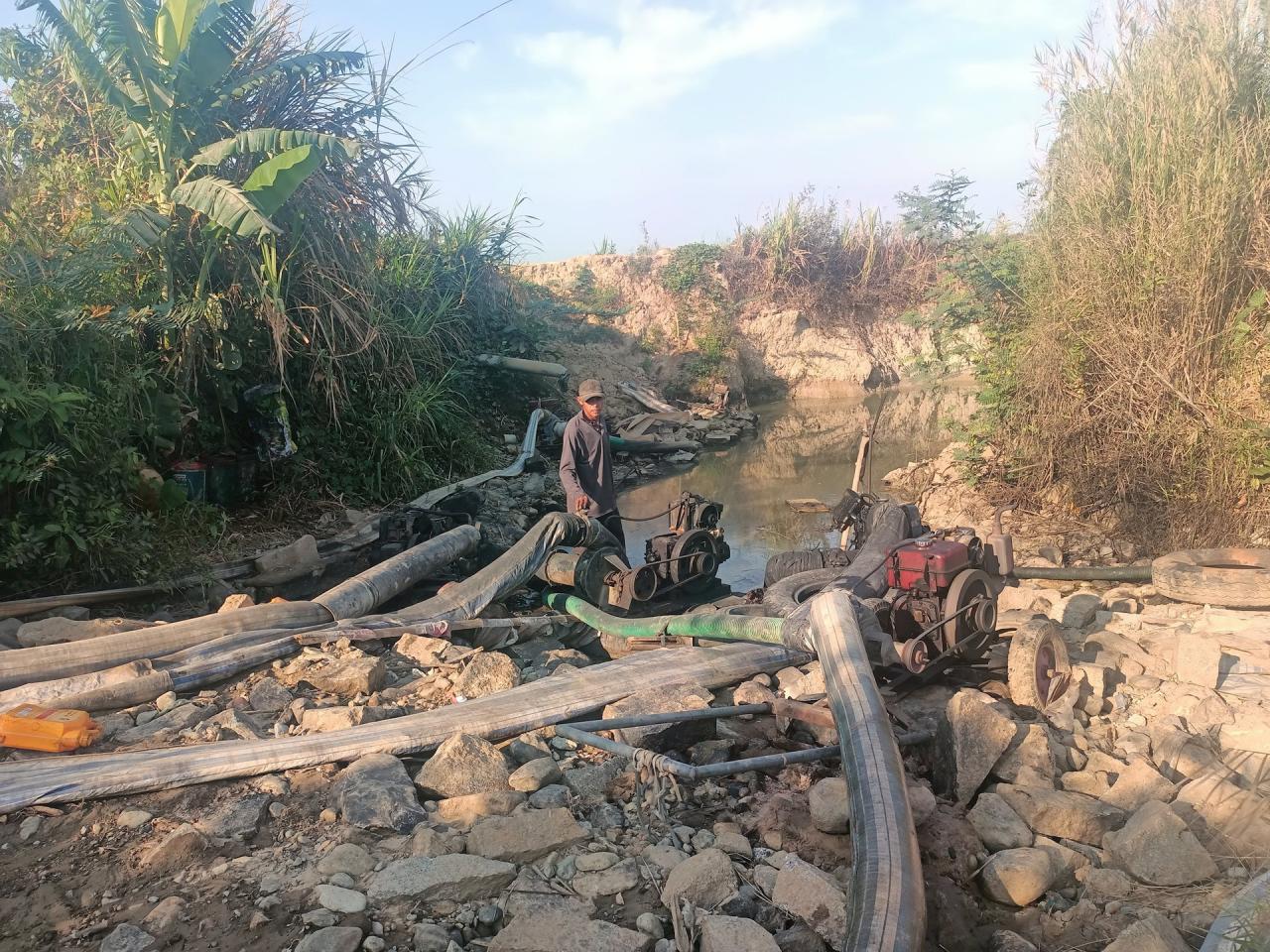
Staying up all night… to save the rice crop.
What is Mr. Son doing?
I'm supposed to be sleeping, what else would I be doing at 8 PM!
When the water comes in, quickly go and channel it into the fields.
Are you kidding or serious, sir? I've been sitting in the field waiting all day and haven't seen any water, and now I'm finally home to sleep and the water's already come.
Seriously, hurry up…
It was a phone call between Mr. Thanh and Mr. Son in Hamlet 1, Dong Kho Commune, whose rice fields were affected by drought and were waiting for irrigation water…
I arrived in Tánh Linh amidst a flurry of phone calls and messages from farmers reporting water shortages for production. Many rice fields, some only 40-50 days old, were experiencing cracked soil and stunted, lifeless plants. At noon, I arrived at the Large Rice Field in Đồng Kho commune. The sun was blazing, yet many farmers sat on the edge of the fields. Striking up a conversation with Mr. Sinh, I asked why he wasn't going home for lunch but instead enduring such hardship, and how this kind of heat could easily cause illness. Wiping the sweat from his forehead, he sadly recounted: "I cultivate 8 hectares of rice, investing a lot of capital, and now, partly due to drought and partly due to water shortage, the rice paddies are cracking. If I don't wait for the water to come, how can I eat well or sleep peacefully?" As he spoke, he pointed to the fields before him; the rice plants, in their prime, were turning yellow and withered, with many patches of cracked soil splitting the rice stalks in two – a heartbreaking sight. Mr. Sinh added: "Now there are fewer people waiting, but in the evening, hundreds of rice farmers sit waiting for water, it's more crowded than going to the market. You'll see how difficult it is for farmers to wait for water..."



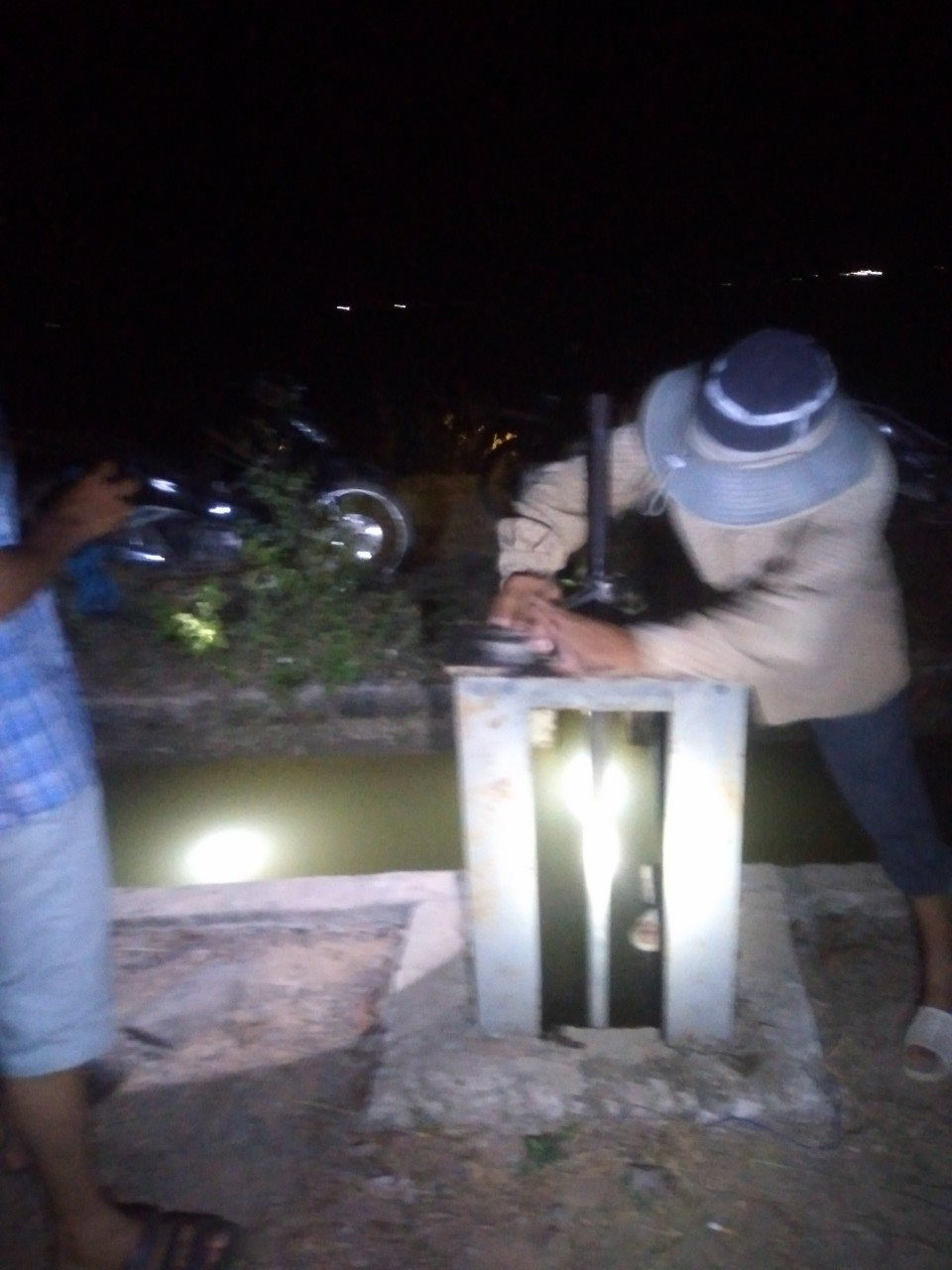
Mr. Binh was adjusting the water pump at around 8 PM.
Following Mr. Sinh's suggestion, at 8 PM, Mr. Trinh Cong Tu – Vice Chairman of the Dong Kho Commune People's Committee, in charge of agriculture – led me to the fields in Hamlet 1. Although I had known about it beforehand, I didn't expect so many people to be in the fields. Flashlights illuminated the entire area. The sound of water pumps echoed across the fields. Mr. Tu said: This year, Dong Kho planted 642 hectares of rice during the winter-spring season, of which 50 hectares in Hamlet 1 are experiencing water shortages, significantly impacting rice growth. Mr. Le Van Binh – Head of the Irrigation Team in Hamlet 1 – stopped adjusting the pump and confided in me: The team has 5 people, managing irrigation for 160 hectares, but this season, due to water shortages, 50 hectares are severely affected, and the predicted rice yield will decrease by 40-50%. In the dim light of the flashlight, I saw his weary face and dark circles under his eyes, so I blurted out: "Have you been staying up late? You look so tired." Oh, we brothers have to take turns working during the day and on night duty, fetching water to the fields to help the villagers, because seeing them struggling while waiting for water is heartbreaking…
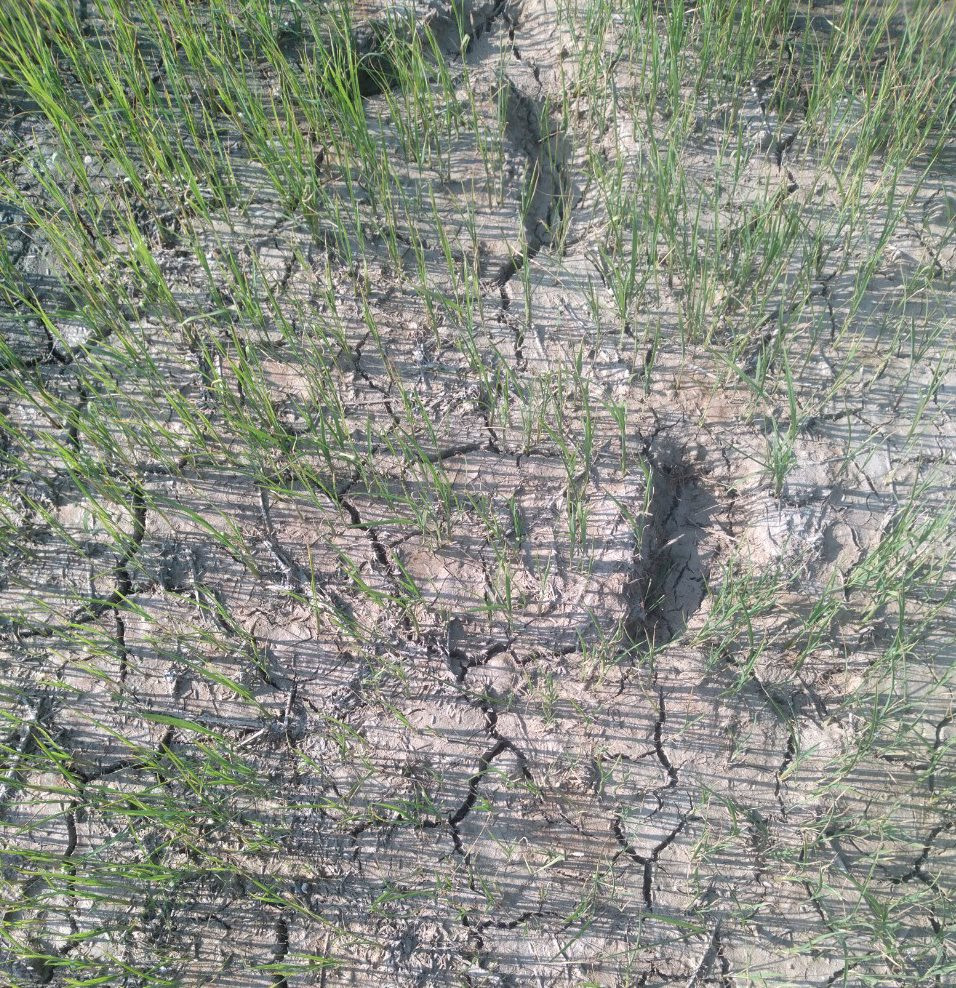
Waiting for the hydroelectric dam to release water.
Dong Kho is considered the rice granary of Tanh Linh, and it is the site of a famous poem:
Sea fish, Dong Kho rice
The people and soldiers of Binh Thuan province ate well and fought victoriously…
Dong Kho is also considered the source of water from the La Nga River, where the Ta Pao spillway is located, with the main canals in the South and North leading water to the south and north of Tanh Linh and Duc Linh districts. But why is there a water shortage? When asked about this, Mr. Nguyen Huu Phuoc, Vice Chairman of the People's Committee of Tanh Linh district, explained: The Da Mi hydropower plant releases water irregularly, resulting in insufficient water flow for irrigation. According to the schedule, water is released into the canal by gravity one week and into the river the next. However, this season, the water level is low, so the release time into the river lasts from 10 to 12 days, and vice versa in the canal. This cycle is prolonged, causing farmers on both sides of the canal to suffer from water shortages.
The next day, I followed the rice paddies from Dong Kho, encompassing the fields of various communes in the district. Along the canals and ponds, I saw farmers setting up water pumps everywhere. Mr. Nguyen Thanh Nuoi, using a pump placed next to a pond to irrigate his 5-hectare rice paddies, shared: "In previous years, this area had plenty of natural water and irrigation water, but this year the irrigation water is scarce, and the severe drought has limited the water supply. We pump for one day and then rest for three days, so the rice is severely lacking water. In Gia An, the rice paddies south and north of the river are already suffering from water shortages. Even the fields planted with mung beans and peanuts are heavily affected. Peanut plants, which are usually quite drought-resistant, are turning bright yellow in some patches – it's heartbreaking to see!" In Duc Phu, the last commune in Tanh Linh district to receive water, I met Mr. Nguyen Van Hoa – Vice Chairman of the Duc Phu Commune People's Committee – and Mr. Nguyen Truong Toan – Director of the Duc Phu Agricultural Service Cooperative – inspecting the La Nga rice fields. Mr. Hoa said: This season, the commune planted 360 hectares, of which the agricultural service cooperative cultivated 170 hectares, but 50 hectares are already suffering from water shortage. Mr. Toan said bitterly: Even in Dong Kho, upstream, there is a water shortage, so it's not surprising that Duc Phu, downstream, is also experiencing water scarcity. It's heartbreaking that the rice is at the stage of preparing to flower, but with the lack of water, how will it have the strength to produce flowers!


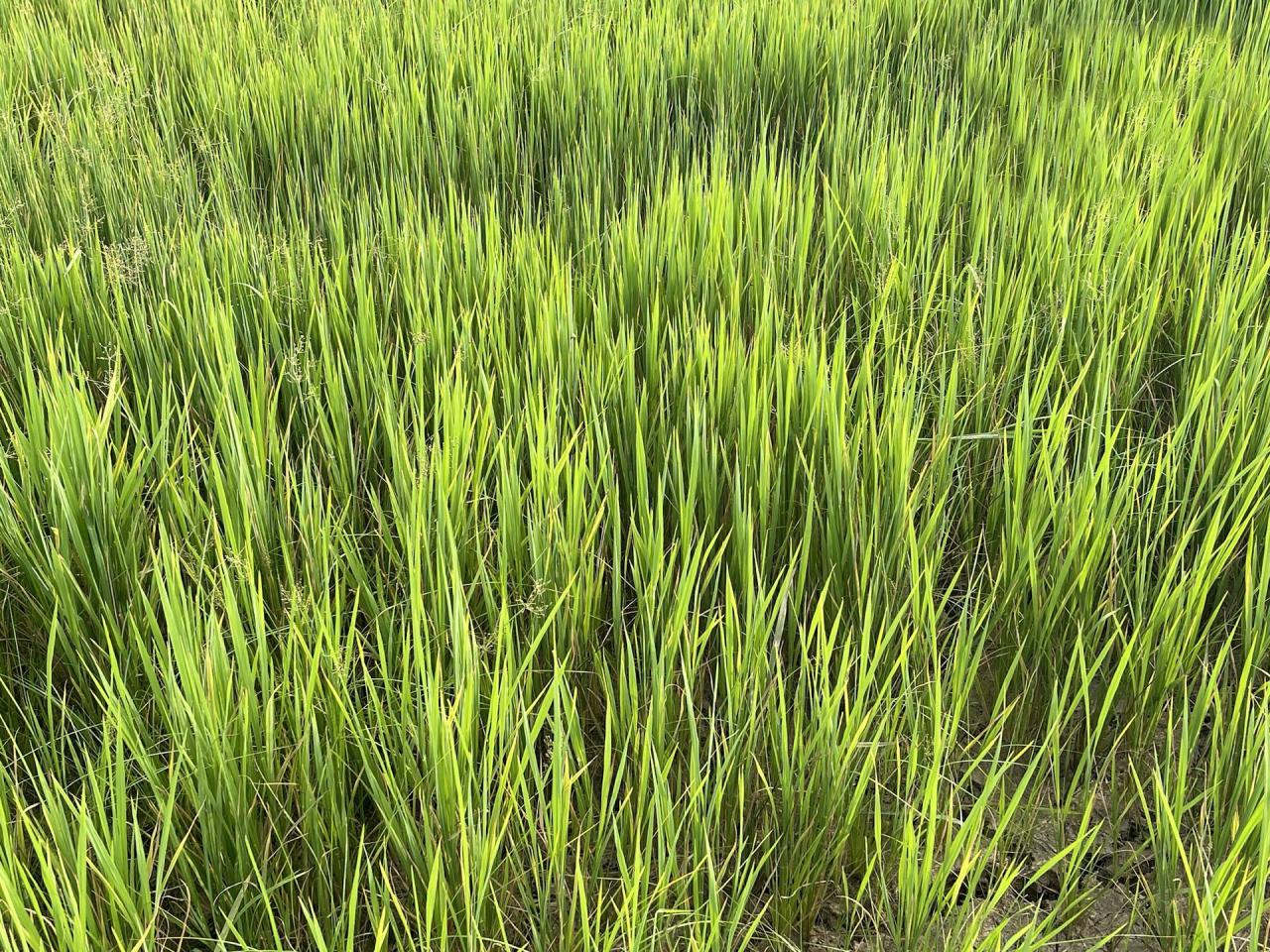
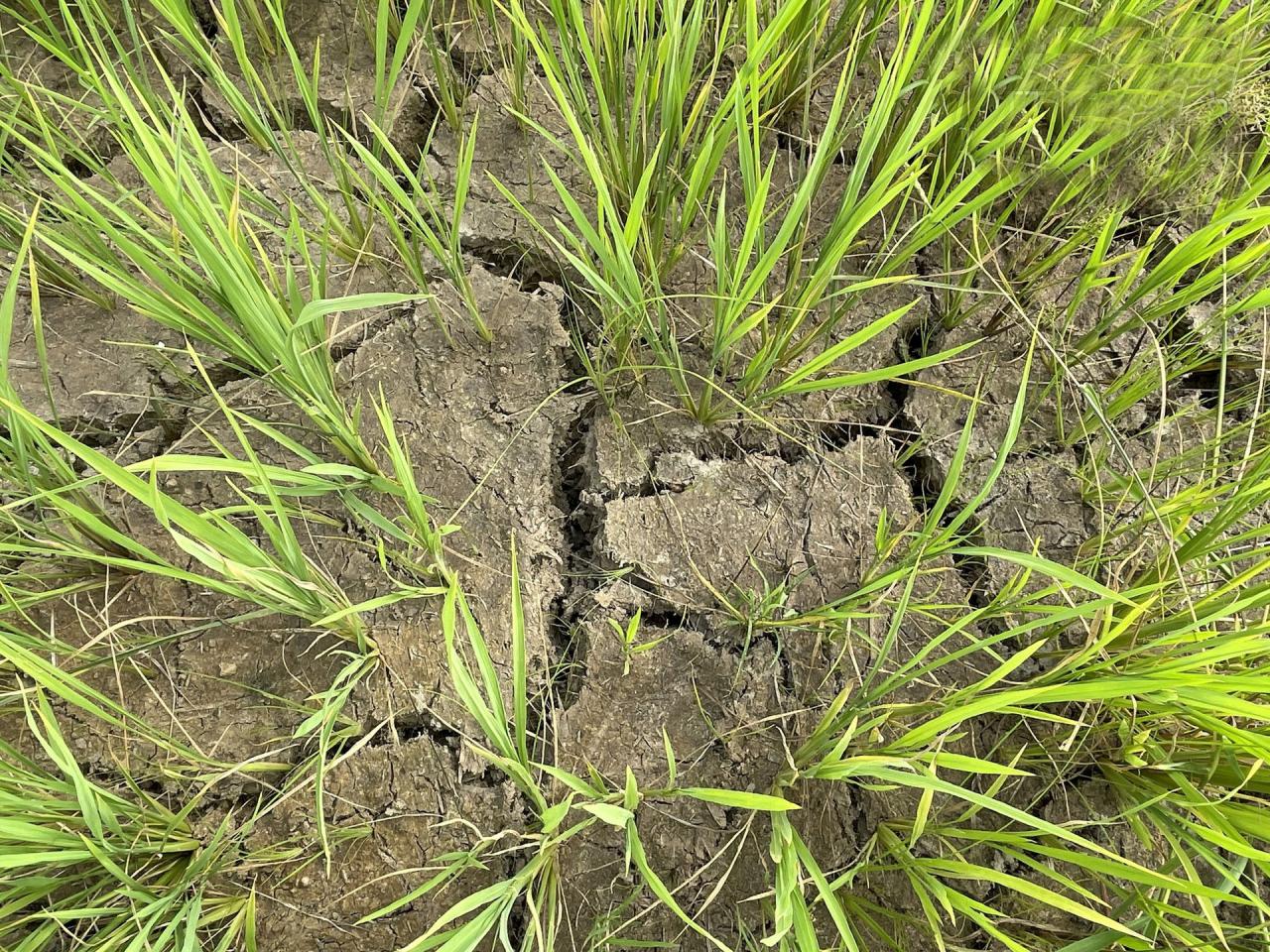
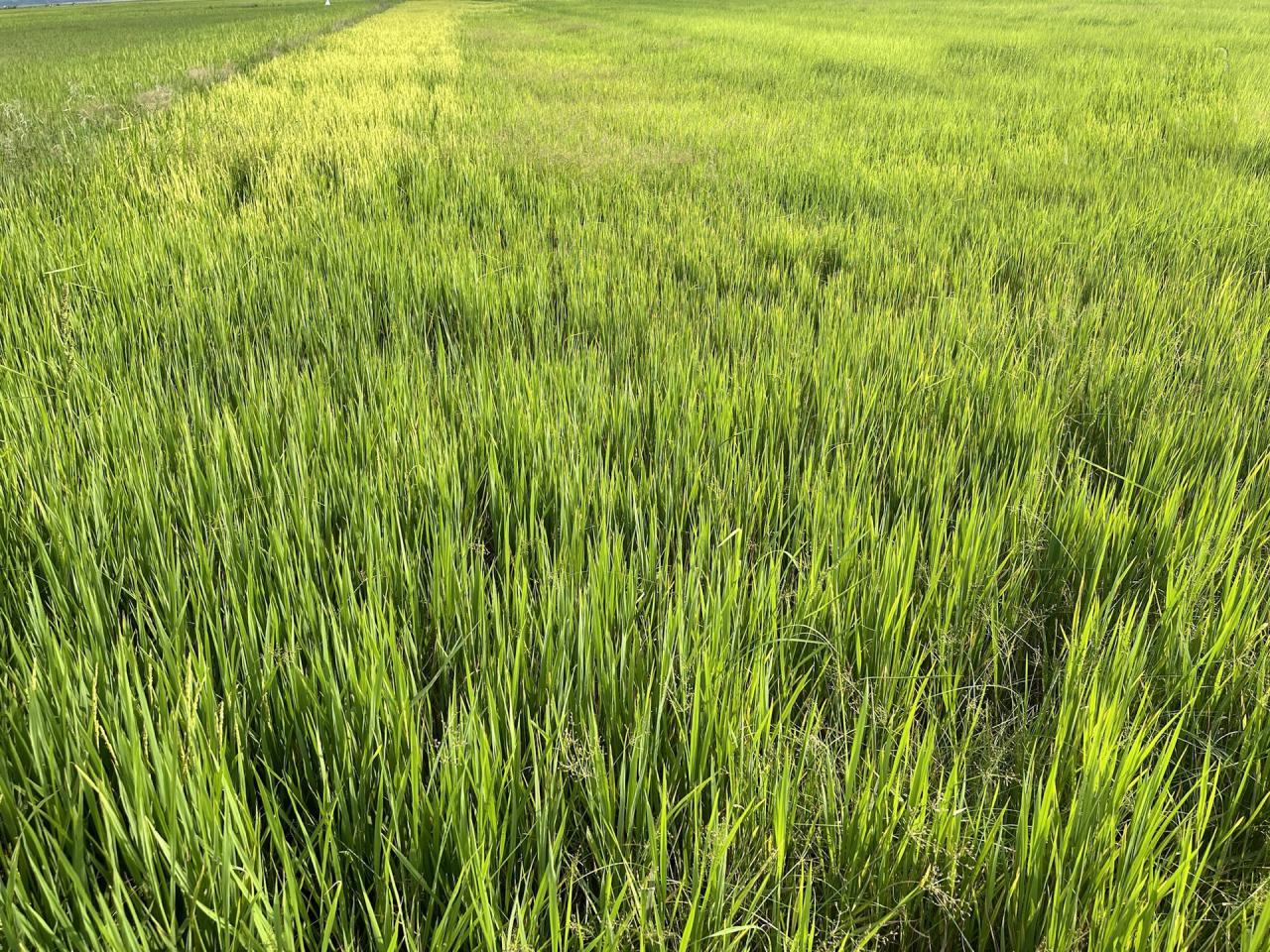
According to the People's Committee of Tánh Linh district, the total area planted with annual crops in the winter-spring season is 11,552 hectares, of which rice accounts for 9,019 hectares. Currently, about 2,000 hectares of early winter-spring rice in Đức Phú, Măng Tố, Bắc Ruộng, Đức Thuận, Lạc Tánh, Huy Khiêm, and Gia An are in the ripening and harvesting stage, while the remaining area is mainly in the heading stage. Water for irrigation in the 2023-2024 winter-spring season is supplied from electric pumping stations and gravity-fed dams covering over 7,382 hectares. However, since the beginning of January 2024, due to prolonged hot weather, the discharge rate of the Ham Thuan - Da Mi hydropower plant has been low, fluctuating around 25-27 m3/s (not in accordance with the agreed-upon rate of 32 m3/s). The low water level of the La Nga River has made it difficult to pump water for irrigation to serve agricultural production in the 2023-2024 winter-spring crop areas in the district. Currently, some areas of the rice fields are experiencing water shortages, with the risk of drought if irrigation water is not supplemented in time. A review of the area shows that approximately 470 hectares are experiencing water shortages, affecting rice plants aged 40-70 days. The duration of the water shortage is about 5-7 days, with some areas experiencing shortages for more than 10 days. Among the rice fields suffering from water shortage, Gia An commune has the largest area with 200 hectares, followed by Duc Phu with 170 hectares, Dong Kho with 50 hectares, and Lac Thanh and Mang To communes with 25 hectares each. Therefore, the district earnestly hopes that the Ham Thuan - Da Mi hydropower plant will release water at the correct flow rate to save the rice crops and help the people…
After a sleepless night with the villagers and two days traveling through the drought-stricken fields, seeing the rice paddies lacking water, I felt a pang of sadness. Somewhere in my ears, the farmers' words still echoed: Thousands of rice farmers place their hopes on the winter-spring crop, because the summer and autumn crops are often plagued by storms and floods, leading to crop failures. If the winter-spring crop has access to water, as our ancestors used to say, "Water is key, fertilizer is second...", then success is guaranteed. But this year, the lack of water seems to mean...
Source