

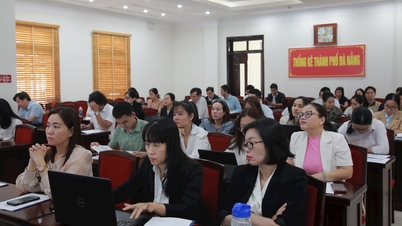
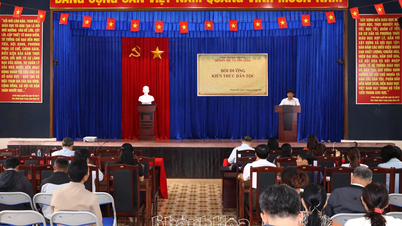
On March 1st, the People's Committee of Dong Nai province organized a conference to implement the Politburo 's resolution on planning, construction, management, and sustainable development of Vietnamese cities until 2030, with a vision to 2045, in Dong Nai province.
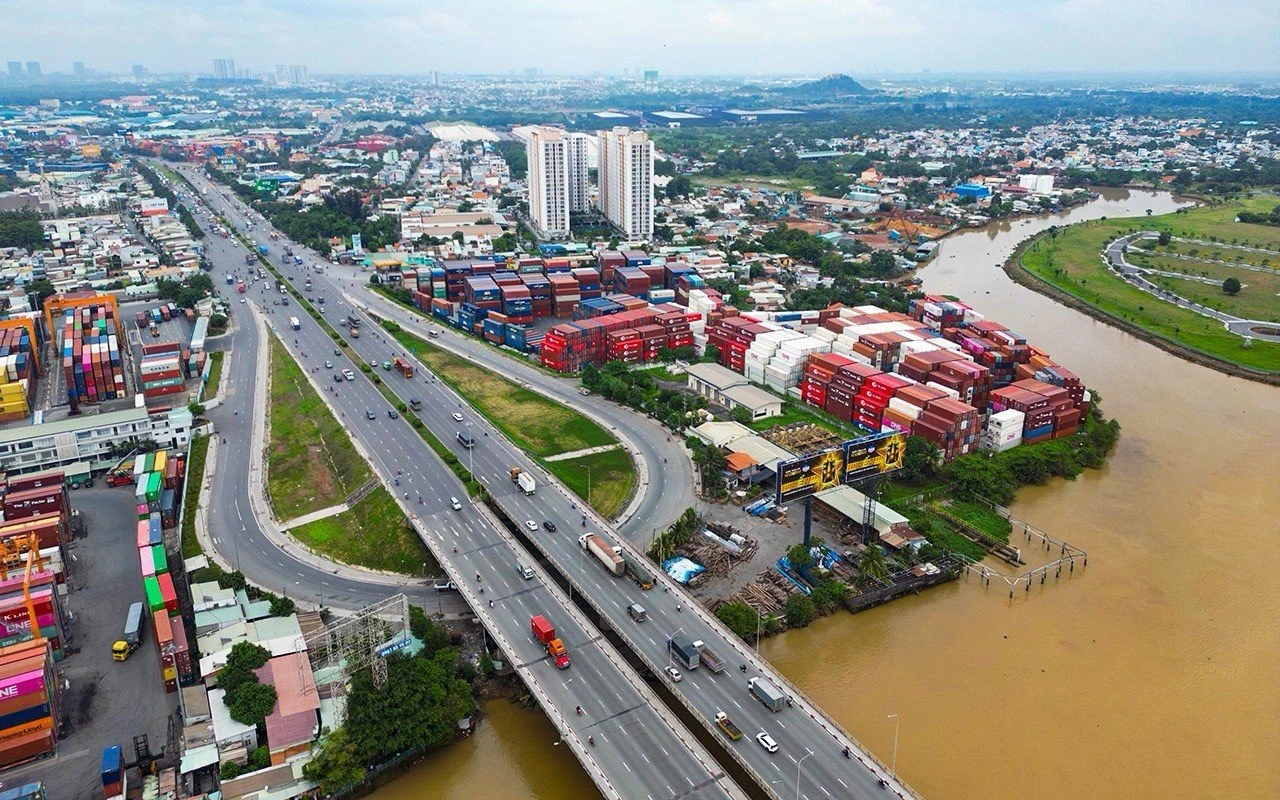
Urban development in Dong Nai will be closely linked to green spaces, large parking lots, and wide roads.
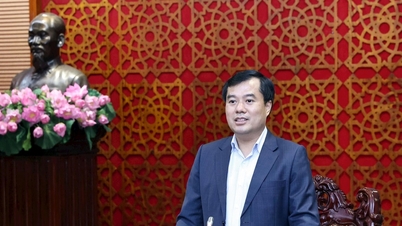
According to Mr. Nguyen Hong Linh, Secretary of the Dong Nai Provincial Party Committee, the Provincial Party Committee has also issued an action program for urban development in Dong Nai province.
This aims to achieve three goals: improving the quality of life for urban residents, increasing the economic value of trade and commerce, and creating connections with the world.
"Urban development must be people-centered and serve the people. The most beautiful areas should be used to create things that best serve the people," Mr. Linh said.
In addition, Mr. Linh also presented eight groups of solutions and 18 issues that need attention. Among them, attention should be paid to planning for the implementation of the next steps.
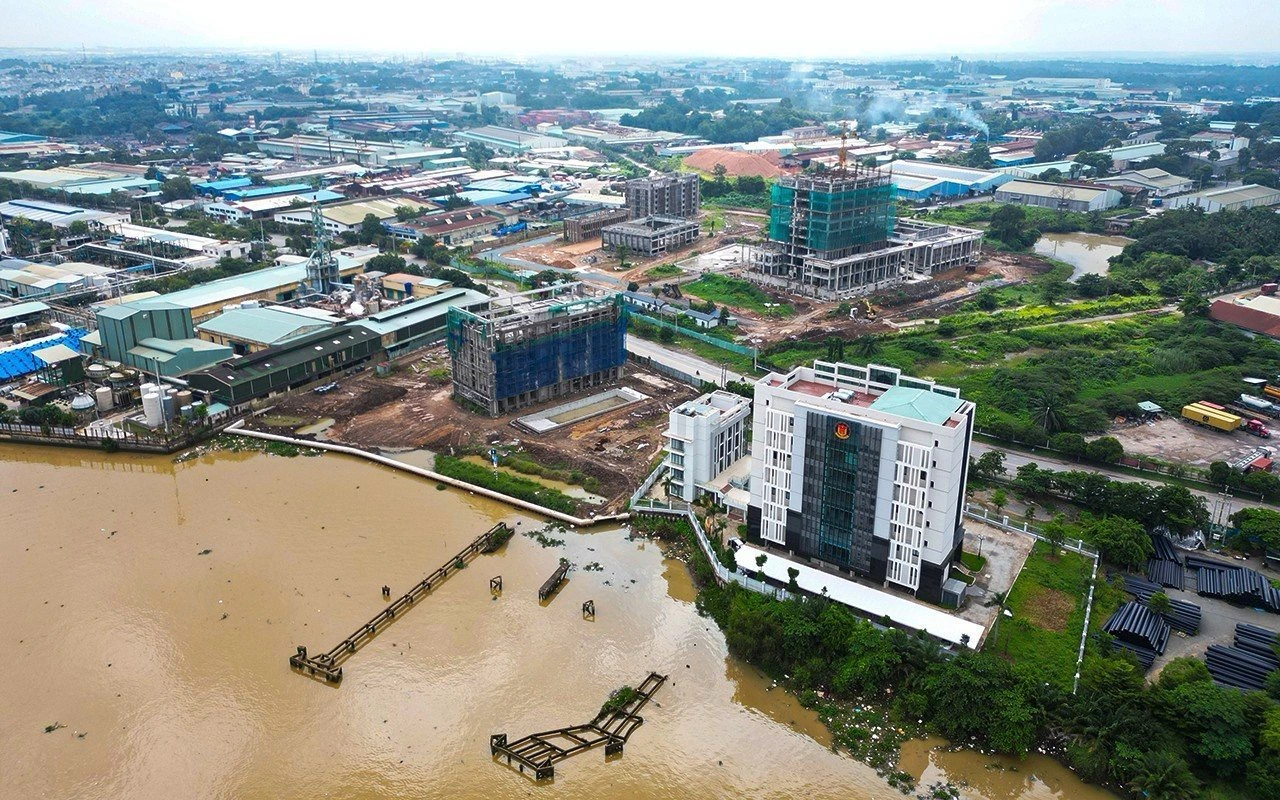
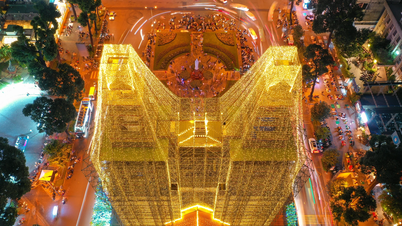
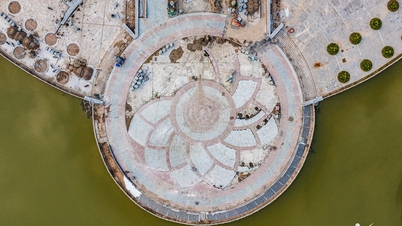
A view of Bien Hoa city, the site where the Dong Nai provincial administrative center is about to be built.
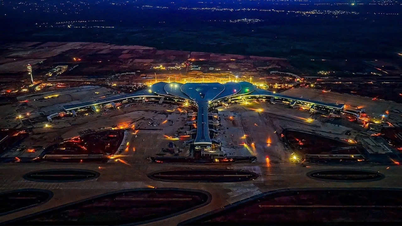
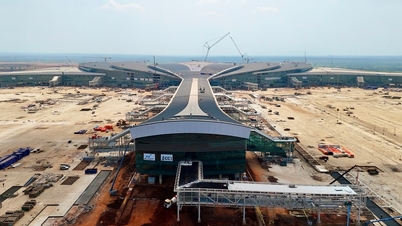
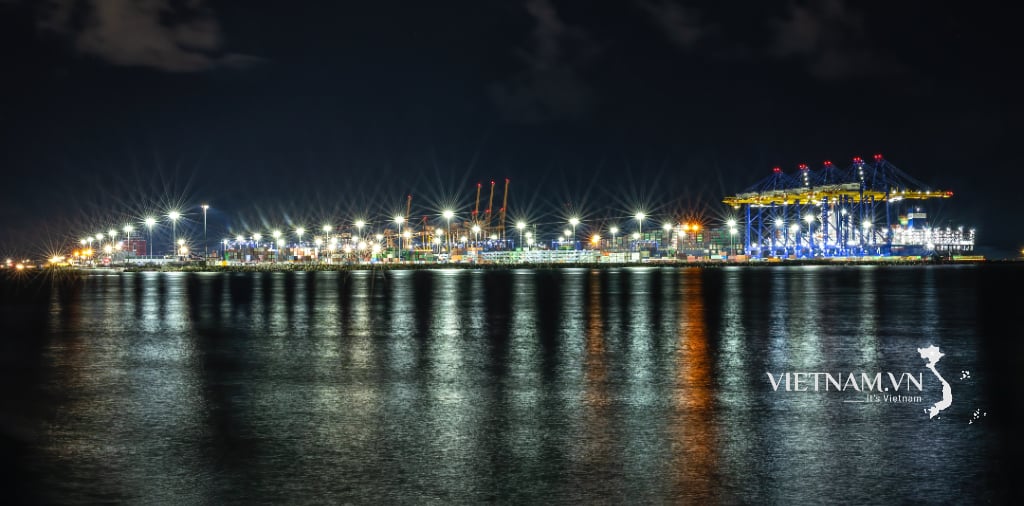
Acting Chairman of the Provincial People's Committee Vo Tan Duc also noted that Dong Nai is a locality that is converging many advantages for development: Long Thanh International Airport, a deep-water seaport system, 33 industrial parks, a diverse highway network, etc.
This is the potential, advantage, and opportunity for the province to develop its socio-economic development space.
"Future urban areas in Dong Nai must achieve '5 'yes's and 5 'no's'. The 5 'yes's include: urban areas with iconic landmarks, green spaces, parking lots, public restrooms, and spacious, beautiful streets."
"The five 'no's' are: a city free of tangled wires, litter, beggars, unsightly street vendors, and messy road digging," Mr. Duc hoped.
According to a report by the Dong Nai Department of Construction, the plan is for Dong Nai to have 17 urban areas by 2030.
Source























































































Comment (0)