

According to Mr. Pham Nguyen Toan, Vice President of Vnrea and Editor-in-Chief of the Vietnam Real Estate e-magazine, the core spirit of Resolution No. 68-NQ/TW is to place private enterprises in the role of strategic partners of the State – jointly creating social development. The new policy does not view enterprises as subjects to be managed, but as entities that accompany, share responsibility, and jointly build the future.
He emphasized: "Private enterprises are no longer excluded from strategic infrastructure projects, but can absolutely become the driving force behind key national projects if entrusted with responsibility and under appropriate mechanisms. This is the consistent spirit of Resolution 68, which encourages the private sector to participate in key areas if it meets the necessary conditions."
Statistics show that after nearly 40 years of reform, the private sector in Vietnam has made remarkable progress, with over 940,000 enterprises and more than 5 million business households, contributing approximately 50% of GDP and creating jobs for over 80% of the country's workforce. This once again affirms that the private sector is the pillar of growth, driving innovation and expanding the national development space.
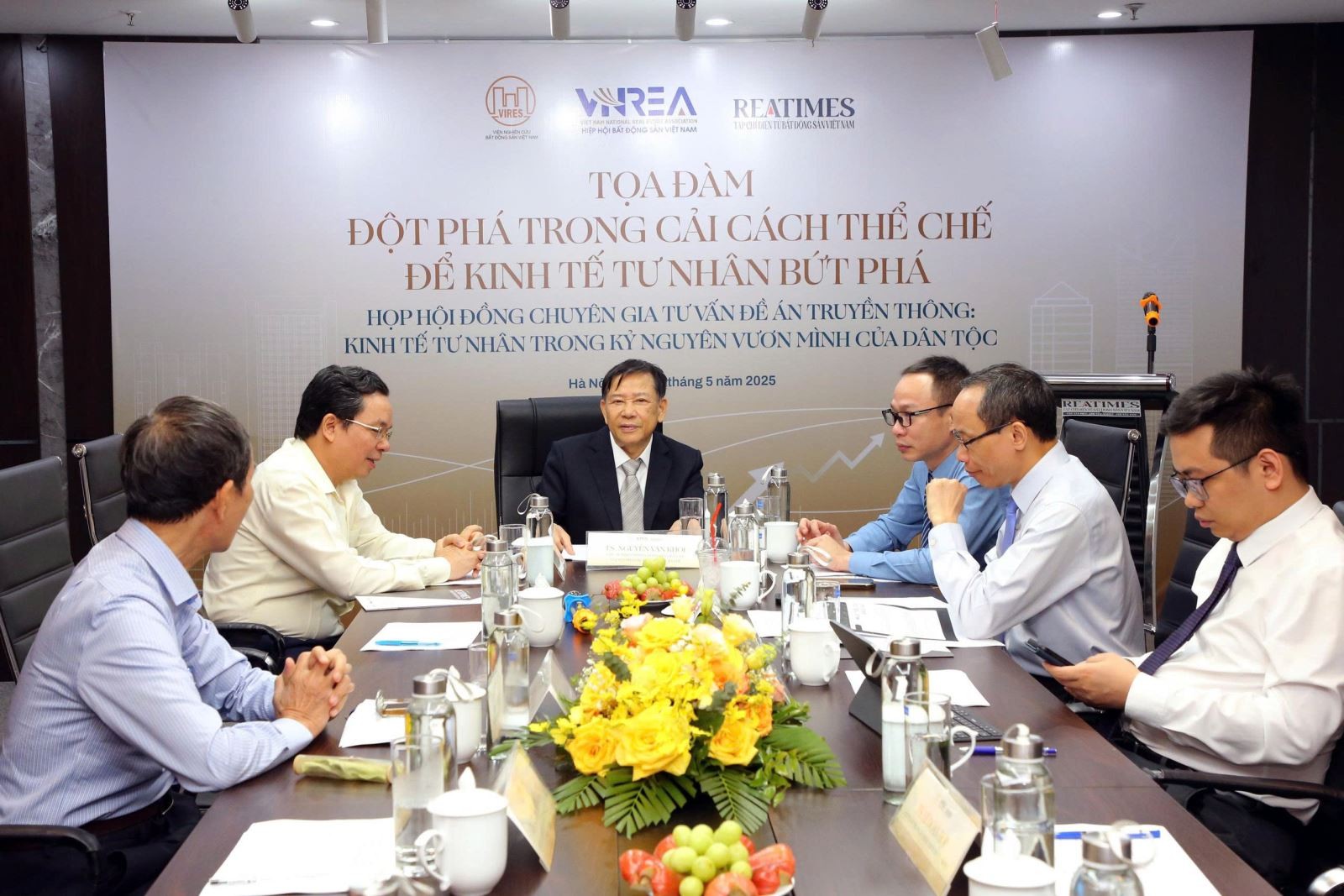 |
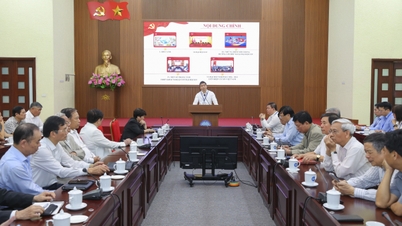
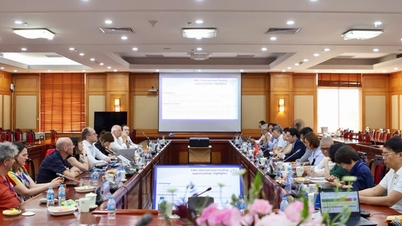
| Seminar: "Breakthroughs in institutional reform to boost the private economy." (Photo: News and Nation Newspaper) |
Here, the issue raised by delegates and experts is how to remove the institutional bottlenecks that have stifled the development of the private economy and private enterprises today, so that the private economy can truly fulfill its historical role as the most important driving force of the economy.
Dr. Nguyen Van Khoi, Chairman of Vnrea, believes that addressing institutional bottlenecks and ensuring the rights of the private sector is a crucial task. Laws such as the Bidding Law and the Investment Law are being amended. However, detailed guiding decrees and circulars are needed. He also emphasized the need to remove administrative procedural obstacles. “ The government has directed a 30% reduction, but we believe there are areas that need even greater cuts, including real estate,” said Dr. Nguyen Van Khoi.
Dr. Can Van Luc, a member of the Prime Minister's Policy Advisory Council and Chief Economist of BIDV, believes that effective implementation of policies and guidelines on private sector development is necessary. He proposed the early issuance of a Decree supporting household businesses in converting into enterprises. Simultaneously, he suggested amending the 2017 Law on Supporting Small and Medium-Sized Enterprises, the 2020 Enterprise Law, and the Bankruptcy Law, moving towards the development of a Private Sector Law.
According to Professor Hoang Van Cuong, a member of the National Assembly's Economic and Financial Committee, Vice Chairman of the State Council of Professors, and a member of the Prime Minister's Policy Advisory Council, removing institutional barriers for the private economy is extremely important. This aims to unlock and maximize national potential. Professor Hoang Van Cuong also noted the importance of domestic resources, especially when FDI flows are affected.
Also at the seminar, delegates focused on discussing and suggesting solutions to remove barriers and thoroughly address bottlenecks in accessing land resources, aiming for the sustainable development of Vietnam's real estate market.
Accordingly, opinions suggest that only by shifting from a "request-and-grant" mindset to a mechanism of "empowerment - protection of rights - accompanying development" can the State unleash social resources, stimulate initiative, and foster legitimate aspirations for wealth creation in each enterprise and each individual. Ensuring property rights, business rights, and fair competition is both an economic issue and a matter of institutionalizing Resolution No. 68-NQ/TW.
Source: https://thoidai.com.vn/dot-pha-the-che-mo-duong-cho-kinh-te-tu-nhan-but-pha-213910.html


![[Photo] Prime Minister Pham Minh Chinh receives the Chinese Ambassador to Vietnam](https://vphoto.vietnam.vn/thumb/1200x675/vietnam/resource/IMAGE/2026/04/05/1775397481797_ndo_br_dsc-5512-jpg.webp)





























































Comment (0)