

An elderly woman shared her story, speaking on behalf of the older generation who are often criticized by younger generations for not helping with childcare.
Over the past decades, the concept of "grandparents' roles" has changed significantly, although misconceptions persist. For example, the idea that grandparents "have a responsibility" to care for and educate their grandchildren.
Nowadays, grandparents live much more modern lives. Some work past retirement age, others travel frequently or participate in recreational and social activities for seniors... In general, they are very different from the past because they don't want to be confined to the home, "being parents for the second time" with their grandchildren.
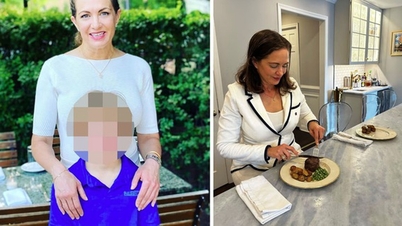
Recently, Marcia Kester Doyle, an elderly woman, shared her story to speak on behalf of the older generation, who are often criticized by younger generations for not helping their children with childcare.
This shows that, no matter the circumstances, we should always put ourselves in other people's shoes to understand their perspective.
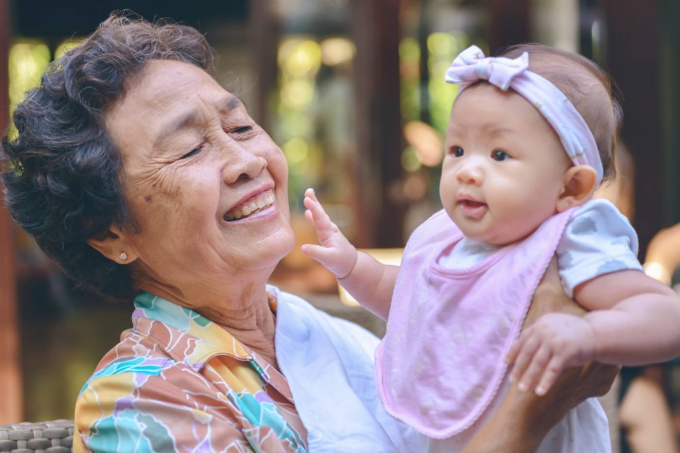
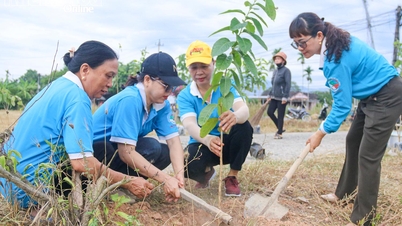
Illustrative image.
"My mother was willing to babysit when my children were young, but my father had other plans. He preferred strolling around town and wasn't willing to sacrifice a quiet evening at a five-star restaurant to stay home and look after the kids for me. My parents' house was like a miniature art museum, with many valuable objects on display that the curious little fingers of the children couldn't distinguish and might mistake for toys."
Unlike my biological father, my in-laws really enjoy taking care of their grandchildren, but unfortunately, they live thousands of kilometers away.
Ultimately, I had to accept the inevitable: My parents were happy to be with their grandchildren, but only if my wife and I were present. In short, they didn't want to have to look after the grandchildren without us there.
Finally, when I questioned why my father wasn't helping with childcare, he asserted that he had fulfilled his parental duties by raising me (and my siblings) and had no obligation to help raise any more grandchildren.
My father admitted that he wasn't comfortable with babies or toddlers because they were too noisy and mischievous. He said he would help discipline them when they were older. My father's explanation was a real relief. The truth is, he loves my children; he's just uncomfortable with the chaos of babysitting when they're young.
Why are many grandparents unwilling to help their children with childcare?
In response to this question, clinical psychologist Barbara Greenberg stated: "Some grandparents may feel resentful about being assigned the role of childcare when they feel it's time to enjoy a period in their lives where they can freely pursue other interests. Others may feel that at their age, caring for young children is too tiring, too much."
This is especially true when dealing with a mischievous or fussy grandchild.
Marcia Kester Doyle continued her story: "I have to confess that when I first became a grandmother, I wasn't ready."
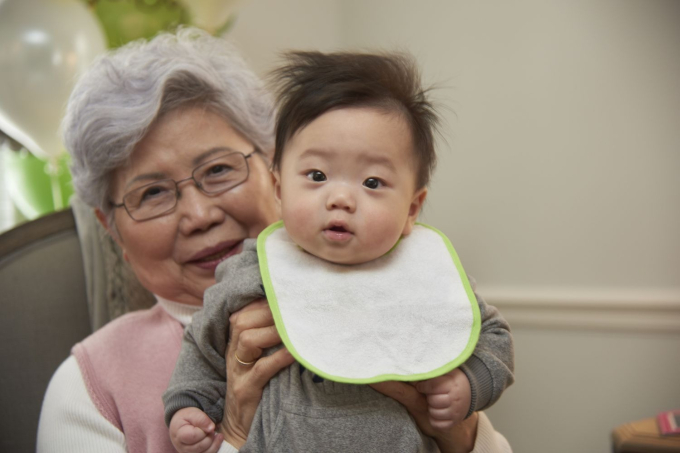
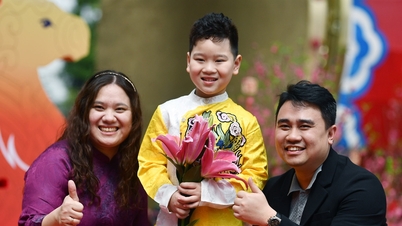
Illustrative image.
In truth, I dreaded the responsibilities of being a grandmother. My daughter lived several hours' drive from my house, so babysitting regularly wasn't an option. But a few years later, when my daughter moved back home permanently, she needed help.
My first instinct was to help in any way I could, besides babysitting. I did this mostly out of fear. My niece was going through a "crisis" at the time. She would cry uncontrollably whenever her mother left the room.
Unable to soothe my grandchild, I felt frustrated and useless as a grandparent, which led to the decision not to help babysit.
But one day, after my granddaughter's third birthday, I spent a few hours alone with her, doing crafts and watching fun toddler videos on YouTube.
She almost always sat on my lap, snuggling up to me, her little arms wrapped around me. We laughed and played together all afternoon.
That special period broke down the fear that prevented me from enjoying happy moments with my grandchild. After that, I was delighted to look after her whenever I could. All grandparents need to do is 're-familiarize' themselves with dealing with crying babies after more than 20 years without caring for a young child.
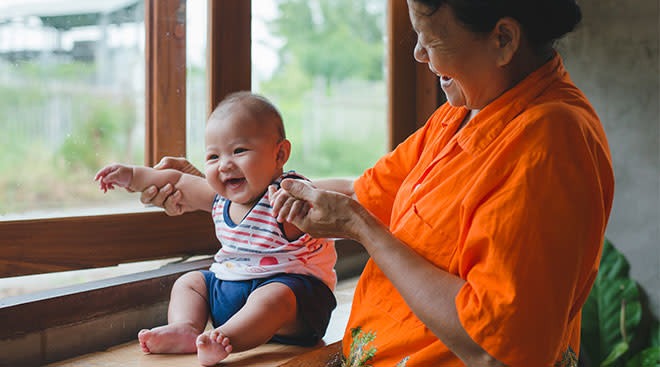
Illustrative image.
Does not helping to babysit mean you don't love your grandchild?
There are many reasons why some grandparents are reluctant to babysit, but one of them is certainly "a lack of love for their grandchildren."
My generation is used to busy schedules and being active in society, so it's a mistake to assume that all grandparents must spend most of their old age looking after their grandchildren.
Even if you have a close relationship with your parents, this doesn't guarantee they will play a positive role in your child's life.
Furthermore, forcing them to babysit can cause resentment and hurt feelings. This is especially true for parents who rarely proactively contact grandparents except when they need help. When grandparents feel unappreciated, they are less likely to be willing to help with childcare.
Another reason grandparents might refuse to care for their grandchildren is due to health reasons, or they may no longer be able to keep up with a hyperactive child. Or they might be dealing with an illness – or even taking medication that makes them tired.
According to psychologist Greenberg, understanding the reasons behind grandparents' reluctance to babysit groups is a delicate balancing act.
She advised, "Approach them, talk calmly, and don't judge." She added, "Avoid comparing them to other grandparents you know 'who might be more enthusiastic about caring for their grandchildren. This will benefit everyone, so resentment and misunderstandings don't become an issue.'"
Ultimately, young people should be "open and honest" about their aspirations and give their parents "time and space to respond," Greenberg said.
You could also consider new ways to involve grandparents in the children's lives by choosing activities they're interested in: children's museums with interactive exhibits, weekly family dinners, movie nights at home, gardening, picnics in the park, or even a family vacation together.
Strengthening family bonds can take time, but it begins with initiating that crucial conversation, finding compromise, and being patient.
Source: https://giadinh.suckhoedoisong.vn/noi-niem-cua-nhung-nguoi-ong-ba-bi-chi-trich-khong-cham-chau-giup-la-khong-thuong-con-chau-dung-bat-chung-toi-phai-lam-cha-me-lan-2-172250108152410382.htm





































































































Comment (0)