

From precious medicinal plants to a new direction for the mountainous region.
Bo Chinh ginseng is a valuable medicinal plant of Vietnam, formerly grown primarily in the central region. In recent years, Thai Nguyen province has embraced the trend of restructuring crop patterns, seeking new directions for sustainable agriculture . On the hilly land of Dong Hy commune, Bo Chinh ginseng has begun to take root and thrive thanks to the mild climate, loose soil, and clean water source.
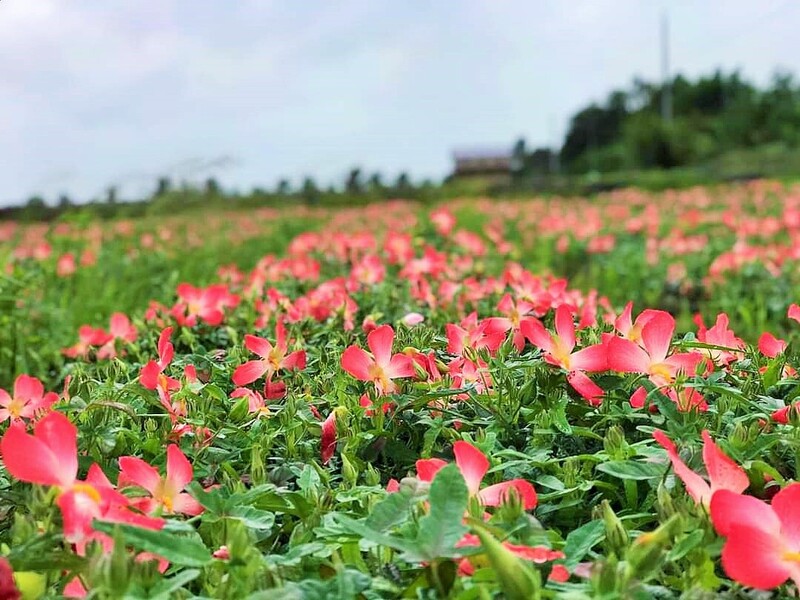
The Bo Chinh ginseng plant began to take root and thrive in Thai Nguyen.
Initially, only a few households experimented with intercropping Bo Chinh ginseng with fruit trees, but the positive results opened up a new direction. The ginseng roots developed evenly, were less susceptible to pests and diseases, and were of good quality, making them popular in the market. The selling price was many times higher than traditional crops such as corn, cassava, or tea, giving people more motivation to expand the cultivated area.
From being a medicinal plant grown only on a small scale, Bo Chinh ginseng has now become one of the new key crops of the commune, creating jobs and stable income for dozens of households in the area.
Furthermore, to improve product quality, in response to the fragmented and uncoordinated nature of production, a young cooperative was established in Minh Tien hamlet, Dong Hy commune, Thai Nguyen province, named Thien Phuc Medicinal Herbs Cooperative. The cooperative brings together dedicated farmers, all working towards the goal of making Bo Chinh ginseng a branded product.
From just a few hectares of experimental cultivation in the beginning, the cooperative has expanded its growing area to nearly 30 hectares, with Bo Chinh ginseng occupying a significant portion. The cooperative proactively collaborates with specialized agencies to receive technical guidance and technology transfer for planting, caring for, and preserving medicinal herbs according to proper procedures.
The cooperative also organizes training courses on seedling propagation techniques, the use of microbial products, biological pest management, and cultivation logkeeping. Members are guided on the harvesting, processing, and drying procedures to ensure the preservation of valuable active ingredients in the ginseng root.
Thanks to the synchronized application of techniques, the productivity and quality of Bo Chinh ginseng have increased significantly, with uniformly sized, large-sized roots, beautiful color, and distinctive flavor. This provides a foundation for the cooperative to move towards building a product that meets OCOP standards and gradually participate in the medicinal herb market both within and outside the province.
Processing – a key step in increasing product value.
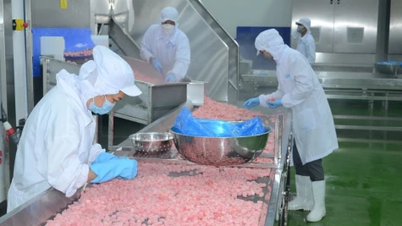
Not content with just growing and selling fresh ginseng, Minh Tien Cooperative has identified processing as a breakthrough step to increase value. The cooperative has invested in a preliminary processing and drying facility using clean energy and is researching new ginseng products such as ginseng extract, ginseng powder, ginseng flower tea, ginseng honey, and Bo Chinh ginseng wine.
Thanks to product diversification, the consumer market has expanded. Minh Tien Bo Chinh ginseng products have been featured at many OCOP booths and trade fairs in the province and the Northern region. The products are packaged, labeled with traceability tags, have attractive packaging designs, and meet food safety and hygiene standards, initially receiving positive feedback from consumers.
The cooperative also proactively connects with medicinal herb processing businesses and distributors in Hanoi and Ho Chi Minh City to build a stable supply chain. Some products are listed on e-commerce platforms, helping to promote the brand and expand the online market – an essential direction in the era of digital transformation in agriculture.
The model of cultivating Bo Chinh ginseng commercially has yielded significant economic benefits. According to the cooperative's calculations, with 1 hectare of Bo Chinh ginseng, after 10-12 months of cultivation, people can earn 400-500 million VND, which is 4-5 times higher than growing tea or short-term forestry crops.
Increased income has led to improved living standards for the people. Many households in the region have not only escaped poverty but have also become relatively well-off. The production of clean medicinal herbs has created stable jobs for local workers, especially women and young people – who previously often had to work far from home.
Along with economic benefits, people's perceptions have also changed: from spontaneous production to standardized production, from "selling what they have" to "producing what the market needs." Participating in cooperatives has provided farmers with systematic guidance on management, marketing, and brand development, things that were previously unfamiliar to farmers in the highlands.
However, for Bo Chinh ginseng to be truly sustainable, many challenges remain to be overcome. First and foremost is investment capital. Growing ginseng requires high costs for seeds, fertilizers, irrigation systems, and care; while small cooperatives still find it difficult to access preferential credit.
Next is the processing and quality control stage. Currently, processed products from Bo Chinh ginseng in Thai Nguyen are mainly on a small scale, using traditional methods, and do not yet meet the conditions for expanding industrial production or export. Standardization and traceability also need to be strengthened to meet the stringent requirements of the market.
Furthermore, marketing and trade promotion have not received adequate investment. Many potentially promising products lack clear communication strategies, resulting in their brands remaining relatively unknown compared to medicinal herb growing areas in other localities.
To overcome these limitations, the government and relevant agencies in Thai Nguyen are implementing many programs to support the development of medicinal plants, including Bo Chinh ginseng. Specialized agencies are guiding the registration of planting area codes, issuing VietGAP certification, promoting the development of OCOP products, and connecting businesses for consumption.
In addition, Minh Tien Cooperative also aims to develop the growing area in a closed-loop chain: from production and processing to trade; while promoting research and application of biotechnology in breeding and caring for ginseng plants to improve productivity and quality.
The new direction the cooperative is pursuing is combining the development of experiential tourism, where visitors can tour, harvest, learn about the processing process, and enjoy ginseng products right on the spot. This is considered a "2-in-1" model: both consuming products locally and promoting the image of the Minh Tien medicinal herb growing area, contributing to linking agriculture with ecotourism.
Bo Chinh ginseng is not only a valuable medicinal herb but also a symbol of the innovative spirit of the people of Dong Hy. From barren hillsides, lush green ginseng beds have now brought hope and new livelihoods to dozens of farming households, helping to improve the lives of people in the mountainous region.
Source: https://congthuong.vn/hop-tac-xa-tre-nang-tam-cay-sam-bo-chinh-429123.html











































































Comment (0)