

Chemical safety is emphasized.
The Chemical Law 2025, passed by the National Assembly in June 2025 and effective from January 1, 2026, pays particular attention to environmental protection and community safety in the development of the chemical industry. Specifically, Article 43 of the Chemical Law 2025 clearly states the responsibilities of organizations and individuals involved in chemical activities in protecting the environment and ensuring community safety.
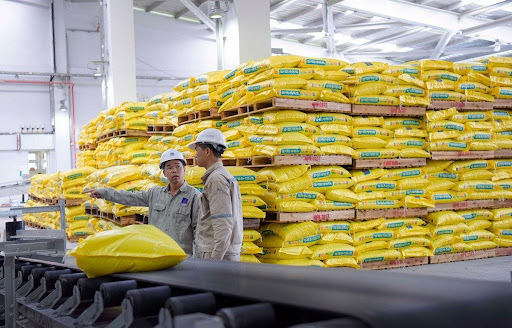
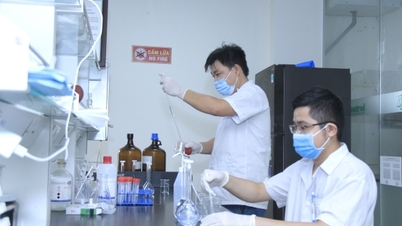
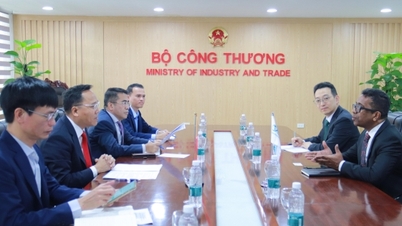
The 2025 Chemical Law emphasizes the issue of chemical security and safety. (Illustrative image)
The content clearly states that organizations and individuals involved in chemical activities are obligated to fully comply with regulations on chemical safety in accordance with the Chemical Law, regulations of the law on environmental protection, occupational safety, and other relevant laws.
Article 44 of the Law on Chemicals stipulates the rights and obligations of organizations and individuals operating chemical facilities in protecting the environment and public safety. Accordingly, organizations and individuals operating chemical facilities have the following rights: Access to information on chemical safety as prescribed by the 2025 Law on Chemicals and other relevant laws; Request chemical facilities to implement measures to protect public health and the environment as prescribed by law; Receive compensation for damages caused by chemical activities as prescribed by law; Report to competent state agencies any organizations or individuals violating regulations on chemical safety; Participate in providing opinions on environmental protection measures and chemical incident prevention and response plans for investment projects involving the production and storage of hazardous chemicals in the locality.
The 2025 Chemical Law also stipulates that organizations and individuals operating chemical facilities have the obligation to promptly report to competent state agencies when they detect violations of regulations on chemical safety. Furthermore, it facilitates the response and remediation of chemical incidents by relevant agencies and organizations, and ensures that incidents are handled and resolved in accordance with the law.
Regarding the responsibility for handling chemicals and products containing toxins of unknown origin; confiscated chemicals and products containing toxins; and the treatment of residual toxins from the war, Article 46 of the 2025 Chemical Law clearly states that provincial People's Committees, in coordination with ministries and ministerial-level agencies, are responsible for: compiling statistics, identifying, and reporting the locations and quantities of chemicals and products containing toxins of unknown origin; and confiscated chemicals and products containing toxins within their jurisdiction.
Develop plans for handling chemicals and products containing toxic substances of unknown origin; and confiscated chemicals and products containing toxic substances. Organize the implementation of these plans for handling chemicals and products containing toxic substances of unknown origin; and confiscated chemicals and products containing toxic substances.
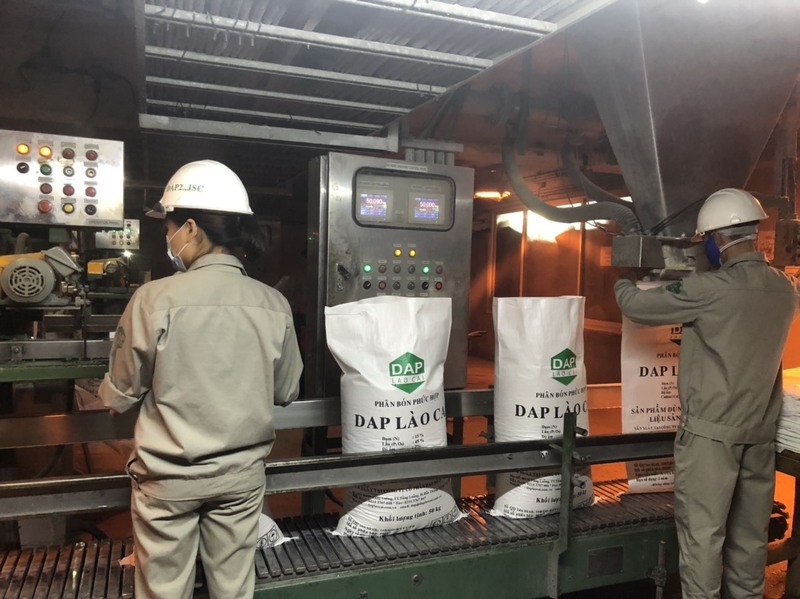
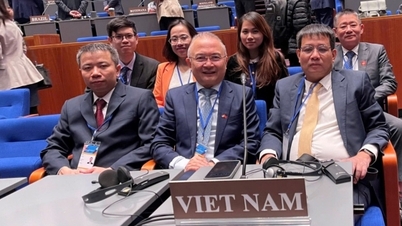
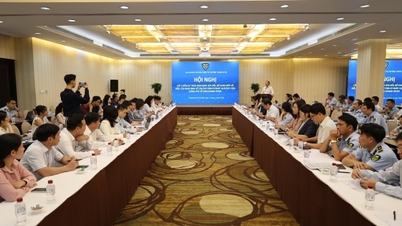
The chemical industry is experiencing rapid growth. (Illustrative image)
Effectively coordinate the enforcement of the Chemical Law.
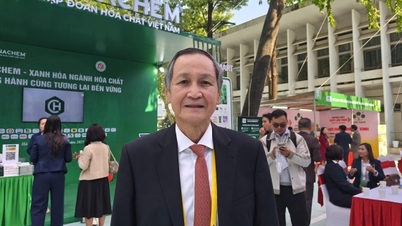
Speaking to a reporter from the Industry and Trade Newspaper, Mr. Do Duy Phi, Chairman of the Vietnam Chemical Society, stated that the 2025 Chemical Law contains many new perspectives compared to the 2007 Chemical Law. Besides identifying the chemical industry as a foundational industry and focusing on building concentrated industrial zones, the 2025 Chemical Law also particularly emphasizes issues related to digital transformation, green chemistry, environmental pollution reduction, and requirements for ensuring security and safety in the chemical sector.
These are the new points that chemical businesses and those involved in the production and trading of chemicals must comply with. In particular, immediately after the amended Chemical Law was promulgated, decrees and circulars were issued to guide its implementation. According to Mr. Do Duy Phi, this is a very important step, creating opportunities for businesses and individuals to have a basis for applying and complying with the law.
The implementation of the 2025 Chemical Law will bring positive development opportunities to Vietnam's chemical industry, especially in the field of chemical security and safety. However, for the law to be effectively implemented, in addition to issuing guiding decrees and circulars, state management agencies, associations, and industry groups also need to coordinate synchronously, organize training courses, and disseminate the contents of the law to the business community and the public, especially the content related to chemical security and safety.
In addition, authorities regularly organize drills related to chemical safety and security, chemical incident handling, etc., to raise awareness among businesses and the public about complying with the law.
Mr. Do Duy Phi - President of the Vietnam Chemical Society: To ensure the 2025 Chemical Law is effectively implemented, the Vietnam Chemical Society regularly organizes activities to disseminate decrees and guiding circulars related to the new Chemical Law. The Vietnam Chemical Society also collaborates with relevant agencies to organize training courses on chemical security and safety, helping businesses improve their awareness and the effectiveness of implementing the Chemical Law.
Source: https://congthuong.vn/huong-toi-xay-dung-nganh-cong-nghiep-hoa-chat-an-toan-434770.html





![[Photo] Two flights successfully landed and took off at Long Thanh Airport.](/_next/image?url=https%3A%2F%2Fvphoto.vietnam.vn%2Fthumb%2F1200x675%2Fvietnam%2Fresource%2FIMAGE%2F2025%2F12%2F15%2F1765808718882_ndo_br_img-8897-resize-5807-jpg.webp&w=3840&q=75)























































































Comment (0)