

Establishing an important legal framework.
According to Mr. Phung Manh Ngoc, Director of the Chemical Department ( Ministry of Industry and Trade ), the Vietnamese chemical industry is entering a development phase based on important legal foundations. Decision 726/QD-TTg, issued on June 16, 2022, approved the Strategy for the Development of the Chemical Industry until 2030, with a vision to 2040. Subsequently, on June 14, 2025, the National Assembly passed Law No. 69/2025/QH15 on Chemicals, creating a complete legal framework to strengthen state management and guide the development of the entire industry in the coming period.
These documents not only clearly establish strategic priorities but also lay the foundation for structural transformation, productivity and quality improvement, and the deeper participation of Vietnamese businesses in global value chains. The chemical industry development strategy also clarifies the view that chemicals are a foundational industry, requiring a combination of expanding scale and deepening production, encouraging the increase of added value of products, developing modern, environmentally friendly technologies, and linking them with green growth, the circular economy , and the digital transformation process.
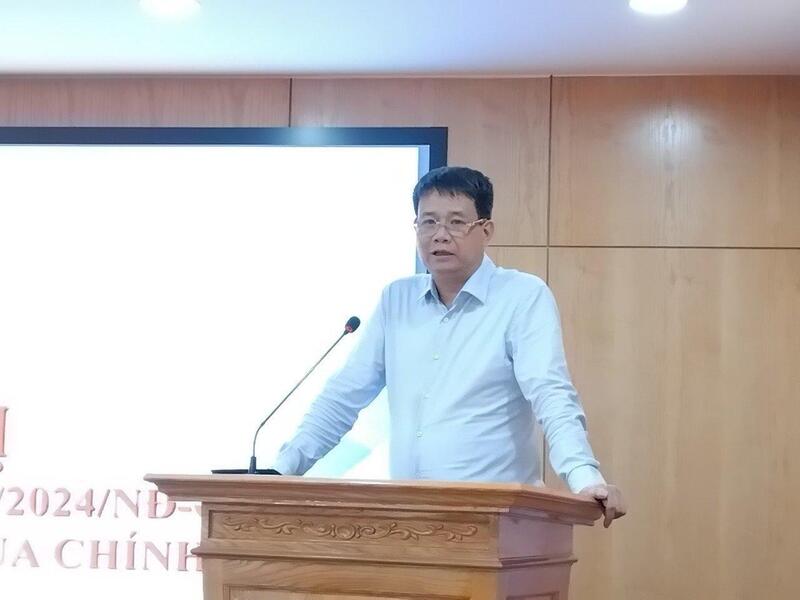
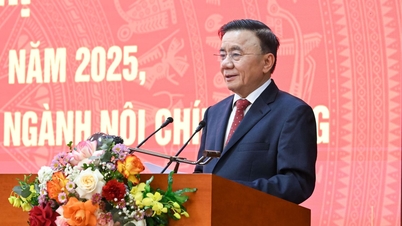
Mr. Phung Manh Ngoc, Director of the Chemical Department (Ministry of Industry and Trade). Photo: TH
From a legal and safety perspective, the Chemical Law No. 69/2025/QH15 has specified the responsibilities of each organization and individual in the entire chemical chain. The refinement of these regulations aims to improve management standards, protect workers and the environment, and help businesses provide transparent information, thereby strengthening the trust of domestic and international markets, creating a basis for enhancing product value, and supporting regulatory agencies in monitoring and promoting the development of the chemical industry.
ESG has become an essential standard.
Mr. Phung Manh Ngoc emphasized that in order to implement the Ministry of Industry and Trade's directive to shift from a mindset of "compliance to meet legal requirements" to "compliance to create a competitive advantage," key tasks need to be implemented in a more substantive manner.
First and foremost, the implementation of the major policies of the Party, the National Assembly , and the Government must be linked to concrete actions aimed at perfecting the regulatory system on safety in the production and trading of chemicals. Developing policies to encourage technological innovation, promote the transfer of clean technologies, and conserve raw materials are considered crucial solutions for reducing production costs in the long term and enhancing product value.
Along with this, there is a need to enhance communication through exhibitions, conferences, and education and training, based on the tripartite linkage model (government - businesses - science). Building a specialized chemical industry database and establishing interconnectedness between agencies, associations, and businesses is considered a key factor in reducing compliance costs, enhancing transparency, facilitating trade, and improving responsiveness in the event of risks or incidents.
" Supporting businesses in improving their management capacity is also given great attention, including perfecting the Health, Safety, and Environment (HSE) system, promoting the application of ESG standards (environmental, social, and governance criteria), organizing training, issuing certifications, as well as encouraging financial support mechanisms, risk insurance, and export incentives. Proactively developing and applying basic standards, national standards, and technical regulations consistent with the GHS system and international standards will contribute to forming a compliance culture within businesses, accompanying the process of brand building and enhancing competitiveness ," said Mr. Phung Manh Ngoc.
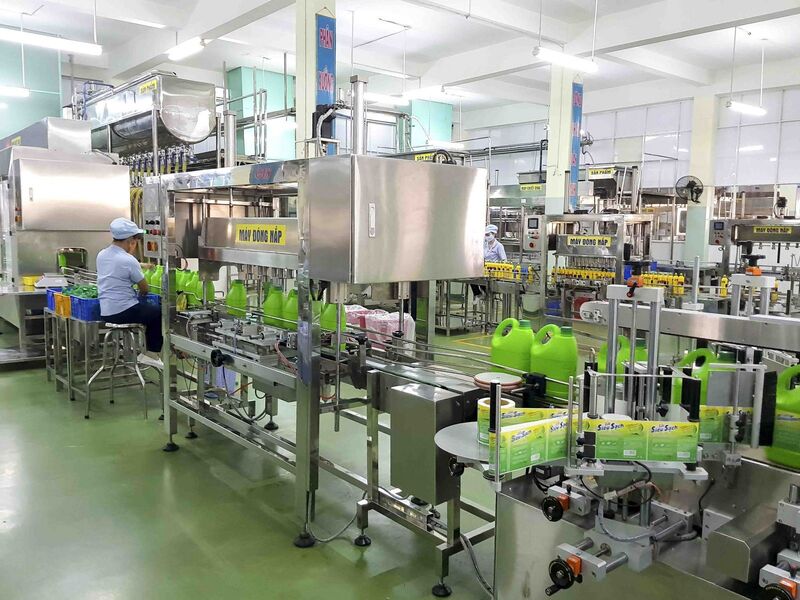
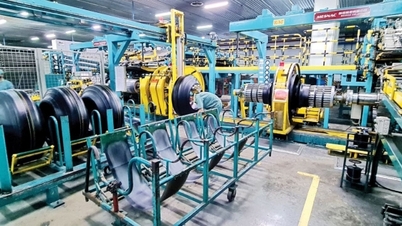
Chemical companies need to meet green criteria to enhance their integration capabilities. (Illustrative image)
In the long-term development strategy, green chemistry, green economy, circular economy, and closed-loop value chains are considered directions for creating sustainable competitive advantages. The global market is shifting strongly towards green and clean production standards, putting increasing pressure on Vietnamese businesses in the materials and chemicals sector to demonstrate their environmental compliance and governance capabilities. Transparency in raw material origin, emission control, and ensuring sustainability standards have become mandatory requirements from many international markets. Therefore, ESG (Engineering, Procurement, and Sustainable Development Goals) is no longer just a trend but has become an essential standard for businesses to retain customers, enhance resilience, and integrate more deeply into the global market.
" When businesses know how to take advantage of the opportunities from the Chemical Industry Development Strategy and the 2025 Chemical Law, combined with decisive action according to ESG standards, the Vietnamese chemical industry will have more important leverage to enhance its competitiveness, in line with the global green transformation trend, and at the same time ensure sustainable development in the new phase, " Mr. Phung Manh Ngoc emphasized.
The application of opportunities from the legal and policy framework, especially the Chemical Industry Development Strategy to 2030, Vision 2040, and the Chemical Law No. 69/2025/QH15, along with the transition to ESG standards, will become important levers to help chemical businesses enhance their competitiveness.
Source: https://congthuong.vn/hoa-hoc-xanh-mo-duong-cho-loi-the-canh-tranh-ben-vung-nganh-hoa-chat-434496.html





































































Comment (0)