

Home in the city
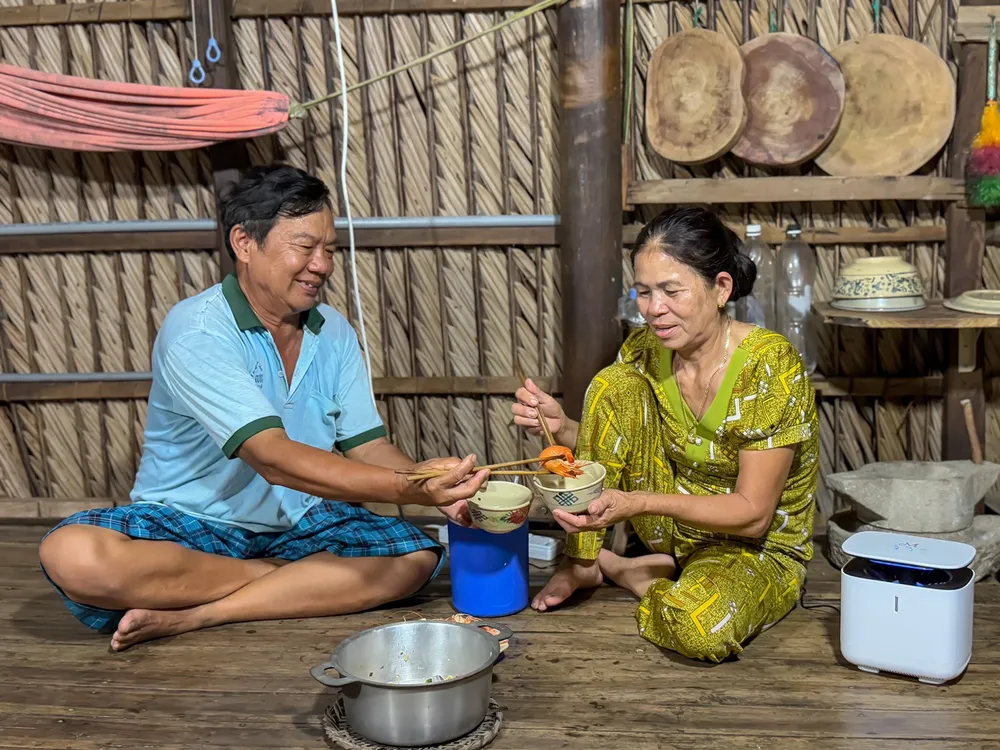
The story of a traditional Vietnamese restaurant with city-style prices has become a focal point of attention on digital platforms in recent days. Many people seek it out, curious about why the prices for such simple, rustic dishes are so high. But some customers are willing to pay to fully enjoy the flavors, which are not just a simple mix of salty and sweet on the tongue, but evoke a whole world of memories and peaceful recollections of their hometown and home from the long years gone by.
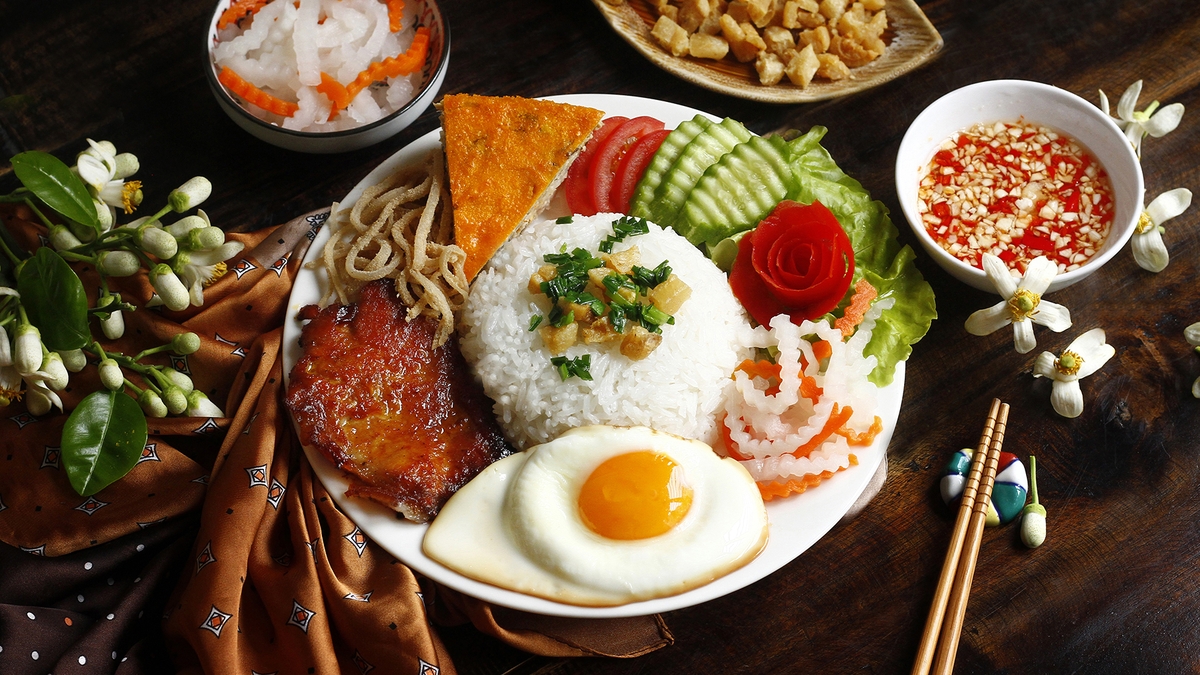
Depending on customer needs, traditional Vietnamese restaurants in the city offer a wide range of prices. Many restaurants, some established for over a decade, position themselves in the high-end dining service segment, yet they only sell familiar home-cooked dishes like braised pork, fried shrimp, and boiled vegetables, prepared simply and still managing to retain customers for many years.
From an expert's perspective, the business equation must go hand in hand with profit, and a convenient location coupled with attentive service is a reasonable explanation for the city-style prices of traditional country meals. But somewhere beyond the sweet, fragrant taste, sometimes people eat with just a glance. Because from the food to the plates, tables, chairs, and space... everything creates a familiar feeling for customers, a feeling that a person might not have experienced in decades, and a spoonful of rice is imbued with the flavors of the past, the meals cooked by their grandmother, mother, or older sister, waiting for the children to come home to eat.
Spending nearly 3 million VND on a meal for 5 people, Ms. Nguyen Hoai Phuong Thu (45 years old, office worker, residing in Tan Phu District, Ho Chi Minh City) shared: “My group of friends and I like to meet at restaurants or cafes with rustic, old-fashioned decor, to rediscover familiar things from our childhood and hometowns. Once, the restaurant displayed a teapot kept warm in a coconut shell; it was so simple, yet it moved the whole group, because it reminded us of our grandparents back home, who used to brew hot tea like that every morning. The price is a bit high, but in return, we get to experience moments of warmth, a touch of home that we've all forgotten about because we're busy with work and studies.”
Familiarity is the foundation of the soul.
Currently, there are even established criteria for building a happy family, but perhaps not many people would enjoy carefully reading those rules, because happiness, by its very nature, has no fixed standard. For a long time, as a default code ingrained in the Vietnamese spirit across generations, a family meal together has been a standard of happiness. A home-cooked meal not only fills a hungry stomach but also nourishes the soul, connecting members of different generations and fostering mutual understanding. In the hustle and bustle of the outside world, people return home for a meal as if to "heal" the wounds and setbacks they may have encountered on their journey to adulthood.
Home-cooked meals aren't about whether they're salty, sweet, delicious, or not; they're about learning to bridge the generation gap, showing consideration, and cherishing every little thing. For many years now, as lifestyles and societal attitudes have changed, some young people have chosen to live independently, renting their own homes even when their families live in the city, yet they never forget the authentic taste of their mother's home cooking.
Tran Minh Trung (26 years old, landscape architect, residing in District 8, Ho Chi Minh City) confided: “I often jokingly tell my sister that since renting my own apartment, my family happiness index has increased. Because if I stay home, I often sleep late, spend too much time on my phone and computer, and my parents scold me. Or if I buy many tech gadgets on my whim, they often scold me for being wasteful and telling me to learn to save money. I've been renting a room for almost 3 years now, but I regularly go home for dinner twice a week. Sometimes my parents may not fully understand the thinking of my generation, but the home-cooked meals are always full of love and delicious flavors that have nurtured me as I've grown.”
In many countries around the world , in Western culture, home-cooked meals seem to be a tradition only for the elderly because their children have left home to live independently, and they rarely even cook because they are used to eating at restaurants or eateries near their homes. But for Eastern people, especially Vietnamese people, the home-cooked meal is ingrained in everyone's consciousness. While all the extravagance and glamour of the outside world may overwhelm them, they are truly moved by the simplicity and sincerity of home-cooked meals.
In the trend of content creation on digital platforms, many young people choose to return to their hometowns, making videos of simple family meals with vegetables grown by their mothers and fish caught by their fathers from the pond... Without unique spices or special recipes, these videos quickly reach millions of views because the images evoke memories in viewers. Home-cooked meals grow with each person; in childhood, they are shared with grandparents and parents; in marriage, they are warm meals shared between husband and wife; and in old age, they are meals of togetherness with children and grandchildren... Or, when inviting someone to a memorial service, people sincerely say: "We invite you to our home for a meal to commemorate the death anniversary of our grandparents."
Source: https://www.sggp.org.vn/huong-vi-tinh-than-post801600.html
![[Photo] National Assembly Chairman Tran Thanh Man working with the Standing Committee of the Law and Justice Committee](https://vphoto.vietnam.vn/thumb/1200x675/vietnam/resource/IMAGE/2026/05/21/1779378929214_ndo_br_1-4610-jpg.webp)


![[Photo] General Secretary and President To Lam presides over a working session with the Central Policy and Strategy Committee on the development of the materials industry.](https://vphoto.vietnam.vn/thumb/1200x675/vietnam/resource/IMAGE/2026/05/21/1779359935432_a3-bnd-3129-1412-jpg.webp)









































































Comment (0)