

Thai Hai Village was awarded the " World's Best Tourist Village" award in 2022 by the World Tourism Organization (UNWTO).
Nestled amidst lush green foliage, the Tay people live peacefully in Thai Hai village (Thai Nguyen province). This area was recently listed by CNN Travel as one of the most beautiful rural areas in the world.
Unique culture
Located more than 70 km from Hanoi , the Thai Hai Ethnic Ecological Stilt House Village Conservation Area (also known as "Thai Hai Village", "Thai Hai Family") is situated in My Hao hamlet, Thinh Duc commune, Thai Nguyen city.
Unlike any other village in Vietnam, in this unique village, small families do not own individual property. People share meals, spend money together, raise their children together, and engage in community tourism. The products each person makes are collected and then used to meet the needs of individuals and the village community. All production activities in Thai Hai are self-sufficient.

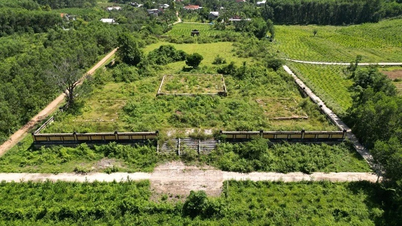
Thai Hai village (Thai Nguyen province) is nestled amidst lush greenery.
According to Ms. Nguyen Thi Thanh Hai, Head of Thai Hai village and Director of the Thai Hai Ethnic Ecological Stilt House Village Conservation Area, each person only does one job. Those skilled in animal husbandry handle animal husbandry, those good at communication handle communication and external relations, and those with experience in traditional medicine continue to practice medicine…
Every day, starting at 5 a.m., after the sound of the gong, families wake up. While the men tend the stoves, light the fires, and sharpen knives in preparation for a day's work, the women go to the village well to fetch water and boil it for tea. After breakfast together, everyone disperses to do their own work. Some gather firewood, plant vegetables, raise chickens and pigs, others fish, some welcome visitors, and children go to school. On the first day of the lunar month, the full moon, or the New Year's Day, the village performs several traditional rituals. All activities in the village, from planting trees and raising livestock to producing bottled water, growing and processing green tea, and brewing rượu (rice wine), are linked to ecology to ensure minimal impact on the environment and maintain a source of clean food for consumption.
All the money earned by the villagers from producing and selling products and hosting tourist groups is deposited into the village's common fund. The village head takes care of all expenses and needs, from personal to essential, such as medical care, children's education (including university and overseas studies). The village head makes all the important decisions for Thai Hai village.
Living in harmony with nature
Nestled along the tree-lined paths are stilt houses. Thai Hai village has 30 stilt houses, each serving a different function and purpose.
"The 'Medicine House' is a home for preserving traditional herbal medicine, responsible for conserving, harvesting, preserving, and providing remedies to treat illnesses for villagers and tourists who wish to purchase the village's traditional medicine."

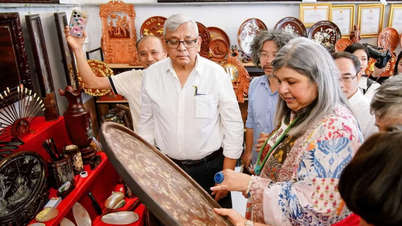
The people of Thai Hai village are busy preparing to welcome guests.
The "wine house" specializes in brewing and preserving traditional ethnic liquor. The "bamboo weaving house" produces household items from bamboo and rattan for the village to use and sell to tourists. Those passionate about exploring cuisine may enjoy the house preserving the culinary culture and traditional cakes of the Tay ethnic group... Particularly, the house considered the soul of Thai Hai village is the house preserving the Tay people's Then singing culture. All 30 traditional Tay stilt houses were moved from the revolutionary ATK Dinh Hoa area, with ages ranging from a few decades to nearly 100 years.
Visitors to Thai Hai are welcomed by the locals as if they were family returning home. Upon arriving at the village entrance, guests will turn to the village well to wash their faces, hands, and feet. The village well has a crystal-clear spring, surrounded by pebbles, and is believed to be a place where the life force of heaven and earth converges, providing water for the entire village. The villagers believe that being cleansed by the village well water will purify the soul and free them from bad luck and misfortune.
The Tay people are very hospitable. At the entrance to their village, there is always a wooden gong and a fence separating it from the outside. Upon arrival, guests strike the gong with a stick or pole. The sound of the gong echoes throughout the village, letting the villagers know that the wine houses are preparing wine and the tea houses are preparing tea to welcome their esteemed guests.
Experience the difference
The unique character of Thai Hai village stems from the determination of its leader, Nguyen Thi Thanh Hai. Twenty years ago, heartbroken by the sight of many Tay ethnic minority people abandoning their traditional stilt houses in favor of brick and cement houses, Ms. Nguyen Thi Thanh Hai mortgaged her house and property in Song Cong City to buy land in Thinh Duc to plant trees and create a place to preserve the traditional stilt houses of the Tay ethnic group.
Ms. Hai also bought up stilt houses, hired workers to transport them to Thinh Duc, and rebuilt them according to the original design. By the end of 2003, nearly 30 ancient stilt houses, following the traditional structure of the Tay ethnic group in general and the Tay ethnic group in the ATK Dinh Hoa region in particular, had been brought to Thinh Duc. Not only preserving the house frames, Ms. Hai hoped to preserve the soul of these stilt houses – the daily life, cultural traditions, and working lives of the people.
Initially, Thai Hai village was established not for tourism development but to preserve traditional culture. However, the beautiful scenery and delicious food in Thai Hai have attracted many tourists to experience and explore. In 2014, the village was officially recognized as a tourist destination of Thai Nguyen province by the Department of Culture, Sports and Tourism.
Thai Hai has three main products to showcase to tourists: stilt house architecture, cuisine, and the traditional culture of the Tay ethnic group. The tangible cultural heritage includes 30 ancient stilt houses, household items such as rice mills, water-powered rice mortars, wooden serving trays, baskets, and woven bamboo containers for storing belongings. In addition, there are traditional costumes, herbal medicines, and various local foods such as banh chung (sticky rice cake), banh gai (thorny rice cake), che lam (sweet rice cake), smoked meat, and traditionally distilled rice wine.
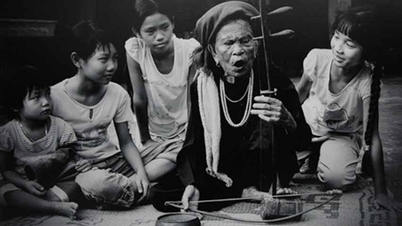
Intangible cultural heritage is highly valued in Thai Hai, especially the language. In this village, all members communicate with each other in their ethnic language, practicing and passing down traditional folk songs and musical instruments daily, preserving family traditions. Particularly, the beautiful cultural and spiritual traditions such as the Long Tong festival, longevity celebrations, the worship of the goddess of childbirth, and ancestor worship rituals are maintained.
The village head of Thanh Hai shared that the village hopes to receive investment and support from Thai Nguyen province, cooperation from entrepreneurs, sharing from the community, and affection from tourists for Thai Hai.
(According to 24h, February 7, 2024)
Source

































































Comment (0)