Could Chernobyl's strange black fungus be resistant to radiation?
The fungus Cladosporium sphaerospermum survived and thrived in the extreme radiation environment of Chernobyl, posing many mysteries for scientists.
Báo Khoa học và Đời sống•14/12/2025
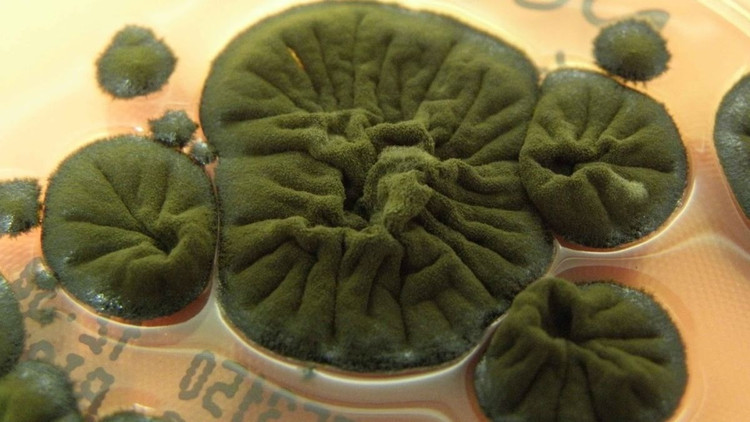
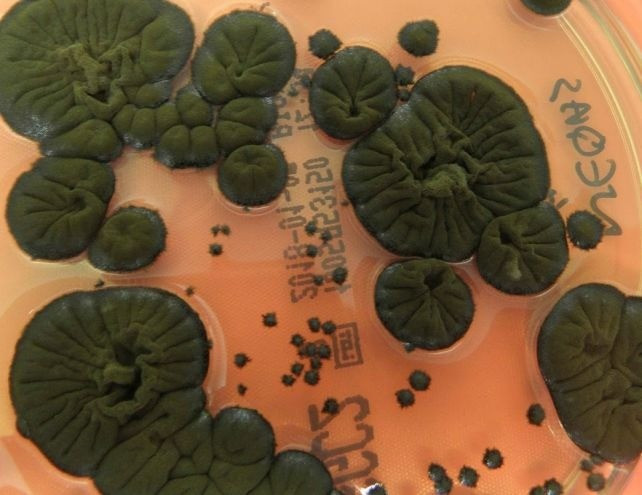
The Chernobyl disaster occurred on April 26, 1986, when reactor number 4 of the Chernobyl Nuclear Power Plant unexpectedly exploded, causing a fire that lasted for days. Authorities evacuated millions of people in the affected area and established a 30-kilometer exclusion zone to restrict human contact. Photo: Rui Tomé/Atlas of Mycology. In the late 1990s, scientists inspected the interior of the Chernobyl reactor and made a surprising discovery. The survey revealed 37 different types of black mold covering the ceilings, walls, and even metal surfaces. Photo: Rui Tomé/Atlas of Mycology.
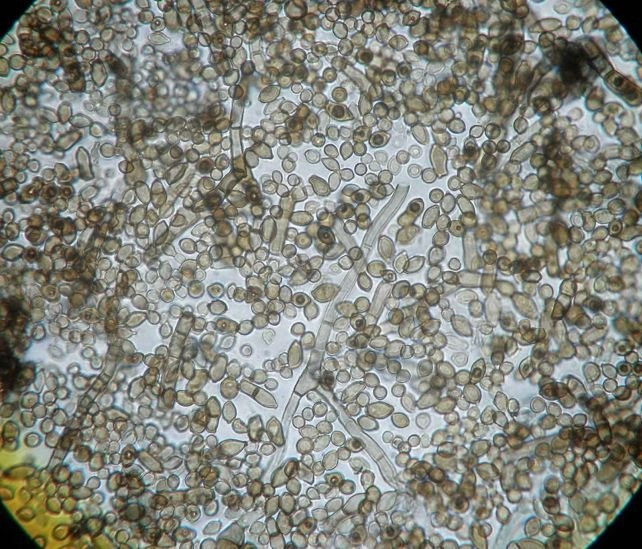
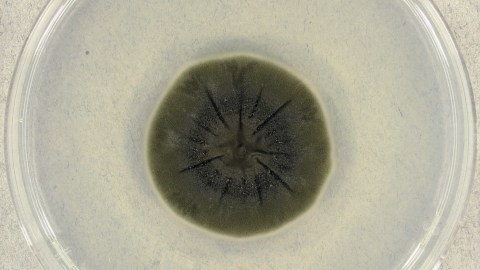
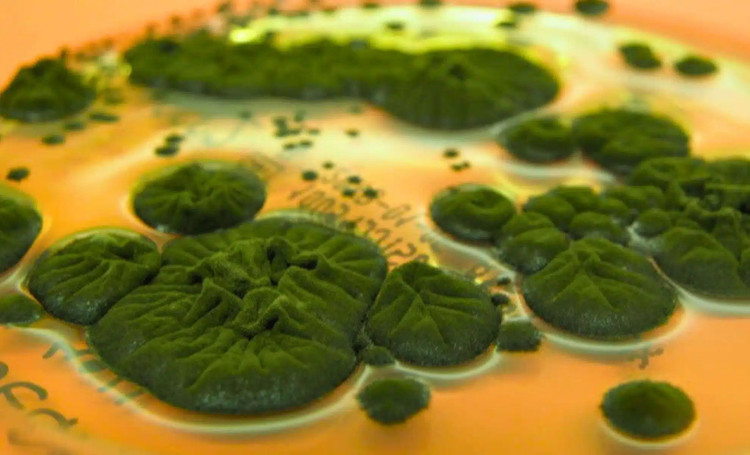
Among these, a type of black fungus not only survived but also thrived in an environment of extreme radiation. This species appears to absorb radiation for energy. Photo: Rui Tomé/Atlas of Mycology. That's the fungus Cladosporium sphaerospermum. This fungus is black because its cells are filled with melanin. Photo: Medmyco / Wikimedia Commons.
Melanin, the pigment that gives skin its color and protects humans from sunlight, is found in Cladosporium sphaerospermum and some other fungi in Chernobyl, playing a protective role by absorbing and neutralizing radiation. Photo: thequantumbrief/instagram. Cladosporium sphaerospermum is the most dominant species. This fungus even tends to grow towards radioactive particles. Photo: r/Damnthatsinteresting/reddit. Recently, researchers at Stanford University conducted radiation experiments on Cladosporium sphaerospermum. They observed its ability to thrive in high-radiation environments and its melanin activity in response to ionizing radiation. (Image: Rui Tomé/Atlas of Mycology)
However, the research team has not yet found clear evidence that the fungus Cladosporium sphaerospermum absorbs radiation. Therefore, the mystery of its survival and unique abilities remains a major enigma that scientists are still trying to solve. Photo: YouTube/bionerd23. Readers are invited to watch the video : Behind the success of scientists. Source: VTV24.




 Báo Khoa học và Đời sống•14/12/2025












![[Photo] Two flights successfully landed and took off at Long Thanh Airport.](/_next/image?url=https%3A%2F%2Fvphoto.vietnam.vn%2Fthumb%2F1200x675%2Fvietnam%2Fresource%2FIMAGE%2F2025%2F12%2F15%2F1765808718882_ndo_br_img-8897-resize-5807-jpg.webp&w=3840&q=75)
















































































Comment (0)