

According to Monash University in Australia, this new antibiotic, called pre-methylenomycin C lactone, was found as a chemical intermediate in the natural process of producing the long-known antibiotic methyleneomycin A.
Co-author of the study, Professor Greg Challis of Monash University and the University of Warwick in the UK, said that methyleneomycin A was discovered 50 years ago and although it had been synthesized many times, it seemed that no scientists had tested the antibacterial activity of the intermediates in this synthesis process. According to Professor Challis, by deleting the biosynthetic genes, chemists discovered two previously unknown synthetic intermediates. Both of these substances are much more potent antibiotics than methyleneomycin A.
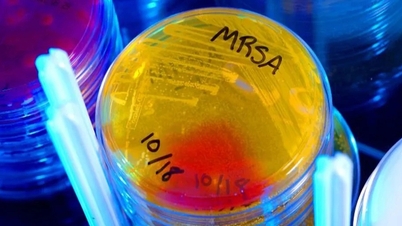
When tested for antimicrobial activity, one of the intermediates, called pre-methylenomycin C lactone, was shown to be more than 100 times more potent than the antibiotic methyleneomycin A in combating a variety of Gram-positive bacteria. Specifically, pre-methylenomycin C lactone was effective against S. aureus and E. faecium, bacteria that cause MRSA and VRE. This finding is considered highly promising in the treatment of VRE, a pathogen that the World Health Organization (WHO) is particularly concerned about.
According to researchers, with its simple structure, potent activity, low resistance, and scalable synthesis potential, pre-methylenomycin C lactone is a promising new candidate for saving the lives of approximately 1.1 million people worldwide who are victims of antibiotic resistance each year.
Professor Challis believes this discovery could lead to a new model for antibiotic discovery. By identifying and testing intermediates in the production of diverse natural compounds, researchers could find new antibiotics that are more potent and better able to combat antibiotic resistance.
Earlier this month, the WHO released a report showing that very few antimicrobial drugs are currently under research. The reason given is that most readily detectable antibiotics have already been found, and limitations in support and commercial incentives are hindering investment in antibiotic research.
Source: https://baolaocai.vn/phat-hien-khang-sinh-moi-manh-hon-co-the-chong-lai-tinh-trang-khang-thuoc-post885557.html































































































Comment (0)