The multi-million dollar "playing field" is still being wasted.
Báo Tài nguyên Môi trường•18/07/2023
Bài 1: Thực trạng đáng… buồn
Chưa bao giờ thị trường bất động sản (BĐS) ảm đạm như bây giờ. Dự án BĐS mới khởi công ít, trong khi các dự án cũ gần như “nằm bất động”, nhiều sàn BĐS chỉ hoạt động cầm chừng và có khi phải đóng cửa, dẫn tới hàng ngàn nhân viên phải nghỉ việc. Cùng với đó, nợ vay, nợ trái phiếu của doanh nghiệp ngày một gia tăng và có nguy cơ “phát nổ” bất cứ lúc nào.
Sức hấp dẫn “ma lực” đã nguội
Ngành kinh doanh BĐS nói chung và thị trường BĐS cao cấp nói riêng là một trong những ngành kinh tế mũi nhọn, đóng góp lớn vào tăng trưởng và GDP của cả nước. Ngoài ra, BĐS giúp hàng triệu lao động có việc làm, thu nhập và có liên quan mật thiết tới nhiều ngành nghề: Sản xuất vật liệu xây dựng, du lịch - nghỉ dưỡng, tài chính ngân hàng, xây dựng… Tuy nhiên, trong bối cảnh tín dụng bị kiểm soát chặt, cùng một số khó khăn vướng mắc về pháp lý chưa được tháo gỡ các dự án chủ đầu tư dự án BĐS không đủ mạnh về tài chính, pháp lý chưa đầy đủ, nên “thượng đế” không xuống tiền nhanh và dễ như trước. Điều này dẫn tới hàng bán chậm, thị trường BĐS gần như rơi tự do và đang tạo nên một khung cảnh ảm đạm chưa từng thấy.
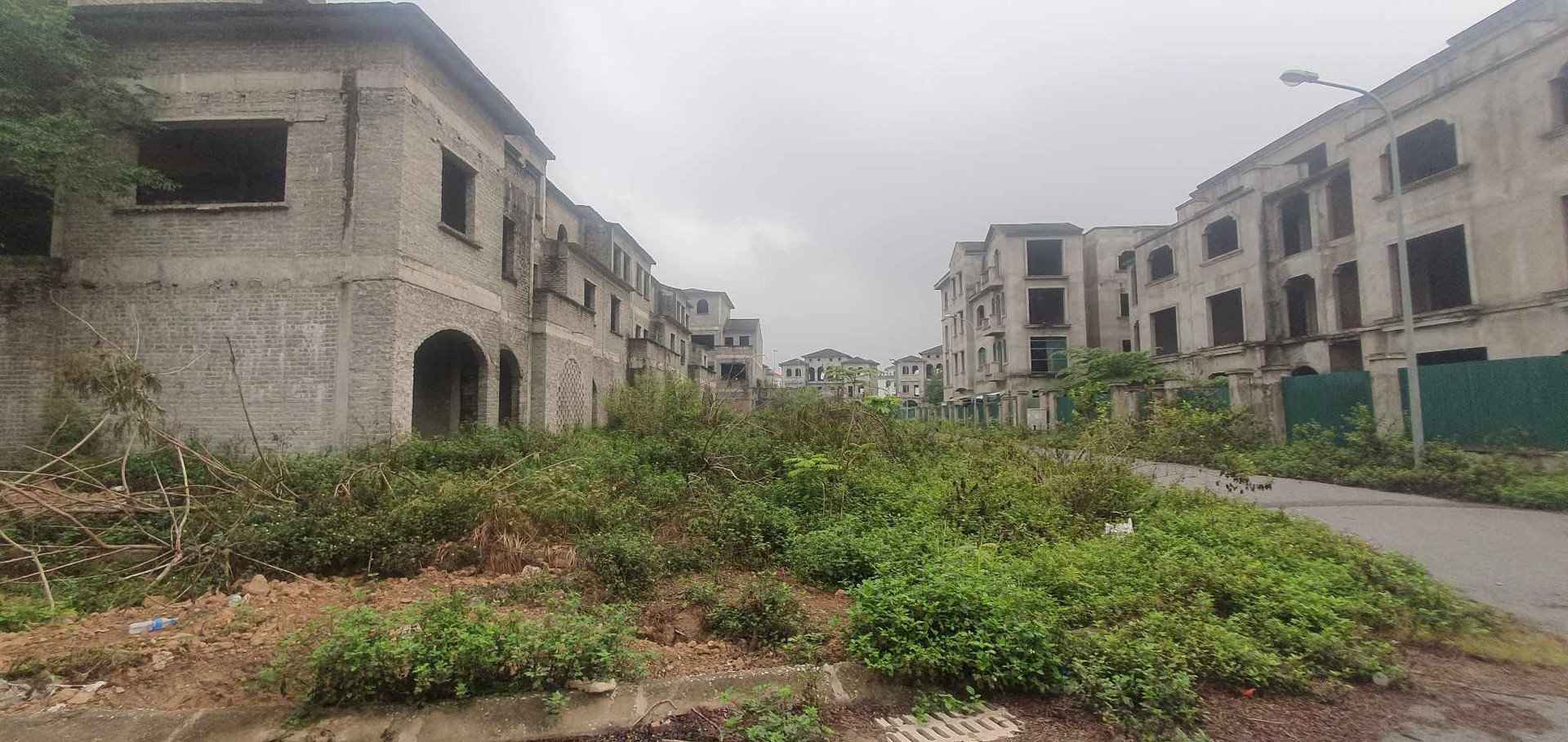
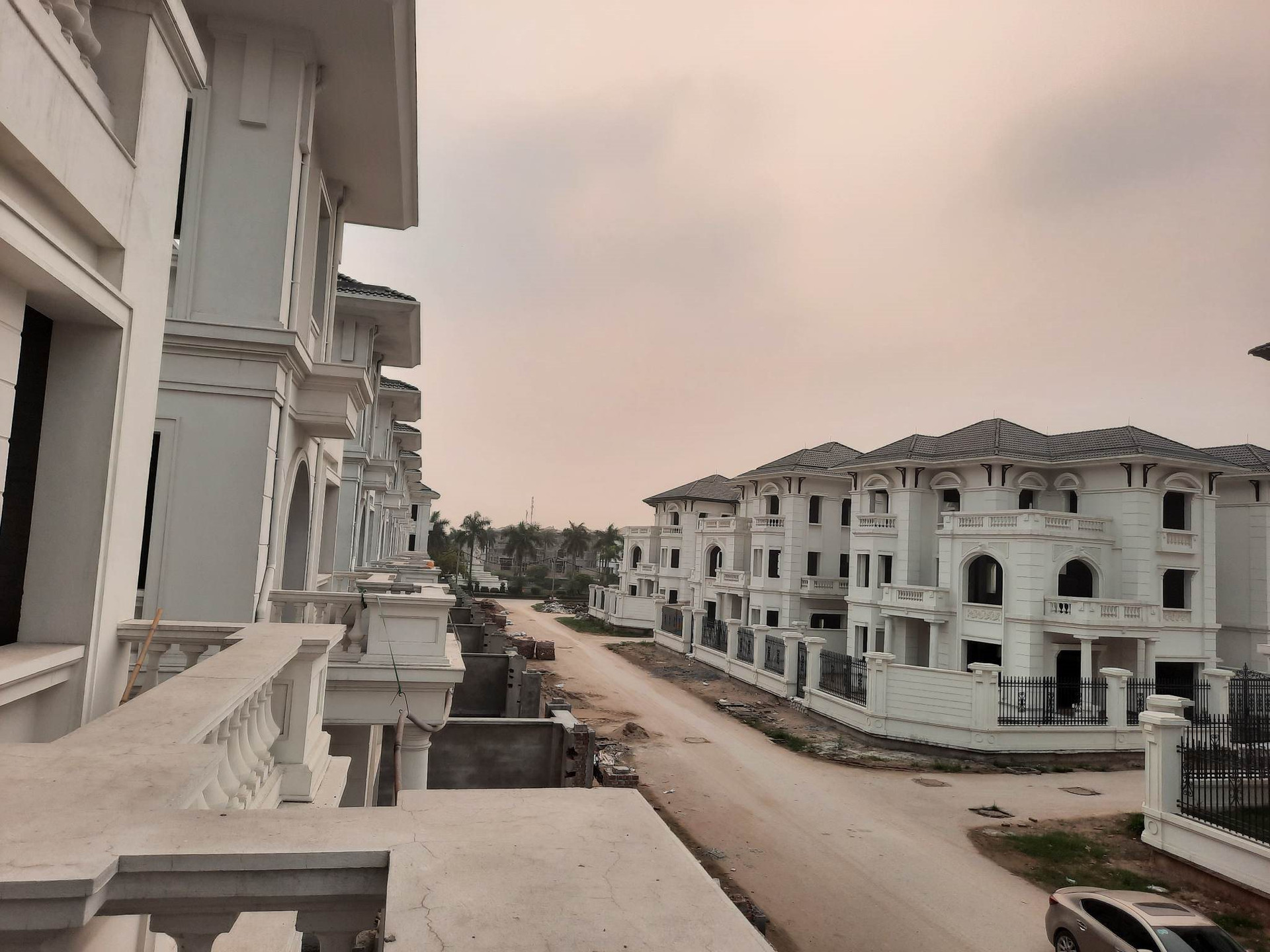
Thời gian qua, do ảnh hưởng bởi đại dịch Covid-19, kinh tế thế giới gặp khó khăn, tình trạng lạm phát, cộng thêm lãi suất ngân hàng tăng đã ảnh hưởng sâu sắc đến thị trường BĐS, nhất là phân khúc BĐS cao cấp. Nhiều dự án BĐS mới chưa được cấp phép, các dự án cũ thì chậm tiến độ khiến nguồn cung ngày càng khan hiếm. Trong khi đó, nhiều dự án BĐS hàng đã bán hết nhưng chủ đầu tư không hoàn thiện để đưa vào sử dụng như kế hoạch, dẫn đến tình trạng hàng loạt biệt thự bỏ hoang, cỏ mọc um tùm, gây lãng phí.
Biệt thự bỏ hoang, cỏ mọc um tùm, gây lãng phí tài nguyên
Nhiều nhà đầu tư nước ngoài cho rằng, thị trường BĐS tại Việt Nam có đặc điểm dân số đông, nhu cầu về BĐS lớn, đây là lý do luôn hấp dẫn họ theo đuổi. Việt Nam đang đẩy mạnh đô thị hóa trong khi Chính phủ quyết tâm xây dựng nền công nghiệp không khói làm ngành mũi nhọn cho phát triển. Bên cạnh đó, số lượng khách hàng thượng lưu ngày một nhiều, họ xem đây là kênh đầu tư có khả năng sinh lời cao, mặc dù xác định có nhiều rủi ro.
“
Theo số liệu của Bộ Kế hoạch và Đầu tư, nếu như năm 2021, vốn FDI đăng ký đầu tư vào BĐS chỉ đạt 2,6 tỷ USD thì đến năm 2022 đã tăng lên 4,5 tỷ USD và quý I/2023 vẫn có tín hiệu khả quan. BĐS là lĩnh vực thu hút vốn FDI đứng thứ 2 chỉ sau công nghiệp chế biến, chế tạo.
Anh Lê Minh Hiệp - người chuyên kinh doanh BĐS cao cấp ở quận Nam Từ Liêm cho biết: "Tôi và 2 người bạn đầu tư chung, mấy năm trước thì kiếm lời tốt, thanh khoản nhanh, nhưng từ 2021 đến nay, gần như chúng tôi không mua thêm căn biệt thự nào, trong khi một số căn trót “ôm” trước đó giờ chưa bán được. Mặc dù có người hỏi mua, nhưng họ trả giá quá thấp". Anh Hiệp chia sẻ thêm: "May mà khi mua chúng tôi không vay tiền ngân hàng, chứ vay mà trả lãi tới tận bây giờ thì chỉ còn nước bán gấp".
Có thể thấy thời điểm này, BĐS không còn ở đỉnh cao như nhiều năm về trước.
Cung - Cầu có ảo?
Các chuyên gia BĐS nhận định, lượng tồn kho phân khúc BĐS cao cấp (nhất là biệt thự) đang khá lớn. Tuy nhiên, nguồn cung mới sẽ ngày một khan hiếm do có rất ít dự án BĐS phân khúc cao cấp có uy tín, đủ tiềm lực tài chính được triển khai. Trong khi, nguồn cung biệt thự, shophouse (mô hình nhà ở kết hợp với kinh doanh thương mại) ở Hà Nội và các tỉnh miền Bắc giảm mạnh. Hiện tại, nguồn cung chủ yếu nằm ở các dự án BĐS đã triển khai trước năm 2020, từ năm 2021 đến quý I/2023, dự án BĐS liên quan tới phân khúc cao cấp được triển khai mới chỉ đếm trên đầu ngón tay, trong khi phân khúc này chủ yếu dành cho giới thượng lưu mà không dành cho đối tượng có thu nhập thấp. Do đó, thị trường vốn ảm đạm nay lại càng ảm đạm hơn.
Ông Đinh Văn Trỗi - Giám đốc kinh doanh Công ty CP Đầu tư Xây dựng - BĐS Đại Phong nhận định: Nguồn cung biệt thự, nhà liền kề Hà Nội đã liên tục thiếu hụt trong một thời gian dài, trong khi nguồn cung mới năm 2022 và đầu năm 2023 chủ yếu đến từ các dự án đang triển khai và tập trung ở ngoại ô Hà Nội. Về mặt nào đó sẽ cung cấp thêm sản phẩm cho thị trường nhưng không đáng kể để lựa chọn.
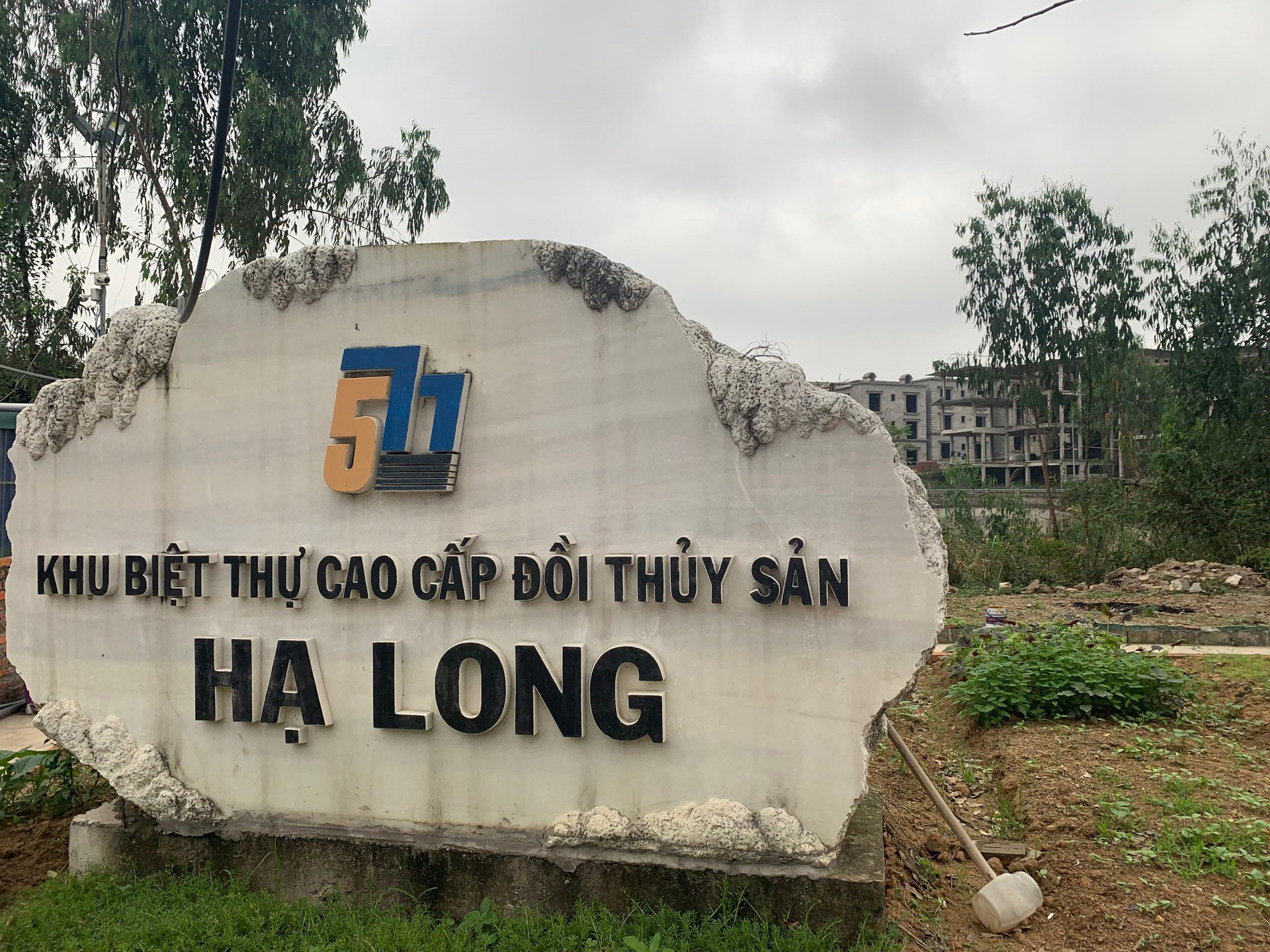
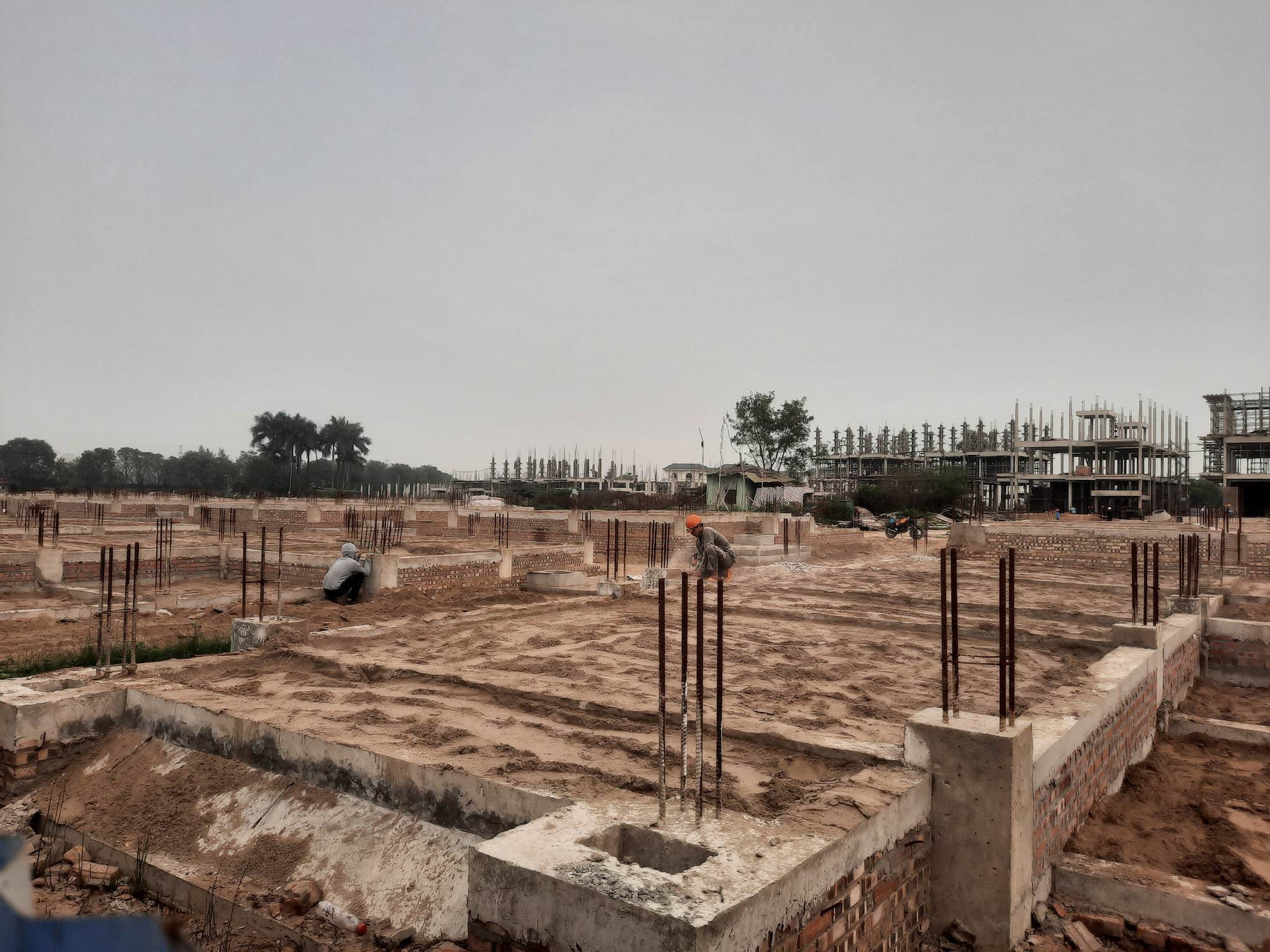
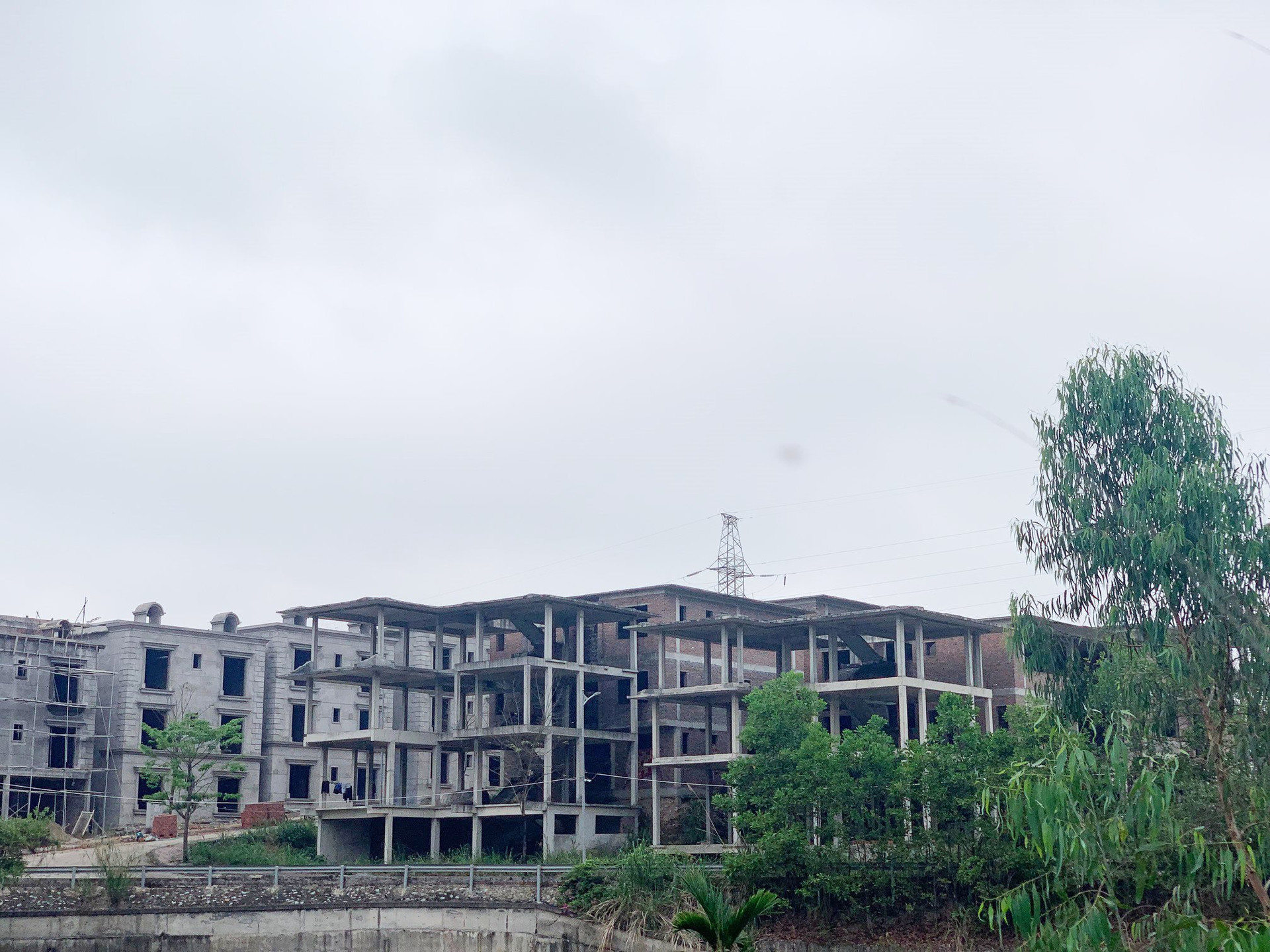
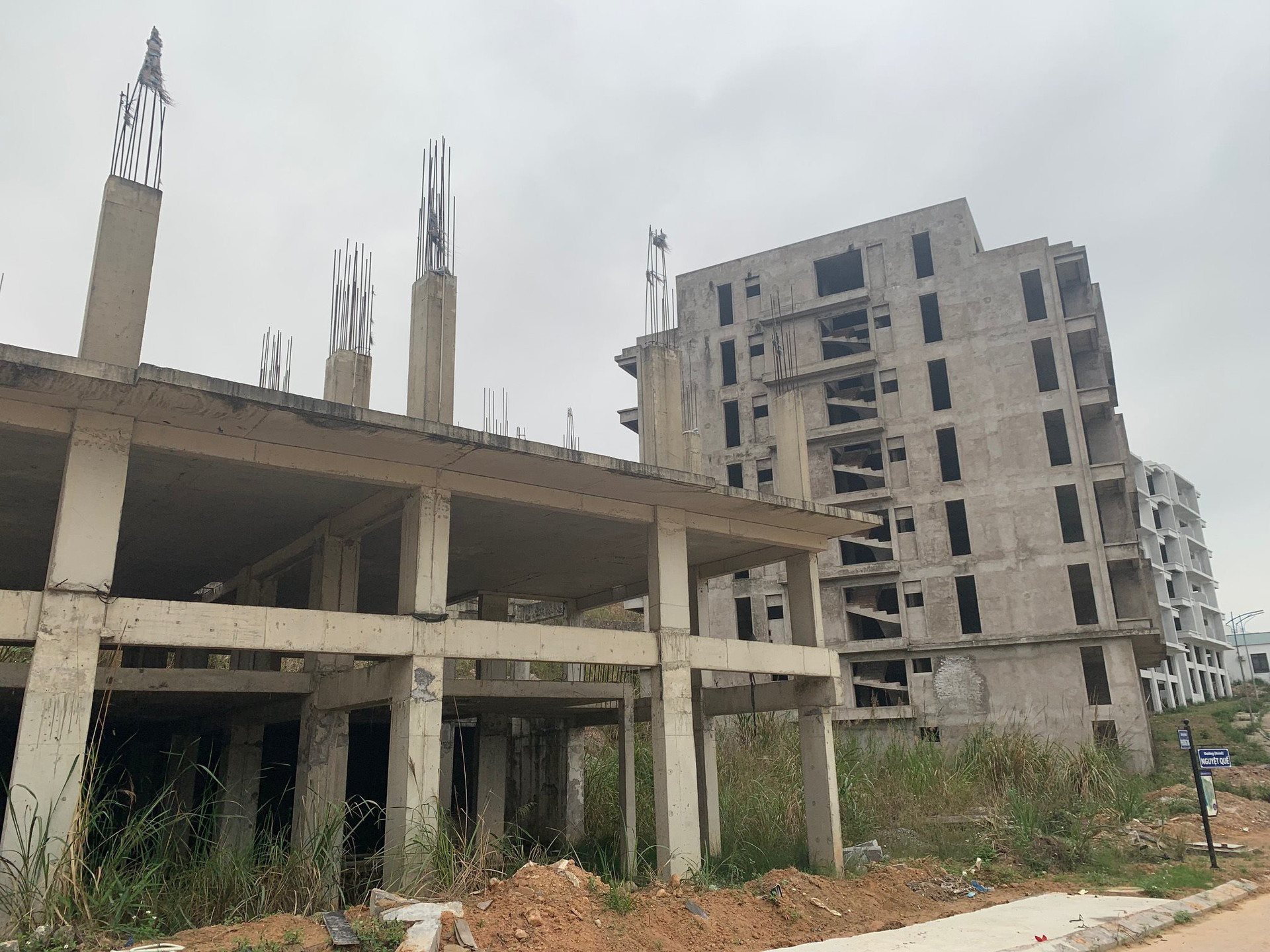
Dự án Khu biệt thự đồi Thủy Sản tại phường Bãi Cháy, Tp. Hạ Long (Quảng Ninh) nhiều công trình còn dang dở
Theo khảo sát của phóng viên tại tỉnh Quảng Ninh, nguồn cung biệt thự, shophouse còn nhiều nhưng chủ yếu từ các dự án BĐS cũ như: BIM Group, Geleximco Group, Tuần Châu Group… và gần như không có dự án BĐS mới nào được triển khai, nguồn cung mới đã chạm đáy.
Trong khi đó, nguồn cung ở các địa phương Hà Nam, Bắc Ninh, Phú Thọ, Hải Phòng, Hòa Bình… cũng không mấy khả quan. Tại những tỉnh, thành phố này, có ít dự án BĐS cao cấp, lượng giao dịch hạn chế, vài năm trở lại đây, có rất ít dự án BĐS cao cấp được triển khai. Trong khi dự án cũ hoạt động cầm chừng, nhiều căn biệt thự, shophouse tuy có chủ nhưng lại không đưa vào sử dụng, dẫn đến tình trạng bỏ hoang, gây lãng phí, có nguy cơ tiềm ẩn các tệ nạn xã hội.
Đó là nguồn cung, còn về nguồn cầu, các chuyên gia nhận định, xu hướng biệt thự, shophouse gắn với không gian xanh, tiện ích tối ưu, nằm trong khu phức hợp và thuận tiện giao thông kết nối sẽ là lựa chọn hàng đầu của khách hàng. Thêm vào đó, tỷ lệ đô thị hóa, tốc độ tăng trưởng dân số tự nhiên và sự gia tăng của tầng lớp trung - thượng lưu cũng là động lực chính giúp thúc đẩy nhu cầu trong việc tiêu thụ biệt thự trong thời gian tới.
Trên thực tế, một khi nền kinh tế phục hồi mạnh mẽ sau đại dịch Covid-19, các chính sách gỡ vướng, gỡ khó cho thị trường BĐS của Chính phủ được các địa phương thực hiện nghiêm túc, cộng thêm “room tín dụng” được nới lỏng, trái phiếu doanh nghiệp được đảm bảo, khi đó các tập đoàn, công ty và cá nhân sẽ sớm tiếp cận được nguồn vốn cần thiết, từ đó, các dự án BĐS sẽ được triển khai và cung cấp đa dạng các sản phẩm BĐS cao cấp: BĐS biệt thự, shophouse, nghỉ dưỡng, chăm sóc sức khỏe… cho thị trường, sức mua - bán của thị trường BĐS sẽ sôi động trở lại.
Xuất hiện tình trạng thâu tóm - sáp nhập
Đây là quy luật tự nhiên, mạnh lấn át yếu, yếu bị thâu tóm và sáp nhập vào mạnh là chuyện bình thường của ngành BĐS thời gian qua. Tuy nhiên, gần đây đã xuất hiện “cá mập” trong và ngoài nước, họ thông qua nhiều quỹ đầu tư hoặc tung tiền mặt ra mua lại các dự án BĐS cao cấp, dự án sạch về pháp lý để phát triển.
Có thể nhận thấy, từ đầu năm 2023 đến nay, các công ty BĐS Việt Nam được chia thành 4 nhóm điển hình: Rủi ro, cân bằng, tiềm lực và “người chơi mới”. Trong đó, nhóm “người chơi mới” gồm các công ty, quỹ đầu tư... đang tìm kiếm cơ hội thâm nhập thị trường BĐS thông qua mua bán, sáp nhập.
Điển hình phải kể tới Tập đoàn FLC, Tân Hoàng Minh… Sau khi người đứng đầu bị dính vào vòng lao lý, hàng loạt các “ông lớn” muốn nhảy vào các dự án tiềm năng của các tập đoàn này. Hãng hàng không Bamboo Airways đã chính thức tách khỏi Tập đoàn FLC, kéo theo đó là nhiều dự án BĐS của Tập đoàn này ở Quảng Ninh, Thanh Hóa, Thái Nguyên, Vĩnh Phúc, Phú Thọ… có nguy cơ phải dừng triển khai hoặc bắt buộc chuyển giao cho đối tác khác để tiếp tục nghiên cứu và triển khai dự án.
Nhiều dự án BĐS cao cấp trong nước hiện được nhà đầu tư nước ngoài quan tâm
Ngoài ra, nhiều thương vụ thâu tóm khác đang trong giai đoạn đàm phán. Theo nhận định của nhiều chuyên gia kinh tế và BĐS, với thị trường BĐS trầm lắng như hiện tại, cộng thêm tình hình tài chính khó khăn, nếu tình trạng này kéo dài thì nhiều chủ đầu tư dự án không còn tiền quay vòng, rất có thể họ phải nghĩ tới phương án chuyển nhượng hoặc bán đứt dự án BĐS. Đấy là chưa nói nhiều công ty, quỹ đầu tư bên ngoài đang chuẩn bị sẵn tiền chờ cơ hội thâu tóm các dự án BĐS trong nước một khi doanh nghiệp gặp khó khăn bắt buộc phải bán.
Ông Lê Hoàng Châu - Chủ tịch Hiệp hội BĐS TP. HCM (HoREA), đề nghị: Chính phủ và Ủy ban Thường vụ Quốc hội xem xét cho phép doanh nghiệp được chuyển nhượng dự án BĐS thỏa thuận theo cơ chế thí điểm quy định tại Nghị quyết số 42/2017/QH14 ngày 21/6/2017 của Quốc hội. Theo ông Châu, nếu được thực hiện thì sẽ tháo gỡ khó khăn về dòng tiền và thanh khoản cho các doanh nghiệp BĐS, trong đó có các doanh nghiệp phát hành trái phiếu sắp đến hạn. Việc cho phép các doanh nghiệp được chuyển nhượng dự án theo thỏa thuận, theo nhu cầu, Nhà nước vừa thu được thuế vừa tăng cường hiệu lực, hiệu quả công tác quản lý nhà nước đối với thị trường BĐS, vừa tăng tính minh bạch, khắc phục được tình trạng chuyển nhượng dự án "chui" núp dưới hình thức chuyển nhượng cổ phần, làm thất thu ngân sách Nhà nước.
Bà Đỗ Thu Hằng - Giám đốc Cấp cao, Bộ phận Nghiên cứu và Tư vấn, Savills Hà Nội, cho biết: Nguồn cung đang được bán trực tiếp từ chủ đầu tư trong các dự án hiện nay của phân khúc này rất hạn chế, xuất phát từ lượng căn mới ít đưa vào thị trường. Tuy nhiên, liền kề vẫn là dòng sản phẩm chủ yếu, tiếp đến là biệt thự rồi đến shophouse chỉ chiếm tỷ lệ nhỏ trên tổng nguồn cung hiện tại.
Bài 2: Đua nhau “về đích” chậm
Muôn vàn lý do được chủ đầu tư dự án BĐS đưa ra, nhưng phần lớn là do công tác giải phóng mặt bằng chậm, thay đổi cơ chế pháp lý, chính sách thuế, cộng thêm năng lực tài chính của nhiều doanh nghiệp yếu kém… dẫn tới dự án chậm về đích.
Dự án BĐS chậm tiến độ “phủ sóng” rộng
Hầu hết 63 tỉnh thành đều có dự án BĐS chậm tiến độ, tuy nhiên phân khúc BĐS cao cấp chủ yếu nằm ở các tỉnh, thành phố lớn, có vị trí địa lý thuận lợi, tiềm năng khai thác du lịch, giao thông và hạ tầng phát triển.
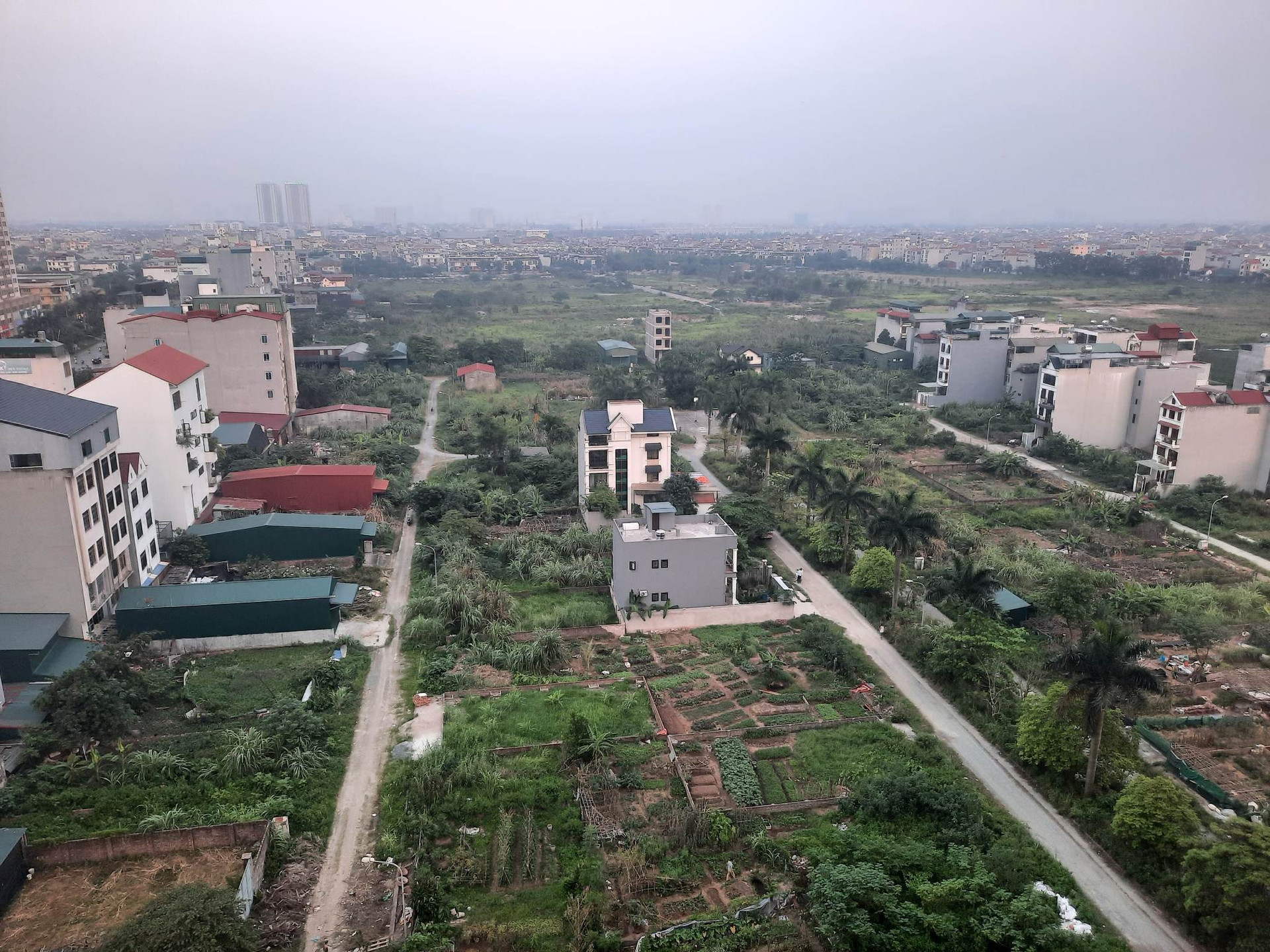
Địa phương hiện có nhiều dự án BĐS chậm tiến độ nhất phải kể đến Hà Nội. Theo số liệu thống kê chưa đầy đủ, Hà Nội hiện có khoảng vài trăm dự án chậm triển khai, tương đương diện tích trên 5.000ha chưa được khai thác, gây lãng phí lớn.
Một số dự án BĐS chậm tiến độ tới cả chục năm như: Khu đô thị Kim Chung - Di Trạch (nay được đổi tên thành Khu đô thị Hinode Royal Park - PV), ở huyện Hoài Đức. Hay Khu đô thị Nam An Khánh của Công ty CP Đầu tư Phát triển Đô thị và Khu công nghiệp Sông Đà (Sudico), từng được quảng bá là thiên đường cuộc sống. Tuy nhiên công tác giải phóng mặt bằng vẫn chưa xong, nhiều căn biệt thự, liền kề còn bỏ hoang, gây lãng phí tài nguyên. Đại diện truyền thông của Sudico cho biết: Do thời gian qua, thị trường BĐS trầm lắng nên nhiều khách hàng đầu tư biệt thự chỉ giữ đất, chờ chuyển biến tích cực của thị trường. Điều này dẫn đến tình trạng một số căn biệt thự bỏ hoang, gây mất mỹ quan chung của dự án.
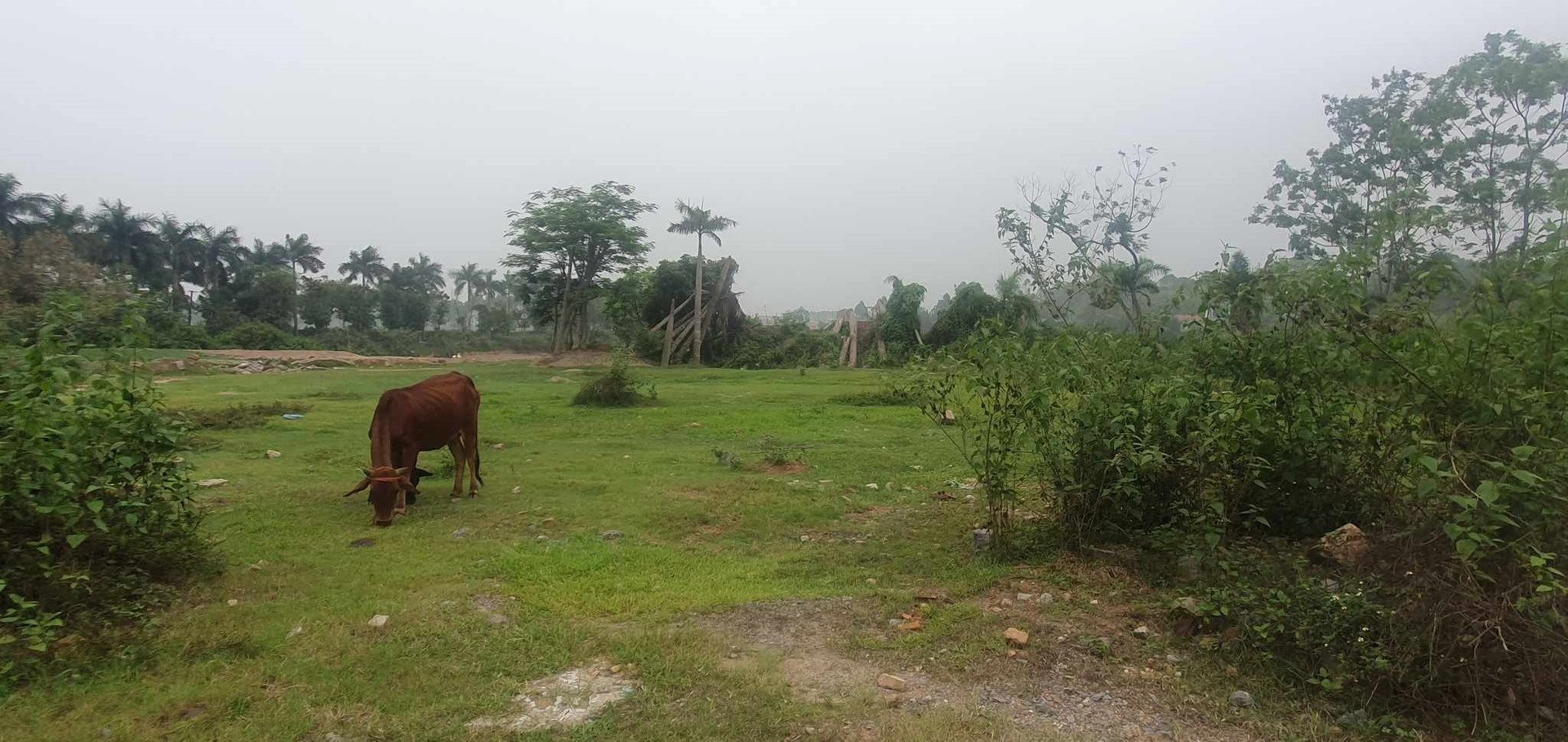
Ở Phú Thọ, Dự án Khu du lịch nghỉ dưỡng nước khoáng nóng Thanh Thủy do Công ty TNHH Sông Thao làm chủ đầu tư, có quy mô hơn 87ha, chậm tiến độ hơn 2 thập kỷ và “dính” nhiều sai phạm... Dự án hiện bỏ hoang, người dân sử dụng làm nơi chăn thả gia súc.
Ông Trần Văn Kiên - Phó Chủ tịch UBND Thị trấn Thanh Thủy thẳng thắn: “Vấn đề của dự án khoáng nóng Thanh Thủy hiện nay nằm ở năng lực của chủ đầu tư. Dự án hiện có mặt bằng sạch, pháp lý đầy đủ nhưng không thể triển khai là do chủ đầu tư có năng lực yếu kém. Địa phương chúng tôi cũng rất sốt ruột vì cử tri có ý kiến nhiều nhưng thẩm quyền xử lý thuộc về tỉnh Phú Thọ”.
Dự án Khu du lịch nghỉ dưỡng nước khoáng nóng Thanh Thủy hiện bỏ hoang, người dân sử dụng làm nơi chăn thả gia súc.
Tỉnh Hà Nam có dự án BĐS cũng không kém phần li kì, là biến đất công trình công cộng, dịch vụ thành nhà ở thương mại (shophouse) rồi bỏ hoang. Đó là Khu trung tâm thương mại tổng hợp và nhà ở của Công ty TNHH Thắng Lợi Thanh Liêm. Đến nay, dự án đã xây dựng xong phần thô, một số hộ dân mua nhà đã chuyển vào ở, nhiều hạng mục có trong quy hoạch chưa được xây dựng, trong khi một số công trình có dấu hiệu xuống cấp, bỏ hoang.
Tại Thông báo Kết luận thanh tra số 161/TB-TTCP ngày 17/1/2023 của Thanh tra Chính phủ liên quan dự án Khu trung tâm thương mại tổng hợp của Công ty Thắng Lợi Thanh Liêm, tỉnh Hà Nam giao đất nhưng không thông qua hình thức đấu giá quyền sử dựng đất, vi phạm Điều 118 Luật Đất đai 2013. Nghiêm trọng hơn, diện tích đất này được quy hoạch là đất công trình công cộng, dịch vụ, thương mại, không có chức năng đất ở, vi phạm Điều 26 Luật Quy hoạch đô thị 2009 và Điều 14 Nghị định 37/2010/NĐ-Cp ngày 7/4/2010 của Chính Phủ.
Cắt bỏ “khối u”
Các địa phương đều có dự án BĐS chậm tiến độ, thậm chí nằm bất động nhiều năm là: Hà Nội, Quảng Ninh, Phú Thọ, Hòa Bình… Riêng Hà Nội, hiện còn hàng trăm dự án BĐS chậm tiến độ, chưa triển khai, trong đó, nhiều dự án đã được cảnh báo đỏ và một vài dự án đã bị UBND TP. Hà Nội thẳng tay thu hồi.
Điển hình phải kể tới dự án Khu nhà ở cao cấp Phương Viên, huyện Mê Linh, do Công ty CP Thương mại và Dịch vụ du lịch Phương Viên làm chủ đầu tư. Dự án được giao đất năm 2008 nhưng chậm triển khai, do đó, UBND TP. Hà Nội đã ra Quyết định số 4058/QĐ-UBND về việc thu hồi đất, bãi bỏ quyết định giao đất đối với dự án trên. Ngoài ra còn có dự án: Công Ty Xây dựng Trường Giang với dự án Xây dựng biệt thư nhà vườn; Công ty CP Ánh Dương với dự án Xây dựng hạ tầng kỹ thuật khu biệt thự Sunny Light; Công ty CP BĐS Vinalines Vĩnh Phúc với dự án Khu đô thị mới Vinalines… UBND TP. Hà Nội đã ra quyết định thu hồi đất.
Khu biệt thự, nhà liền kề của Dự án KĐT Tân Việt, huyện Hoài Đức vẫn thưa người về ở
Liên quan tới Dự án Khu du lịch nghỉ dưỡng nước khoáng nóng Thanh Thủy do Công ty TNHH Sông Thao làm chủ đầu tư, ông Hà Minh Đức - Phó Chi cục trưởng Chi cục Quản lý Đất đai, Sở Tài nguyên và Môi trường tỉnh Phú Thọ cho biết: “Tại văn bản 2308/UBND-KGVX ngày 21/6/2022, UBND tỉnh Phú Thọ đã chỉ đạo Cục Thuế tỉnh truy thu số tiền thuê đất mà Công ty Sông Thao đang nợ, đồng thời, giao Sở Kế hoạch và Đầu tư tỉnh, UBND huyện Thanh Thủy cùng các cơ quan hữu quan rà soát để tách phần diện tích khoảng 37ha trong tổng diện tích của dự án để công ty triển khai. Ông Đức cho biết thêm: Hiện nay Chủ đầu tư chưa thực hiện thủ tục phê duyệt Quy hoạch chi tiết 1/500 nên chưa có cơ sở đo đạc, tách diện tích theo chỉ đạo của UBND tỉnh Phú Thọ. Ngày 25/3/2022, UBND tỉnh Phú Thọ đã ban hành quyết định thu hồi Giấy chứng nhận ưu đãi đầu tư của dự án trên.
Ông Trần Như Long - Giám đốc Sở TN&MT tỉnh Quảng Ninh cho biết: Thời gian tới, Quảng Ninh sẽ tiếp tục rà soát, kiểm tra, thanh tra việc sử dụng đất của các dự án chậm tiến độ, kéo dài việc hoàn thiện hạ tầng kỹ thuật, kiên quyết xử lý, thu hồi đúng pháp luật, không để tái diễn tình trạng quy hoạch “treo”, dự án “treo” và phòng, chống lợi ích nhóm, tiêu cực, làm thất thoát ngân sách, lãng phí nguồn lực đất đai, góp phần lành mạnh hóa thị trường bất động sản.
Đó là một số các dự án điển hình đã bị địa phương kiên quyết thu hồi, thực thi pháp luật. Tuy nhiên, vẫn còn không ít dự án chậm tiến độ, gia hạn nhiều lần, cỏ mọc hoang, song vẫn chưa bị xử lý. Ví dụ như tại Quảng Ninh, có nhiều dự án như: KĐT mới Cao Xanh - Hà Khánh; Dự án dịch vụ hỗn hợp thương mại và chung cư The Bay View Tower (TP. Hạ Long)… chậm tiến độ. Bên cạnh đó, nhiều dự án BĐS đã được đưa vào sử dụng nhưng tỷ lệ lấp đầy chưa cao, nhiều căn biệt thự, shophouse tuy có chủ nhưng chưa đưa vào để ở, có dấu hiệu xuống cấp, gây lãng phí tài nguyên và mất mỹ quan đô thị.
Ông Nguyễn Hữu Nhã - Phó Chủ tịch UBND TP.Hạ Long cho biết: Thời gian qua, thành phố đã quyết liệt triển khai rà soát, báo cáo đề xuất tỉnh xem xét, xử lý, thu hồi đối với hàng chục dự án chậm tiến độ, vi phạm pháp luật, nhằm tránh tình trạng “ôm đất” kéo dài để cỏ dại mọc, gây lãng phí tài nguyên đất đai, ảnh hưởng vệ sinh môi trường, cảnh quan đô thị.
Đối với các dự án BĐS, nhất là BĐS phân khúc cao cấp, chính quyền các địa phương cần phải mạnh tay vào cuộc kiểm tra, xử lý dứt điểm các dự án sai phạm nghiêm trọng, chậm tiến độ, kéo dài nhiều năm, nghiêm túc loại bỏ dự án yếu kém về quy hoạch, tiềm lực tài chính hạn chế, cố tình “ôm đất” mà không chịu triển khai.
Cần loại bỏ tư duy tỉnh này có dự án BĐS cao cấp thì tỉnh mình cũng phải có
Bài 3: Ở tạm trong biệt thự triệu đô
Người thu nhập thấp ở biệt thự triệu đô, họ đi thuê biệt thự, shophouse để ở, mở cửa hàng tạp hóa, bán rau, quán bia… kinh doanh kiếm sống qua ngày, chuyện thật như đùa nhưng nó đang tồn tại ở hầu hết các khu đô thị (KĐT) được kỳ vọng là đáng sống, văn minh và hiện đại.
Biến biệt thự, shophouse thành… “chợ”
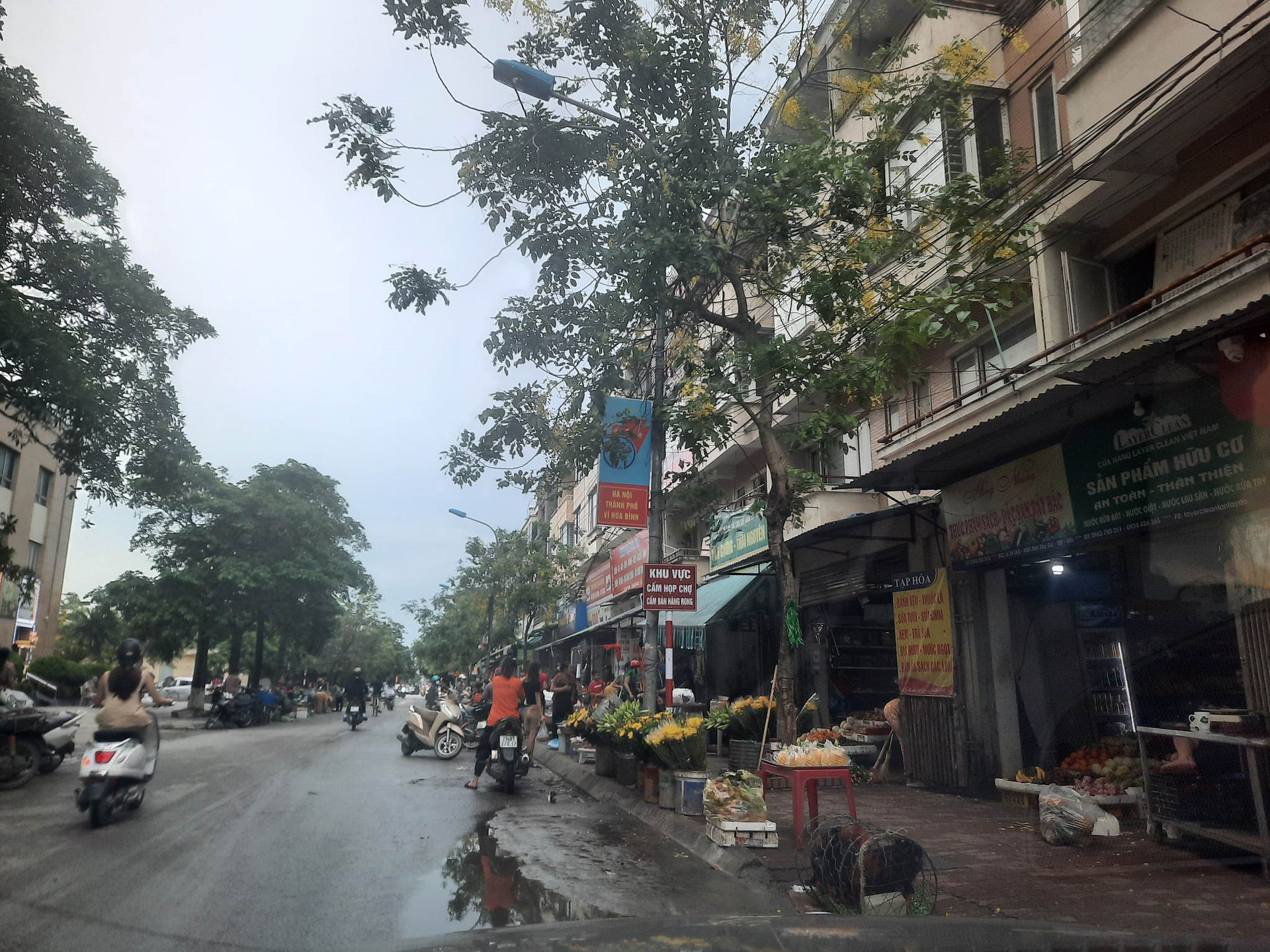
Không khó để nhận thấy, nhiều biệt thự, shophouse có mặt tiền rộng, cạnh khu dân cư hay dưới chân các dãy nhà chung cư ở Hà Nội thường được sử dụng để cho thuê mở quán cà phê, nhà hàng, tạp hóa, cửa hàng bán đồ ăn nhanh, đồ tươi sống… việc này luật pháp không cấm nhưng vô tình đã tạo nên bộ mặt nhếch nhác cho KĐT vốn được coi là văn minh, hiện đại.
Liền kề, shophouse được người dân thuê để mở hàng quán, cửa hàng… buôn bán
Anh Nguyễn Quang Trưởng, nhà ở huyện Hoài Đức, thuê một shophouse ở KĐT mới Tân Tây Đô, thuộc huyện Đan Phượng, cho biết: "Em cùng 2 bạn thuê lại căn shophouse để bán đồ ăn nhanh, cà phê... Ban đầu, chúng em thuê để bán hàng với giá 5 triệu đồng/tháng (thuê lại của chủ nhà - PV). Sau này do bán cả buổi đêm nên chúng em phải trả thêm 2 triệu đồng/tháng để được ngủ lại.
Một “cò dịch vụ” chuyên cho thuê shophouse ở đây cho biết: Người thuê chủ yếu là lao động từ các tỉnh lẻ, họ thuê giá rẻ để mở hàng ăn sáng, bán rau củ, quán nhậu… việc thuê lại không có ràng buộc, không phải đặt cọc tiền nhiều, khi nào chủ hộ lấy thì phải trả lại.
Việc các tiểu thương tập trung thuê lại căn shophouse để tổ chức kinh doanh đã khiến nơi đây như một chợ cóc tự phát. Một người dân sống ở tòa Chung cư HHA, thuộc KĐT Tân Tây Đô cho hay: Việc mua bán tiện thì có tiện nhưng cứ đầu giờ sáng hàng ngày và các buổi cuối tuần, người mua bán rất đông, xe chạy ra vào KĐT nhiều, tiềm ẩn mất an toàn giao thông. Đấy là chưa nói việc các cửa hàng phát tán nước thải, rác thải… rất nhếch nhác.
Phóng viên đi thực địa ở một số KĐT thuộc huyện Hoài Đức, Gia Lâm, quận Nam Từ Liêm, Bắc Từ Liêm, Hoàng Mai… nhận thấy, tình trạng các căn biệt thự, shophouse được chủ hộ cho thuê… xuất hiện la liệt, mỗi nơi có đặc thù khác nhau và giá thuê mặt bằng cũng khác nhau. Nhưng tất cả có điểm chung là góp phần làm nhếch nhác thêm bộ mặt đô thị vốn văn minh, hiện đại.
Tại các tỉnh, thành phố: Hải Phòng, Phú Thọ, Hà Nam, Hưng Yên, Thanh Hóa… thực trạng này cũng không mấy khả quan. Tuy người thuê ít hơn, giá rẻ hơn nhưng vẫn rất lộn xộn. Trong khi, các căn bỏ hoang thì cỏ mọc um tùm, có dấu hiệu xuống cấp.
Nhiều “không” trong biệt thự triệu đô
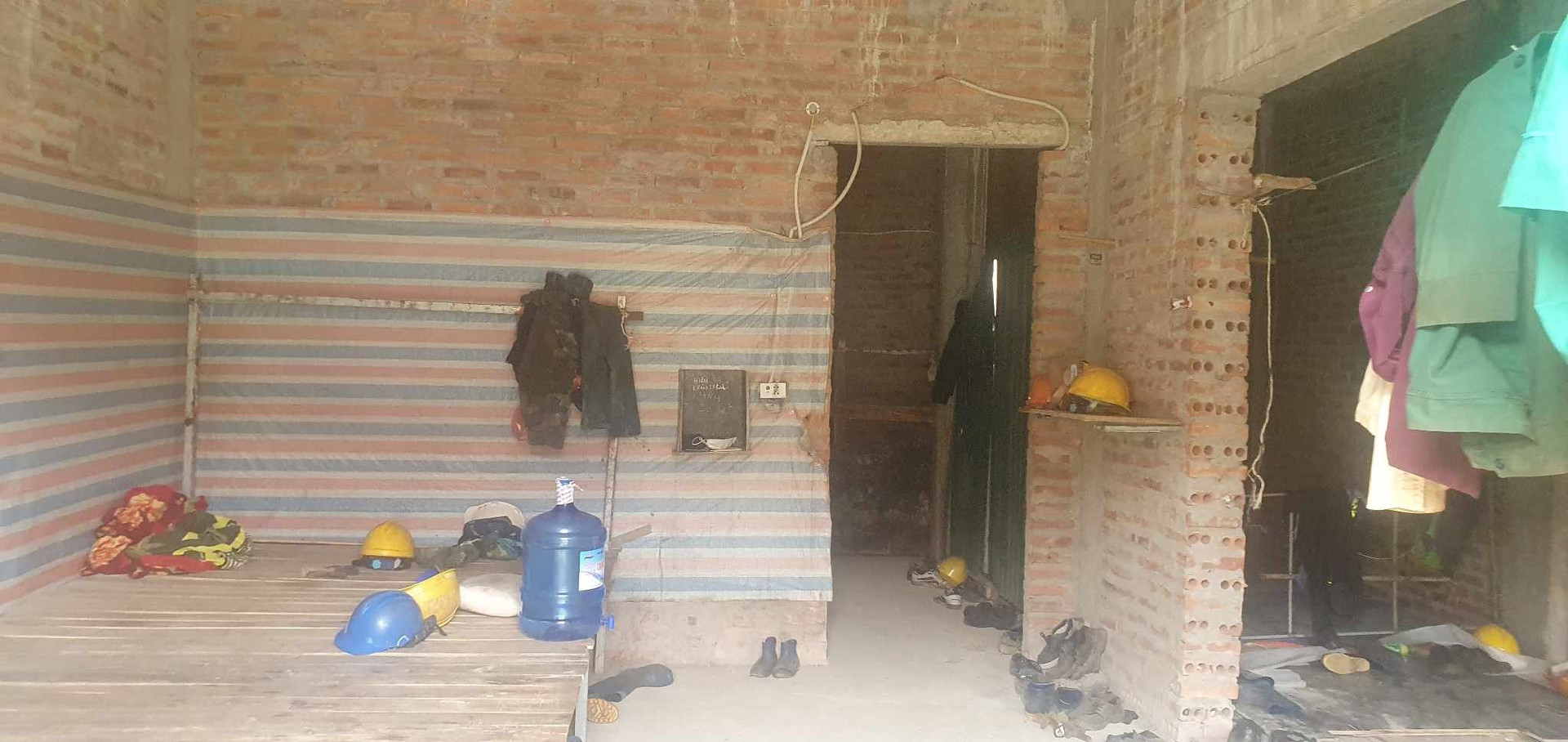
Trong vai một người đi thuê biệt thự để ở tạm, chúng tôi được bà Nguyễn Thị Bích dẫn đi một vòng KĐT Nam An Khánh, huyện Hoài Đức, TP. Hà Nội. Tại đây, lác đác lại thấy một căn biệt thự, shophouse có người ở. Tuy mặt ngoài biệt thự còn chưa hoàn thiện, cửa được lắp tạm bằng tấm phên nhựa, có căn cửa được làm bằng tấm tôn mỏng… bên trong quần áo treo ngổn ngang, chỗ nằm được người lao động kê tạm bằng ván gỗ, có chỗ thì chiếu trải thẳng xuống nền bê tông, bếp nấu được dựng lên tạm bợ và đặc biệt hơn, nơi đây không có nhà vệ sinh đúng nghĩa.
Bà Bích hỏi: "Chú định thuê biệt thự cho bao nhiêu người ở? Nếu đông thì nên thuê cả biệt thự, diện tích từ 200 - 300m2, giá chỉ dao động 6 - 8 triệu đồng/tháng, thích ở bao nhiêu người cũng được. Nếu đồng ý, chú bảo để tôi gọi chủ hộ".
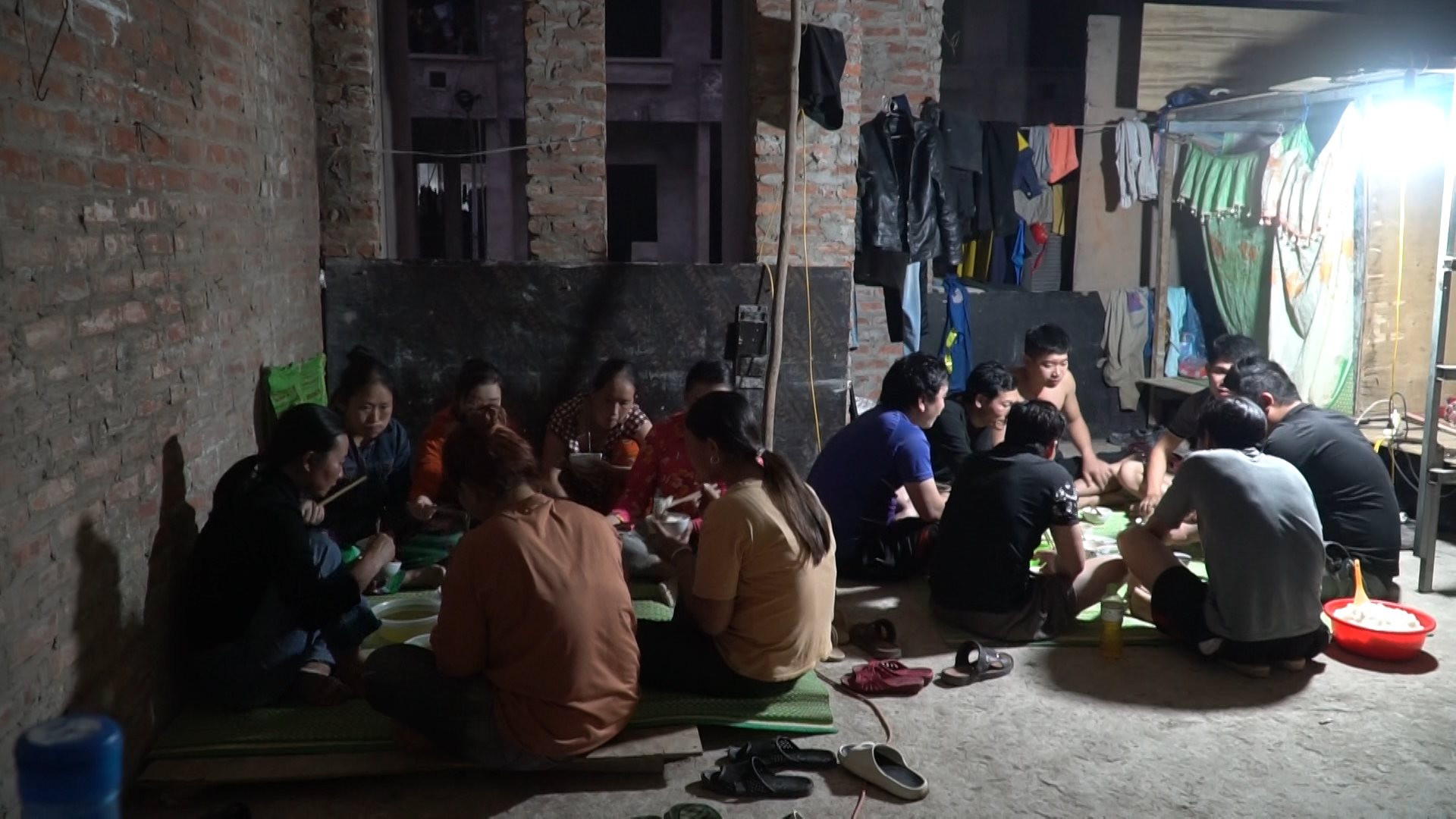
Hầu hết người lao động đến từ Nghệ An, Thanh Hóa, Nam Định, Vĩnh Phúc, Tuyên Quang… họ sống tập trung ở các căn biệt thự, shophouse, ban ngày làm lao công, thợ xây, cơ khí… ban đêm thì quây quần với nhau trong căn biệt thự triệu đô nhưng “không” đủ thứ: Không điện, không nước sạch, nhà vệ sinh không vận hành được…
Cuộc sống sinh hoạt tạm bợ trong biệt thự triệu đô của người lao động tự do - Ảnh Ngọc Vũ
Lê Khắc Nam (quê Thanh Hóa) hiện đang ở tạm trong căn biệt thự ở quận Hoàng Mai, cho biết: “Em bỏ học năm lớp 9, theo bác hàng xóm ra đây làm phụ hồ, giờ em được làm thợ xây, nếu như không có mọi người đùm bọc, chỉ bảo thì em cũng không biết mình giờ ở đâu”.
Mấy ngày nay, học sinh được nghỉ hè, nhiều đứa trẻ được bố mẹ về quê đón lên Hà Nội chơi, các em lần đầu tiên được ở biệt thự triệu đô cùng bố mẹ. Chị Lê Thị Hải (quê Nghệ An) cho biết: Cháu được nghỉ hè, bảo nhớ bố mẹ nên chị về đưa cháu ra đây chơi. Không có điều hòa, có hôm nóng quá mãi tối khuya mới ngủ được, thương con nhưng chị cũng không còn cách nào. Chị dự định cho cháu ở 1 - 2 tuần rồi đưa về quê ở với ông bà.
Cô Hoàng Thị Sỹ - đầu bếp chính nấu ăn cho hơn 30 lao động, cho biết: "Mấy ngày nay khu nhà trọ vui hẳn lên, có 5 đứa trẻ được bố, mẹ đón lên chơi, tôi ban ngày vừa nấu ăn vừa kiêm luôn nhiệm vụ bảo mẫu, được cái chúng nó mỗi đứa một quê nhưng chơi rất đoàn kết, nhường nhịn nhau".
Ở một số KĐT trên địa bàn Hòa Bình, Hà Nam, Quảng Ninh… tại đây, tình trạng người lao động có thu nhập thấp ở tạm trong các căn biệt thự,
shophouse vẫn có, tuy không nhiều. Khi chúng tôi tiếp cận dưới góc độ phóng viên thì họ một mực từ chối trả lời hoặc có trường hợp chủ động xin không tiết lộ thông tin, không chụp hình… với lý do sợ chủ nhà, chủ đầu tư không cho thuê tiếp.
(Lưu ý: Tên nhân vật trong bài đã được thay đổi để bảo vệ quyền riêng tư).
Bài 4: Hoàn thiện thể chế, đưa BĐS cao cấp về giá trị thật
Các doanh nghiệp phát triển dự án BĐS và nhà đầu tư cần phải hy sinh lợi ích nhỏ, ngắn hạn vì lợi ích dài hạn, chủ động tái cấu trúc doanh nghiệp, tập trung vào dự án cốt lõi, giảm nợ vay, kiểm soát tốt trái phiếu doanh nghiệp và hạn chế phụ thuộc quá nhiều vào tổ chức tín dụng. Còn đối với cơ quan quản lý, Nhà nước cần sớm hoàn thiện thể chế pháp lý thông suốt từ Trung ương đến địa phương và phân chia quyền lực quản lý rõ ràng, tránh chồng chéo, thiếu tính gắn kết như hiện nay.
Hy sinh lợi ích nhỏ
Đối với doanh nghiệp, lợi ích bao giờ cũng được ưu tiên đặt lên hàng đầu, việc hy sinh lợi ích ngắn hạn vì lợi ích tổng thể, lâu dài quả thật là lựa chọn vô cùng khó khăn. Tuy nhiên, với một doanh nghiệp chuyên kinh doanh BĐS cao cấp thì phải có bản lĩnh, tầm nhìn xa và sự hiểu biết nhất định để đứng trước việc cần phải hy sinh những dự án không có lãi hoặc có nhưng khả năng sinh lời thấp, đồng thời phải tái cấu trúc doanh nghiệp, giảm nợ vay, tập trung vào ngành nghề chính, dự án cốt lõi… đó mới là quyết định sáng suốt.
Ông Đinh Văn Nghị - Chủ tịch HĐQT - Tổng Giám đốc Công ty CP VinaPol - đơn vị có thâm niên phát triển dự án BĐS thẳng thắn chia sẻ: Các doanh nghiệp BĐS nên tranh thủ thời gian này nhìn nhận lại chính mình, phải tiến hành tái cấu trúc doanh nghiệp, giảm nợ vay, giảm lệ thuộc vào các tổ chức tín dụng, mạnh dạn cắt bỏ các dự án rủi ro cao, không đầu tư dàn trải, manh mún. Tránh tình trạng chạy theo số lượng, phát triển nóng, bởi một khi gặp phải khó khăn thì quay đầu sẽ không kịp.
Với “thượng đế”, ngoài việc có tiền thì cần tìm hiểu kỹ pháp lý của dự án BĐS mà mình có ý định đầu tư hoặc mua để ở lâu dài, việc này không khó nhưng đòi hỏi nhà đầu tư phải nghiêm túc xem xét, tránh “mất bò mới lo làm chuồng”. Trên thực tế, hiện có rất nhiều dựa án BĐS cao cấp mặc dù đã triển khai xây dựng, thậm chí cho khách hàng vào ở nhưng thủ tục pháp lý vẫn chưa xong, hạ tầng chưa đồng bộ. Dẫn tới tình trạng biệt thự, shophouse có chủ nhưng không có người ở, để bỏ hoang, cỏ mọc um tùm, gây lãng phí tài nguyên.
Doanh nghiệp BĐS trong nước đang phải thắt lưng buộc bụng, giảm nợ vay, giảm lệ thuộc vào các tổ chức tín dụng và mạnh dạn cắt bỏ các dự án rủi ro cao, không đầu tư dàn trải, manh mún - Ảnh minh họa.
Các địa phương cũng nên chọn lựa kỹ chủ đầu tư có uy tín, tiềm lực tài chính vững, không nên chạy theo phong trào, tránh tư duy phát triển BĐS cao cấp tràn lan, thiếu quy hoạch về định hướng. Đây là tư duy sai lầm, có thể sẽ dẫn tới nhiều hệ lụy về sau. Ngoài ra, các địa phương cần tăng cường công tác kiểm tra, giám sát, thẳng thắn xử lý các chủ đầu tư sai phạm, chậm tiến độ, thậm chí thu hồi dự án, tránh để xảy ra tình trạng bỏ hoang hóa, gây lãng phí tài nguyên trong khi Nhà nước thất thu thuế, phí.
Cần “bàn tay” của Nhà nước
Thực tế, thị trường BĐS nói chung và BĐS cao cấp nói riêng lâu nay đang “buông lỏng” về giá, trong khi việc đánh thuế, phí đối với lĩnh vực này còn thấp, chưa tương xứng với nhịp độ phát triển của thị trường, dẫn tới nạn đầu cơ tràn lan, thổi giá, khiến cho người có nhu cầu thực về nhà ở khó tiếp cận. Chưa nói sự chênh lệch về giá BĐS giữa đô thị và nông thôn, ngay nội tại các thành phố lớn như: Hà Nội, Hải Phòng, TP.HCM… cũng có sự chênh lệch rõ rệt. Do đó, nhiều chuyên gia BĐS cho rằng, Nhà nước cần phải tham gia trực tiếp điều tiết thị trường BĐS, bởi hiện tại Nhà nước có đủ công cụ pháp lý để kiểm soát việc này.
Theo nhiều chuyên gia, thị trường BĐS cao cấp đang bị tắc nghẽn, dẫn tới cung - cầu mất cân đối, kéo theo đó là hàng loạt các ngành nghề khác bị giảm động lực tăng trưởng. Do đó, cần phải khơi thông ngay thị trường BĐS, từ đó, dòng tiền từ trong nước và nước ngoài đổ vào BĐS tăng lên và việc mua bán, sáp nhập doanh nghiệp, dự án BĐS sẽ diễn ra theo quy luật thị trường... qua đó góp phần thúc đẩy tăng trưởng kinh tế và tạo nên sức lan tỏa cho tất cả các ngành nghề khác phát triển.
“
Nghị quyết 18-NQ/TW ngày 16/6/2022 của BCH Trung ương đã chỉ ra: “Tiếp tục đổi mới, hoàn thiện thể chế, chính sách, nâng cao hiệu lực, hiệu quả quản lý và sử dụng đất, tạo động lực đưa nước ta trở thành nước phát triển có thu nhập cao”, được kỳ vọng sẽ tác động mạnh mẽ nhiều mặt cho thị trường BĐS Việt Nam thời gian tới.
Mặt khác, thủ tục hành chính để giải quyết cho doanh nghiệp thực hiện dự án về đất đai tuy đã được tháo gỡ, song vẫn còn vướng và kéo dài.
Vòng luẩn quẩn này cứ lặp đi lặp lại, từ dự án này đến dự án khác, từ doanh nghiệp này tới doanh nghiệp khác, năm này qua năm khác... thế mới có câu "sợ không đủ căn cứ pháp luật", hay “chờ ý kiến chỉ đạo của cấp trên”, khiến các dự án đầu tư bị tắc, không triển khai được, kéo theo nguồn lực của xã hội không phát huy hiệu quả.
Về hỗ trợ nguồn vốn đầu tư, một doanh nghiệp chuyên phát triển dự án BĐS (xin giấu tên) cho biết: "Hiện nay, các tổ chức tín dụng làm rất tốt việc hoãn, giãn nợ cho doanh nghiệp: Chính phủ đã chỉ đạo “nới room” tín dụng cho BĐS, song, theo tôi, nên đi kèm khơi thông trái phiếu cho doanh nghiệp. Hiện nay, chúng tôi tiếp cận vay vốn ngân hàng rất khó. Tâm lý lo sợ đã lan rộng khắp và có nguy cơ biến thành “bệnh xã hội”.
Nhiều chuyên gia BĐS cho rằng, Nhà nước cần phải tham gia trực tiếp điều tiết thị trường BĐS, bởi hiện tại Nhà nước có đủ công cụ pháp lý để kiểm soát việc này.
Việc hoàn thiện thể chế, chính sách về quản lý, sử dụng đất đồng bộ và phù hợp với thể chế phát triển nền kinh tế thị trường định hướng xã hội chủ nghĩa sẽ khơi thông nguồn lực đất đai, giúp Nhà nước quản lý, khai thác, sử dụng bảo đảm tiết kiệm, bền vững, hiệu quả cao nhất về đất đai. Để làm được điều đó, việc hoàn thiện sửa đổi Luật Đất đai, Luật Nhà ở, Luật Kinh doanh bất động sản… phải bảo đảm tính đồng bộ, thống nhất, đang đòi hỏi rất cấp bách. Ngoài ra, cần kiện toàn tổ chức bộ máy quản lý nhà nước về đất đai, bảo đảm tinh gọn, thống nhất, loại bỏ khâu trung gian, đẩy mạnh phân cấp, phân quyền, đi kèm theo cơ chế kiểm tra, giám sát và kiểm soát quyền lực.
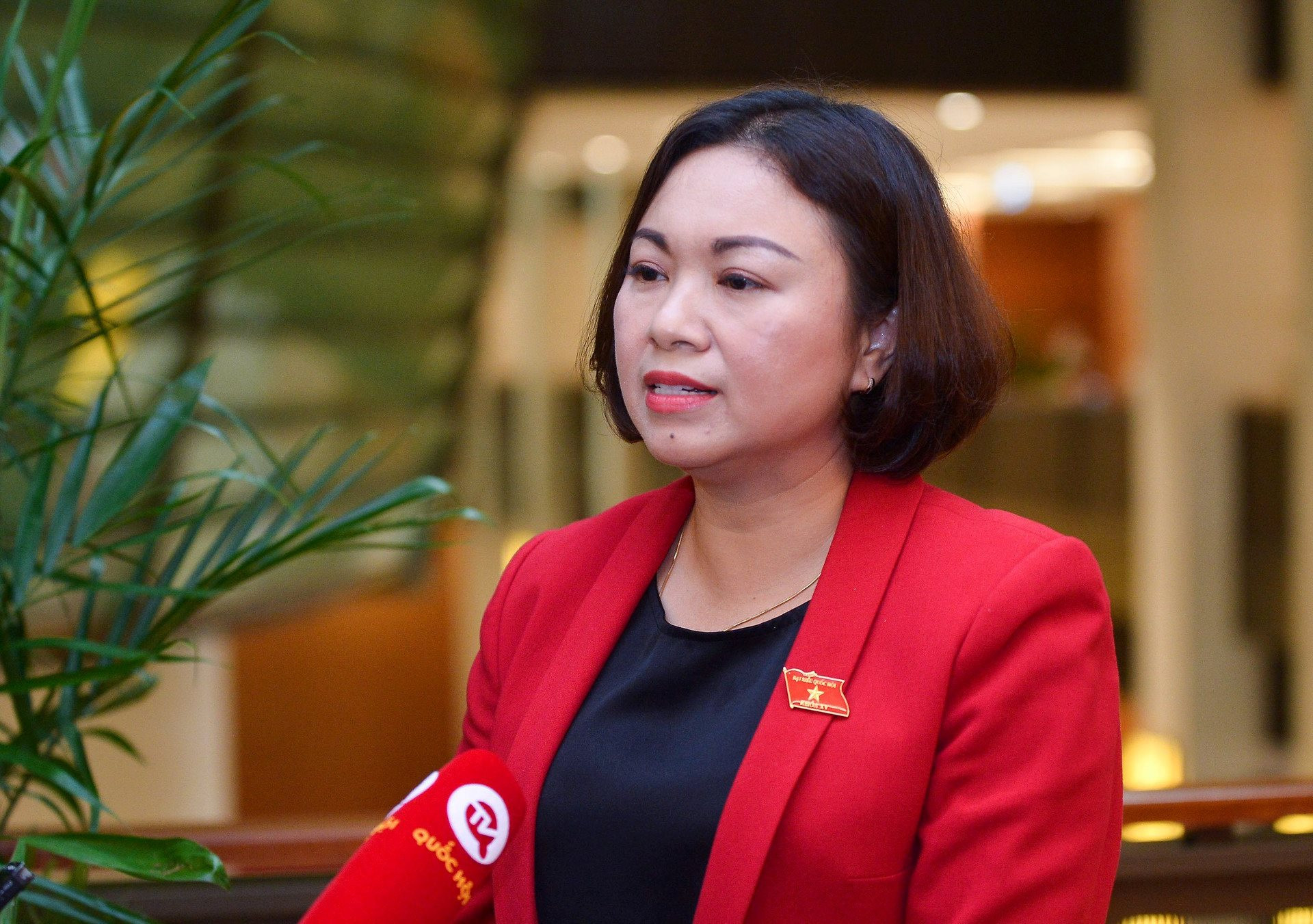
Đại biểu Đặng Bích Ngọc- Đoàn Đại biểu Quốc hội tỉnh Hòa Bình
Cần giải quyết được vấn đề dự án treo, chậm tiến độ
Dự thảo Luật Đất đai (sửa đổi) trình Kỳ họp thứ 5 lần này trên cơ sở tổng hợp sau đợt lấy ý kiến rộng rãi toàn thể nhân dân. Cá nhân tôi đánh giá cao những nỗ lực của Bộ Tài nguyên và Môi trường trong việc tổng hợp, lấy ý kiến của cử tri và nhân dân cả nước, trên cơ sở sàng lọc, đánh giá và điều chỉnh vào Dự thảo Luật Đất đai (sửa đổi) trình Quốc hội khóa XV trong Kỳ họp lần thứ 5 này.
Dự thảo Luật cần giải quyết được vấn đề các dự án treo, chậm tiến độ. Ví dụ như hiện nay ở rất nhiều tỉnh, thành phố có nhiều dự án được cấp phép đầu tư nhưng do nhiều yếu tố khách quan nên chậm triển khai hoặc chỉ thực hiện vài bước thủ tục, sau đó, không triển khai 5 năm, thậm chí 10 năm gây lãng phí tài nguyên đất đai và bức xúc cho người dân.
Tôi mong Dự thảo Luật Đất đai (sửa đổi) lần này phải có quy định chặt chẽ, cụ thể để giúp cho địa phương xử lý được vấn đề này một cách căn cơ, triệt để. Bởi vì, thời gian qua, nhiều dự án treo, chậm tiến độ nhưng khi thanh tra, kiểm tra thì chủ đầu tư vẫn có những lý do: Đã thực hiện một phần hoặc do điều kiện khách quan.
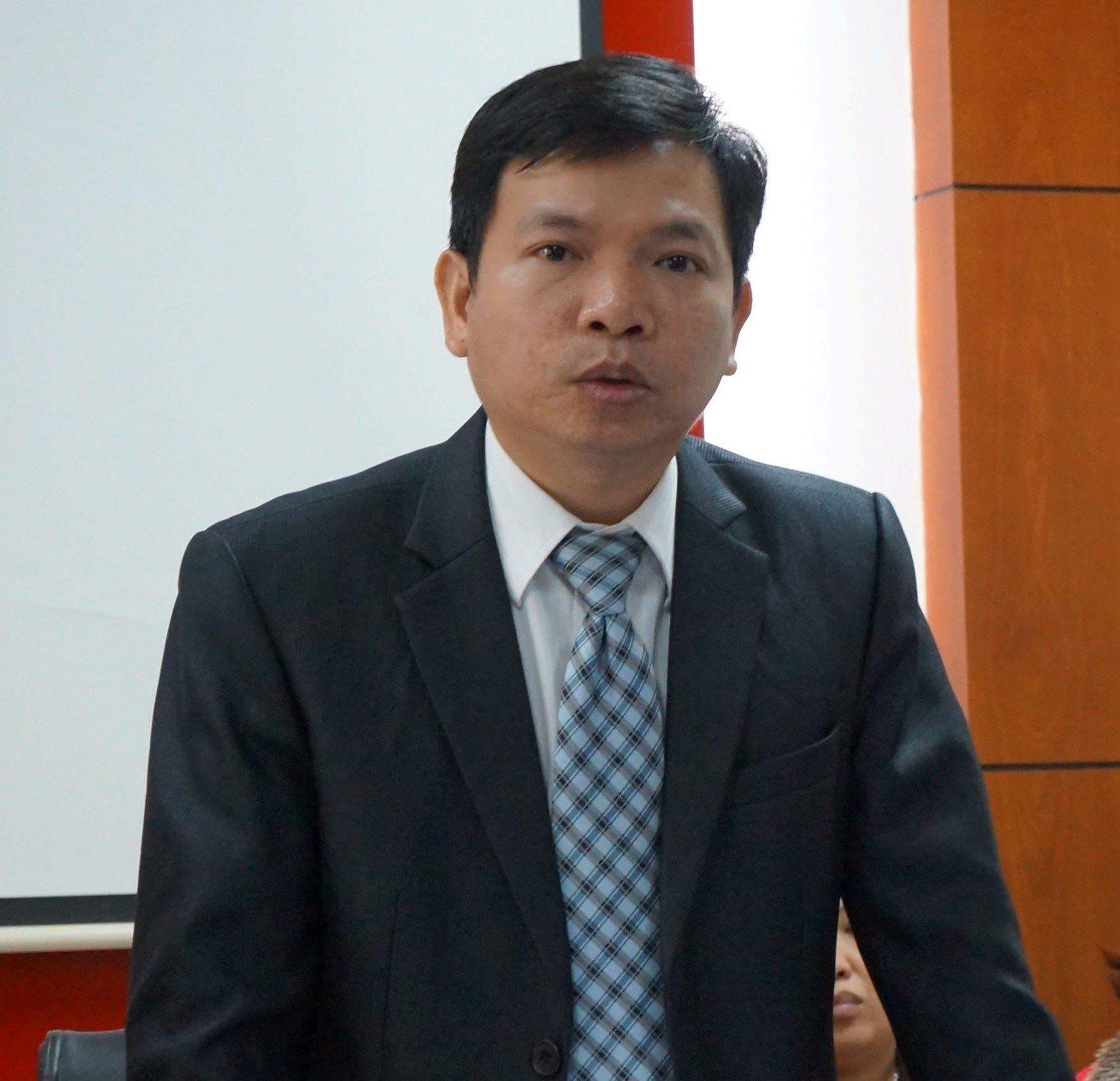
Luật sư Nguyễn Hồng Bách - Giám đốc Công ty Luật TNHH Hồng Bách và Cộng sự
“Xuống” tiền đầu tư phải thận trọng
Hiện nay, trong tình hình kinh tế biến động, đầu tư BĐS vẫn là một điểm đến an toàn với những nhà đầu tư. Do đó, các dự án BĐS đang được rất nhiều người quan tâm. Chính vì vậy, việc tìm hiểu kỹ về các dự án BĐS, nhất là BĐS cao cấp là một việc hết sức cần thiết và ý nghĩa đối với nhà đầu tư.
Tuy nhiên, nhà đầu tư BĐS cần thận trọng khi “xuống tiền”. Thứ nhất, phải tìm hiểu kỹ về pháp lý và thương hiệu, uy tín của chủ đầu tư. Thứ hai, phải biết được tiến độ thực hiện dự án, do vậy, người mua cần phải theo dõi cập nhật tiến độ thi công của dự án để tránh gặp phải những rủi ro có thể gây ảnh hưởng đến quyền và lợi ích của mình. Thứ ba, tính pháp lý của các loại giấy tờ như: Giấy phép đầu tư của dự án, Giấy phép xây dựng… người mua cần phải quan tâm tới các loại giấy tờ trên, vì khi gặp phải tranh chấp sẽ thuận lợi hơn trong quá trình xử lý quyền lợi. Thứ tư, nội dung điều khoản hợp đồng và các chi phí khác. Người đầu tư dự án BĐS phải đọc, hiểu thật kỹ những điều khoản thỏa thuận được nêu ra trong hợp đồng trước khi ký hợp đồng và đưa ra quyết định “xuống tiền”.
Bà Đỗ Thu Hằng - Giám đốc Cấp cao, Bộ phận Nghiên cứu và Tư vấn, Savills Hà Nội
Quan tâm đến pháp lý của dự án
Nguồn cung đang được bán trực tiếp từ chủ đầu tư trong các dự án hiện nay của phân khúc cao cấp rất hạn chế, có thể nói là khan hiếm, trong khi dự án BĐS mới được khởi công chỉ tính trên đầu ngón tay, một phần do ảnh hưởng khủng hoảng tài chính toàn cầu, một phần do nhiều dự án chưa hoàn thiện hoặc khó hoàn thiện được các thủ tục pháp lý để tiến hành khởi công… đó là những nguyên nhân chính khiến nguồn cung BĐS cao cấp trong thời gian tới sẽ hạn chế.
Tuy nhiên, nhà đầu tư cần trang bị các thông tin về dự án rõ ràng nhất, đồng thời phải có các cam kết cụ thể, ràng buộc nhiều bên với nhau. Ngoài ra, khung pháp lý phải bao quát, đầy đủ, rõ ràng, hướng dẫn chi tiết… sẽ giúp thanh lọc chủ đầu tư và thúc đẩy thị trường phát triển bền vững, tránh tạo ra những biến động nhiều về giá, đồng thời, vẫn đảm bảo lợi ích cho Nhà nước.























































































Comment (0)