

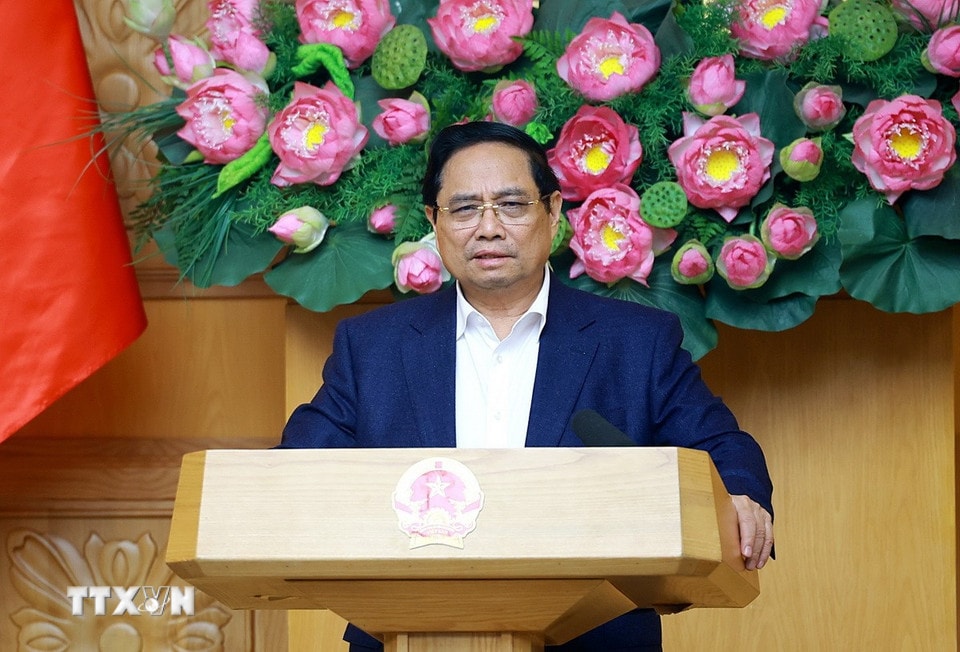
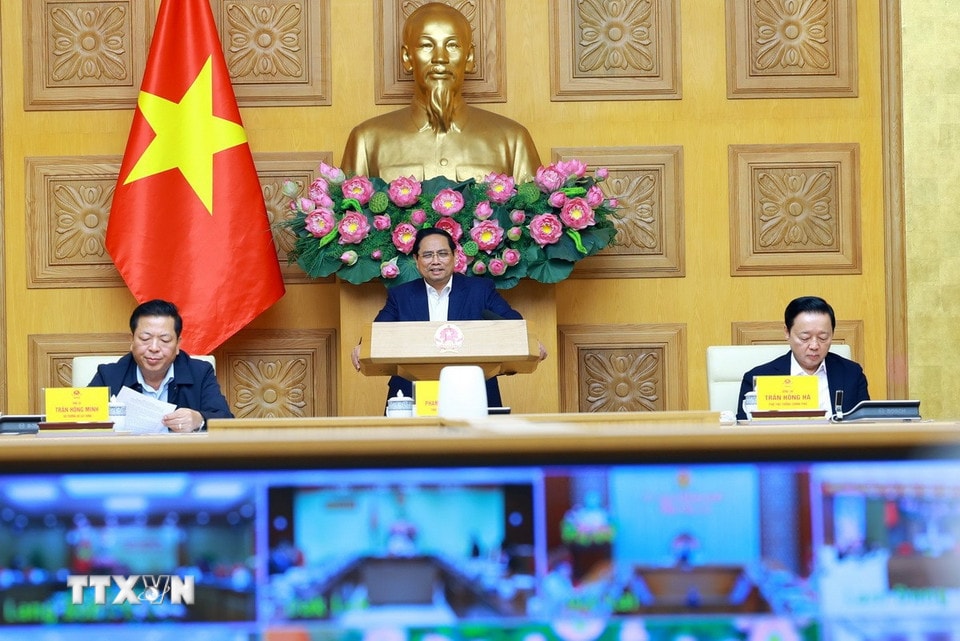
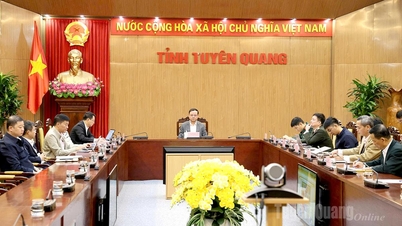
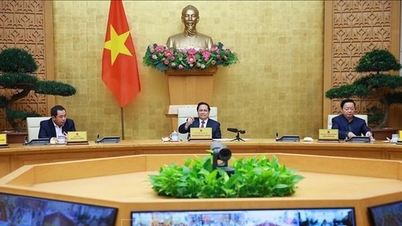
The meeting was held in person at the Government Headquarters and online to provincial and city locations. Attendees included: Deputy Prime Minister Tran Hong Ha; leaders of ministries, central agencies; leaders of provinces and cities; representatives of real estate associations and businesses; and economic experts.
According to the Steering Committee, from the beginning of 2025 to the present, the Government and the Prime Minister have issued 6 resolutions; the Prime Minister has issued 1 decision on assigning targets for social housing development, 3 telegrams and 1 directive; the Prime Minister and Deputy Prime Ministers have issued approximately 15 notices of conclusions, directives, and management related to social housing development and real estate market management; the Prime Minister has chaired 6 nationwide conferences, both in-person and online, related to social housing and the real estate market.
Recent legal policies have had a strong impact on the real estate market in general and the housing market in particular. Especially with the decisive direction and attention of the Government and the Prime Minister, the real estate market has seen many positive changes. Many real estate projects have had their legal difficulties and obstacles resolved, allowing for continued implementation and facilitating the release of resources and the creation of new supply for the market. According to statistics, the contribution of the construction and real estate sector to GDP in recent years accounts for approximately 11%. Of this, the direct and indirect contribution of the real estate sector through other sectors is about 4.5%.
Regarding the development of social housing, under the Project to build 1 million social housing units, to date, the whole country has 698 social housing projects under implementation with a scale of 657,441 units, including: 193 completed projects with a scale of 169,143 units; 200 projects that have started construction and are under implementation with a scale of 134,111 units; and 305 projects that have received investment approval with a scale of 354,187 units. The number of completed, started construction, or approved investment social housing units by 2025 will reach 62% of the target set in the Project.
Nineteen provinces and cities met or exceeded their assigned targets; meanwhile, 12 localities failed to meet their targets. Along with localities, ministries and agencies such as the Ministry of National Defense, the Ministry of Public Security, and the Vietnam General Confederation of Labor also have many social housing projects serving military personnel, trade union officials, and workers.
However, some real estate projects face legal obstacles and slow implementation; many localities have not paid sufficient attention to the product structure and land allocated for housing development, especially social housing; the housing supply is mainly in the mid-to-high-end segment, lacking affordable housing for the majority of the population; real estate prices remain high compared to the income of the majority of the population, exceeding their ability to pay…
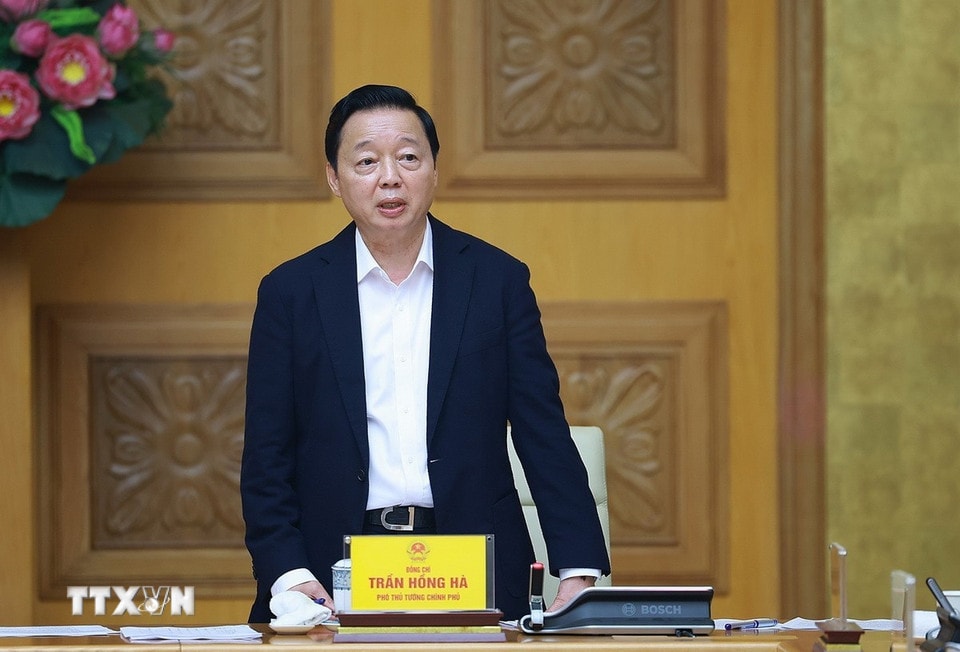
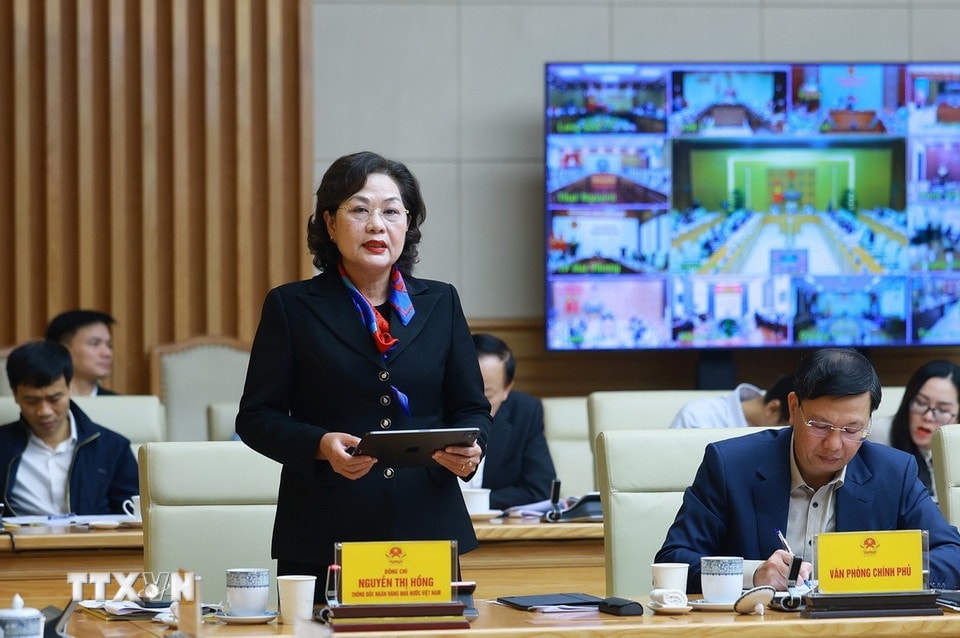
At the meeting, delegates proposed continuing to review and improve institutions and policies related to housing and real estate to ensure consistency, uniformity, feasibility, and effectiveness; researching mechanisms and policies to promote the development of affordable commercial housing and various types of housing for rent and lease-purchase, ensuring they are in line with people's affordability; urgently establishing a National Housing Fund to receive capital, invest in, create, manage, operate, and rent housing; and researching and establishing a State-run Real Estate and Land Use Rights Transaction Center…
Simultaneously, focus on accelerating the implementation of real estate and housing projects to increase market supply; promote the development of social housing, focusing on completing the target of the "Investment in the construction of at least 1 million social housing units for low-income earners and industrial park workers in the period 2021-2030" project; conduct inspections and audits to promptly correct, prevent, and strictly handle violations in real estate business activities, real estate trading services, and real estate brokerage services; address existing shortcomings, inadequacies, and potential negative consequences in the review, purchase, lease-purchase, and rental of social housing.
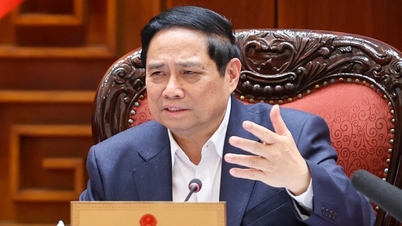
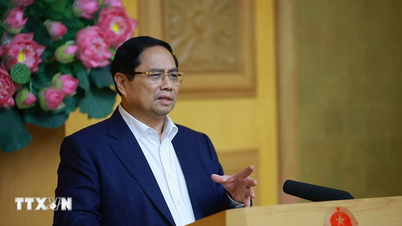
Concluding the meeting, Prime Minister Pham Minh Chinh assessed that, as 2025 passed, the real estate and housing market situation had undergone many positive changes. In particular, with the involvement of the entire political system, the armed forces, the people, and businesses, the whole country successfully eliminated temporary and dilapidated housing nationwide, with over 334,000 houses demolished, reaching the target five years ahead of schedule. However, due to objective factors such as potential natural disasters, the review and continuous elimination of temporary and dilapidated housing must continue, ensuring that no one is left without housing.
Regarding the development of social housing, after several previous terms of slow implementation, this term has seen a breakthrough. The project to build 1 million social housing units has achieved 62% of its target. In 2025 alone, the country will exceed the target by 100,000 social housing units. At this rate, the project to build 1 million social housing units will be completed by the end of 2028 at the latest.
The Prime Minister requested that, building on the achievements, localities proactively allocate land and materials, establish green channels to streamline administrative procedures, and immediately resolve obstacles to develop social housing. This is a highly humane policy of our regime, implementing the principle of not sacrificing fairness, social progress, and the environment for purely economic growth; contributing to increasing the supply of social housing, meeting the housing needs of those in need, stabilizing housing for the people; contributing to reducing real estate prices and promoting economic growth.
Along with that, the real estate market has seen many positive changes. Many real estate projects have had their legal difficulties and obstacles resolved, allowing for continued implementation and facilitating the unlocking of resources and the creation of new supply for the market. This contributes to socio-economic development, the development of modern, bright, green, clean, and beautiful urban areas, and the stability of security, order, and social safety.
Essentially agreeing with the proposals of leaders from ministries, sectors, and localities regarding tasks and solutions for developing the real estate market and social housing in the coming period, Prime Minister Pham Minh Chinh requested the urgent construction of a database on the real estate market, commercial housing, social housing, temporary housing, and dilapidated housing nationwide, to be completed in the first quarter of 2026; continued review and improvement of institutions, including flexible regulations to increase access to housing for people, with forms of purchase, rental, and lease-purchase; and the development of a healthy and stable real estate market, linked to the healthy and stable development of related industries such as raw materials, etc.
Directing the diversification of capital sources for real estate, including commercial and social housing, with sources such as bank loans, bonds, and FDI capital, Prime Minister Pham Minh Chinh emphasized the need to manage the capital market in a healthy and proper direction for real estate, ensuring harmony and balance; and to promote preferential credit packages for social housing and housing for people under 35 years old.
In the spirit of "harmonious benefits, shared risks," the Prime Minister also requested solutions to control real estate prices, including controlling the input costs of real estate; reviewing and clarifying the causes and resolving difficulties and obstacles, and addressing real estate inventory; promoting digital transformation to ensure a transparent and healthy real estate market; urgently establishing a Real Estate and Land Use Rights Transaction Center; and developing industrial real estate…
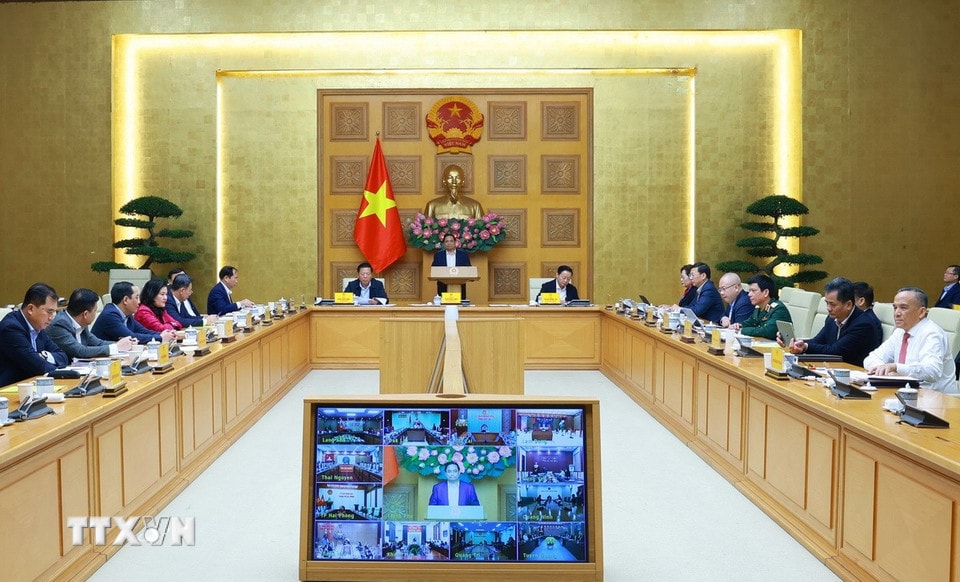
Emphasizing: “The Party directs, the State must create, businesses must be pioneers, public and private sectors must work together, the country develops, and the people are happy,” the Prime Minister requested localities to continue perfecting planning, allocating land for social housing; reforming administrative procedures, cutting 50% of administrative procedures related to social housing; urgently establishing a Steering Committee on housing policy and real estate market; reviewing eligible buyers and renters of social housing to ensure transparency, accuracy, and prevent corruption.
The Prime Minister urged businesses, especially large enterprises, to undertake the task of developing social housing with the spirit of "harmonious benefits and shared risks." Media outlets should strengthen their efforts to promote and replicate successful models and effective practices, regardless of whether they are undertaken by individuals or groups within or outside the state sector, as long as those individuals or groups benefit the country and its people.
Emphasizing that real estate is a very sensitive sector, the Prime Minister requested leaders of ministries, sectors, and localities to pay attention to leadership and guidance, closely follow practical realities, and respond promptly to ensure the healthy, safe, and sustainable development of the real estate market; along with developing social housing to meet the needs and right to housing of the people.
Source: https://daibieunhandan.vn/thu-tuong-pham-minh-chinh-phai-dap-ung-nhu-cau-nha-o-va-quyen-co-cho-o-cua-nhan-dan-10400816.html

![[Live] 2025 Community Action Awards Gala](/_next/image?url=https%3A%2F%2Fvphoto.vietnam.vn%2Fthumb%2F1200x675%2Fvietnam%2Fresource%2FIMAGE%2F2025%2F12%2F16%2F1765899631650_ndo_tr_z7334013144784-9f9fe10a6d63584c85aff40f2957c250-jpg.webp&w=3840&q=75)
![[Photo] Prime Minister Pham Minh Chinh receives Lao Minister of Education and Sports Thongsalith Mangnormek](/_next/image?url=https%3A%2F%2Fvphoto.vietnam.vn%2Fthumb%2F1200x675%2Fvietnam%2Fresource%2FIMAGE%2F2025%2F12%2F16%2F1765876834721_dsc-7519-jpg.webp&w=3840&q=75)

![[Photo] Prime Minister Pham Minh Chinh receives the Governor of Tochigi Province (Japan)](/_next/image?url=https%3A%2F%2Fvphoto.vietnam.vn%2Fthumb%2F1200x675%2Fvietnam%2Fresource%2FIMAGE%2F2025%2F12%2F16%2F1765892133176_dsc-8082-6425-jpg.webp&w=3840&q=75)
![[Image] Leaked images ahead of the 2025 Community Action Awards gala.](/_next/image?url=https%3A%2F%2Fvphoto.vietnam.vn%2Fthumb%2F1200x675%2Fvietnam%2Fresource%2FIMAGE%2F2025%2F12%2F16%2F1765882828720_ndo_br_thiet-ke-chua-co-ten-45-png.webp&w=3840&q=75)




















































Comment (0)