

Established at the end of 2024, the Van Don Marine Aquaculture Association actively connects and cooperates, creating a sustainable supply chain in the field of marine aquaculture, contributing to high value creation and safe, sustainable development for the marine aquaculture industry in Van Don in particular and the province in general.
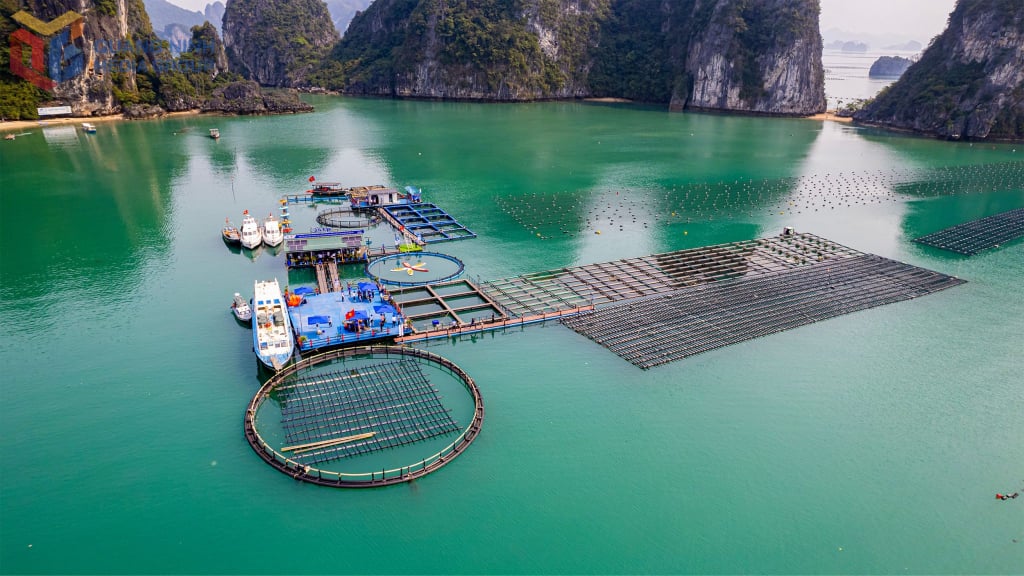
The Van Don Marine Aquaculture Branch (Vietnam Marine Aquaculture Association) comprises 21 members, representing companies and cooperatives involved in aquaculture and seafood processing in the area. The branch aims to: unite businesses, cooperatives, and fishing households that are members of the association in the locality to foster solidarity, connection, and information sharing on technology and markets; coordinate with the government to create a sustainable supply chain in the marine aquaculture industry; increase profits and protect the legitimate interests of its members; and contribute to the protection of the marine environment and ecosystem of Van Don district.
According to Ms. Pham Thi Thu Hien, Head of the Van Don Marine Aquaculture Association, marine aquaculture in Van Don still has great potential for development, but is facing many challenges from natural disasters and diseases. Previously, due to individual operations on a small scale, the efficiency of aquaculture was not high, and disease outbreaks were frequent. The establishment of the association and participation in the Vietnam Marine Aquaculture Association has helped companies, cooperatives, and households receive training, learn, and apply high technologies in aquaculture and processing; helping to minimize risks from diseases, control and improve the quality of aquaculture.
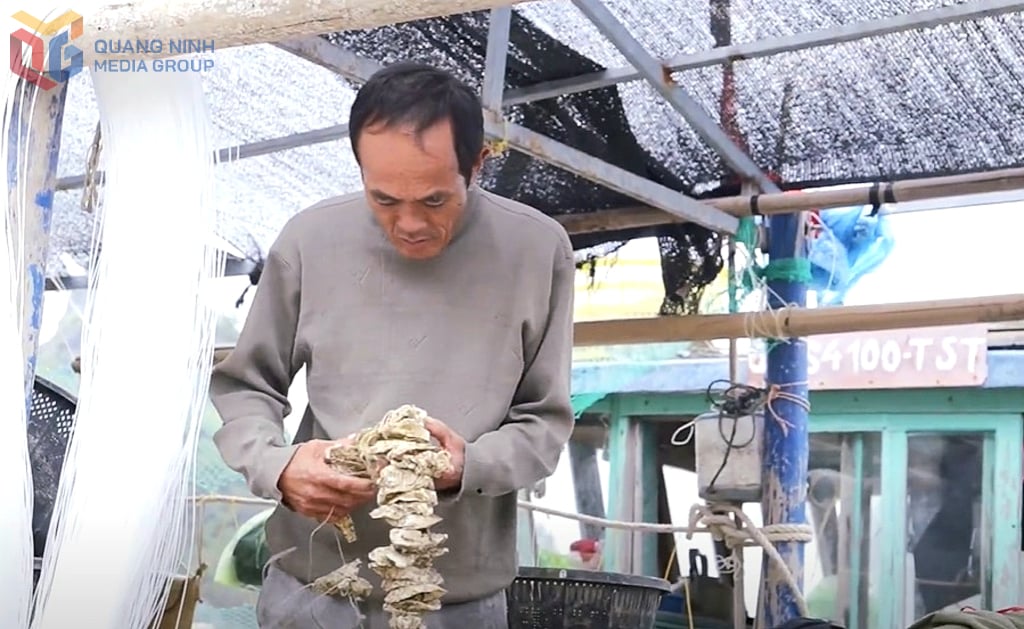
Recently, the branch association organized a workshop to analyze the advantages and disadvantages of two models: intercropping seaweed and oysters, and oyster farming using detachable cages. Currently, in Quang Ninh, there are three main oyster farming methods: floating cages, bamboo rafts, and scaffolding. Floating cages and bamboo rafts have low investment costs, but the quality of the oysters is inconsistent, the oysters are not aesthetically pleasing, and the meat yield is low. The detachable cage farming system, manufactured by an Australian company, enhances the value of the oysters, meets export standards, and reduces farming costs. The cage system is easy to install, stock, and harvest; reduces labor costs; produces oysters with beautiful, clean shapes and fewer parasites; yields a high meat recovery rate; and minimizes the impact of extreme weather.
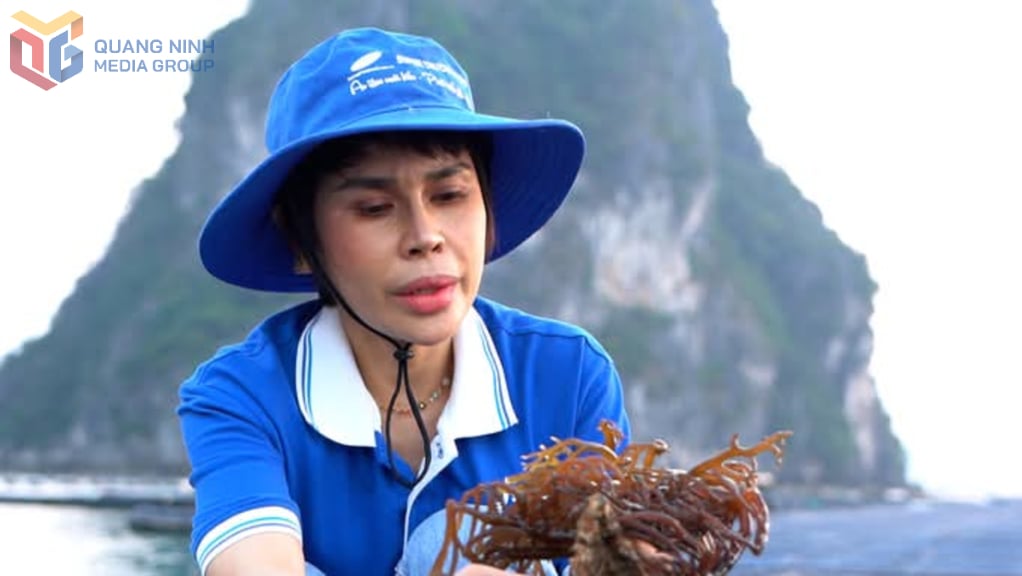
As for the mixed farming model of seaweed and oysters, it's very easy for farmers who are already raising oysters to implement it because it only requires small-scale investment in mixed farming, but in an industrial manner, due to the rapid growth of seaweed. Seaweed provides microorganisms that help oysters grow better, while also absorbing excess nutrients from the water, minimizing environmental pollution.
Ms. Nguyen Thi Hai Binh, Head of the Study Committee of the Van Don Marine Aquaculture Association, shared: "With 5 hectares of seaweed farming intercropped with oysters, we harvest 100 tons of seaweed and over 200 tons of oysters annually, bringing in approximately 5 billion VND from both seaweed and oysters. On average, farmers earn a profit of over 500 million VND/hectare/year. Through the pilot implementation, I assess this model as bringing many economic and environmental benefits, contributing to increasing income for aquaculture farmers. The Association always hopes that its members, as well as marine aquaculture cooperatives, will change their farming mindset, access new technologies, and take steps to develop the farming area."
Mr. Tran Van Dac, Director of Quyet Tien Aquaculture Cooperative, said: "After participating in workshops and gaining a clear understanding of the advantages and disadvantages of new aquaculture technologies, I feel very reassured and will implement a suitable model for testing in the cooperative's farming area. The support of the government, organizations, and professional associations is the driving force for cooperatives to quickly recover after typhoon No. 3/2024, aiming towards the goal of being able to export."
To strengthen the connections between the various links in the marine aquaculture chain, from broodstock, feed, veterinary medicine to processing and consumption, the Van Don Marine Aquaculture Association proactively participates in the G7 marine fish farming supply chain. The remaining 6 members in the supply chain include units involved in pathology research, training and technology transfer; providing medicines for preventing and treating shrimp and fish diseases; supplying marine aquaculture supplies such as nets, buoys, and HDPE ropes; supplying broodstock, consuming and processing finished fish products; providing marine fish feed and supporting nutritional services…
Mr. Nguyen Huu Dung, Chairman of the Vietnam Aquaculture Association, commented: The launch of the supply chain is a driving force for the sustainable development of the aquaculture industry, contributing to the successful implementation of the program. The solutions outlined in the Project for the Development of Marine Aquaculture in Van Don District until 2030, with a vision to 2045, have been approved . However, close cooperation among members, along with synchronized support policies from management agencies, is necessary for this model to truly be effective, promote the blue marine economy, and optimize the value chain from research and technology to trade and distribution. This will ultimately bring tangible benefits to the local economy and the Vietnamese fisheries sector.
Do Hung
Source

![[Photo] General Secretary and President To Lam presides over a working session with the Central Policy and Strategy Committee on the development of the materials industry.](https://vphoto.vietnam.vn/thumb/1200x675/vietnam/resource/IMAGE/2026/05/21/1779359935432_a3-bnd-3129-1412-jpg.webp)
![[Photo] National Assembly Chairman Tran Thanh Man working with the Standing Committee of the Law and Justice Committee](https://vphoto.vietnam.vn/thumb/1200x675/vietnam/resource/IMAGE/2026/05/21/1779378929214_ndo_br_1-4610-jpg.webp)





















































Comment (0)