

In reality, after each breeding cycle, the poultry houses still contain a lot of waste, dirt, and pathogens that can directly affect the restocking of the flock.
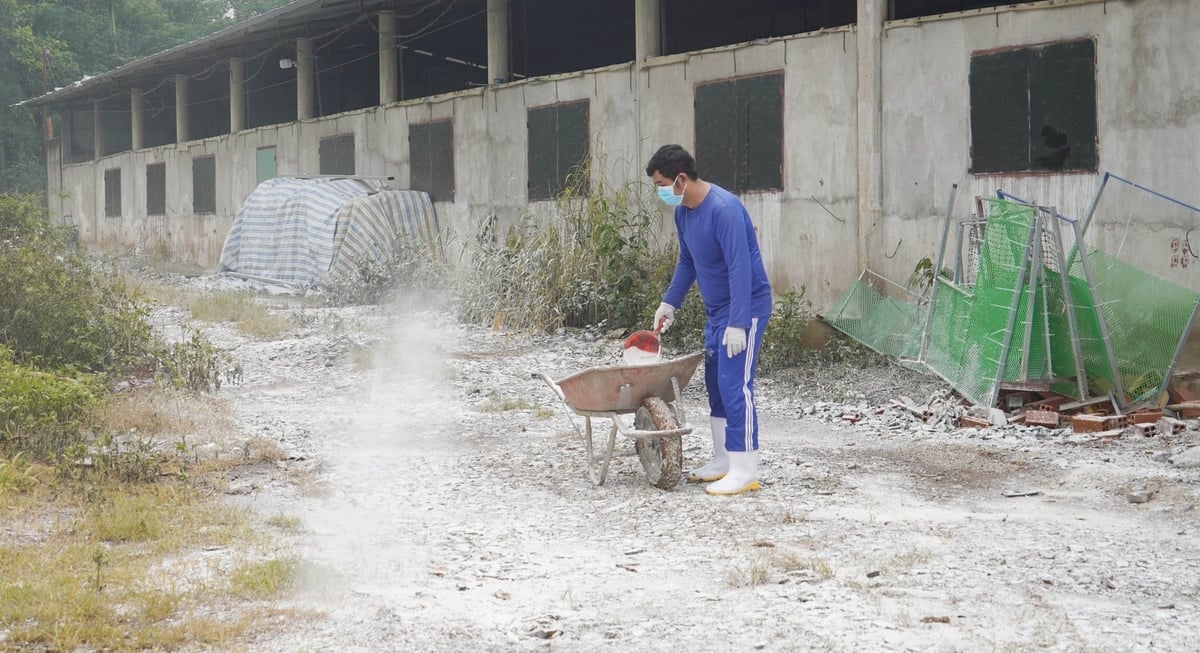
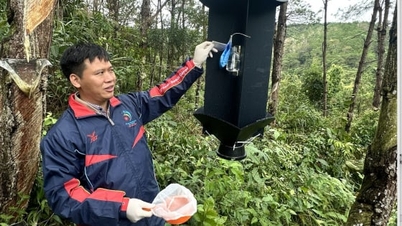
Thorough disinfection inside and outside the poultry farm helps eliminate pathogens before restocking, limiting the spread of disease to the next batch of poultry. Photo: Le Binh .
According to Ms. Pham Thi Thanh Binh, Director of Commercial Colored Chicken Production at Japfa Comfeed Vietnam Co., Ltd., proper farm management and technical procedures are crucial steps in eliminating pathogens, removing odors, and creating a clean and safe environment for the new flock of chickens.
“In poultry farming, disinfecting the poultry house is one of the most important steps, directly determining the effectiveness of the next breeding cycle. According to statistics, this step can affect about 80% of farming efficiency, because if the poultry house is not thoroughly cleaned and disinfected, remaining pathogens will easily spread, causing disease in the new flock. Therefore, cleaning and eliminating pathogens before restocking is a mandatory requirement to ensure biosecurity,” advised Ms. Pham Thi Thanh Binh.
According to Ms. Binh, the first step in the process is mechanical cleaning. After removing all the old bedding, farmers need to thoroughly remove any remaining organic matter such as chicken droppings, dust, feathers, spiderwebs, or residue clinging to the roof, walls, floor, tarpaulins, and equipment inside the coop. This step helps eliminate the breeding ground for microorganisms, creating conditions for disinfectants to be most effective.
Farmers can use brooms, brushes, or high-pressure sprayers to clean surfaces. Soap or disinfectants can be used in combination to sanitize equipment and cages. “Many people think that simply rinsing with water is enough, but in reality, water cannot kill bacteria or viruses that are invisible to the naked eye. Therefore, specialized disinfectants that effectively clean and kill bacteria are necessary,” Ms. Binh emphasized.
When choosing disinfectants, prioritize products with a broad spectrum of antibacterial activity, as recommended by veterinary authorities. The disinfectant should be stable and effective on various surfaces such as metal, plastic, cement, and wood, without causing corrosion or damage to equipment in the barn. Disinfection should be carried out evenly throughout the entire barn area, from the ceiling, walls, floor, corridors, feed storage area, to the surrounding areas.
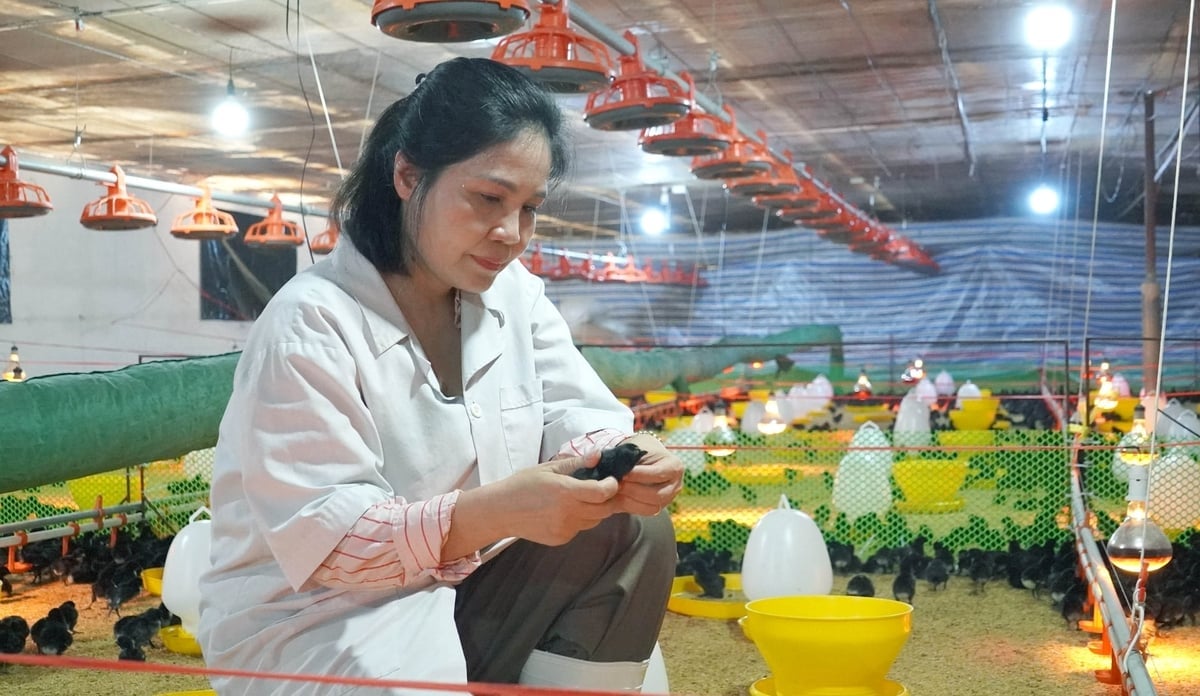
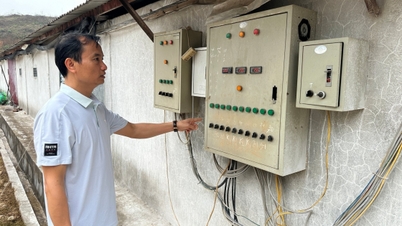
Ms. Pham Thi Thanh Binh: "Properly managing livestock facilities according to biosafety guidelines ensures 80% of the effectiveness of livestock farming." Photo: Le Binh .
After spraying disinfectant, the farmer needs to fumigate the barn with lime powder. With its high pH level, lime can destroy the cellular structure of bacteria and viruses, helping to eliminate any remaining pathogens. The lime can be spread dry around the barn or mixed with water and sprayed, ensuring the entire barn area is covered.
Another important aspect often overlooked is the drinking water system. Plaque and microorganisms can accumulate in water pipes over time. Therefore, it's necessary to disinfect the water lines by pumping a disinfectant solution from one end to the other to clean the entire system. In the absence of specialized disinfectants, farmers can use diluted vinegar to remove dirt and eliminate odors in the pipes.
Implementing all steps from mechanical cleaning, disinfection, fumigation to treating the drinking water system will help ensure the farm environment meets biosecurity requirements, minimize the risk of disease outbreaks, and create a solid foundation for a healthy, efficient, and sustainable chicken farming cycle.
Source: https://nongnghiepmoitruong.vn/xu-ly-chuong-trai-gia-cam-an-toan-sinh-hoc-giua-cac-lua-nuoi-d789365.html

![[Photo] Prime Minister Pham Minh Chinh receives the Governor of Tochigi Province (Japan)](/_next/image?url=https%3A%2F%2Fvphoto.vietnam.vn%2Fthumb%2F1200x675%2Fvietnam%2Fresource%2FIMAGE%2F2025%2F12%2F16%2F1765892133176_dsc-8082-6425-jpg.webp&w=3840&q=75)
![[Live] 2025 Community Action Awards Gala](/_next/image?url=https%3A%2F%2Fvphoto.vietnam.vn%2Fthumb%2F1200x675%2Fvietnam%2Fresource%2FIMAGE%2F2025%2F12%2F16%2F1765899631650_ndo_tr_z7334013144784-9f9fe10a6d63584c85aff40f2957c250-jpg.webp&w=3840&q=75)
![[Image] Leaked images ahead of the 2025 Community Action Awards gala.](/_next/image?url=https%3A%2F%2Fvphoto.vietnam.vn%2Fthumb%2F1200x675%2Fvietnam%2Fresource%2FIMAGE%2F2025%2F12%2F16%2F1765882828720_ndo_br_thiet-ke-chua-co-ten-45-png.webp&w=3840&q=75)
![[Photo] Prime Minister Pham Minh Chinh receives Lao Minister of Education and Sports Thongsalith Mangnormek](/_next/image?url=https%3A%2F%2Fvphoto.vietnam.vn%2Fthumb%2F1200x675%2Fvietnam%2Fresource%2FIMAGE%2F2025%2F12%2F16%2F1765876834721_dsc-7519-jpg.webp&w=3840&q=75)




















































Comment (0)