

Avoid wasting resources on the farm.
The Mekong Delta region – the largest rice, seafood, and fruit producing area in the country – is facing a major challenge: soil degradation. Prolonged intensive farming, heavily reliant on chemical fertilizers and pesticides, has led to soil depletion, compaction, low pH levels, and a severe decline in soil ecosystems. In this context, organic and circular agriculture are not just trends but essential requirements to ensure long-term livelihoods for farmers and food security in the delta region.
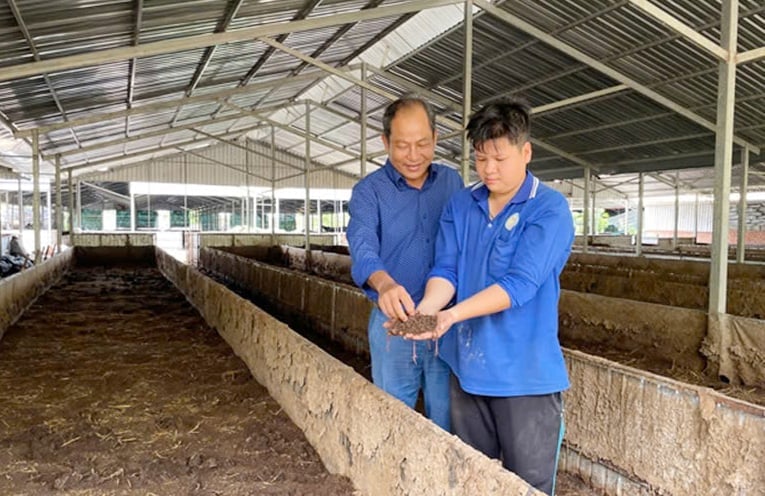
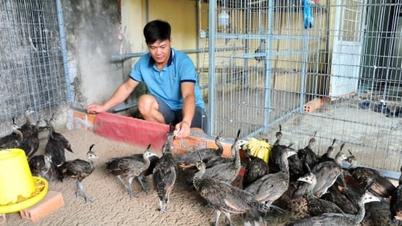
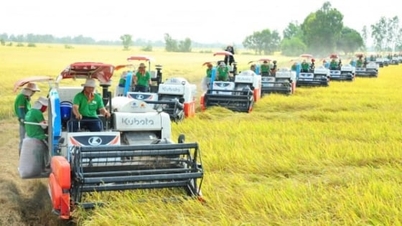
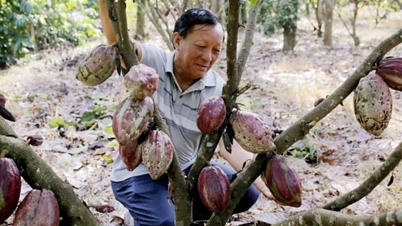
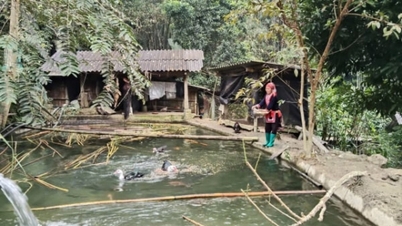
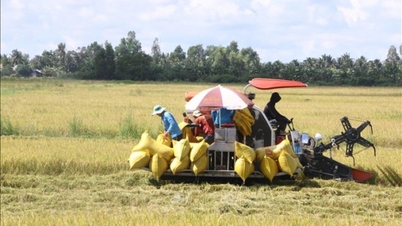
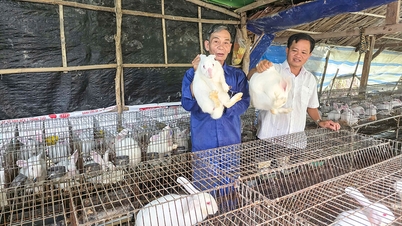
Circular farming models are increasingly flourishing in the Mekong Delta. Photo: Le Hoang Vu.
From a scientific perspective, Associate Professor Dr. Nguyen Khoi Nghia, Deputy Head of the Department of Soil Science - School of Agriculture (Can Tho University), believes that the essence of circular agriculture is not something entirely new, but rather a continuation and enhancement of traditional models using modern science and technology.
According to Dr. Nghia, farmers in the Mekong Delta were previously familiar with models such as garden-pond-livestock (VAC). However, today's circular agriculture goes beyond simple combinations and is a closed system where every flow of material and energy is utilized to the maximum extent.
In a circular agricultural system, the most important factor is ensuring that no energy source is wasted, including primary products, by-products, and waste. Each component can be transformed to create new value that is higher than its original value.
Dr. Nghia analyzed that from straw after harvest, rice husks, plant stems and leaves, to animal manure and urine, all are valuable resources if collected, processed, and returned to the land properly. When the true nature of the circular economy is understood, the farm will no longer have the concept of "waste" but only untapped resources.
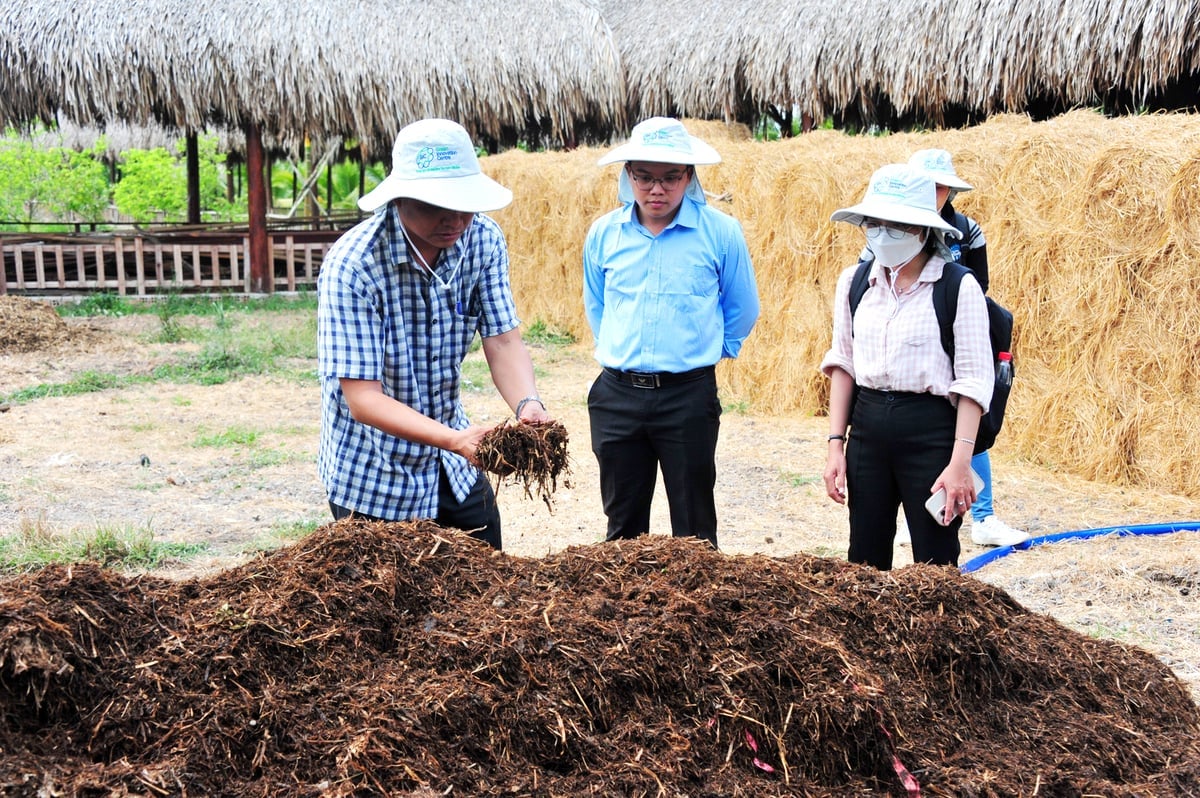
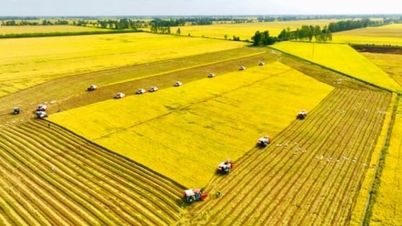
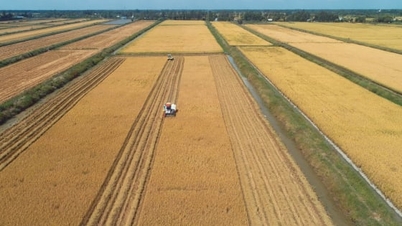
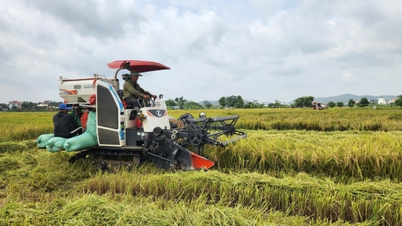
Rice straw in the Mekong Delta is collected and processed into organic fertilizer instead of being burned, contributing to soil improvement and reducing greenhouse gas emissions. Photo: Le Hoang Vu.
Improve the soil using what the fields produce.
Assessing the impact of circular models on soil ecosystems, Associate Professor Dr. Nguyen Khoi Nghia emphasized the central role of organic matter and soil microorganisms. Reusing agricultural by-products helps replenish organic carbon – the foundation for soil life.
When straw, animal manure, or by-products are composted, biologically treated, and then applied back to the soil, they not only provide nutrients but also improve soil structure, increase water and fertilizer retention, and create a favorable environment for microorganisms to thrive.
The native soil microorganisms are the "silent army" that helps transform nutrients, fix nitrogen, dissolve insoluble phosphorus, and inhibit pathogens. When the soil ecosystem is restored, the soil regulates itself better, reducing dependence on chemical fertilizers and pesticides.
According to Associate Professor Dr. Nguyen Khoi Nghia, one of the most obvious benefits of circular agriculture is that it helps farmers significantly reduce input costs. By utilizing readily available resources on the farm, farmers no longer need to buy as much chemical fertilizer or chemical pesticides as before.
Dr. Nghia further analyzed that beneficial microorganisms already exist in the fields where farmers produce agricultural products. They can act as biofertilizers, biopesticides, and even agents for controlling weeds and pests.
Not only do agricultural products grown on healthy soil reduce costs, but they also have higher quality and more balanced levels of micronutrients, a factor that is increasingly attracting attention from both domestic and international markets.
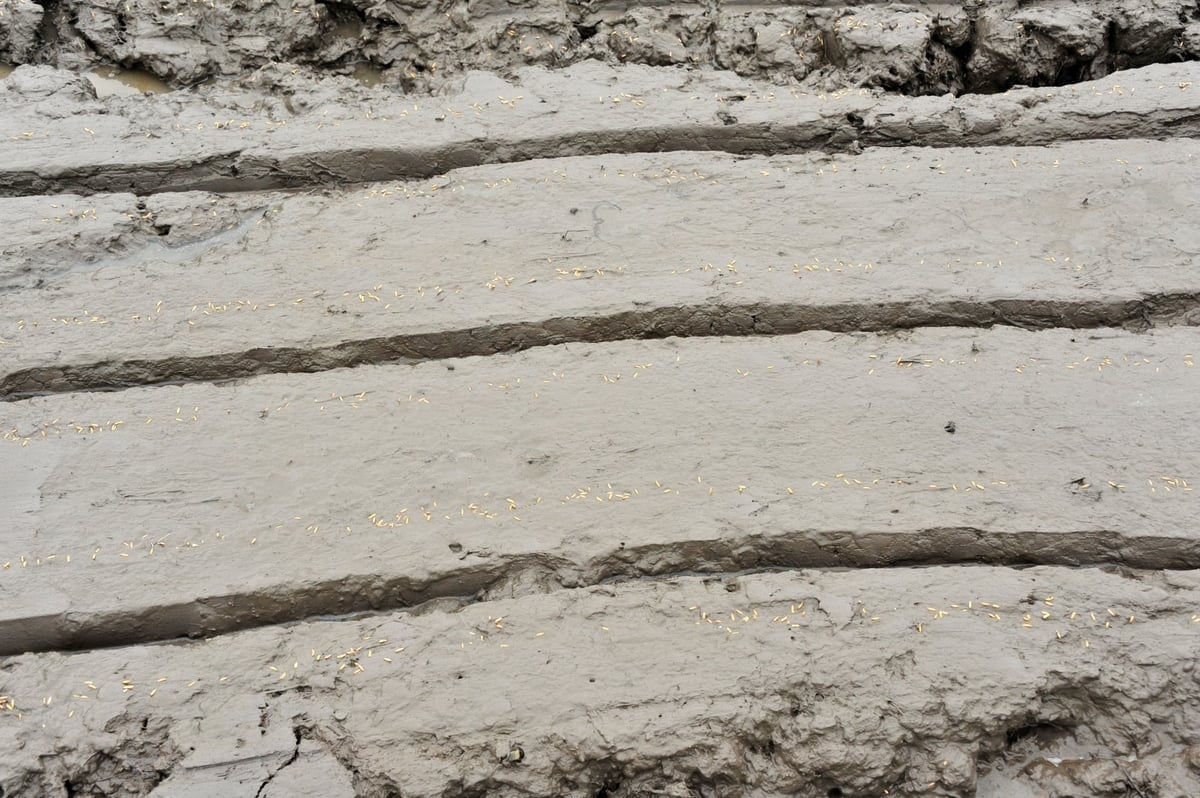
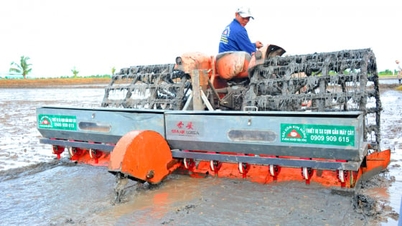
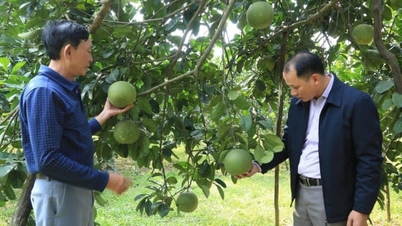
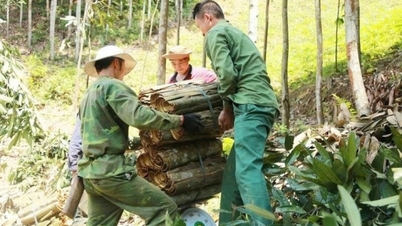
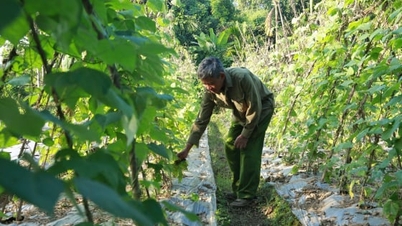
The soil microbiota is restored through the application of organic fertilizers and biological preparations. Photo: Le Hoang Vu.
According to Associate Professor Dr. Nguyen Khoi Nghia, a less-noticed but crucial issue in current agricultural practices is the deficiency of micronutrients in cultivated soil. The long-term overuse of chemical fertilizers leads to the leaching of many micronutrients or makes them difficult to absorb.
Soil lacking micronutrients will lead to micronutrient deficiencies in agricultural products. When humans consume these products over the long term, their immune systems and overall health will decline. Therefore, protecting human health must begin with the health of the soil. Organic and circular agriculture, based on a diverse soil ecosystem, is the fundamental solution to overcome this problem.
Biotechnology - the key to improving degraded, low-pH soil.
For degraded, low-pH soils in the Mekong Delta, Associate Professor Dr. Nguyen Khoi Nghia believes that biotechnology and microorganisms play a crucial role in soil improvement. Soil pH is not just a simple chemical indicator but a factor that governs most biochemical processes in the soil.
Low pH activates harmful microorganisms and increases the availability of heavy metals, posing a danger to plants. Conversely, the appropriate pH creates favorable conditions for beneficial microorganisms to thrive.
The use of microbial preparations, bio-organic fertilizers combined with soil improvement materials such as lime, biochar, or treated by-products will help raise soil pH sustainably without shocking the soil ecosystem.
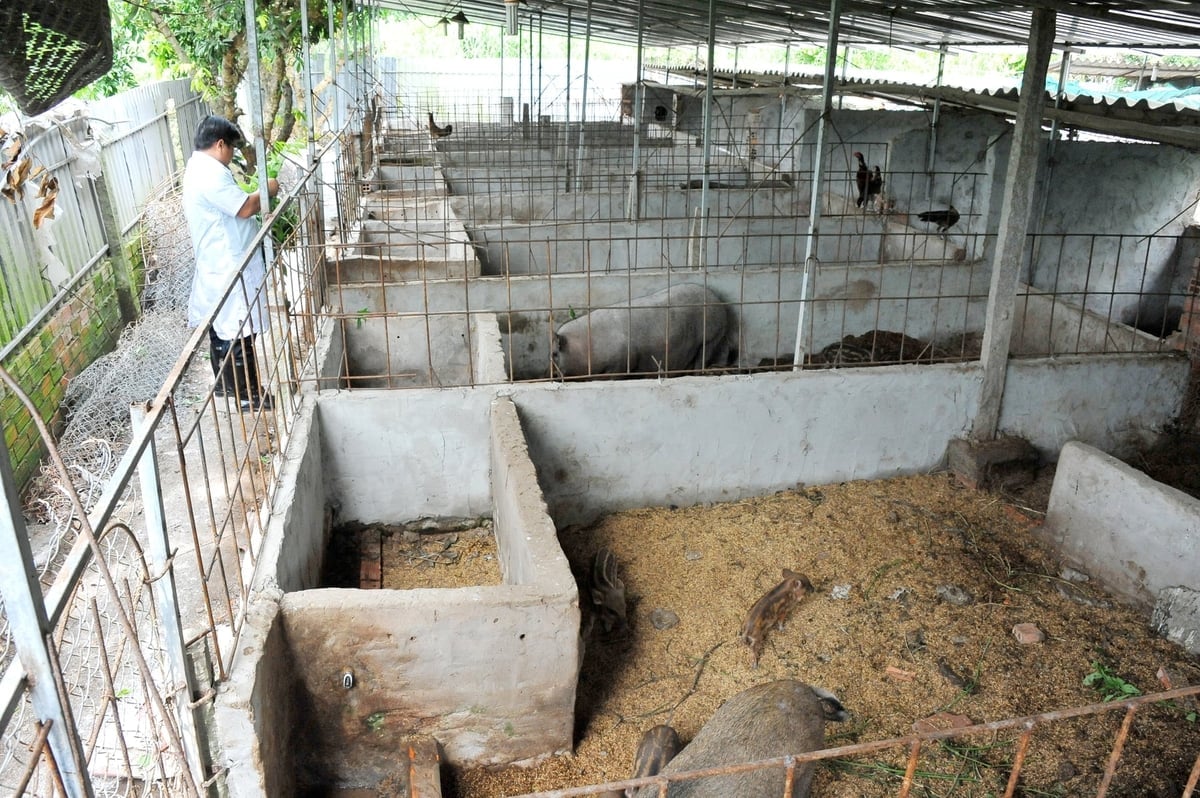
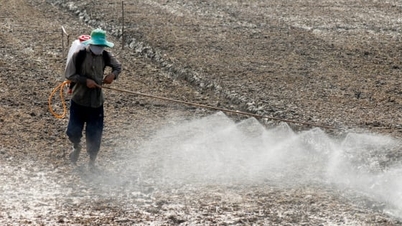
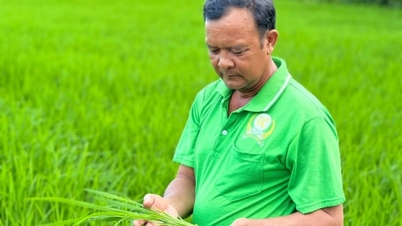
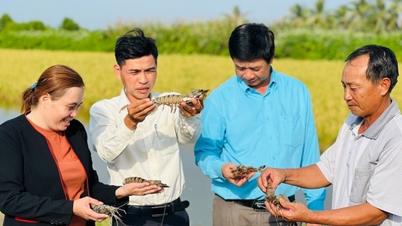
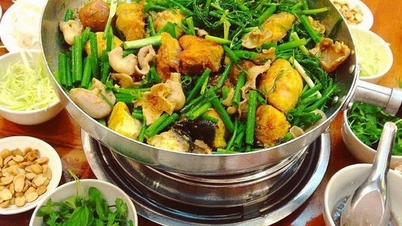
By utilizing the resources readily available on the farm, farmers can significantly reduce production costs. Photo: Le Hoang Vu.
According to Associate Professor Dr. Nguyen Khoi Nghia, circular agriculture is not a distant future concept, but a path that the Mekong Delta is currently pursuing and must continue to pursue with a more systematic and scientific approach. When the soil is healthy, the plants are healthy, and the ecosystem is balanced, farmers will truly benefit in the long term. This is the foundation for sustainable agricultural development in the Mekong Delta, adapting to climate change and meeting market demands.
From tiny grains of soil, organic and circular agriculture is opening up a new way of thinking that helps farmers not just farm to harvest produce, but to nurture the land – the source of all lasting value for the Mekong Delta region.
Source: https://nongnghiepmoitruong.vn/nong-nghiep-huu-co-tuan-hoan-o-dbscl-khoi-nguon-tu-suc-khoe-dat-d789391.html
![[Photo] Prime Minister Pham Minh Chinh receives the Governor of Tochigi Province (Japan)](/_next/image?url=https%3A%2F%2Fvphoto.vietnam.vn%2Fthumb%2F1200x675%2Fvietnam%2Fresource%2FIMAGE%2F2025%2F12%2F16%2F1765892133176_dsc-8082-6425-jpg.webp&w=3840&q=75)

![[Photo] Prime Minister Pham Minh Chinh receives Lao Minister of Education and Sports Thongsalith Mangnormek](/_next/image?url=https%3A%2F%2Fvphoto.vietnam.vn%2Fthumb%2F1200x675%2Fvietnam%2Fresource%2FIMAGE%2F2025%2F12%2F16%2F1765876834721_dsc-7519-jpg.webp&w=3840&q=75)
![[Image] Leaked images ahead of the 2025 Community Action Awards gala.](/_next/image?url=https%3A%2F%2Fvphoto.vietnam.vn%2Fthumb%2F1200x675%2Fvietnam%2Fresource%2FIMAGE%2F2025%2F12%2F16%2F1765882828720_ndo_br_thiet-ke-chua-co-ten-45-png.webp&w=3840&q=75)

![[Live] 2025 Community Action Awards Gala](/_next/image?url=https%3A%2F%2Fvphoto.vietnam.vn%2Fthumb%2F1200x675%2Fvietnam%2Fresource%2FIMAGE%2F2025%2F12%2F16%2F1765899631650_ndo_tr_z7334013144784-9f9fe10a6d63584c85aff40f2957c250-jpg.webp&w=3840&q=75)




























































Comment (0)