

Visiting Binh Lieu ( Quang Ninh province ) from around March to December, tourists will see vast fields of arrowroot plants grown on terraced rice paddies and terraced fields. When the rice paddies are ripe and ready for harvest, the ethnic minority people in this highland district begin harvesting arrowroot tubers – the main ingredient for producing Binh Lieu arrowroot vermicelli.
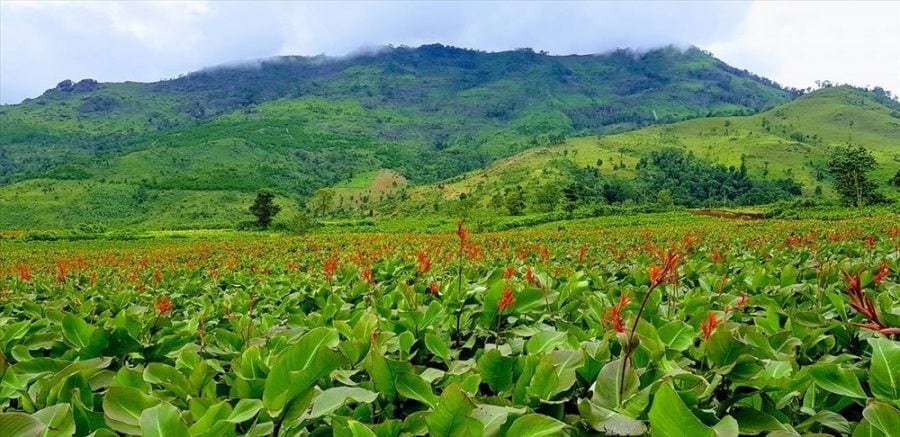
Ginger plants thrive thanks to the climate and soil of Binh Lieu. Photo: Cuong Vu.
Due to the favorable climate and soil conditions, the cassava tubers grown in Binh Lieu are of quite good quality, with little fiber, a lot of starch, a mild sweetness, and a light aroma. To ensure the quality and food safety of the cassava tubers, for many years, people in Binh Lieu have been growing them organically.
The essence from the land and water of the headwaters.
The story of Mr. Tran Van Hoang (born in 1989), a San Chi ethnic minority from Huc Dong village, Binh Lieu commune, is a vivid example of a journey out of poverty through self-reliance, bold innovation, and community solidarity.
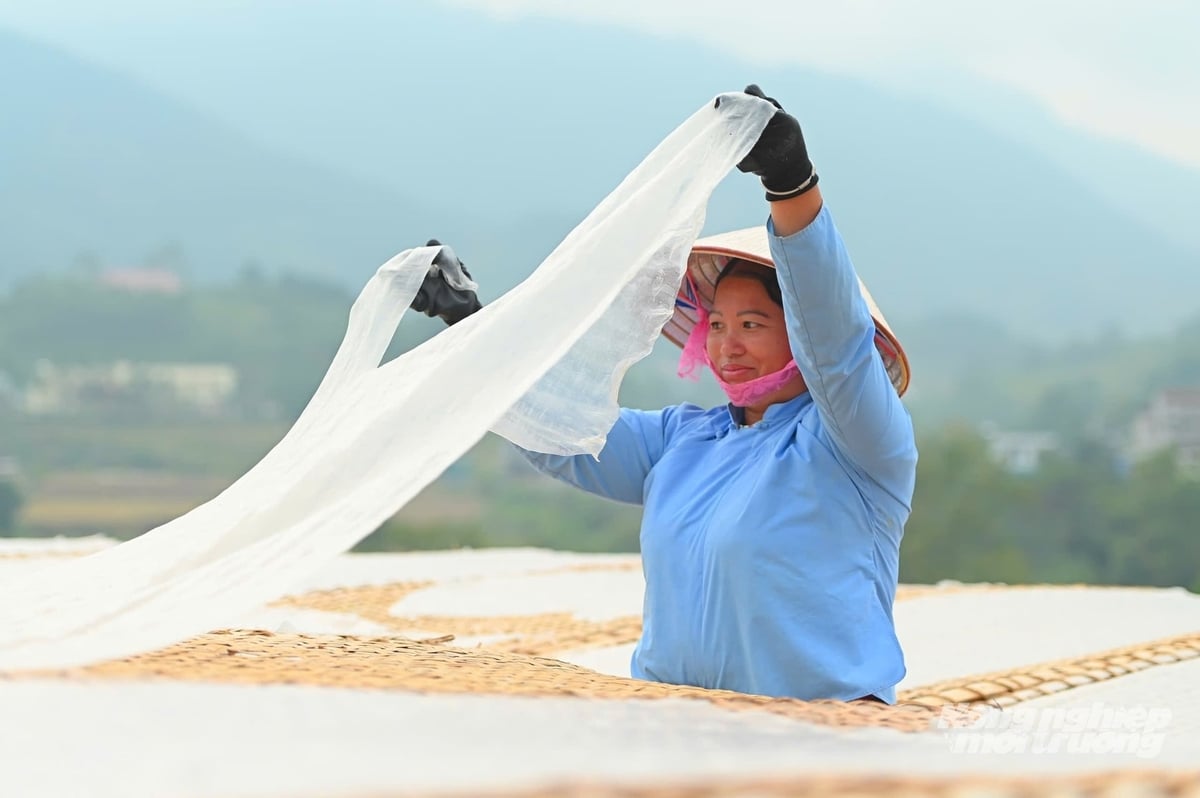
Drying rice noodles in the sun. Photo: Cuong Vu.
In 2016, starting with an initial cassava vermicelli factory and borrowed capital of 200 million VND, Hoang built it into the Huc Dong Agricultural, Forestry and Service Cooperative, creating land and installing equipment for cassava vermicelli production. The cooperative provides regular employment for about 20 San Chi ethnic minority workers, with a stable income of over 10 million VND per month. More importantly, this model has sparked a movement to cultivate cassava on a scale of about 10 hectares, helping dozens of households find a stable market for their produce, and enabling many families to escape poverty sustainably.
Mr. Hoang said that the current vermicelli production process uses machinery, but what makes Binh Lieu vermicelli special is the water source from the headwaters. The arrowroot grown in this area has cold, clear water rich in minerals, resulting in white tubers with a high starch content.
"Aware of the increasingly high demands of consumers for vermicelli products, the Cooperative places special emphasis on ensuring food safety and hygiene during the production process. Certain steps still require manual labor and depend on the natural environment, such as drying the rice paper sheets before cutting them into vermicelli strands," Mr. Hoang shared.
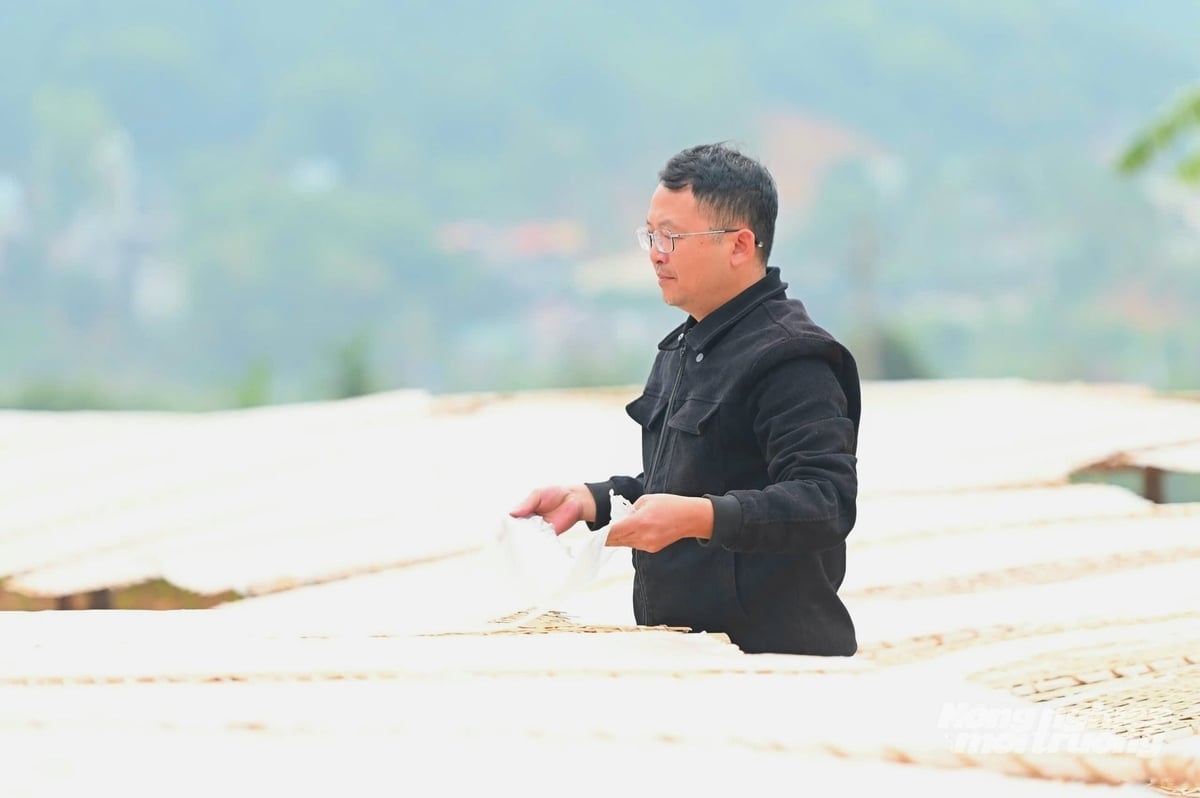
Mr. Hoang inspects the rice noodles that are drying in the sun. Photo: Cuong Vu.
The cooperative arranges a spacious, airy area for drying rice paper, allowing for good ventilation and sunlight to minimize dust generation. They also use clean water, sourced from upstream mountain streams and pre-treated for production. Hoang's cooperative only imports cassava tubers that have been inspected by local farmers during the planting, cultivation, and harvesting processes, ensuring adherence to proper procedures regarding planting seasons, fertilizer application, and harvesting times.
In addition, the cooperative has diversified its products, packaging them in various quantities and sizes to suit consumer needs. In particular, Mr. Hoang aims to develop a line of instant noodles and dipping noodles, thereby increasing the value of the product.
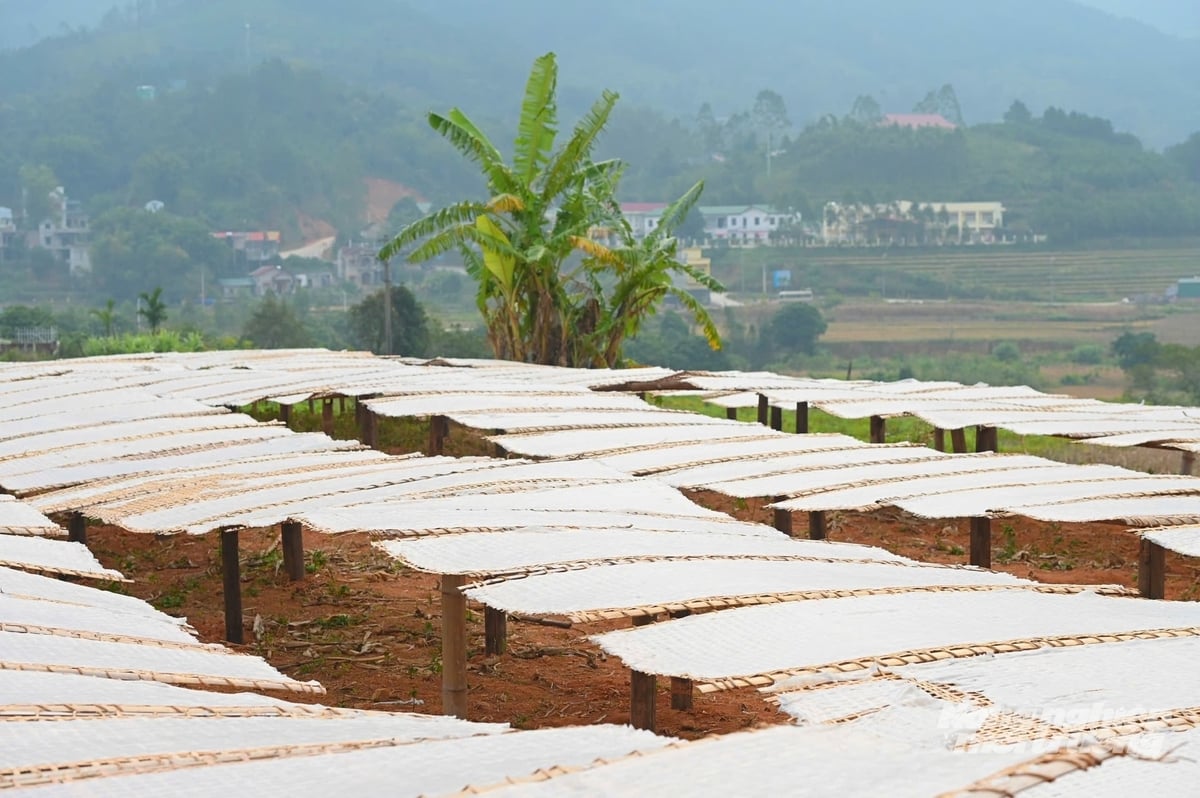
Drying rice noodles in the sun. Photo: Cuong Vu.
Thanks to meticulous attention to detail in every stage of production, the products of Huc Dong Cooperative are ordered early by many distributors inside and outside the province every Tet holiday. In the trend of developing OCOP products, Binh Lieu cassava vermicelli is gradually becoming one of the priority products to be promoted at local trade fairs and events. In 2025, Binh Lieu commune will organize a consumer goods trade fair at 25/12 Square, with the participation of 5 OCOP units and 6 booths, focusing on introducing specialty agricultural products, including cassava vermicelli.
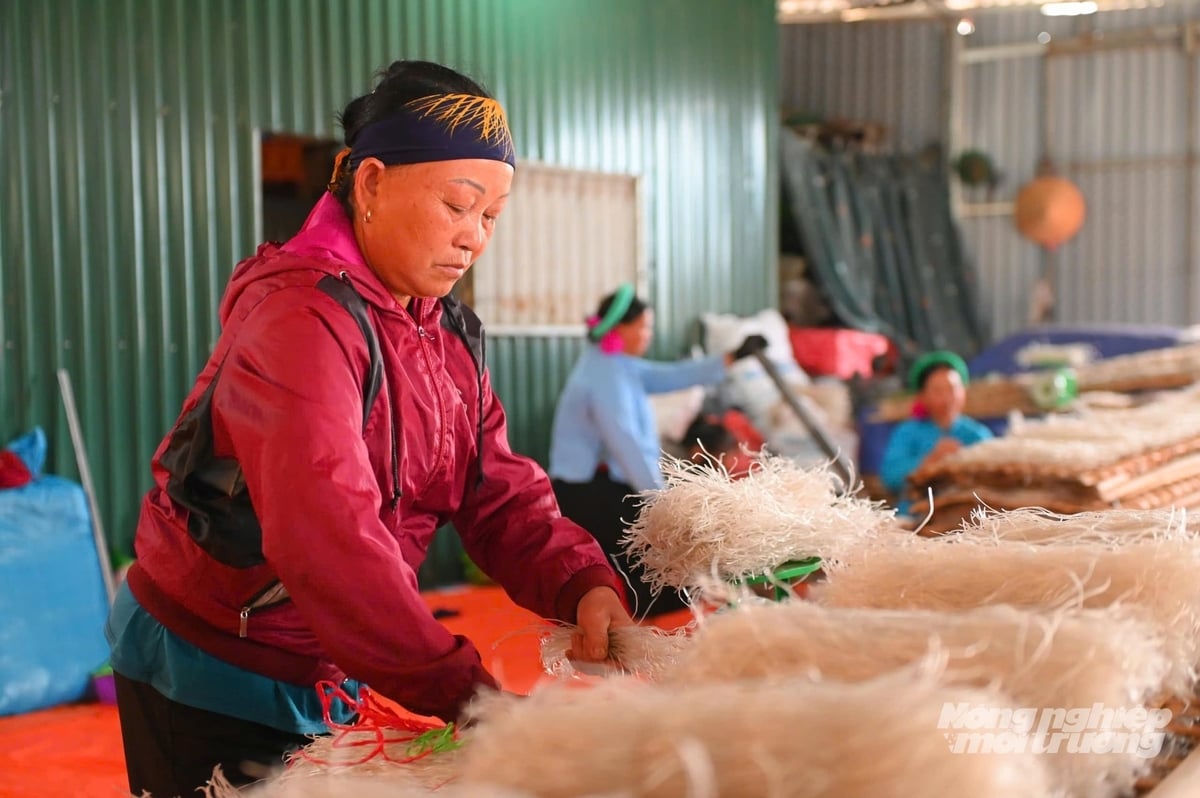
Binh Lieu vermicelli noodles are somewhat coarse and thick, but they have a chewy, crispy texture and a sweet, nutty flavor from mature cassava roots that absorb the essence of the soil and climate of this border region. Photo: Cuong Vu.
By the end of 2025, Binh Lieu commune will have no more poor or near-poor households according to both national and Quang Ninh provincial standards. In this picture, the vermicelli-making industry in Huc Dong is the "driving force": providing land for cultivation, ensuring stable crop yields, and creating local jobs. With income from vermicelli production and factory wages combined, many families have moved out of poverty and are gradually progressing towards the "average-to-well-off" group through their own efforts.
Motivation to expand into international markets
Speaking with reporters, Ms. Nguyen Thi Tuyet Hanh, Chairwoman of the Quang Ninh Provincial Farmers' Association and former Secretary of Binh Lieu District, shared: "Binh Lieu cassava vermicelli is not only a product with economic value, but also the embodiment of the culture and identity of the highlands of Quang Ninh. The fact that the product has been recognized at the national level is clear evidence of the correct direction in developing the rural economy while preserving traditional values. The provincial authorities will continue to accompany and support businesses in promoting, expanding markets, and developing stable and sustainable raw material areas."
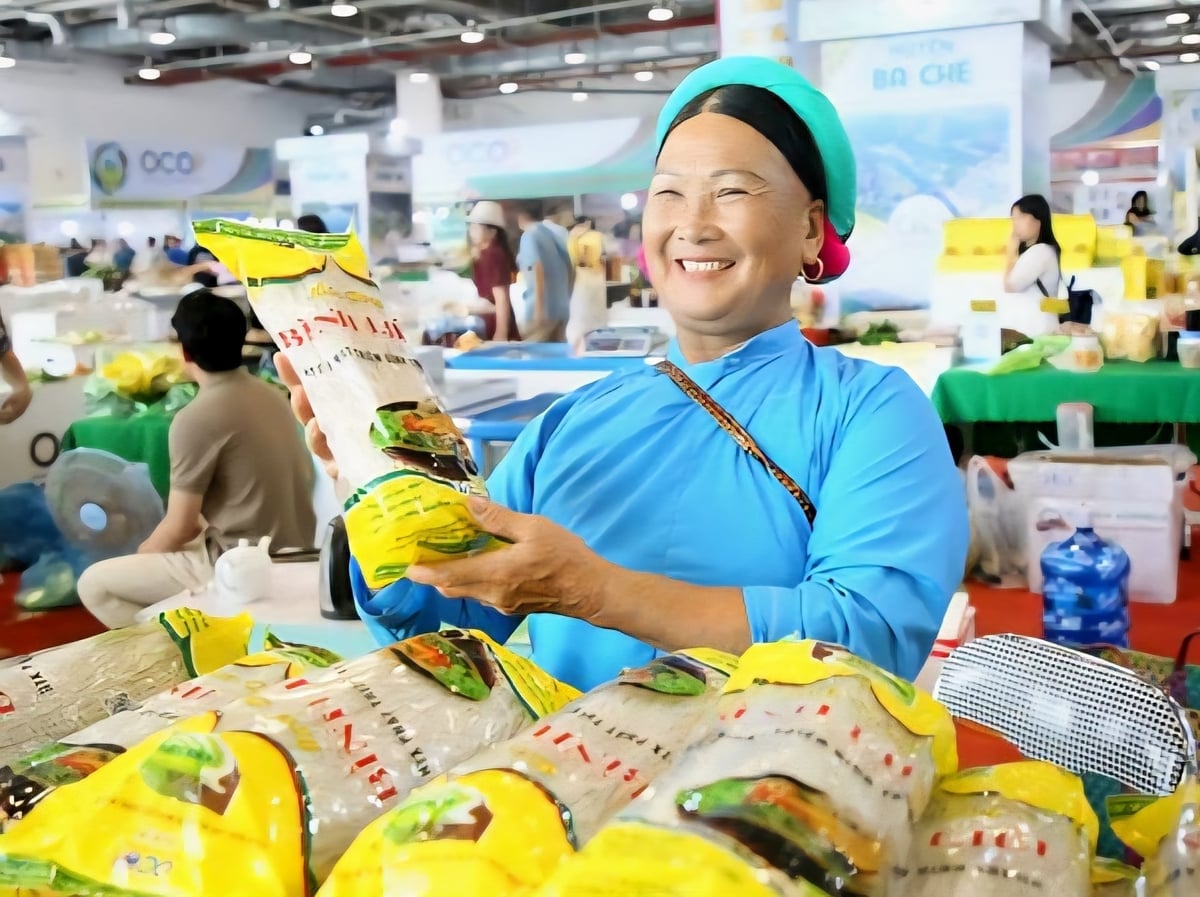
Binh Lieu cassava vermicelli, an OCOP (One Commune One Product) product, is always on display at provincial fairs. Photo: Cuong Vu.
Over the past period, Binh Lieu commune has proactively implemented many comprehensive solutions to support businesses, cooperatives, and households producing and trading cassava vermicelli, from supporting the upgrading of workshops and machinery, to trade promotion and trademark protection.
Mr. Vu Duy Van, Deputy Director of the Department of Agriculture and Environment of Quang Ninh province, informed: "Binh Lieu cassava vermicelli currently holds a 5-star OCOP rating and is a national-level representative product in 2025. We are closely coordinating with businesses to expand the area for cassava cultivation, aiming for large-scale commercial production, applying high technology, ensuring food safety and hygiene, and developing in a green and sustainable direction."
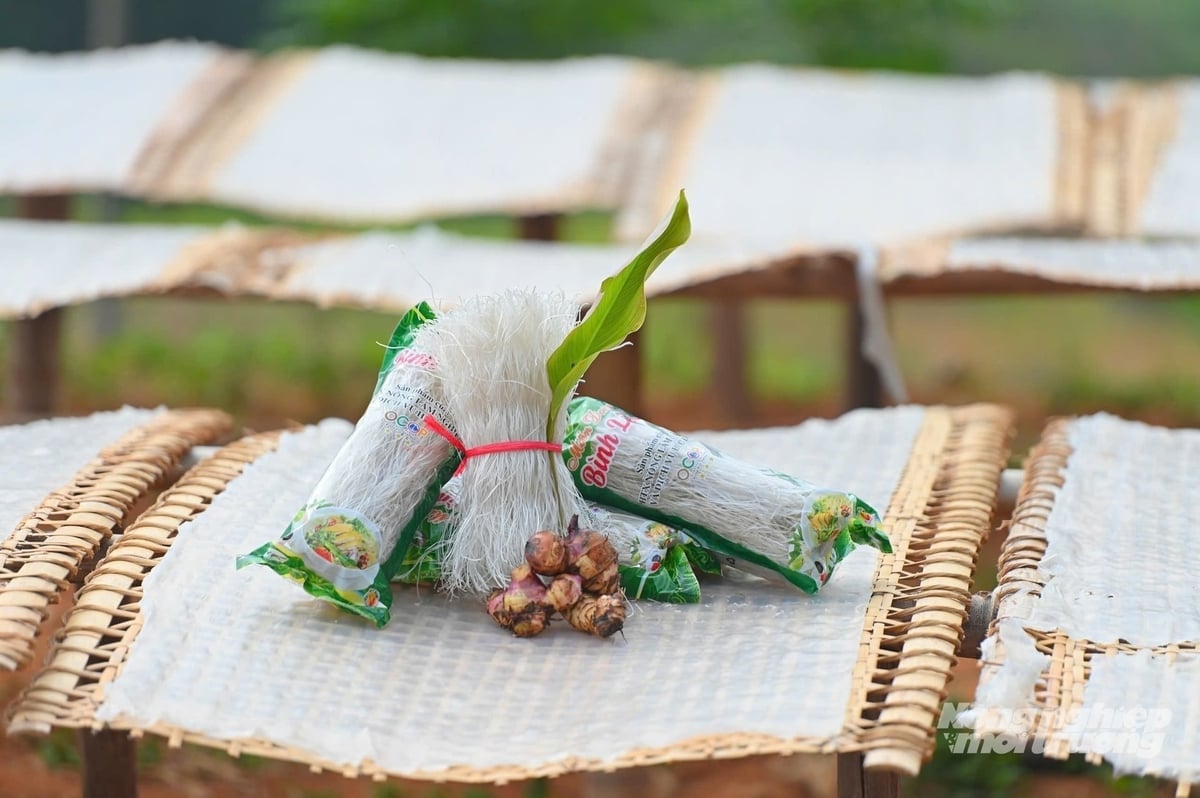
Binh Lieu vermicelli product. Photo: Cuong Vu.
Furthermore, Quang Ninh province and related sectors have organized numerous training courses for production facilities on market information, marketing, product distribution linkages, and provided preferential loan support for processing and developing OCOP products. As a result, not only cassava vermicelli but also many other agricultural products of the province are gradually gaining a foothold in the market.
With its recognition as a typical national rural industrial product in 2025, Binh Lieu cassava vermicelli is expected to further solidify its brand in the domestic market and expand exports to potential markets such as South Korea, Japan, and Europe. This is a great opportunity for this traditional product from the highlands of Quang Ninh to become an international product, bringing both economic value and contributing to preserving local cultural identity.
In the Huc Dong area, there are now over 10 hectares of ginger cultivated by local people through cooperative farming. Each year, the factory purchases over 400 tons of tubers, ensuring production and providing stable income for dozens of households.
Source: https://nongnghiepmoitruong.vn/mien-dong-ngay-cang-noi-tieng-giup-binh-lieu-xoa-so-ho-ngheo-d789598.html
![[Photo] Prime Minister Pham Minh Chinh receives the Governor of Tochigi Province (Japan)](/_next/image?url=https%3A%2F%2Fvphoto.vietnam.vn%2Fthumb%2F1200x675%2Fvietnam%2Fresource%2FIMAGE%2F2025%2F12%2F16%2F1765892133176_dsc-8082-6425-jpg.webp&w=3840&q=75)
![[Live] 2025 Community Action Awards Gala](/_next/image?url=https%3A%2F%2Fvphoto.vietnam.vn%2Fthumb%2F1200x675%2Fvietnam%2Fresource%2FIMAGE%2F2025%2F12%2F16%2F1765899631650_ndo_tr_z7334013144784-9f9fe10a6d63584c85aff40f2957c250-jpg.webp&w=3840&q=75)
![[Image] Leaked images ahead of the 2025 Community Action Awards gala.](/_next/image?url=https%3A%2F%2Fvphoto.vietnam.vn%2Fthumb%2F1200x675%2Fvietnam%2Fresource%2FIMAGE%2F2025%2F12%2F16%2F1765882828720_ndo_br_thiet-ke-chua-co-ten-45-png.webp&w=3840&q=75)
![[Photo] Prime Minister Pham Minh Chinh receives Lao Minister of Education and Sports Thongsalith Mangnormek](/_next/image?url=https%3A%2F%2Fvphoto.vietnam.vn%2Fthumb%2F1200x675%2Fvietnam%2Fresource%2FIMAGE%2F2025%2F12%2F16%2F1765876834721_dsc-7519-jpg.webp&w=3840&q=75)






































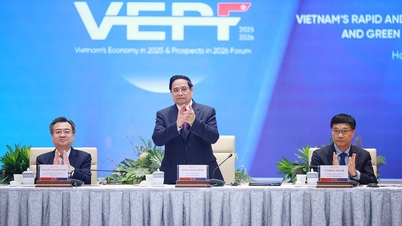
![[Photo] Prime Minister Pham Minh Chinh attends the Vietnam Economic Forum 2025](https://vphoto.vietnam.vn/thumb/402x226/vietnam/resource/IMAGE/2025/12/16/1765893035503_ndo_br_dsc-8043-jpg.webp)



















Comment (0)