

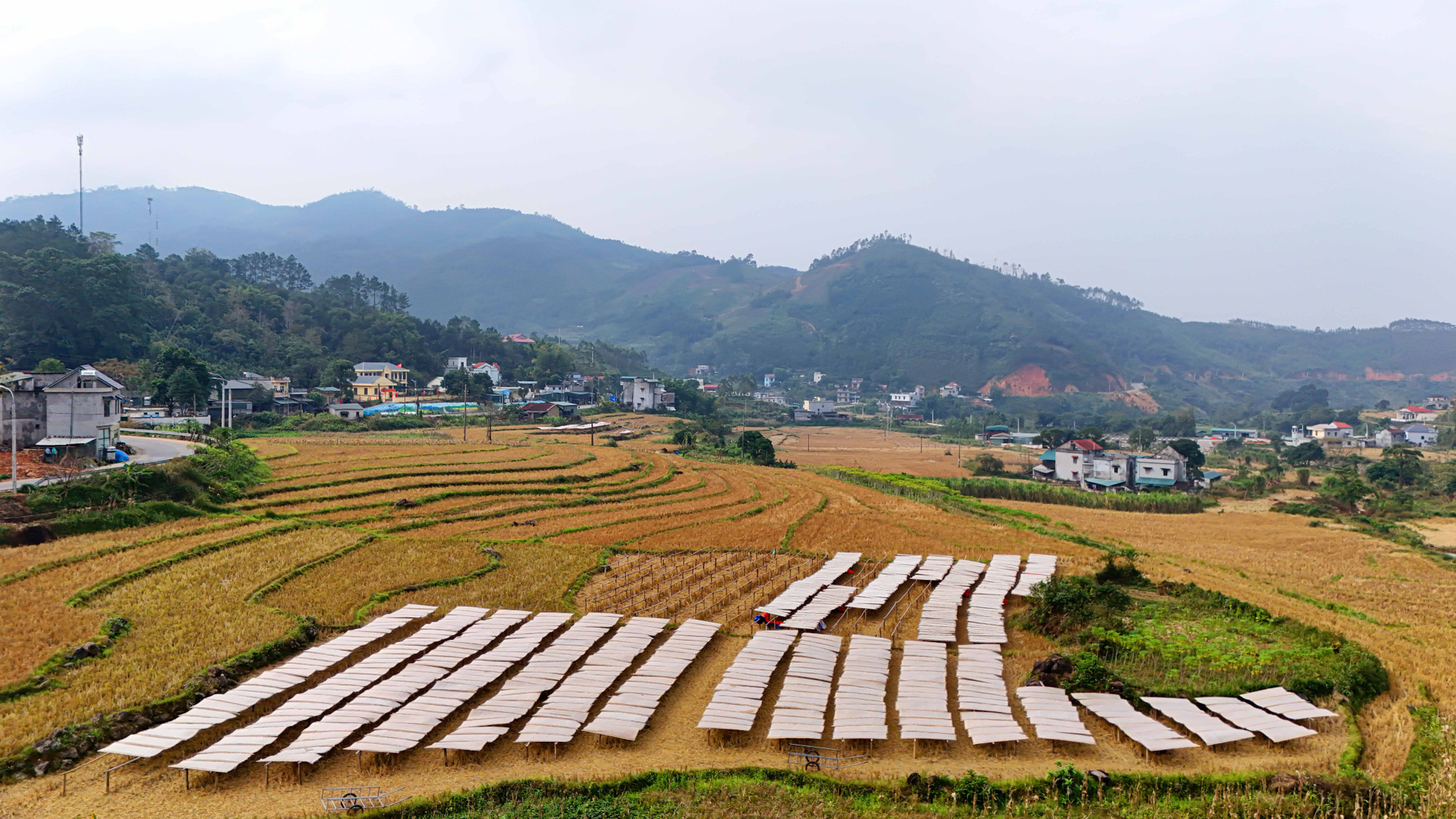
In the story of livelihood development in the border region of Quang Ninh, Binh Lieu is always mentioned as a land rich in potential for specialty agricultural products , but also harsh due to its steep terrain, cold climate, and lack of conditions for concentrated production. Many years ago, the San Chi people in this highland region struggled year-round, relying on slash-and-burn agriculture and natural resource exploitation. But a new wave has quietly emerged from young people who have chosen to return to their villages, combining local resources with the sustainable poverty reduction policies of the locality.
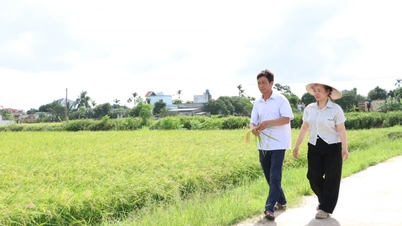
The story of Tran Van Hoang (born in 1989), a San Chi ethnic minority from Huc Dong village, Binh Lieu commune, is a vivid example of a journey out of poverty through self-reliance, bold innovation, and community solidarity. Starting with a vermicelli factory built on a borrowed capital of only 200 million VND, Hoang has transformed it into the Huc Dong Agricultural, Forestry, and Service Cooperative, providing regular employment for approximately 20 San Chi workers, with a stable income of 10-15 million VND per month. More importantly, this model is sparking a movement to cultivate cassava on a scale of about 10 hectares, helping dozens of households find stable markets and enabling many families to escape poverty sustainably.
In the broader picture, Binh Lieu is entering a phase of "breakthrough in economic development, creating momentum for a new term," with an expected product value growth rate of 15.1% in 2025; the economic structure is shifting towards increased trade and services, industry and construction, but agriculture and forestry remain important pillars of the border region.

After graduating from Hanoi University of Business and Technology, Hoang worked in the capital for two years. His income wasn't low, but the high cost of living and the worry about starting his own business always made him hesitant. "The city isn't where I belong, but back in my hometown, the vermicelli-making craft passed down from my grandparents has existed for hundreds of years. Why not give it a try?" Hoang explained.
In 2021, he decided to return to his village and start a vermicelli factory with only 200 million VND borrowed from relatives. At that time, many people told him he was taking a risk. Bình Liêu vermicelli is famous, but production is small-scale, manual, and fragmented. A group of 4-5 people working tirelessly all day can only process about 120 kg of flour. The income is insufficient to live on, young people are abandoning the craft to work as factory workers, and many families are pinning their hopes on distant trips to make a living.
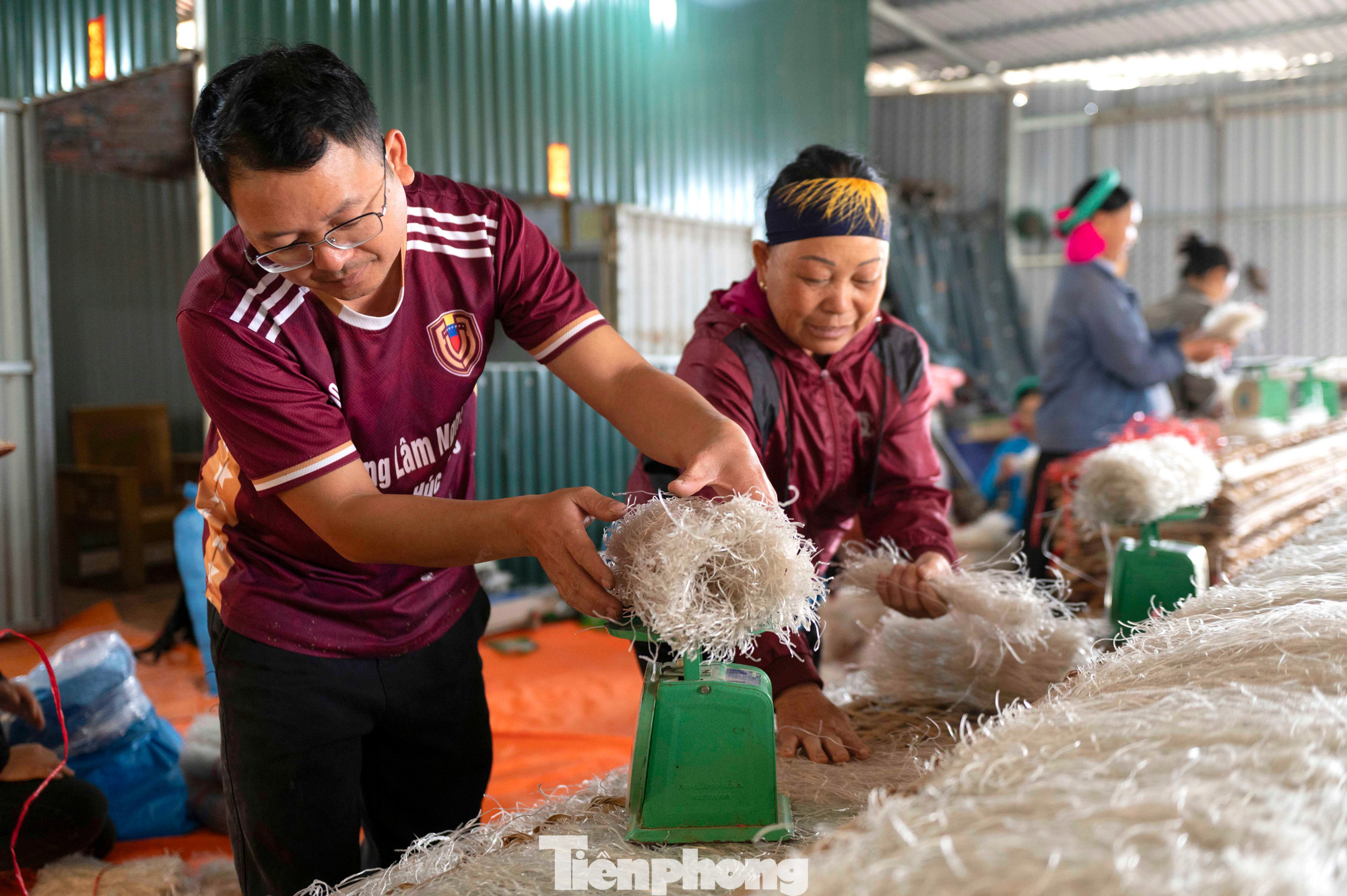
But Hoang saw things differently: “The local workforce is very skilled and dedicated to the craft. They only lack machinery and production organization.” He chose to start with what he had: his family's traditional experience, the trust of his fellow villagers, and the support of preferential credit programs for production and job creation in the area.
According to a report by the People's Committee of Binh Lieu commune, as of November 2025, the entire commune had 2,348 households borrowing capital with a total outstanding debt of over 160.6 billion VND; specifically, the program to support job creation, maintenance and expansion has provided loans to 1,286 workers with an outstanding debt of over 95 billion VND.
Those figures show that Hoang's "bold" decision was not an isolated one, but part of a larger trend: policy-based credit is truly reaching every household and every production model in the border region.

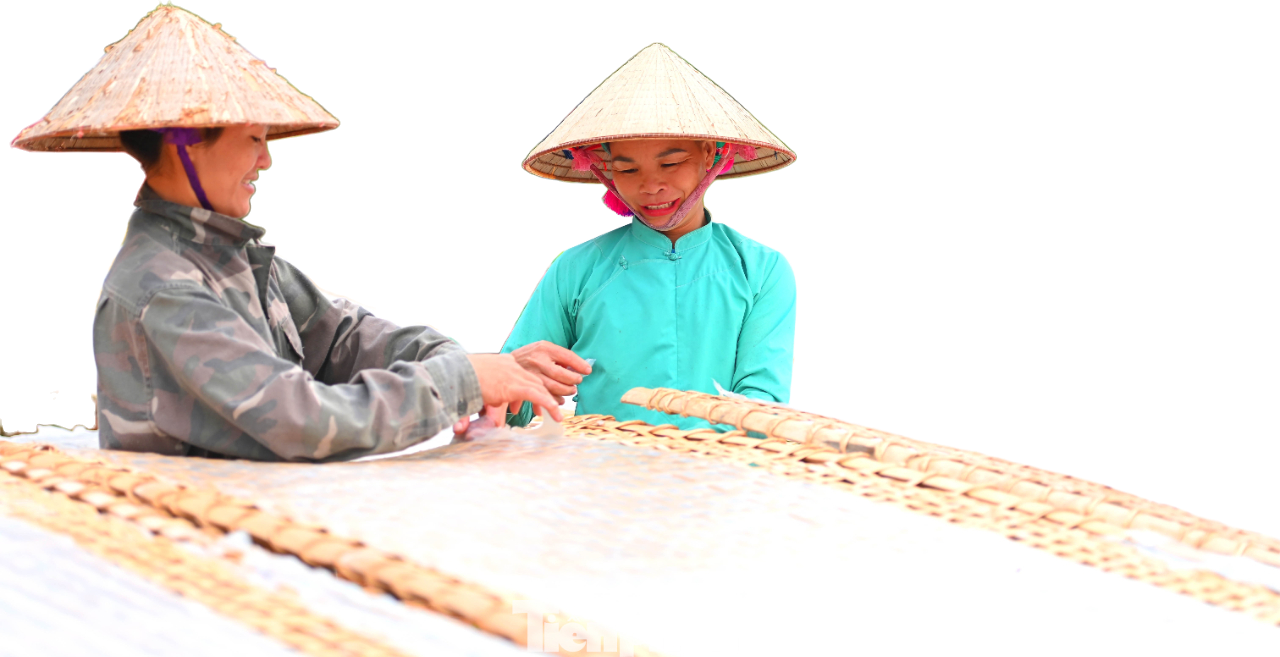
Recognizing the potential for expanding production, starting with his existing capital of 200 million VND, Hoang boldly applied for a loan of over 700 million VND from the Farmers' Support Fund to invest in a mechanized production line: a grinding machine, a filtering machine, a rolling machine, and a semi-automatic drying system. "If we continue doing things manually like before, even with the best skills, we'll only earn enough to make ends meet. To attract other farmers, we have to prove that this profession is viable on a larger scale," he calculated.
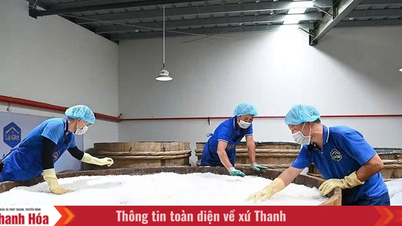
This investment immediately created a turning point. With the same workforce of 4–5 people, the factory can now process 1 ton of flour in just 3–5 hours (from 4 am to 9 am). On good days, productivity can reach nearly 2 tons of flour per day. This rate of productivity increase was something no one had dared to imagine before.
Behind those figures lies a very "Binh Lieu" logic: the locality is pursuing a strategy of using capital support, science and technology, and infrastructure to "draw" people into a systematic production chain. In agriculture, the commune planted nearly 1,800 hectares of crops, with a grain production of over 4,385 tons; the value of the agriculture, forestry, and fisheries sector is estimated at approximately 168.3 billion VND for the whole year, achieving 100% of the plan.
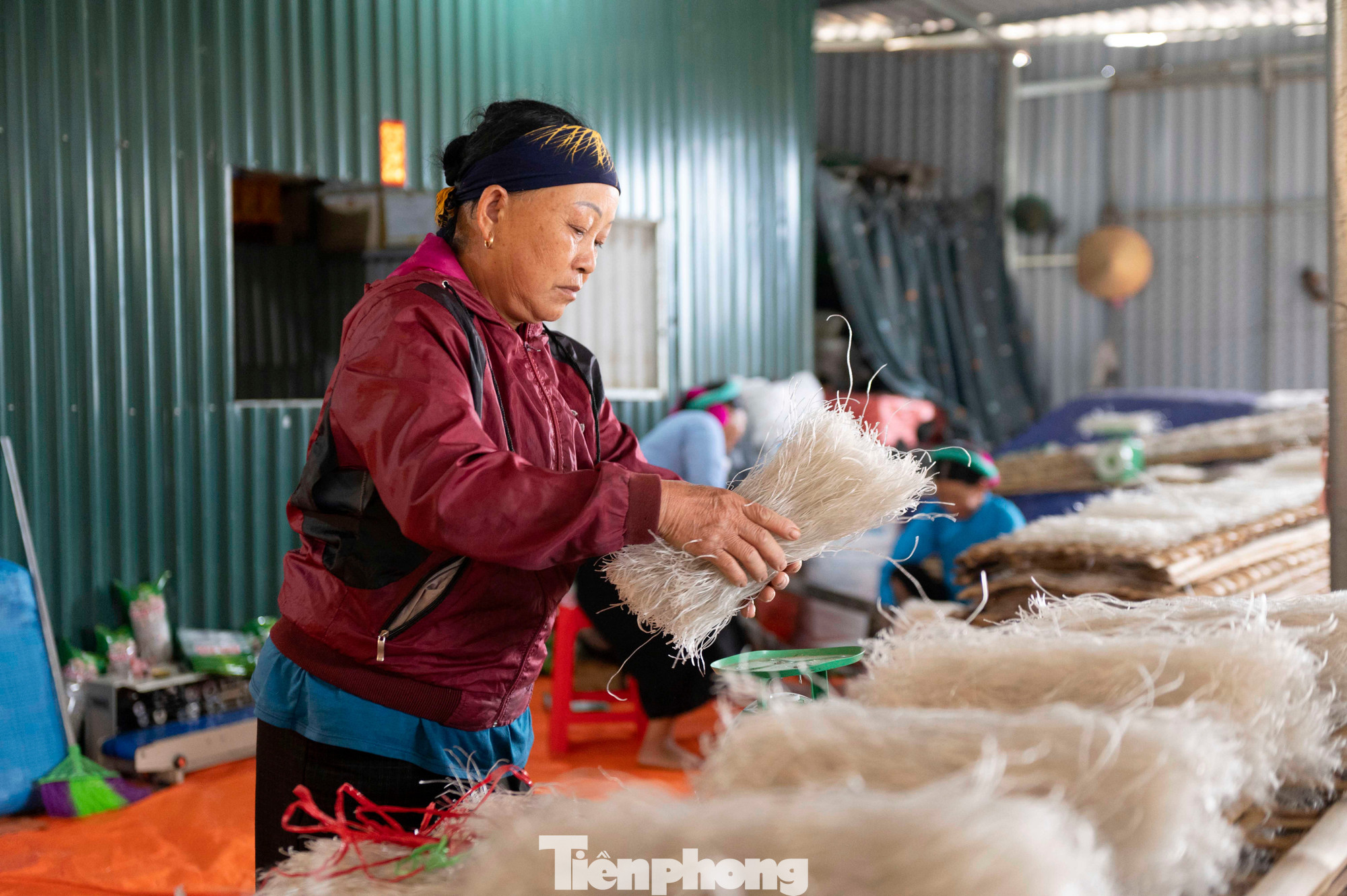
Models like Hoang's vermicelli factory are the "processing stage" that helps agricultural products go beyond simply being "sufficient for consumption" and become higher-value commodities.
Thanks to its large scale, the products are uniform, retaining the characteristic clarity, chewiness, and aroma of Binh Lieu vermicelli. Hoang's workshop quickly gained a foothold in the Tet market, which is the peak season for traditional vermicelli consumption. Many distributors proactively placed orders early, helping the cooperative plan production, procure raw materials, and arrange work for its employees.
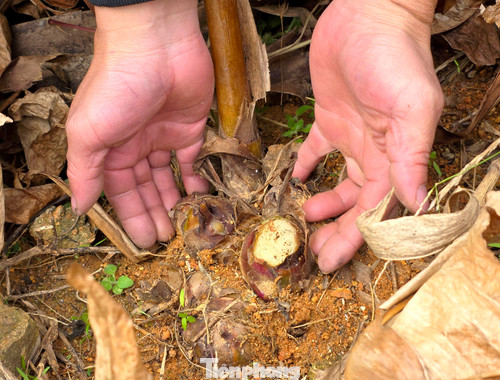
Inputs are the deciding factor in the quality of vermicelli. Therefore, from the very beginning of opening the factory, Hoang determined that production must be linked to the raw material source. He sought out the Institute of Tuber Crops, Vietnam Academy of Agricultural Sciences, to learn the process of planting, caring for, preventing diseases, and monitoring the growth of arrowroot.
Later, Hoang opened small training classes in the village, personally guiding the villagers: from selecting seeds, germinating seeds, fertilizing, and managing nutrients, to identifying good water sources for cassava tubers. He provided seeds and fertilizers on an upfront basis, with repayment later; and committed to purchasing the entire harvest at a stable price.
The arrowroot plant takes about 9 months to grow, from after Tet (Lunar New Year) until October, before harvesting. Then, within just 2-3 months of the dry season, arrowroot vermicelli is produced intensively to serve the Tet market, with the remainder sold throughout the year. Thanks to Hoang's perseverance, the Huc Dong area now has about 10 hectares of arrowroot cultivated by local people through cooperative farming. Each year, the factory purchases over 400 tons of tubers, ensuring production and providing stable income for dozens of households.
By the end of 2025, Binh Lieu commune will have no more poor or near-poor households according to both national and Quang Ninh provincial standards; instead, there will be 59 households engaged in agriculture, forestry, and fisheries that have been identified as having an average standard of living and need continued support to avoid falling back into poverty.
In that picture, the vermicelli-making industry in Huc Dong is the "driving force": providing land for cultivation, ensuring a stable market for crops, and creating local jobs. When income from cassava cultivation and wages from factory work are combined, many families have moved out of poverty and gradually into the "average-to-well-off" group through their own efforts.

The quality of vermicelli is not solely determined by machinery. What makes Binh Lieu vermicelli so special is the water source from the headwaters. The arrowroot grown in this area with cold, clear, mineral-rich water produces white tubers with a high starch content.
The processing procedure is also elaborate: the cassava tubers must be washed thoroughly many times, then ground, filtered, and settled. "To get the starch to the standard, I have to filter it at least six times. Only then will the starch be smooth, white, and not crumble when cooked," Hoang said. High-quality starch produces vermicelli noodles that are translucent, chewy, and retain their characteristic aroma when used.
Thanks to meticulous attention to detail in every stage of production, the products of Huc Dong Cooperative are ordered early by many distributors inside and outside the province every Tet holiday. In the trend of developing OCOP products, Binh Lieu cassava vermicelli is gradually becoming one of the priority products to be promoted at local trade fairs and events. In 2025, Binh Lieu commune will organize a Consumer Goods Trade Fair at 25/12 Square, with the participation of 5 OCOP units and 6 booths, focusing on introducing specialty agricultural products, including cassava vermicelli.
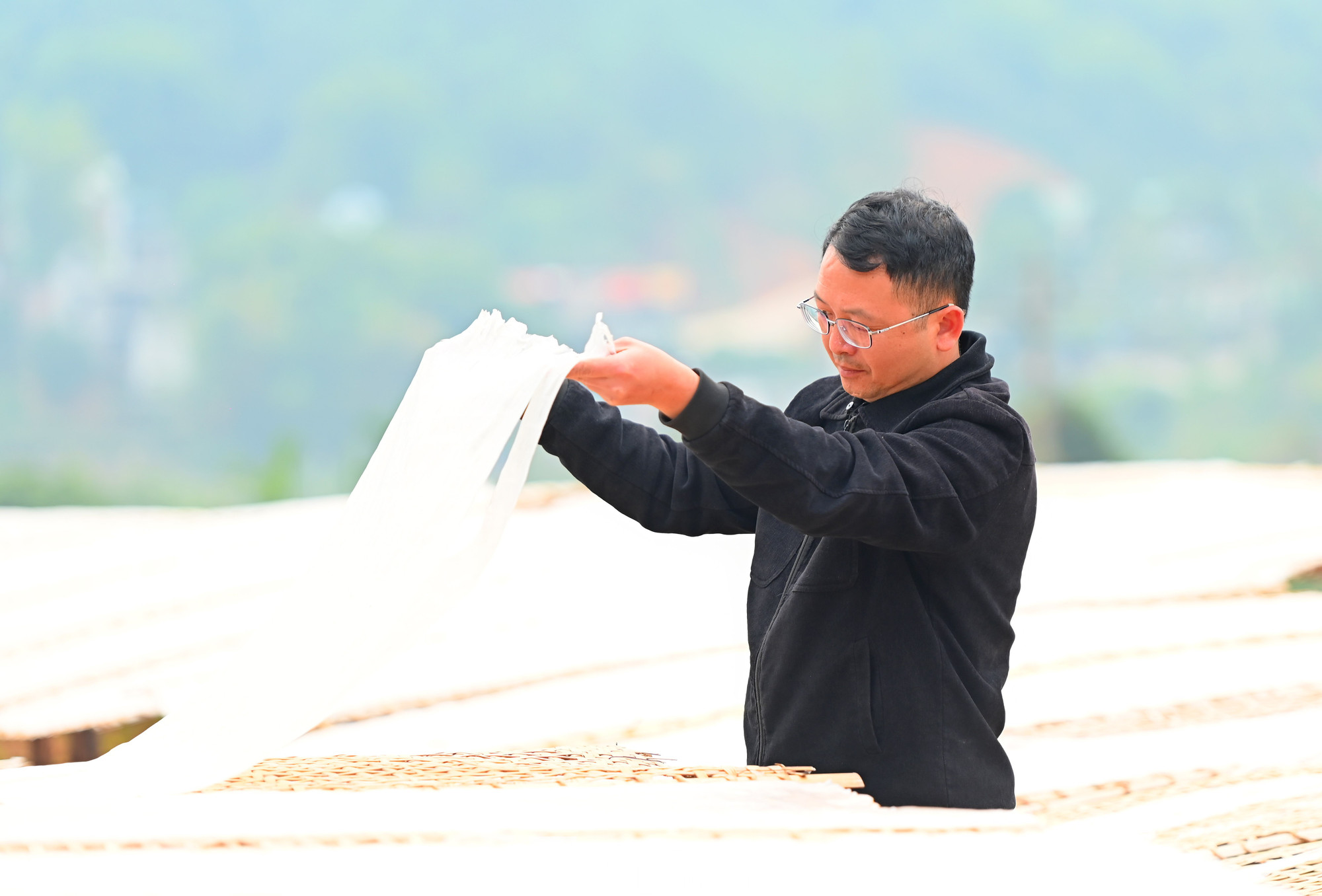
At Hoang's vermicelli factory, there are 20 regular workers, mostly San Chi women. Previously, they only worked in the fields and gathered firewood, earning an unstable, seasonal income. Now, working around the village, they earn 10-15 million VND per month, with some even becoming the main breadwinners for their families. Many families in the village have escaped poverty thanks to selling vermicelli to the cooperative and working extra at the factory.
"It's not just about increasing income; more importantly, it gives people peace of mind and a sense of belonging to their homeland. Young people don't have to leave their villages to work elsewhere, women have more income, and children are better cared for," Hoang shared.
According to the socio-economic report for 2025, by the end of the year, Binh Lieu commune will have no poor households and no near-poor households according to the multidimensional poverty standard; the percentage of households accessing healthcare, education, and basic infrastructure will increase, and the percentage of people participating in health insurance will reach 98.67%.
On paper, the words "0 poor households, 0 near-poor households" represent a milestone that not only signifies the achievement of targets but also reflects a persistent process of reducing the number of disadvantaged households and groups.
But behind the 0% figure always lie questions about sustainability. That's why Binh Lieu didn't stop at "eliminating" poverty, but continued to review 59 households engaged in agriculture, forestry, and fisheries with average living standards to classify them as vulnerable and in need of attention.
Preferential credit programs, livelihood support, vocational training, and advanced rural development initiatives are designed to prevent these groups from falling back into poverty, especially in the face of climate change, epidemics, and labor market fluctuations.
At the grassroots level, the commune has implemented the advanced new rural development program and the model new rural development program in a coordinated manner, maintaining 18 out of 19 criteria and 73 out of 74 indicators; the remaining indicator relates to the quality of the living environment, toilets, bathrooms, and safe drinking water.
In other words, the discussion of poverty and non-poverty today is not just about income, but also about quality of life, environment, and culture. Hoang's vermicelli-making model is therefore placed within a new context: cleaner, greener, and more environmentally friendly, as well as more harmonious with community life.
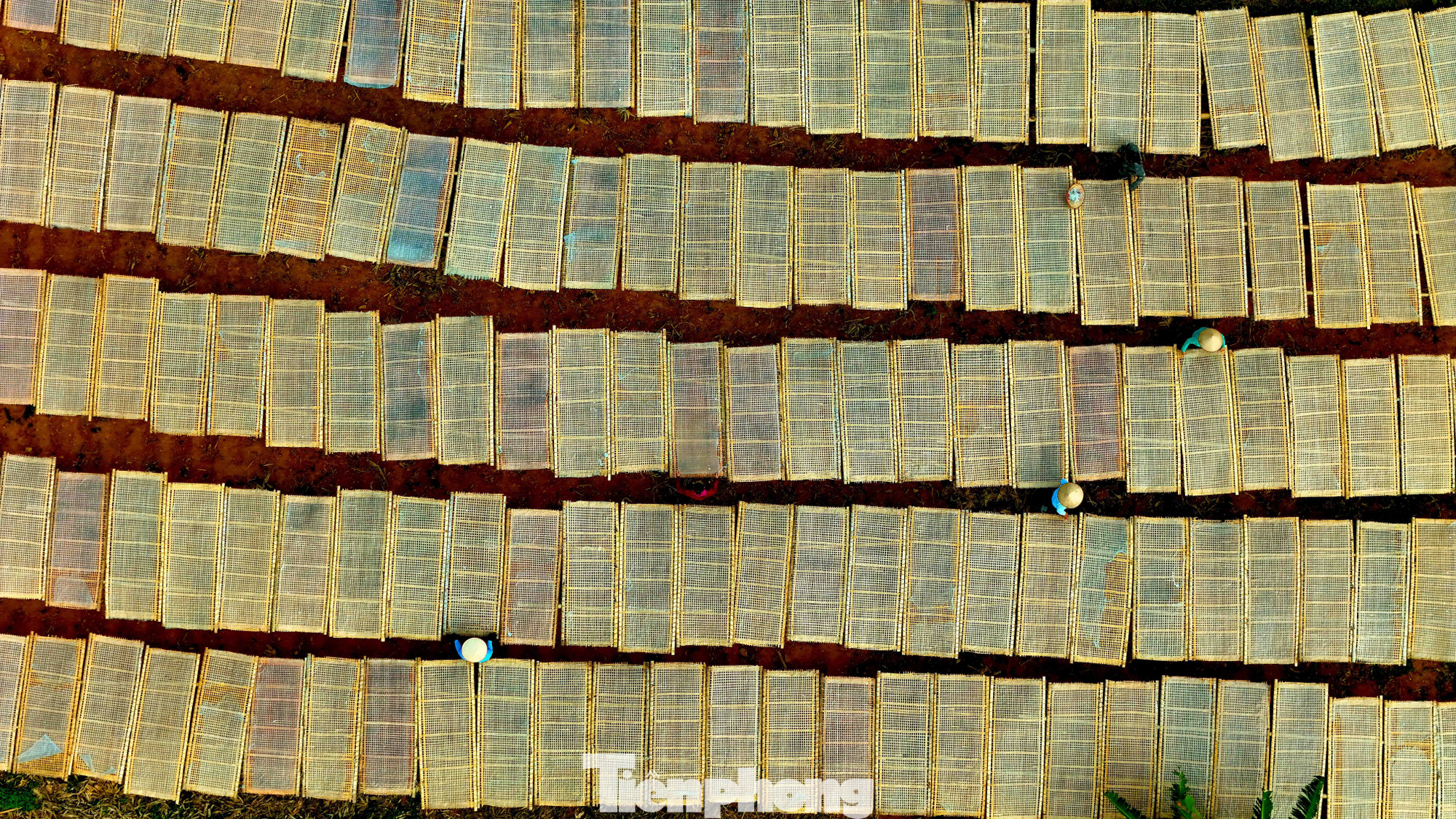
The revival of the vermicelli-making craft is just one piece of the larger picture of livelihood transformation in Binh Lieu. Alongside this, the locality is promoting community-based tourism, service and trade, linked to the cultural identity of the San Chi, Tay, and Dao ethnic groups. By 2025, the commune aims to welcome 27,770 visitors, generating over 25 billion VND in tourism revenue; destinations such as Khe Van waterfall, the central market, and highland villages are increasingly attracting tourists.
Some OCOP products, including cassava vermicelli, are featured in showrooms, fairs, and tourism promotion programs. The locality has also implemented the "Market 4.0 - Cashless Payment" model, established a community digital technology team, promoted online public services, and supported people in accessing basic digital skills.
In border regions, people using their phones to sell goods, receive orders, and promote products on social media is a form of "new way out of poverty," where technology naturally infiltrates villages through business needs.
In this context, the Huc Dong Cooperative is not only a place for processing vermicelli, but also a hub connecting many training courses and sharing experiences in economic development, from selecting cassava varieties and calculating production costs to packaging, labeling, and using social media to find customers. These skills, when considered individually, may seem like small details; but when combined, they create new capabilities for border farmers in the market economy.
The model of linking the cassava vermicelli value chain, raw material areas, preferential credit, and vocational training also helps localities effectively implement resolutions on the development of ethnic minority areas, while ensuring national defense and security. When people have stable livelihoods, few people want to cross the border illegally to find work, few people think about over-exploiting forests or relying entirely on subsidies.
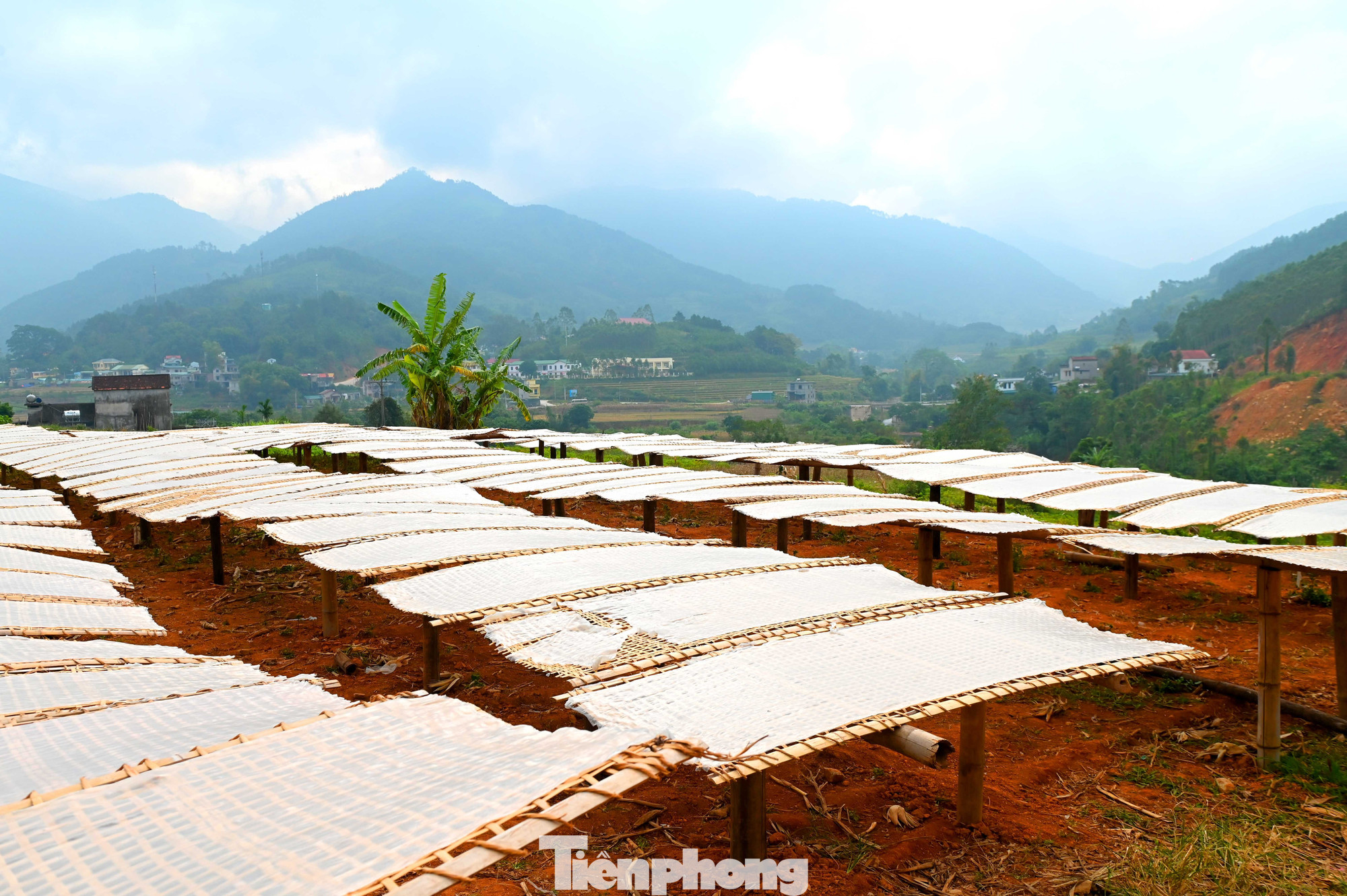
The story in Huc Dong clearly demonstrates the effectiveness of the value chain linkage model: businesses, farmers, scientists, and funding support. A local young man dared to think outside the box, a traditional craft was "modernized," a raw material area was organized systematically, and numerous households were lifted out of poverty.
In the context of Binh Lieu promoting OCOP products, developing specialty agriculture, and increasing income for ethnic minority communities, Hoang's model is considered a prime example. It helps the locality concretize the three strategic breakthroughs it has set out: infrastructure, human resources, and improving the investment and business environment.
From a borrowed capital of 200 million VND to a 10-hectare raw material area; from producing 120 kg of flour manually per day to producing 2 tons of flour mechanized in a few hours; from a poor household to a cooperative creating livelihoods for dozens of families. This journey not only demonstrates the efforts of an individual but also represents the path for Binh Lieu to transform itself in its multidimensional poverty reduction strategy.
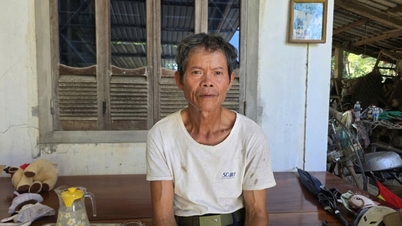
When I met Hoang, he just smiled when asked about his dreams. “I only hope that the vermicelli-making profession will last a long time, and that no one in the village will be poor anymore. If we can create a good product with a strong brand, then life in this border region will change.”
From the determination of a young San Chi ethnic minority to the revival of a century-old vermicelli-making craft, Binh Lieu is taking steady steps to transform specialty agriculture into a sustainable poverty reduction engine. And amidst the windswept border roads, the small story in Huc Dong further ignites the belief that: if young people return and the community works together, the highlands will always find a way out of poverty from the most familiar things.
Source: https://tienphong.vn/hoi-sinh-nghe-cu-mo-loi-thoat-ngheo-moi-o-binh-lieu-post1803440.tpo




![[Photo] Delegation attending the 14th Congress of the Vietnam Trade Union visits the Mausoleum of President Ho Chi Minh.](https://vphoto.vietnam.vn/thumb/1200x675/vietnam/resource/IMAGE/2026/06/03/1780451842301_ndo_br_img-3824-jpg.webp)




























































Comment (0)