

The demonstration model has proven effective.
Participation in the implementation of the "Sustainable Development of 1 Million Hectares of High-Quality, Low-Emission Rice Cultivation Linked to Green Growth in the Mekong Delta by 2030" project is creating a strong transformation for rice production in An Giang province. Not only is it changing farmers' farming mindset, but the project is also bringing clear economic benefits, contributing to increasing the value of rice grains and gradually reducing the carbon footprint on the fields.
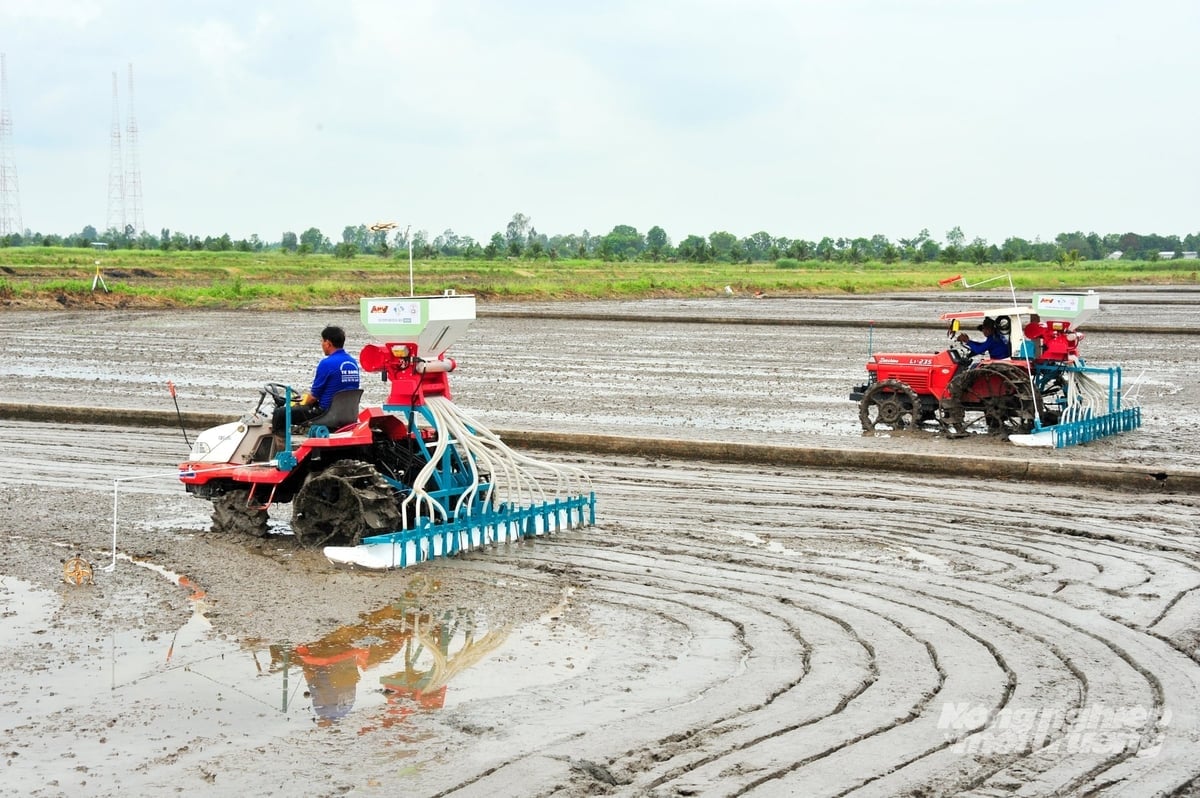
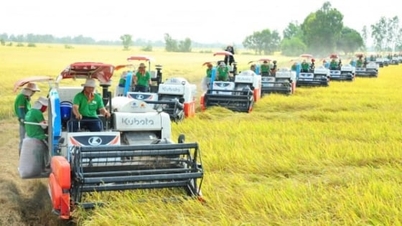
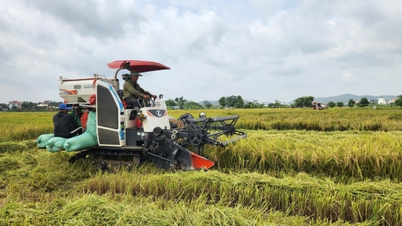
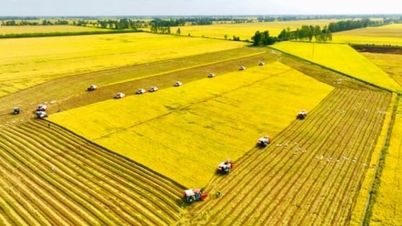
Applying cluster seeding machines helps reduce seed quantity, uniform rice plant density, save input costs, and improve production efficiency in high-quality rice farming models in An Giang . Photo: Le Hoang Vu.
Following the merger of An Giang and Kien Giang provinces, the scale and development potential of the rice industry in the new An Giang province have been further expanded in both scale and quality. According to the Department of Agriculture and Environment of An Giang province, the plan for 2025 is for the entire province to implement the Project on 144,051 hectares, including 44,051 hectares from the former An Giang province and 100,000 hectares from Kien Giang province. The target for 2030 is for the area participating in the Project to reach 352,198 hectares, corresponding to 152,198 hectares from the former An Giang province and 200,000 hectares from Kien Giang province.
To date, An Giang province has implemented 55 demonstration models with a total area of nearly 1,495 hectares; of which 44 models are in the former An Giang province and 11 models are in Kien Giang province. Simultaneously, localities have proactively implemented an additional 34 models with an area of over 513 hectares. Practical results show that the models participating in the Project have yielded outstanding results compared to traditional farming methods.
In the former An Giang province, production costs in the pilot model decreased by an average of over 4.1 million VND/ha compared to the control plots. Fresh rice yield reached over 9.1 tons/ha, approximately 0.78 tons/ha higher than outside the model. As a result, profits increased by over 9.3 million VND/ha. Meanwhile, in the former Kien Giang province, pilot models recorded emission reductions of 7.56 to 8.11 tons of CO₂/ha; costs decreased by over 3.3 million VND/ha, and average profits reached over 25 million VND/ha, over 6.1 million VND/ha higher than the control, equivalent to a 32% increase in profit.
According to Mr. Tran Thanh Hiep, Deputy Director of the Department of Agriculture and Environment of An Giang province, the highlight of the Project is linking production with the reorganization of production along the value chain. Farmers participating in the models are organized into cooperatives and associations to link consumption with approximately 41 large enterprises in the rice and agricultural supplies sector such as Tan Long, Loc Troi, Binh Dien, Bayer Vietnam, Nong Phat Dat, Ngoc Phu, Tuong Lam, Hao Son, Dai Duong Xanh… The percentage of cooperatives participating in the linkage through the Project reached 23.6%, with tens of thousands of hectares of rice under guaranteed purchase agreements, creating a stable market for farmers.
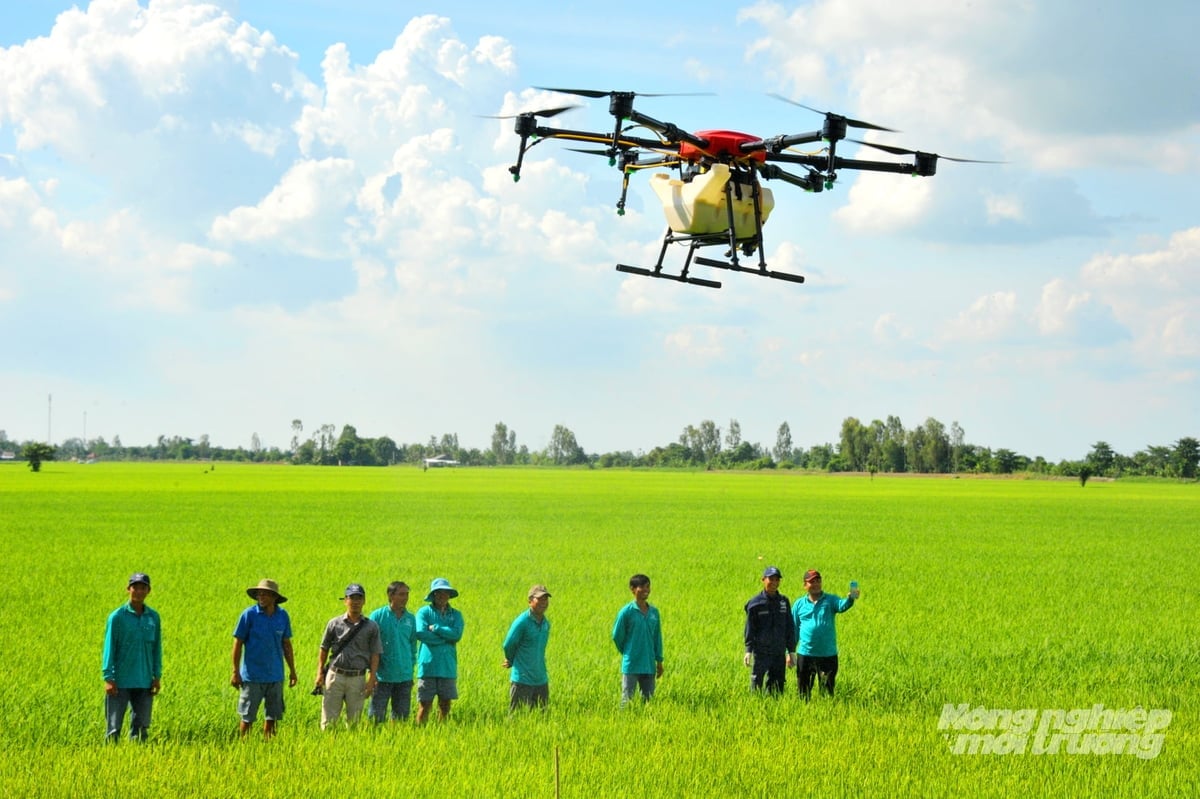
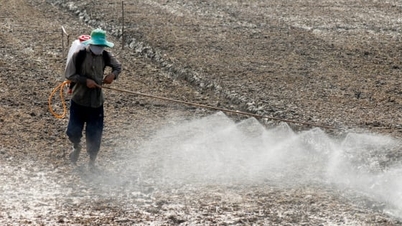
Drones are used for spraying pesticides and fertilizers in rice fields, contributing to reduced manual labor, limited exposure to chemicals, and improved efficiency in high-quality rice cultivation. Photo: Le Hoang Vu.
Smart rice farming reduces costs and increases profits.
One of the most notable achievements of the Project in An Giang is the promotion of the application of science and technology in rice cultivation. Methods such as alternating wetting and drying (AWD), the "Footprint-free field" model, and smart monitoring systems are gradually becoming familiar solutions in many rice fields.
In Thoai Son commune, the "Footprint-Free Farmland" model, implemented by Binh Thanh Agricultural Cooperative since 2021, has proven to be exceptionally effective. With the support of Loc Troi Company, the cooperative uses unmanned aerial vehicles (drones) to perform most tasks, from sowing seeds and fertilizing to spraying pesticides, across 200 hectares. By reducing manual labor, saving materials, and minimizing direct contact with pesticides, the model not only protects farmers' health but also provides a stable profit of 30-40 million VND/hectare/year for its members.
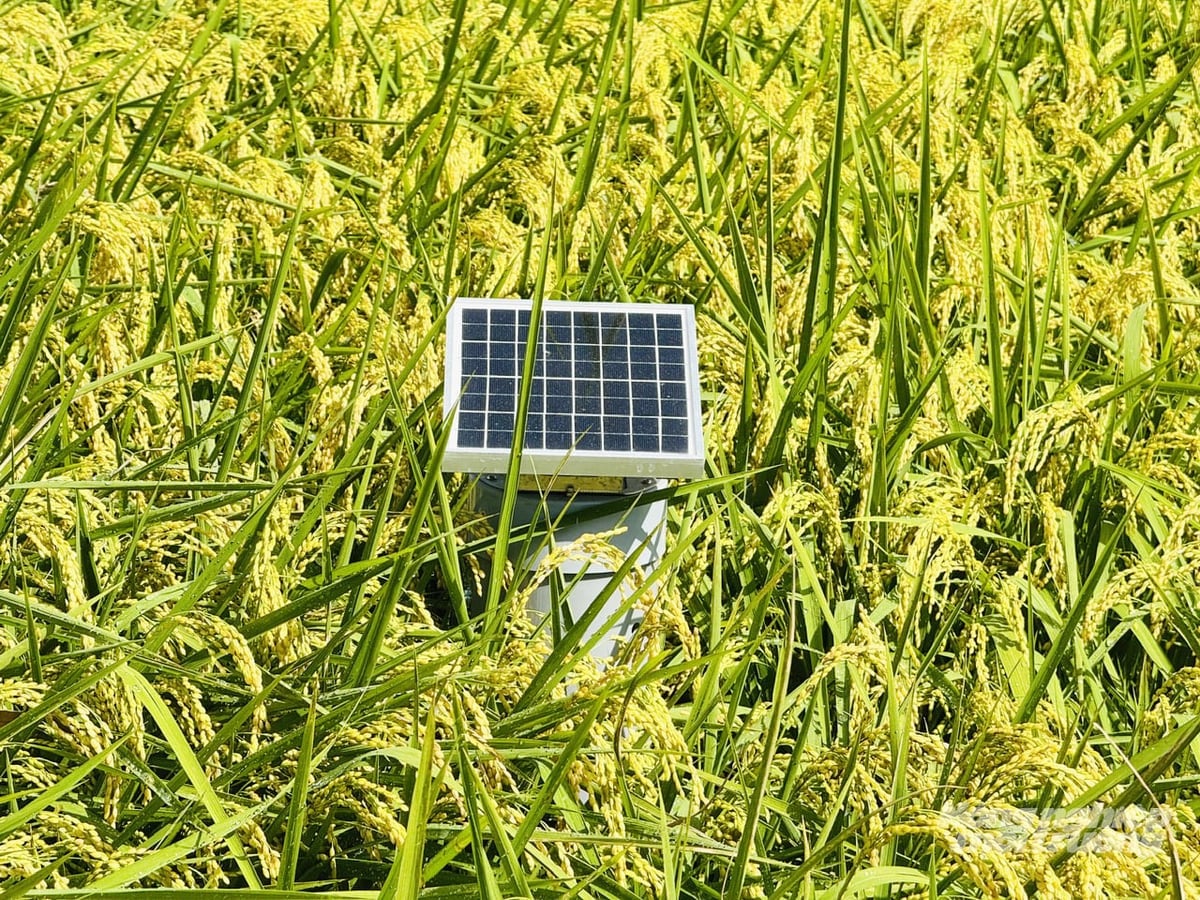
Greenhouse gas emission monitoring equipment is installed directly in the fields to monitor and assess emissions, providing a basis for developing carbon credits in sustainable rice production. Photo: Le Hoang Vu.
Simultaneously, the An Giang Agricultural Extension Center implemented the Central Agricultural Extension Project on rice cultivation with reduced emissions, successfully applying the alternating wet and dry irrigation process in 4 cooperatives across 3 ecological zones. Intelligent sensor systems monitor water levels, soil moisture, environmental conditions, and remotely control pumps, contributing to water conservation and greenhouse gas emissions reduction. In particular, emission measurement devices using TDLAS and NDIR technology allow for direct field measurements, providing a scientific basis for developing carbon credits in agriculture.
In recent years, An Giang province has also implemented a smart, IoT-connected pest monitoring system in its high-quality rice-growing areas. The system uses light traps, cameras, environmental sensors, and artificial intelligence to identify over 100 insect species, distinguishing between harmful organisms and beneficial natural enemies. Only when pest density exceeds a threshold is an alert sent to technical staff and farmers, significantly reducing the use of pesticides, lowering production costs, and protecting the ecological environment of the rice fields.
Thanks to the synchronized implementation of many advanced technical solutions, An Giang now has over 150,000 hectares of rice applying 3 sustainable farming criteria, more than 110,000 hectares applying 4 criteria, and over 43,000 hectares applying all 5 criteria according to the Project. The entire province has implemented 89 demonstration models with a total area of approximately 2,000 hectares, attracting the active participation of stakeholders in the rice value chain.
Highly appreciated by the Central Committee.
According to the plan, for the 2025-2026 winter-spring crop season, the Mekong Delta provinces will implement the Project on over 5,149 hectares, of which approximately 399 hectares will apply the 145 process of the Department of Crop Production and Plant Protection. An Giang province alone is expected to have about 351,000 hectares of rice participating in the Project, accounting for more than 35% of the total area implemented under Decision 1490/QD-TTg of the Prime Minister.
Evaluating the results achieved, Deputy Minister of Agriculture and Environment Tran Thanh Nam affirmed that localities in the Mekong Delta region, including An Giang, have seriously and systematically implemented the Project on 1 million hectares of high-quality, low-emission rice, achieving many positive results. The project not only helps reduce costs and increase profits for farmers but also contributes to realizing the goal of green growth and sustainable agricultural development.
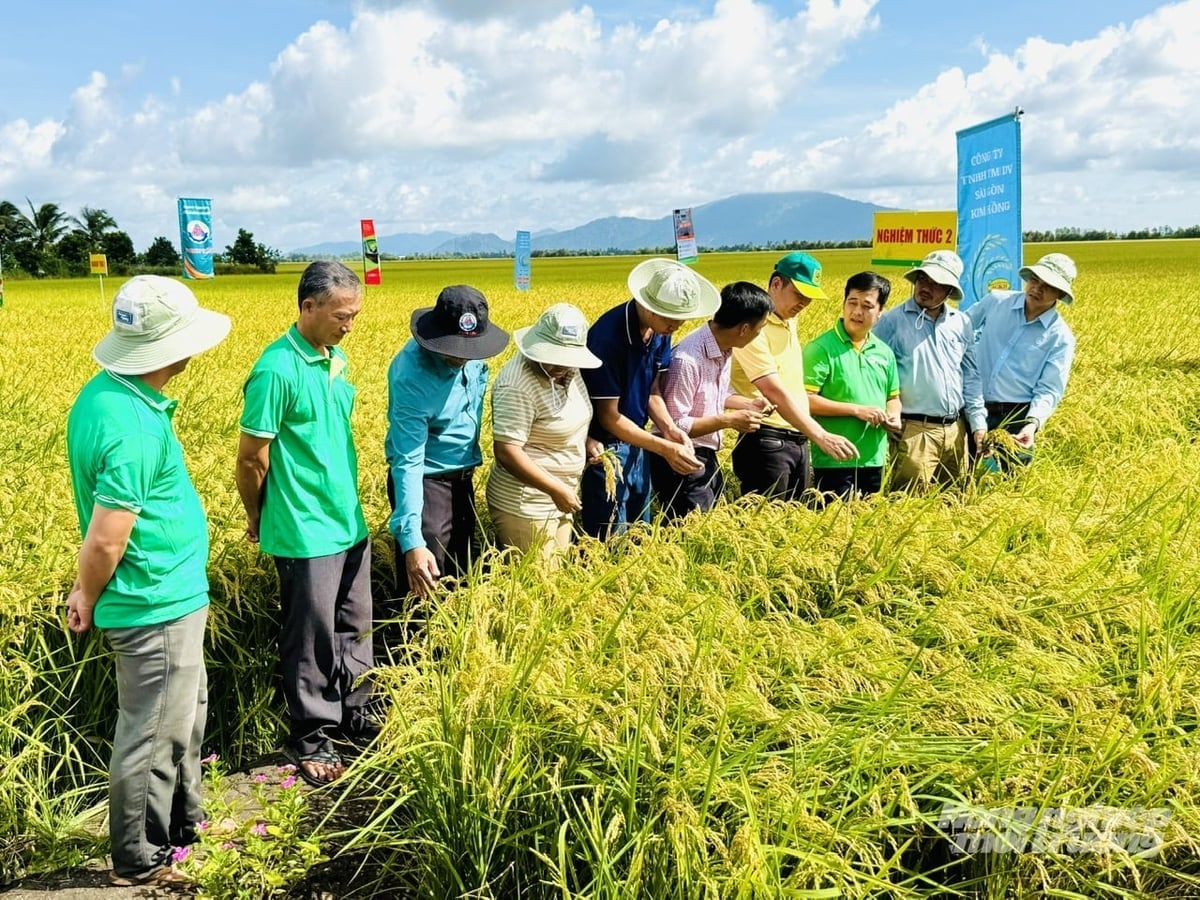
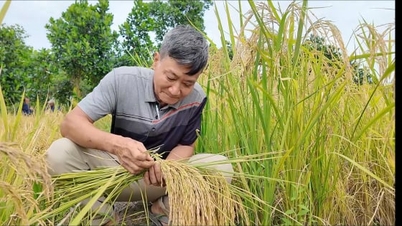
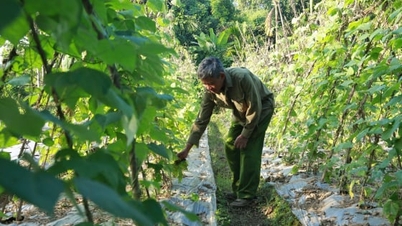
Farmers in An Giang are increasingly participating in the 1 million hectare high-quality rice project thanks to the clear economic benefits from applying scientific and technological advancements to production. Photo: Le Hoang Vu.
Deputy Minister Tran Thanh Nam requested that the agricultural sector and localities continue to promote awareness among farmers about the long-term benefits of cultivating high-quality, low-emission rice. He also urged the early approval of collaborative projects, creating favorable conditions for businesses to access government support policies when participating in the program. In particular, he called for businesses to invest in post-harvest straw processing, contributing to improved emission reduction efficiency.
With the results achieved, the 1 million hectare high-quality rice project is gradually affirming its correctness and effectiveness in An Giang, opening up a sustainable direction for the rice industry in the Mekong Delta region in the context of climate change and the increasingly high demands of the international market.
Source: https://nongnghiepmoitruong.vn/an-giang-lan-toa-hieu-qua-de-an-1-trieu-ha-lua-chat-luong-cao-d789707.html

![[Image] Leaked images ahead of the 2025 Community Action Awards gala.](/_next/image?url=https%3A%2F%2Fvphoto.vietnam.vn%2Fthumb%2F1200x675%2Fvietnam%2Fresource%2FIMAGE%2F2025%2F12%2F16%2F1765882828720_ndo_br_thiet-ke-chua-co-ten-45-png.webp&w=3840&q=75)
![[Photo] Prime Minister Pham Minh Chinh receives Lao Minister of Education and Sports Thongsalith Mangnormek](/_next/image?url=https%3A%2F%2Fvphoto.vietnam.vn%2Fthumb%2F1200x675%2Fvietnam%2Fresource%2FIMAGE%2F2025%2F12%2F16%2F1765876834721_dsc-7519-jpg.webp&w=3840&q=75)




















































Comment (0)