

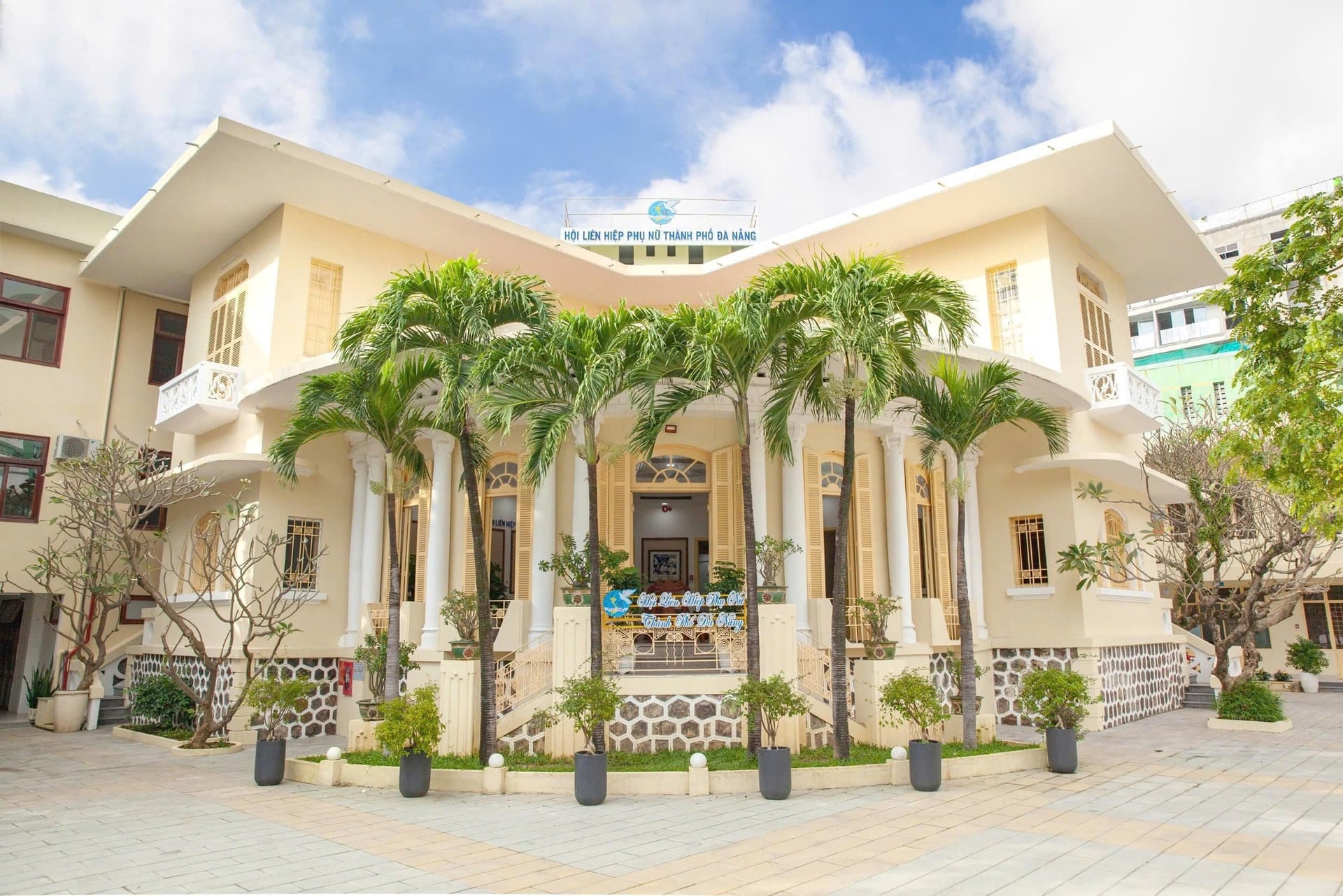
As central land becomes increasingly scarce and many historical buildings disappear due to rapid development, the existence of Pasteur Street not only holds architectural value but also raises a larger question: what is the future of urban heritage in a city striving for a modern, dynamic, and innovative model?
Why is a change in function necessary?
In the case of 01 Pasteur, the core issue lies in the mismatch between the architectural scale and current usage requirements. The building is not large enough to accommodate modern administrative functions, but it is appropriately sized for community-based cultural and educational activities.
The building's history, from residential use to the headquarters of the City Women's Union, shows that it was originally associated with informal forms of activity and leaned more towards social life than administration. This characteristic creates a natural compatibility with small-scale cultural space models, where intimacy and accessibility are more important than size.
Another reason why a functional transformation is necessary is not the lack of cultural institutions, but the imbalance in types and approaches in the central area of Da Nang. Existing museums such as the Cham Museum, the Da Nang Museum, or the Fine Arts Museum are all specialized institutions, relatively large in scale, and operate on a permanent exhibition model.
Meanwhile, the central core still lacks small, flexible cultural spaces capable of accommodating creative activities, education, and community interaction on a more intimate level. Therefore, continuing to use 01 Pasteur as an administrative office is unlikely to add value to urban life, while converting the building into a small-scale cultural space could provide exactly the kind of space the area is lacking.
In other words, the need for transformation does not stem from nostalgic sentiment, but from a well-founded consideration of architectural value, historical use, and urban development strategy. An old building only truly "lives" when its new function establishes a genuine relationship with the surrounding community. It is at this point that 01 Pasteur demonstrates its readiness to enter a new life cycle without losing its inherent architectural identity.
Contemporary art and creative space
Along with layers of architectural content and social memory, incorporating contemporary art and creative activities into 01 Pasteur is a key element in preventing the building from becoming merely a formal structure. Numerous studies on urban conservation indicate that heritage is only truly sustainable when the space is regularly activated by cultural, educational, and creative activities, rather than existing as a static exhibit.
Given the scale and structure of 01 Pasteur, the appropriate model is not a large art center but rather a small-scale creative space where exhibitions, workshops, short-term artist residencys, or specialized educational programs can take place in rotation. This approach allows the building to maintain continuous use without significantly altering the original architectural structure.
The lesson learned from handling the 01 Pasteur building is that incorporating art and creative activities into the building should not aim at commercializing the heritage, but rather at creating a flexible operating mechanism where architecture, memory, and creative practice coexist. When heritage becomes a space for work, study, and experimentation, the building is not only preserved in form but also continues to participate in the cultural production process of the contemporary city.
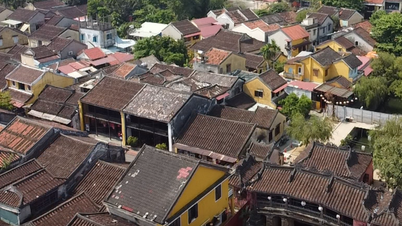
Building No. 1 Pasteur Street needs to be viewed beyond its value as a single structure. It is a typical example of the small-scale colonial housing that was once quite prevalent in the center of Da Nang, but now only a few remain, and most are in a state of disrepair, lacking adequate protection mechanisms.
The greatest significance of this model lies not in its scale but in its ability to create a valid precedent. A successful case would pave the way for a review of nearly ten similar remaining buildings in the city center, where the colonial civil architecture is fading from urban memory. Adaptive conservation, therefore, is not just a solution for Pasteur Street, but a way for the city to identify and preserve an important layer of history before it disappears completely.
Granting Pasteur Street a suitable cultural function means laying the foundation for a broader strategy: preserving small groups of buildings using flexible, feasible, sustainable models that are connected to contemporary life. Da Nang may grow in size by the number of years, but the depth of the city is only created by what survives through generations. Losing Pasteur Street is not just losing a building, but cutting off a page of urban history.
Source: https://baodanang.vn/bao-ton-di-san-do-thi-3323550.html
![[Photo] General Secretary and President To Lam presides over a working session with the Central Policy and Strategy Committee on the development of the materials industry.](https://vphoto.vietnam.vn/thumb/1200x675/vietnam/resource/IMAGE/2026/05/21/1779359935432_a3-bnd-3129-1412-jpg.webp)

![[Photo] National Assembly Chairman Tran Thanh Man working with the Standing Committee of the Law and Justice Committee](https://vphoto.vietnam.vn/thumb/1200x675/vietnam/resource/IMAGE/2026/05/21/1779378929214_ndo_br_1-4610-jpg.webp)

























































Comment (0)