

What is Influenza A?
Influenza A is an acute respiratory infection. It is caused by strains of the influenza A virus, including H1N1, H5N1, and H7N9. Most people infected recover without medication. However, some cases require hospitalization due to this viral infection, as influenza A can cause dangerous complications, especially in children, pregnant women, and the elderly with weakened immune systems.
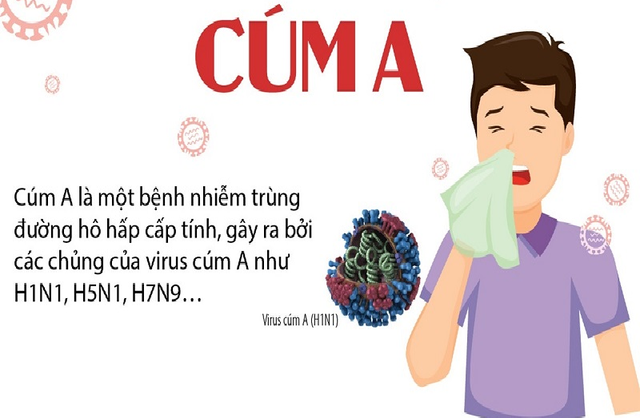
Illustrative image
How is influenza A transmitted?
The transmission route of influenza A virus from an infected person to a healthy person is very simple. Influenza A virus spreads mainly from person to person through dust particles and tiny droplets of saliva containing the virus from an infected person via coughing or sneezing. Sometimes, an infected person can become infected by touching a hard surface such as a doorknob or stair railing contaminated with the influenza virus, and then touching their mouth or nose.
Influenza A can be contagious from one day before symptoms develop until seven days after becoming ill. Children and the elderly, who have weaker immune systems, are more likely to remain infectious for a longer period.
Signs of influenza A infection
Influenza A has symptoms similar to other acute respiratory infections, including fever, respiratory inflammation (such as cough, sneezing, and runny nose), sore throat, and fever. Specifically, patients with influenza A often experience high fevers of 39-40°C, skin congestion, and generalized redness and congestion of the throat.
Children may experience fatigue, poor appetite, and irritability; severe cases may involve shortness of breath and other complications. The vast majority of patients will be examined, prescribed medication, and discharged for outpatient treatment. However, cases with complications such as bronchitis, pneumonia, or bronchiolitis will require hospitalization.
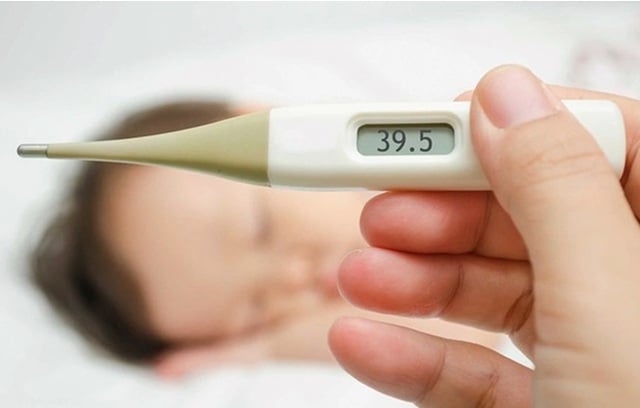
Influenza A typically causes a high fever of 39-40°C. (Illustrative image)
5 groups of people at higher risk of contracting influenza A.
Anyone can get influenza A, however, the following cases require attention as they have a higher risk of infection and more severe symptoms:
- Children under 5 years old, with children under 2 years old at the highest risk of infection.
- Adults over 65 years old: Individuals with chronic diseases such as diabetes, heart and lung disease, kidney failure, liver failure, and immunodeficiency.
- Pregnant women, especially during the second or third trimester.
- Patients with cognitive impairment, neurological disorders, epilepsy, etc.
- People who work in crowded environments such as schools, hospitals, and offices are at a higher risk of infection.
Dangerous complications of influenza A.
Influenza A usually doesn't progress too severely; however, it can become serious and potentially fatal in people with cardiovascular or respiratory conditions, as well as in young children and the elderly.
Pneumonia complications are common in children, people over 65 years old, and those with chronic diseases, coronary artery disease, heart failure, diabetes, etc.
In addition, the disease can cause middle ear infections, sinusitis, urinary tract infections, and symptoms such as high fever, shortness of breath, lung edema, and cyanosis. In pregnant women, influenza A infection can lead to complications such as pneumonia and miscarriage. The most dangerous complications of influenza A are cerebral edema and severe liver damage, with a high mortality rate.
How to treat influenza A at home
- Take fever-reducing medication as prescribed by your doctor. Limit going out to public places or contact with many people; if you must, wear a medical mask.
- Allow the patient to rest as much as possible. Ensure they drink plenty of fluids, eat a balanced diet with adequate nutrients, consume easily digestible foods, and limit cold drinks.
- Take a warm bath and wear light, breathable clothing to lower your body temperature.
- If symptoms do not improve after 7 days, take the patient to a medical facility for immediate emergency treatment.
6 mistakes to avoid when self-treating influenza A at home.
- Do not self-medicate with antibiotics without a doctor's prescription.
- Do not overuse the antiviral drug Tamiflu.
- Avoid overusing corticosteroids in the treatment of influenza.
- Do not combine medications without following your doctor's instructions.
- Do not increase or decrease the dosage of medication without authorization.
- Do not stop taking medication without your doctor's instructions.

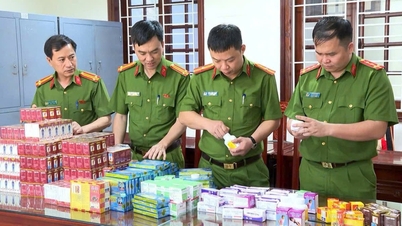
Patients with influenza A should not self-medicate with antibiotics without a doctor's prescription. (Illustrative image)
What should people with influenza A eat to recover quickly?
Patients with influenza A should eat easily digestible foods, drink plenty of water, and consume lots of fresh fruits and vegetables rich in vitamin C to boost their immune system and fight off the virus.
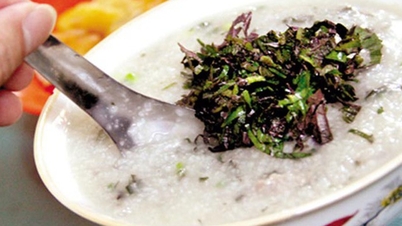
For infants who are still breastfeeding, increase feedings on demand whenever the baby feels comfortable. For older children, feed them easily digestible, liquid foods such as porridge and soup.
Children should eat plenty of green vegetables and fresh fruits rich in vitamins, especially vitamin C, to help boost their immune system. Ensure they drink enough water. Divide meals into smaller portions throughout the day to make them easier for children to eat and absorb nutrients better.
Preventing influenza A as recommended by the Ministry of Health.
When symptoms suggestive of influenza appear , you should immediately go to a medical facility for examination and accurate diagnosis. This will allow for measures to prevent the spread of infection to those around you.
Practice good personal hygiene: Wash your hands frequently with alcohol-based hand sanitizer or antibacterial soap after touching objects or going to public places, limit contact with people suspected of having the flu, and avoid crowded places during flu season.
- Clean your living and working spaces with disinfectant solutions, and open windows for ventilation.
- Boost your immune system through exercise, a healthy diet, and a healthy lifestyle.
- Get vaccinated against influenza fully and on schedule, especially those at high risk of contracting the flu, who should be vaccinated before the flu season.
Source
![[Image] Leaked images ahead of the 2025 Community Action Awards gala.](/_next/image?url=https%3A%2F%2Fvphoto.vietnam.vn%2Fthumb%2F1200x675%2Fvietnam%2Fresource%2FIMAGE%2F2025%2F12%2F16%2F1765882828720_ndo_br_thiet-ke-chua-co-ten-45-png.webp&w=3840&q=75)
![[Photo] Prime Minister Pham Minh Chinh receives the Governor of Tochigi Province (Japan)](/_next/image?url=https%3A%2F%2Fvphoto.vietnam.vn%2Fthumb%2F1200x675%2Fvietnam%2Fresource%2FIMAGE%2F2025%2F12%2F16%2F1765892133176_dsc-8082-6425-jpg.webp&w=3840&q=75)
![[Photo] Prime Minister Pham Minh Chinh receives Lao Minister of Education and Sports Thongsalith Mangnormek](/_next/image?url=https%3A%2F%2Fvphoto.vietnam.vn%2Fthumb%2F1200x675%2Fvietnam%2Fresource%2FIMAGE%2F2025%2F12%2F16%2F1765876834721_dsc-7519-jpg.webp&w=3840&q=75)
![[Live] 2025 Community Action Awards Gala](/_next/image?url=https%3A%2F%2Fvphoto.vietnam.vn%2Fthumb%2F1200x675%2Fvietnam%2Fresource%2FIMAGE%2F2025%2F12%2F16%2F1765899631650_ndo_tr_z7334013144784-9f9fe10a6d63584c85aff40f2957c250-jpg.webp&w=3840&q=75)






























































































Comment (0)