

1. Exercise mechanism strengthens the immune system to prevent flu
- 1. Exercise mechanism strengthens the immune system to prevent flu
- 2. Optimal exercise methods to prevent flu
- 3. Notes when exercising in cold weather
Understanding the mechanism of exercise affecting immunity and applying the right method will help each person turn exercise habits into a natural shield, reducing the frequency of flu and reducing the severity of the disease when unfortunately infected.
Enhance immune cell circulation
When we exercise, the rate of blood and lymph circulation in the body increases significantly. This rapid circulation helps important immune T cells move throughout the body at a higher rate.
Increasing the circulation of these cells is like increasing patrols in the body. Immune cells quickly find and detect pathogens (viruses, bacteria) as soon as they invade. This helps the immune system respond faster and more effectively, stopping the flu virus in time before it can multiply and cause serious illness.
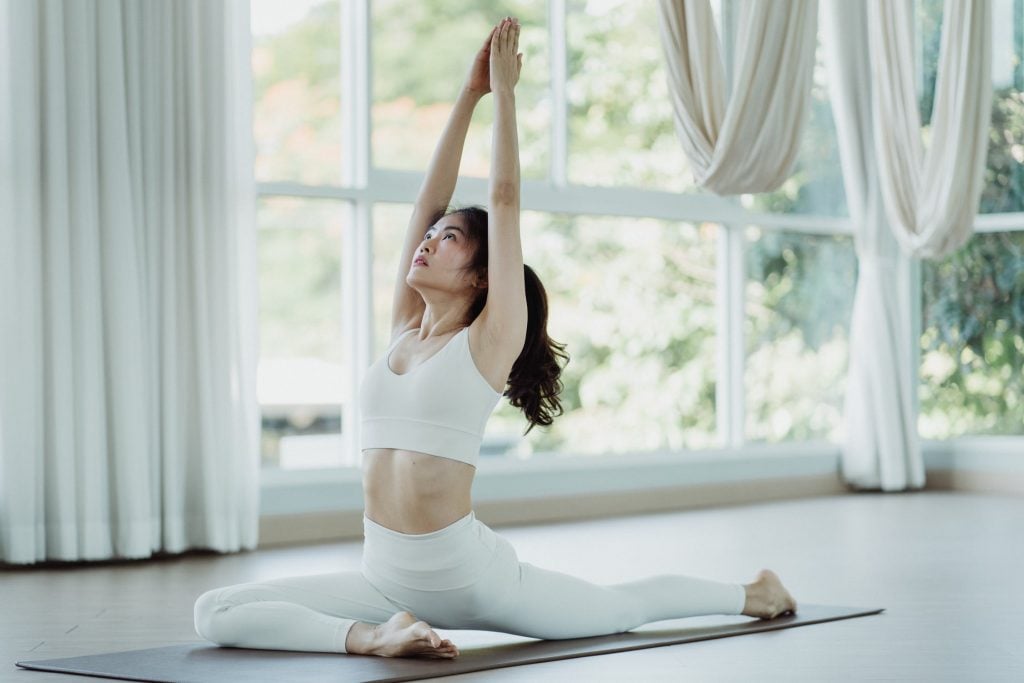
Gentle exercises help boost immunity, beneficial for disease prevention...
Reduce chronic inflammation and stress
Exercise is a natural stress reliever. Regular physical activity helps regulate levels of the stress hormone cortisol. When cortisol remains high due to chronic stress, it weakens and suppresses immune system functions. Exercise helps reduce cortisol, allowing immune cells to function normally again.
In addition, exercise also helps reduce chronic low-level inflammation in the body. Chronic inflammation is the root cause of many diseases and depletes the immune system. Moderate exercise has a natural anti-inflammatory effect, helping the body focus its energy on defending against acute pathogens such as the flu virus.

Improve lung function
Cardiovascular exercises such as running help improve lung health. Stronger lungs help the body clear harmful agents, including flu viruses and bacteria, from the respiratory tract more easily and efficiently. This reduces the risk of secondary respiratory infections.
2. Optimal exercise methods to prevent flu
To achieve maximum immune benefits, exercise should follow these principles:
Moderate and consistent: This is the golden rule to boost immunity. Moderate intensity exercises are best for the immune system. For example, brisk walking, light jogging, cycling at a comfortable pace for about 30 to 45 minutes, should be done 4-5 days a week.
Regular exercise, maintaining a daily routine, is much more important than high intensity exercise that is infrequent.
Effective types of exercise
- Aerobic exercises: Activities such as walking, swimming, jumping rope, and dancing help improve heart and lung function and increase blood circulation, supporting the circulation of immune cells.
- Strength training: Exercises like light weight lifting or bodyweight exercises help maintain muscle mass and support healthy metabolism, indirectly improving overall health.
3. Notes when exercising in cold weather
Flu season often coincides with cold season, so when exercising outdoors, make sure to:
- Wear many thin layers of clothing instead of wearing few but thick layers: This helps the body stay warm and makes it easier to remove layers, regulate temperature and feel more comfortable when exercising.
- Warm up thoroughly before exercising to avoid injury and help your lungs get used to the cold air.
- Adequate hydration is very important, even in cold weather with little sweating, the body still loses water through breathing and dry air.

Exercise helps improve heart and lung function and strengthen the immune system.
Risks of improper exercise:
- Overtraining: While exercise is good, overtraining or exercising at the wrong time can be counterproductive to the immune system.
- Open window syndrome: Excessively intense and prolonged exercise (usually more than 90 minutes continuously) can cause serious stress on the body. Immediately after exercise, the number of immune cells may decrease temporarily and cortisol levels increase. This creates an "open window" lasting several hours during which the body is more vulnerable to pathogens such as the flu virus. Therefore, overtraining should be carefully considered and managed.
- Risks when sick: If you have flu symptoms such as fever, body aches, or a severe cough, it is essential to rest completely. Exercising when you have a fever, are tired... can increase your body temperature and harm your heart.
To effectively prevent the flu, each person needs a comprehensive protection strategy, in which moderate and regular physical exercise plays an essential role. By enhancing immune circulation, reducing stress and improving respiratory function, exercise helps the body build a strong natural shield against viruses. Make exercise an indispensable habit, not only for your figure but also for a healthy immune system.
Readers are invited to watch more videos :
Source: https://suckhoedoisong.vn/luyen-tap-co-the-day-lui-nguy-co-mac-cum-16925120616043831.htm


![[Photo] General Secretary To Lam receives the Director of the Academy of Public Administration and National Economy under the President of the Russian Federation](/_next/image?url=https%3A%2F%2Fvphoto.vietnam.vn%2Fthumb%2F1200x675%2Fvietnam%2Fresource%2FIMAGE%2F2025%2F12%2F08%2F1765200203892_a1-bnd-0933-4198-jpg.webp&w=3840&q=75)







































































































Comment (0)