

1. The effect of walking style on blood sugar levels
- 1. The effect of walking style on blood sugar levels
- 2. The effect of short walks throughout the day on blood sugar
- 3. Why is a long walk in the morning still important?
1.1 Short walks throughout the day
Several studies and meta-analyses have shown that short breaks in sitting posture reduce postprandial glucose and insulin levels compared with prolonged sitting.
For people with type 1 and type 2 diabetes, light exercise after meals can help limit blood sugar spikes. According to Healthline, citing research results, just a 10-minute walk right after each meal is more effective in stabilizing blood sugar than a 30-minute walk at another time of the day.
1.2 Long morning walk
A long morning walk can rapidly lower glucose and temporarily improve insulin sensitivity, but this effect on fasting glucose is usually small and depends on timing compared with meals and medications.
Some trials have shown that morning exercise reduces blood sugar levels in people taking medications such as metformin, but other studies report little change in fasting blood sugar levels after a single hike.

Walking helps reduce blood sugar.
2. The effect of short walks throughout the day on blood sugar
Studies show that the most effective way to control blood sugar immediately is to take short walks around mealtimes and limit sitting for long periods of time.
If you take a long walk in the morning and then sit for the rest of the day, you won’t get the full metabolic benefits. On the other hand, short walks throughout the day can help improve blood sugar, lower cholesterol, reduce the risk of heart attack or stroke, and keep your metabolism running.
Additionally, taking a short 5- to 10-minute walk after each meal or standing up or moving around lightly every hour can help boost concentration, energy, endurance, and improve metabolic health.
How to practice short walks to get more benefits
- Walk 10-15 minutes after each meal: Walking after meals is the most powerful tool to control blood sugar levels. Studies also emphasize the effectiveness of walking after meals on blood sugar spikes.
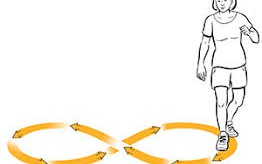
- Stand up every 20 to 30 minutes: Avoid sitting for long periods of time by standing up every 20 to 30 minutes and taking a short 3-minute walk to help keep your metabolism moving.
3. Why is a long walk in the morning still important?
While short, frequent walks have clear benefits for blood sugar control, longer morning walks continue to play an important role in metabolic and cardiovascular health. They provide benefits that short walks alone may not fully provide, such as:
- Improve aerobic fitness and cardiovascular health
- Helps improve cholesterol over time
- Increase insulin sensitivity in the morning
- Improve mood and stress
Source: https://suckhoedoisong.vn/di-bo-dai-buoi-sang-hay-di-bo-ngan-ca-ngay-cach-nao-kiem-soat-duong-huet-tot-hon-16925120413082646.htm


![[Photo] General Secretary To Lam receives the Director of the Academy of Public Administration and National Economy under the President of the Russian Federation](/_next/image?url=https%3A%2F%2Fvphoto.vietnam.vn%2Fthumb%2F1200x675%2Fvietnam%2Fresource%2FIMAGE%2F2025%2F12%2F08%2F1765200203892_a1-bnd-0933-4198-jpg.webp&w=3840&q=75)








































































































Comment (0)