

Amid a shortage of rare earth elements—essential for powering many technological devices—the US and EU are seeking new sources of supply from Central Asia.
Not only is the administration of President Donald Trump interested in strategic minerals, but the European Union (EU) is also paying close attention to the rich metal resources in Central Asia.
In numerous meetings with Central Asian governments , US and EU officials appear particularly interested in expanding access to the region's abundant "essential mineral resources."
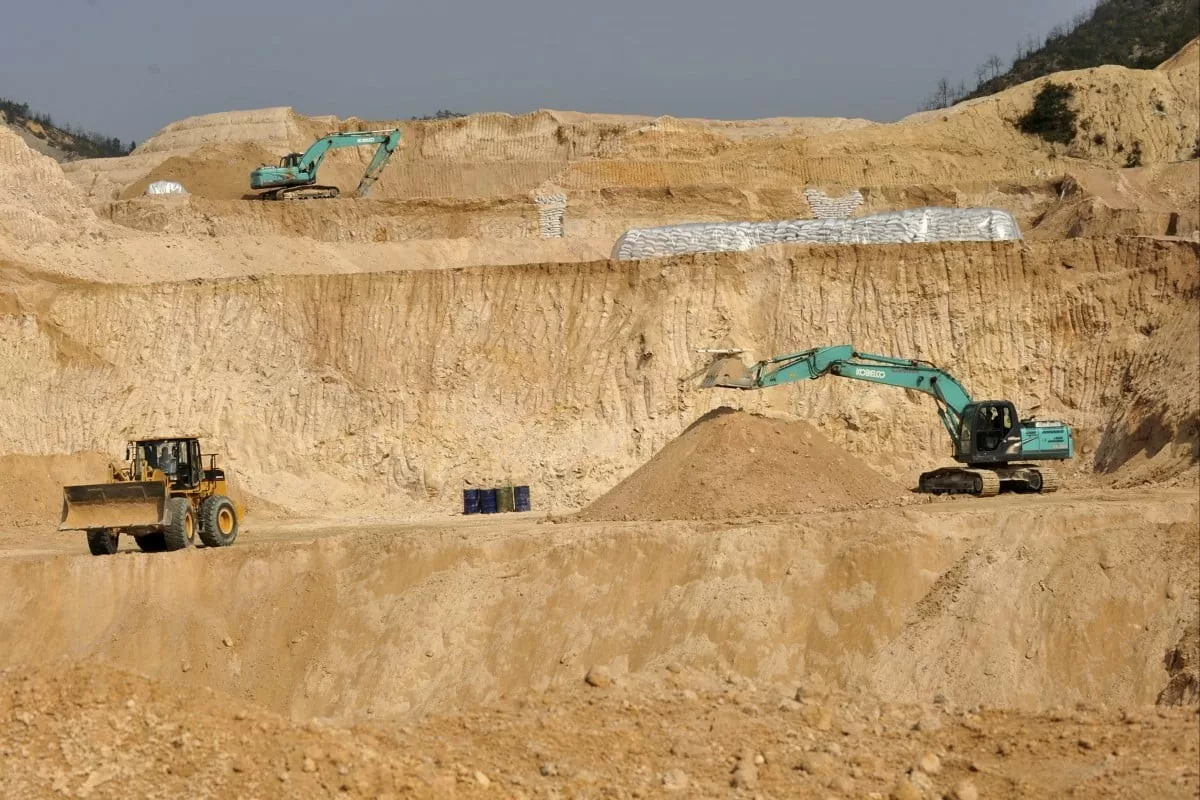 |
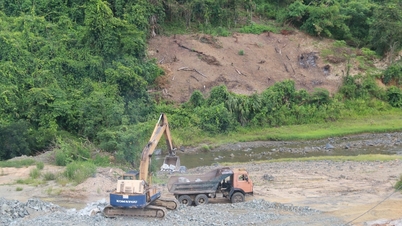
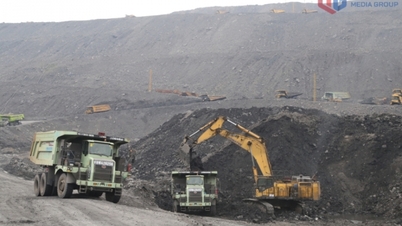
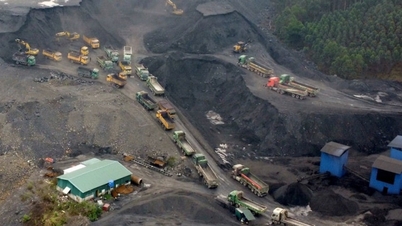
| The shortage of rare earth minerals is prompting the US and EU to seek new sources of supply from Central Asia. (Illustrative image) |
The US is actively seeking opportunities for cooperation with Kazakhstan.
Over the past few days, senior officials in President Donald Trump's administration have been actively seeking opportunities for cooperation with Kazakhstan. On March 13, US Energy Secretary Chris Wright raised the issue of rare earth elements during a meeting with his Kazakh counterpart, Almassadam Satkaliyev, on the sidelines of an energy conference in Houston.
The day before, US Secretary of State Marco Rubio also issued a statement following talks with Kazakhstan's Deputy Prime Minister and Foreign Minister Murat Nurtleu, emphasizing that the US "looks forward to working with Kazakhstan to strengthen economic relations in the energy, telecommunications, and key mineral sectors."
Europe is stepping up investment in Central Asian mining.
The growing interest of the US in strategic minerals is mirrored by that of the EU. European Commissioner for International Partnerships, Jozef Sikelak, began a six-day tour of five Central Asian countries on March 12th to explore investment opportunities in the mining sector.
The EU statement said that key minerals were one of four main topics discussed with Central Asian leaders during Sikelak's visit, with the aim of promoting "best practices, creating new jobs and strengthening economic resilience." Other objectives of the trip included improving infrastructure in the areas of transport, digital connectivity, energy and climate, in order to expand trade between Central Asia and the EU. During his stop in Uzbekistan, Sikelak is expected to visit the Almalyk Mining and Metallurgy Complex.
Future investment opportunities
Earlier, in early March 2025, Uzbekistan announced a $2.6 billion initiative to develop its mining and mineral sector, creating attractive opportunities for investment from the US and Europe.
During his recent visit to France, Uzbek President Shavkat Mirziyoyev signed a $5 million mineral agreement, according to Gazeta.uz on March 13. Under the agreement, the French Geological Survey will “provide expertise and knowledge to develop Uzbekistan’s national geological services,” and support geological and technical research on strategic minerals.
The shortage of rare earth minerals, essential for powering many critical 21st-century technologies, is driving the US and EU to seek new sources of supply from Central Asia. According to an analysis published in late 2024 by the Lowy Institute for International Policy (Australia), “a number of factors make Central Asia, particularly resource-rich Kazakhstan, along with Uzbekistan and Tajikistan, the most viable alternatives to traditional suppliers, especially China.”
However, the US and the EU must quickly step up their efforts if they want to gain a significant share of the region's mining and mineral industry. China has long established a dominant position in this region.
Analysis by the Lowy Institute shows: “China’s growing domestic demand for critical minerals, primarily related to microchip manufacturing and green energy, makes its strategic interests in the Central Asian economic sphere particularly strong.” “In fact, Beijing has taken the lead in this area, especially in Kyrgyzstan and Tajikistan, where it controls most of the rare earth mining contracts.”
Although opportunities in current exploration projects are limited, the US and EU could still gain a significant market share in future projects.
“Central Asian leaders understand that without foreign investment, technology, and expertise, they will struggle to fully exploit their domestic resource potential,” the Lowy Institute’s analysis emphasizes. “They also recognize that closer cooperation will help them become leading producers of essential minerals, securing their position in the global supply chain.”
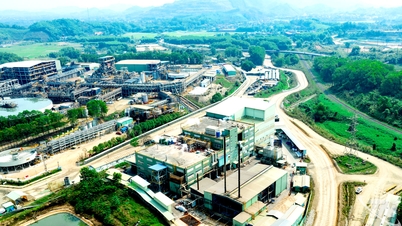
| In early March 2025, Uzbekistan announced a $2.6 billion initiative to develop its mining and mineral sector, creating attractive opportunities for investment from the US and Europe. |
Source: https://congthuong.vn/cuoc-dua-gianh-dat-hiem-dang-nong-len-o-trung-a-378827.html



















![[Photo] Prime Minister Pham Minh Chinh receives the Chinese Ambassador to Vietnam](https://vphoto.vietnam.vn/thumb/1200x675/vietnam/resource/IMAGE/2026/04/05/1775397481797_ndo_br_dsc-5512-jpg.webp)











































Comment (0)