

Since ancient times, the name of the village or commune where each person is born has been associated with them throughout their lives. It is not just an identifier, an address, or a mailbox, but also contains the love for their homeland, the place where they were born and raised; the place they return to after fleeing war, working far from home, or even in their twilight years when they are far from home... For many people, the village or commune is more important than anything else in their life's journey.
Village names and cultural and religious origins
For each person, their homeland holds a sacred and profound sentiment, a place where all the memories and recollections of childhood reside. The names of villages and communes also preserve historical and cultural memories, local identity, and serve as a bond connecting people to their homeland. Due to the vicissitudes of historical circumstances in different periods and regimes, and the frequent reorganization of the administrative apparatus, many villages, communes, streets, and wards have lost their names.
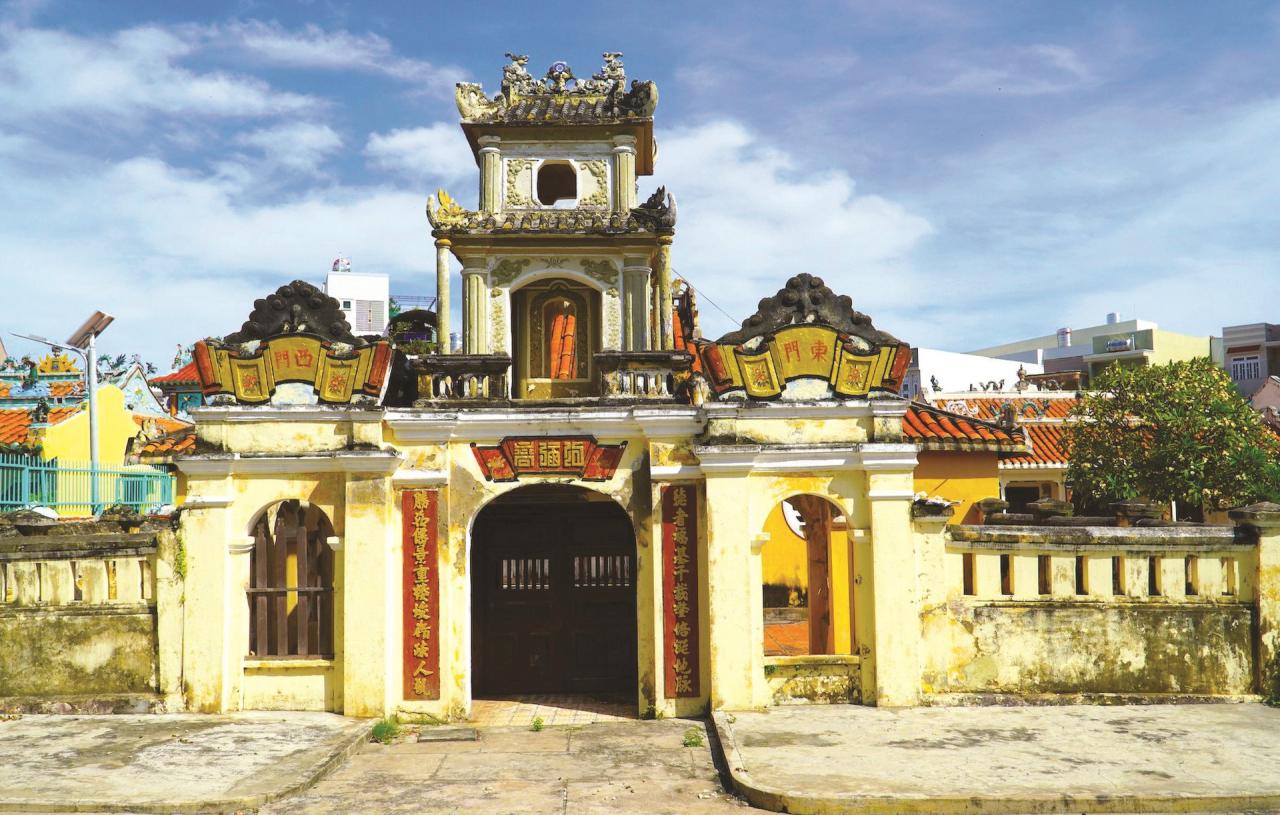
Despite numerous divisions and mergers, many villages, towns, and wards have lost or changed their names, but many villages have retained their original names from the time of their ancestors who pioneered the nation. These include ancient villages such as Binh An in Tuy Phong district; Xuan An, Xuan Hoi, Xuan Quang, Hoa Thuan… in Bac Binh district; Duc Thang, Duc Nghia, Lac Dao… in Phan Thiet, and many other localities in the province. Depending on the occupation of the villagers, their culture and beliefs have unique characteristics. When the population is primarily or predominantly agricultural, the villages often have village communal houses, temples, and shrines associated with appropriate rituals.
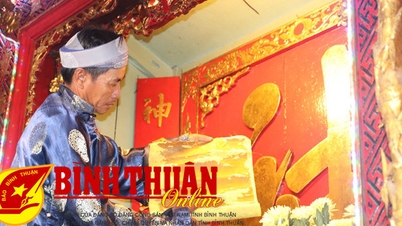
Ancient villages (or parts of villages) where the inhabitants are engaged in seafaring activities often have a belief in worshipping the whale god (whale) and a system of shrines and temples with related rituals associated with predetermined times. Coastal villages from Tuy Phong, Bac Binh, Phan Thiet, La Gi, and especially those on Phu Quy island district, are deeply rooted in this type of belief.
The ancient Cham people also had a system of village names preserved for centuries, clearly and coherently linked to village culture and religious beliefs. For example, villages like Lac Tri (Palei Cawait), Tuy Tinh (Palei Plom), Binh Duc (Palei Gaok), and Tinh My (Palei Canan) are examples of ancient Cham villages practicing Brahmanism.
Villages like Binh Minh (Palei Aia Maamih), Binh Thang (Palei Panat), Binh Hoa (Palei Dik), Canh Dien (Palei Cakak), Chau Hanh (Palei Caraih)... are ancient Cham villages practicing the Bani religion. In the past, when working in these Cham villages, I heard the elders speaking to each other using the old village names in the Cham language instead of the new ones. This remains the case today, as the old village names are easier for them to remember and pronounce in their mother tongue. Each time they mention the old village name, it's as if their parents, grandparents, and the old festivals come to life.
When asked why the villages have Vietnamese (Kinh) names and when they originated, many elderly people did not know or remember. Some believe that the Cham villages were renamed at the same time as the clans changed their surnames during the Nguyen dynasty to facilitate land registration and taxation. However, in the ceremonial prayers of religious leaders in both religions, the old village names are mostly mentioned, as mentioning the new names might lead the deities to return. For some Cham people, the new village names are almost only relevant in administrative documents, land ownership papers, or postal addresses.
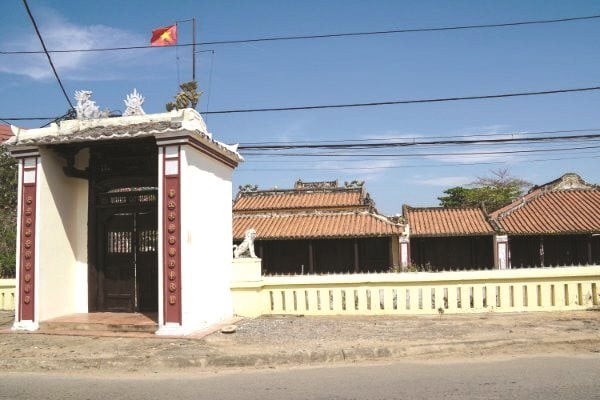
Don't let the names of villages and communes be lost after the merger.
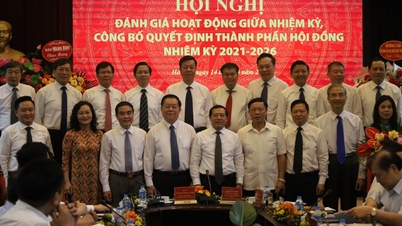
Currently, the Provincial People's Committee has a comprehensive plan for the reorganization of district and commune-level administrative units for the period 2023-2025, with a vision to 2030. The plan involves merging administrative units in several districts such as Bac Binh, Ham Thuan Bac, Ham Tan, and also Phan Thiet City and La Gi town. From a socio -economic perspective, mergers open up new development opportunities, aligning with the practical needs of the province and each locality. The mergers in some localities are gradually gaining public support, although some names may soon fade into the past as villages and neighborhoods are merged and new names are given.
From a cultural perspective, reorganizing administrative units is a major policy of the province aimed at streamlining the apparatus. However, naming villages, hamlets, streets, and wards is a complex issue; these familiar names are deeply ingrained in people's minds from birth, not merely administrative designations. In many places, after mergers, new, stiff, and forced names have emerged, causing concern and even resentment among the people. This is because the essence of a village encompasses generations of cultural traditions embodied in its name; it includes customs, practices, behaviors, psychology, and religious beliefs unique to the people of each locality. It is difficult to accept a new name that has no connection to the culture and beliefs of the villages and hamlets of the past.
Regarding the merger and renaming of places, 250 years ago, Le Quy Don wrote in his book "Phu Bien Tap Luc" in 1776 that when Lord Nguyen recruited people for the Bac Hai fleet, besides people from An Vinh commune on Cu Lao Re island, he only selected people from Tu Chinh village in Binh Thuan province or Canh Duong commune (Quang Binh province). Currently, the names of the villages and communes in those two places remain unchanged. However, the name of Tu Chinh village (Tu Chinh) in Binh Thuan province cannot be found on the ground or in any documents.
In an article by journalist Phan Khôi published in the Thần Chung newspaper, Saigon, issue 94 (May 12 and 13, 1929), it was stated that a Cham village called Càng Rang near the sea (Tuy Phong district) specialized in fishing, but that profession is now entirely in the hands of the Annamese. Thus, counting from the time Phan Khôi actually visited in 1929 until now, only 95 years have passed, yet an entire Cham village that had practiced fishing for generations has lost its name, location, and profession. Thanks to this article, we know that this was the last Cham village practicing the fishing trade in Binh Thuan and indeed in Vietnam.
In short, the old names of villages and communes bear the imprint of history for generations, are the pride of everyone born and raised there, and serve as a link between the present and the past. A new name must carry profound meaning, reflecting the pride of the people, fostering emotional connections, preserving ancestral traditions, and inspiring the community for present and future generations.
Source




































































Comment (0)