

Along with tourism, industry and agriculture are the three economic pillars of the province, likened to a "three-legged stool," contributing to socio-economic development and improving the lives and incomes of farmers. In particular, 2023 marked a turning point for the province's agricultural sector, after two years of implementing Resolution No. 05-NQ/TU of the Provincial Party Committee (14th term) on developing a modern, sustainable, and high-value-added agricultural sector (Resolution 05). Especially noteworthy is the formation of value-added chains and the expansion of agricultural product markets.
The resilience of advantageous crops
In the vibrant spring atmosphere leading up to Tet (Lunar New Year), the dazzling lights illuminating the vast dragon fruit orchards along National Highway 1A in Binh Thuan province create an even more enchanting and magical scene. Despite facing numerous difficulties and market fluctuations, localities have largely maintained a stable dragon fruit cultivation area of nearly 26,500 hectares, with a production of over 570,500 tons. With prices rising again towards the end of the year, growers and export businesses are harboring renewed hopes.
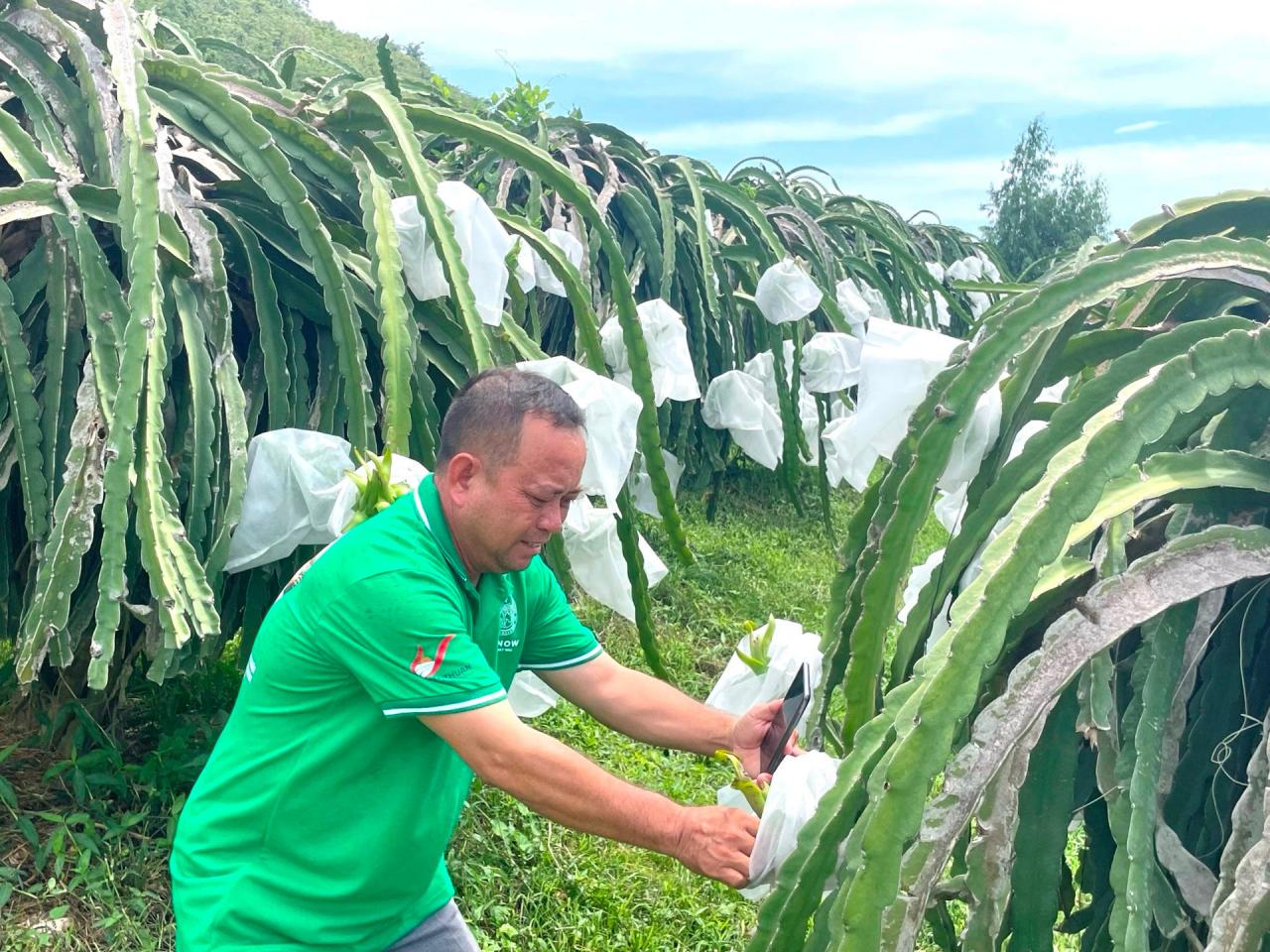
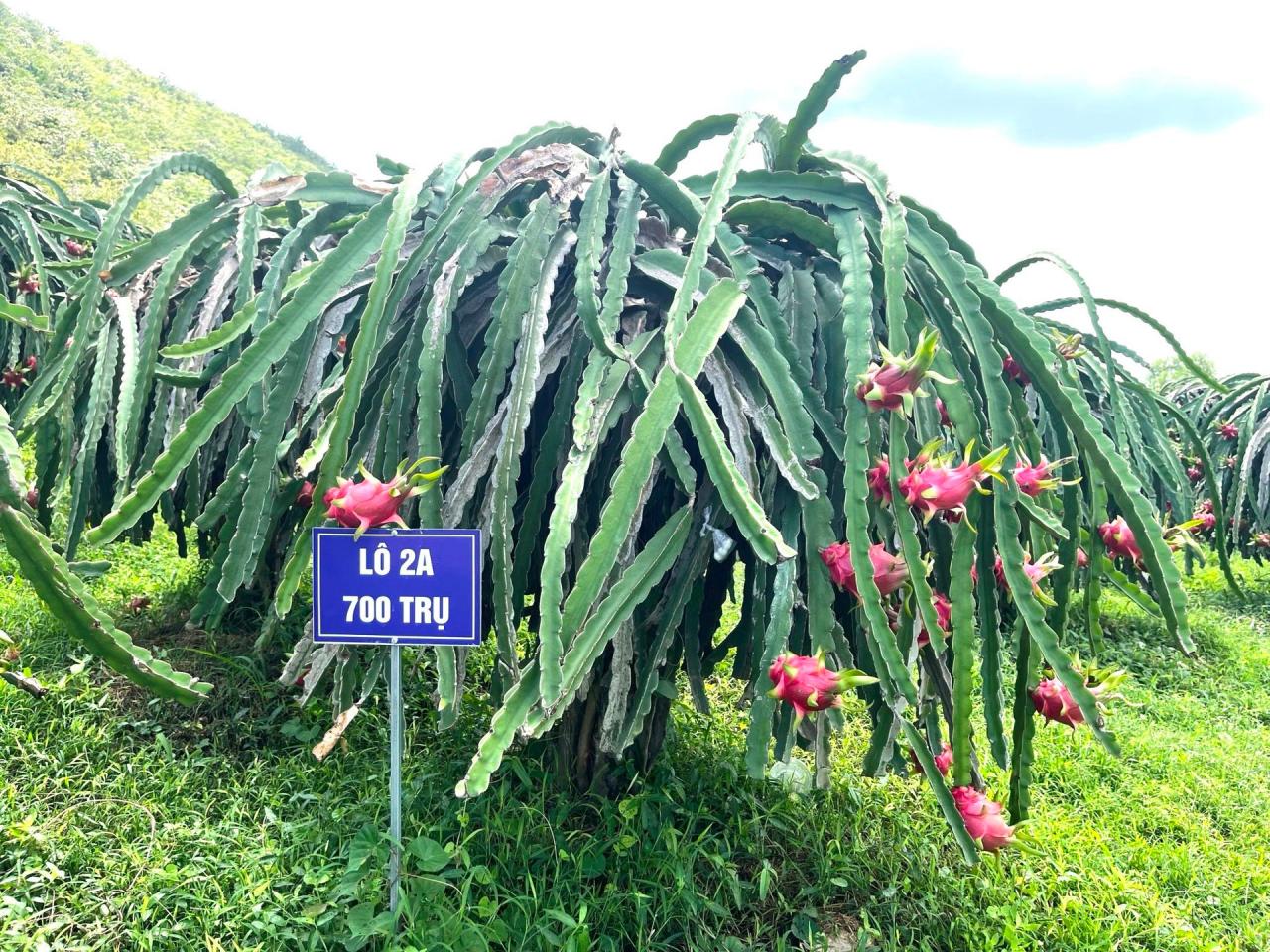
However, dragon fruit is not the only advantageous crop of the province; Binh Thuan also excels in other high-value crops such as cantaloupe, grapes, and rice. Several large-scale, concentrated raw material areas have been established, such as rubber plantations covering 45,278 hectares with a harvest yield of 67,950 tons, cashew trees covering nearly 17,600 hectares with an estimated yield of 12,900 tons, and rice cultivation throughout the province spanning over 120,000 hectares with a yield of over 744,000 tons. A significant highlight of the province's agricultural sector in 2023 was the record-high rice prices during the harvest season, exceeding 9,500 VND/kg. As a result, most farmers made a considerable profit.
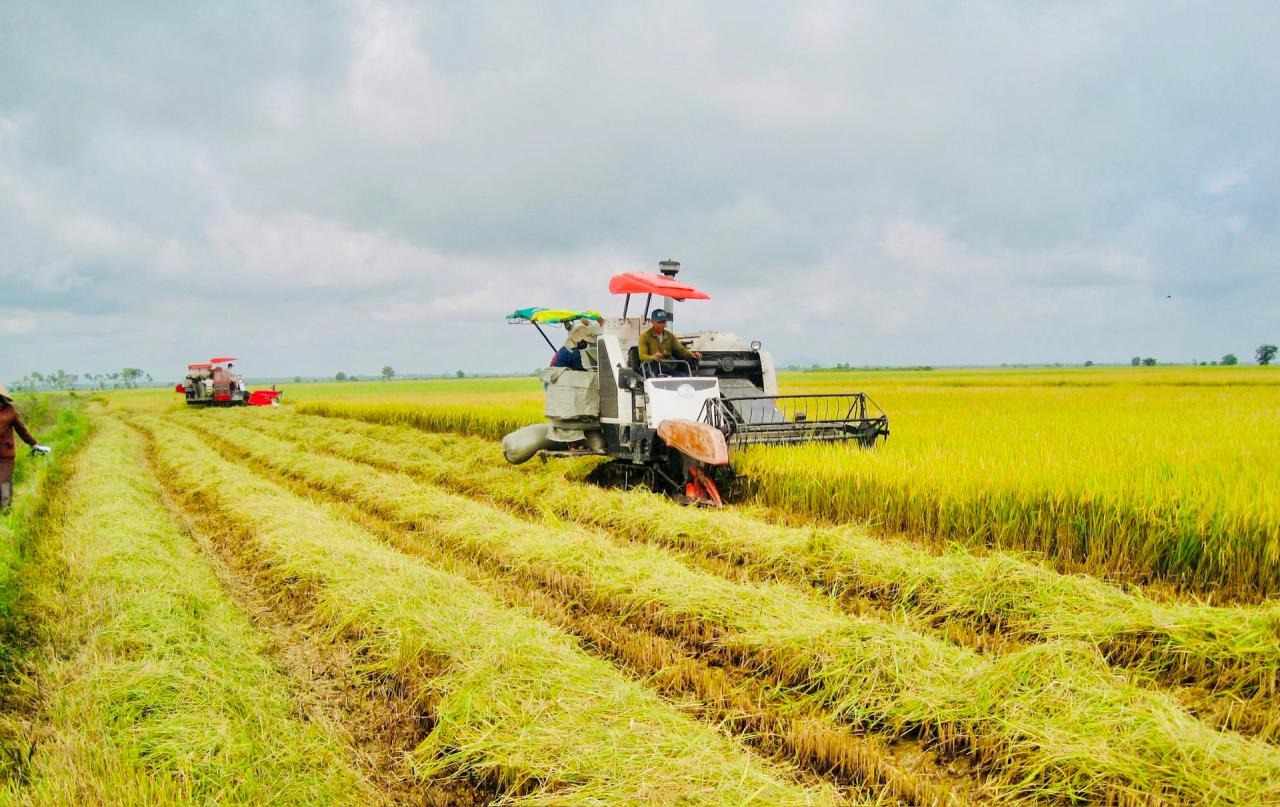
According to Mr. Mai Kieu, Director of the Department of Agriculture and Rural Development of the province, in implementing Resolution 05, localities from Tuy Phong to Duc Linh have relied on the specific climate and soil conditions of each region to transform traditional agricultural production methods into a mindset of agricultural economic development. Rice cultivation, in particular, has expanded its area according to the set direction, focusing on improving quality, specialty rice, and increasing value. In addition, other advantageous crops and characteristic agricultural products such as cantaloupe, dragon fruit, jackfruit, mango, pomelo, orange, cashew, etc., are increasingly affirming their quality and gaining consumer favor. Following the trend of development towards GAP (Good Agricultural Practices), focusing on agricultural product quality, the emergence of many large-scale agricultural farms in areas such as Bac Binh, Ham Thuan Bac, Ham Thuan Nam… with crops grown in greenhouses and covered structures, applying science and technology in production, are certain results in attracting investment and developing large-scale agriculture in the province.
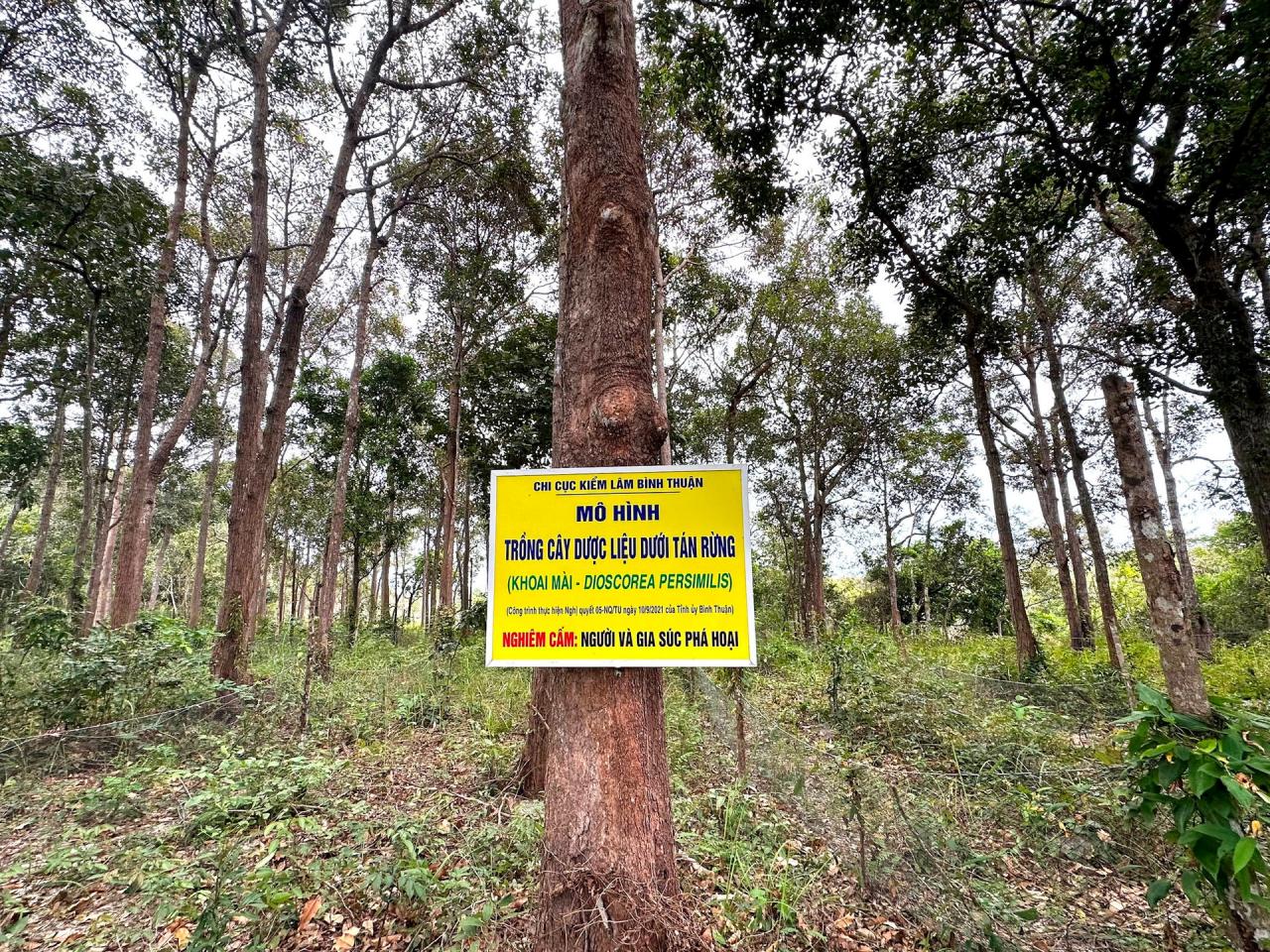
Another highlight of the province's agricultural sector last year was the Forest Protection Department's assignment by the Department of Agriculture and Rural Development to develop models for cultivating medicinal plants under the forest canopy (for species with market demand) in the province, such as Ganoderma lucidum mushrooms, Panax ginseng, yam, and golden flower tea, covering an area of 1.8 hectares. This aimed to analyze and evaluate the effectiveness and prospects for replication among households contracted to protect forests in the province; contributing to restructuring forestry production to suit advantages, market demands, and adaptation to climate change. From this, the agricultural sector is fulfilling its nhiệm vụ in Resolution 05 on encouraging the development of medicinal plants, striving to make medicinal plants one of the key products of Binh Thuan's agricultural sector.
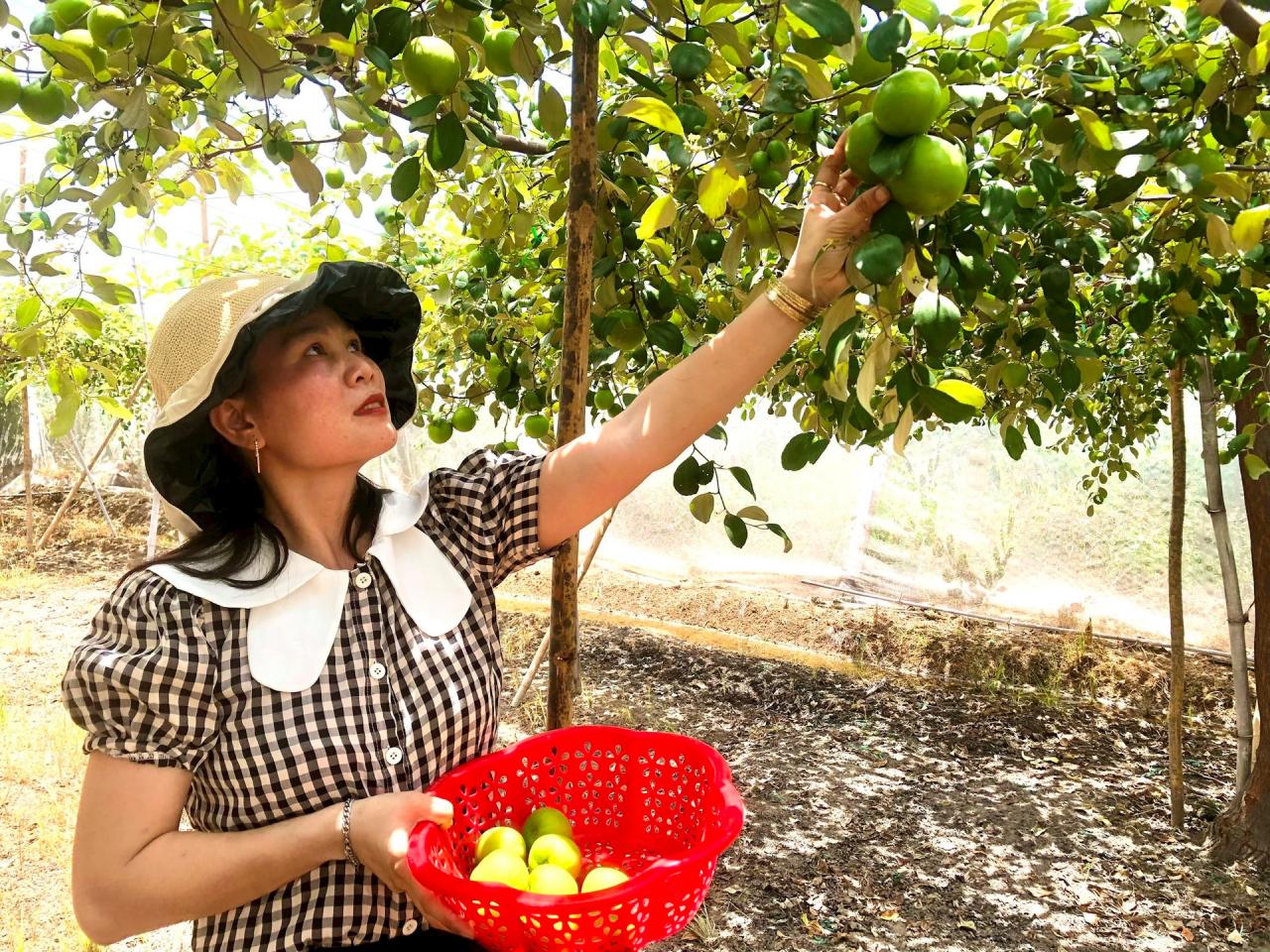
Modern, sustainable, and high value-added approach.
The year 2023 presented many opportunities, advantages, and driving forces for socio-economic development, becoming a leverage for the province's agricultural sector. These included the opening of the North-South expressway (Vinh Hao - Phan Thiet and Phan Thiet - Dau Giay), which shortened travel time and facilitated the transportation of passengers and goods to and from Binh Thuan, especially from the southern key economic region. Furthermore, the National Tourism Year – Binh Thuan – Green Convergence – attracted millions of tourists. This also provided an opportunity for localities to develop agricultural tourism and promote and expand the market for agricultural products. In particular, many processed agricultural products with OCOP certification, such as dragon fruit, cashew nuts, turmeric starch, fish sauce, grapes, and apples, are receiving increased attention for quality and brand promotion to meet the shopping needs of tourists visiting Binh Thuan.
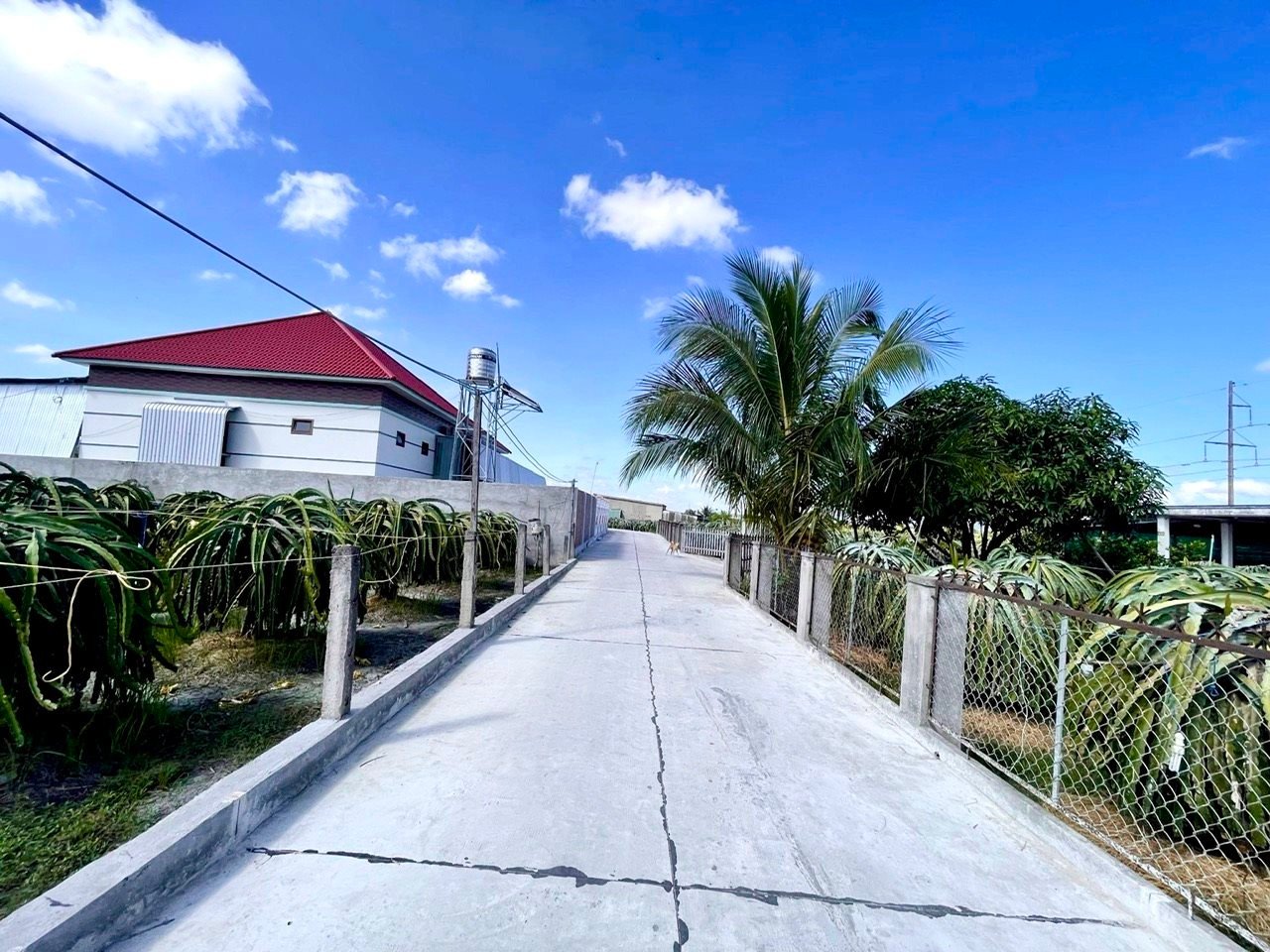
Speaking at the recent conference summarizing the first two years of implementing Resolution 05, Provincial Party Secretary Duong Van An emphasized that the province has many agricultural, livestock, and seafood products, along with infrastructure serving agricultural production that has received investment, which is a prerequisite for achieving the criteria set forth in the resolution: modern, sustainable, and with high added value.
However, reality also shows that the added value of the industry is not yet high. The linkage of production, processing, and consumption of agricultural products along the value chain, and the attraction of investment in high-tech agricultural development, are still limited. Therefore, in addition to implementing the goals, tasks, and solutions outlined in Resolution 05, some growing areas need to move away from monoculture, diversify crops, focus on high-value-added crops that meet market demands, especially the development of medicinal plants. Simultaneously, high technology and the modernization of organic farming and clean, safe production should be applied to make the agricultural sector sustainable and safe for consumer health. Agricultural projects must include planning and encourage land consolidation to serve large-scale production areas.
Mr. Mai Kieu, Director of the Department of Agriculture and Rural Development, stated that to achieve the goal of bringing the province's agricultural sector to a relatively high level by 2030 in terms of high-tech application, organic farming, and sustainable ecosystem development, the sector will prioritize the application of Industry 4.0 technologies to support digital transformation in agriculture. Agricultural production will be reorganized through cooperative forms and linkages, with extensive participation from businesses. In this, cooperatives will play a key role in the linkage chain, bringing together many small farmers to partner with large enterprises. The provincial agricultural sector leaders believe that the agricultural market will continue to expand, and the province's agricultural products will certainly have more opportunities to participate in the global agricultural supply chain. The province's infrastructure will continue to receive strong investment, attracting new businesses, especially those investing in high-tech agriculture, organic farming, and processing plants in concentrated raw material areas. From there, it will attract businesses and cooperatives to invest in agricultural production, expand production scale, so that the agricultural sector can live up to its potential as one of the three "pillars" of the province's economy.
Results of achieving targets after 2 years of implementing Resolution 05:
The growth rate of agricultural value added over the three years (2021, 2022, and estimated for 2023) averaged 2.94% per year. The value of agricultural exports is estimated to increase by an average of 3.23% per year. The proportion of agriculture, forestry, and fisheries in value added was 28.95% in 2021, 27.48% in 2022, and an estimated 26.20% in 2023. The average value of harvested products per hectare of cultivated land reached VND 119.6 million in 2021, VND 126.7 million in 2022, and an estimated VND 130 million in 2023…
Source











































































Comment (0)