

A traditional craft village is a pollution hotspot.
Established in the 1970s, Dong Mai has hundreds of households engaged in the recycling of lead-acid batteries. All stages, from dismantling and melting to metal separation, take place right in the yards, ponds, and fields of these households. As a result, a large amount of smoke and lead dust is directly released into the environment, causing serious pollution of the soil, water, and air, making it one of the most severely polluted areas in Hung Yen province.
Research results from various organizations, such as the Blacksmith Institute in 2013 and the General Department of Environment (now the Department of Environment) in 2019, all show serious heavy metal pollution in the soil here, exceeding permissible standards many times over, especially Lead (Pb), Copper (Cu), and Zinc (Zn).
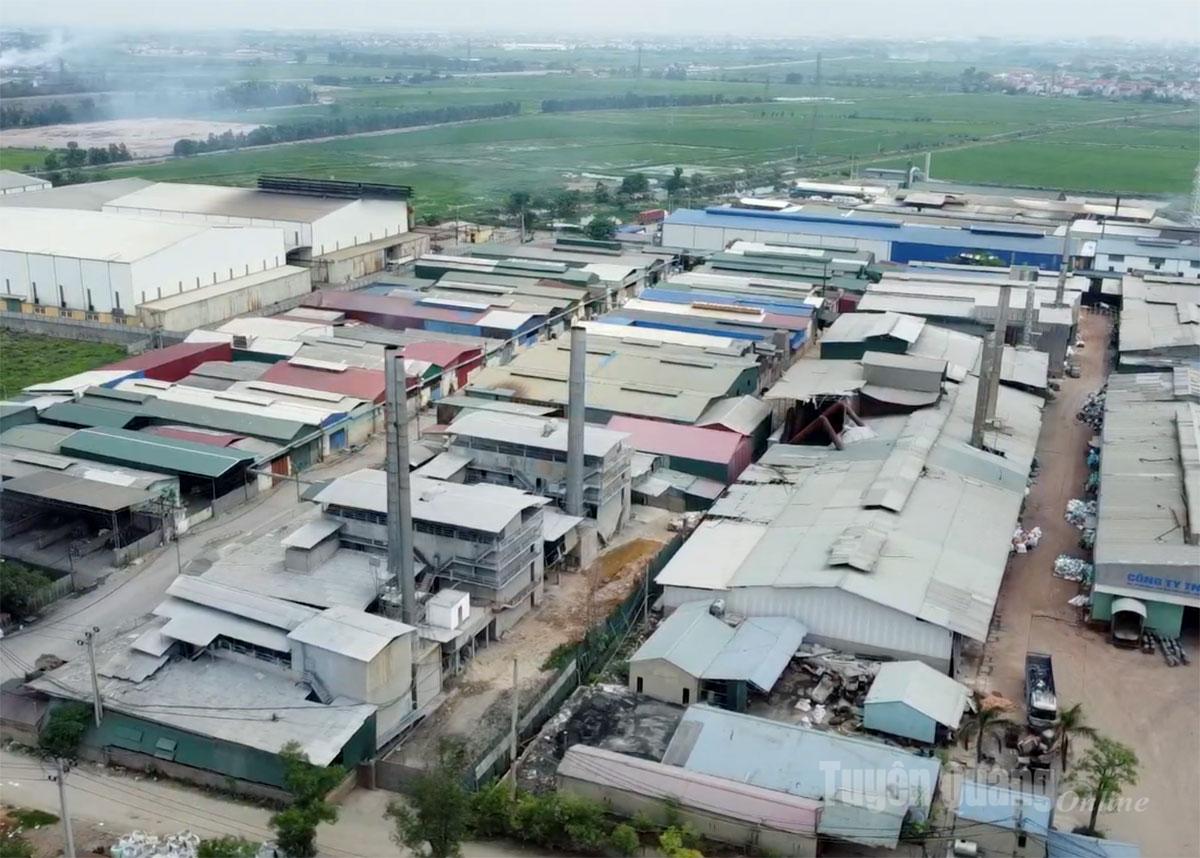 |
| Lead recycling activities in Chi Dao commune, Van Lam district, Hung Yen province (now Lac Dao commune, Hung Yen province). |
Pollution enters the soil, water, and air, passing through the food chain and seriously affecting the health of the local people, especially the elderly and children. Numerous reports have highlighted the unfortunate consequences of severe environmental pollution, with approximately 80% of villagers suffering from one or more diseases related to the intestines, duodenum, stomach, respiratory system, and eyes. According to a survey by the Institute of Occupational Medicine and Environmental Hygiene ( Ministry of Health ), many cases show lead levels in the blood exceeding safe limits, recommending detoxification.
Finding a way to save the land…
Over the years, this pollution hotspot has received special attention from the local government and relevant authorities. In 2010, the People's Committee of Hung Yen province decided to build the "Chi Dao Commune Industrial Cluster" to relocate production households out of Dong Mai village. The local government also coordinated with specialized organizations and agencies to implement many solutions to improve the quality of soil, water, and air in the area. However, the pollution continues and has not been completely resolved.
In order to help the locality improve the serious soil pollution situation, within the framework of the "Integrating Climate Change Resilience and Environmental Protection for the Development of Green Cities" project of the Department of Environment, experts have conducted a pilot project to rehabilitate and restore the polluted soil environment here.
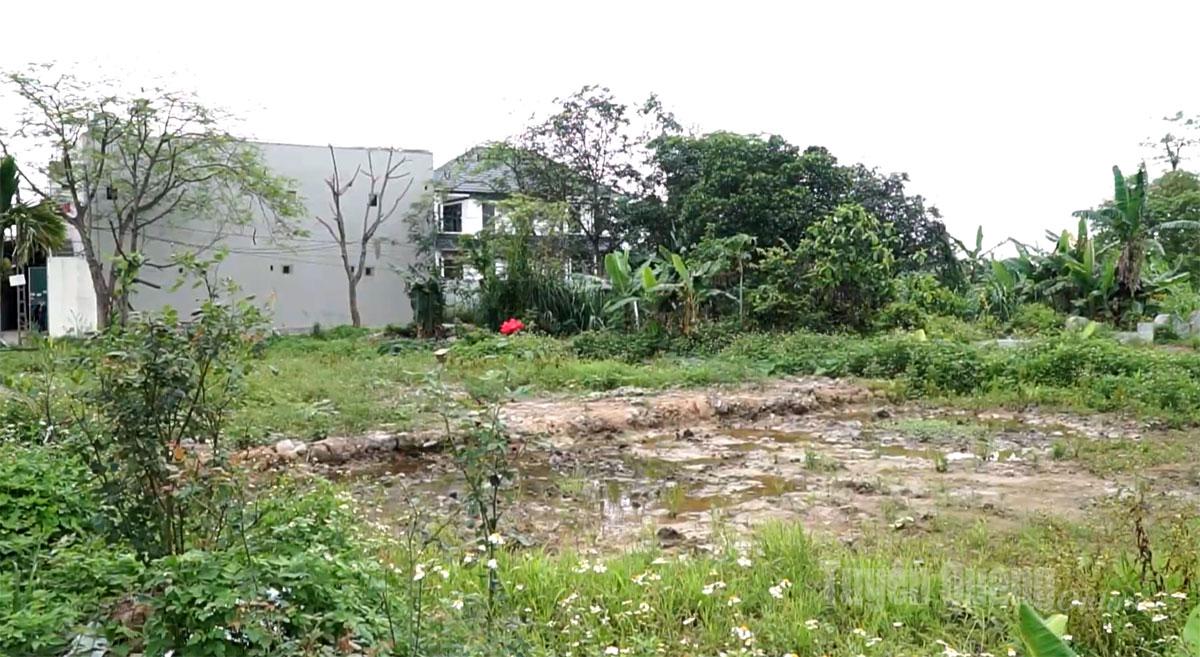 |
| Areas contaminated with heavy metals are being rehabilitated and restored as part of the project integrating climate change resilience and environmental protection into green urban development. |
Given the characteristics of heavy metal pollution and the prolonged duration of the pollution, the expert group proposed a soil washing method using ferric sulfate (FeCl3) - a method proven effective in rapidly reducing heavy metal (Pb, Zn) content in a short period of time.
After more than a year of implementation, monitoring results in the pilot area show that the concentrations of heavy metals (As, Cr, Cu, Pb, Cd, Zn) in the treated soil have all decreased below the permissible limits according to the National Technical Standard. In particular, the concentrations of heavy metals with high levels of contamination before treatment, such as Lead, Copper, and Zinc, have significantly decreased, indicating that the treatment method is highly effective in removing a considerable amount of heavy metals accumulated in the soil over the long term.
After treatment, the previously polluted area was also rehabilitated by experts by adding new soil, lime, and microbial organic fertilizer, which improved soil fertility and pH balance, creating conditions for vegetation to regrow. As a result, the ecosystem gradually recovered, increasing vegetation cover and contributing to improved air quality and environmental landscape.
According to Mr. Duong Quynh Thai, a specialist in analyzing toxic and non-biodegradable chemicals in the Project, although only piloted on a small scale, the Project's results open up the possibility of rehabilitating and restoring areas of land contaminated with heavy metals. Compared to soil washing technologies using chemical solutions, mixing soil with chemicals, or biological treatment using plants and microorganisms, the method of soil washing with iron sulfate offers positive effects such as rapidly reducing the heavy metal content in the soil without destroying the soil, protecting the clay mineral content in the soil, and having minimal impact on soil quality. The treated soil can then be rehabilitated with lime and organic fertilizers for restoration and replanting.
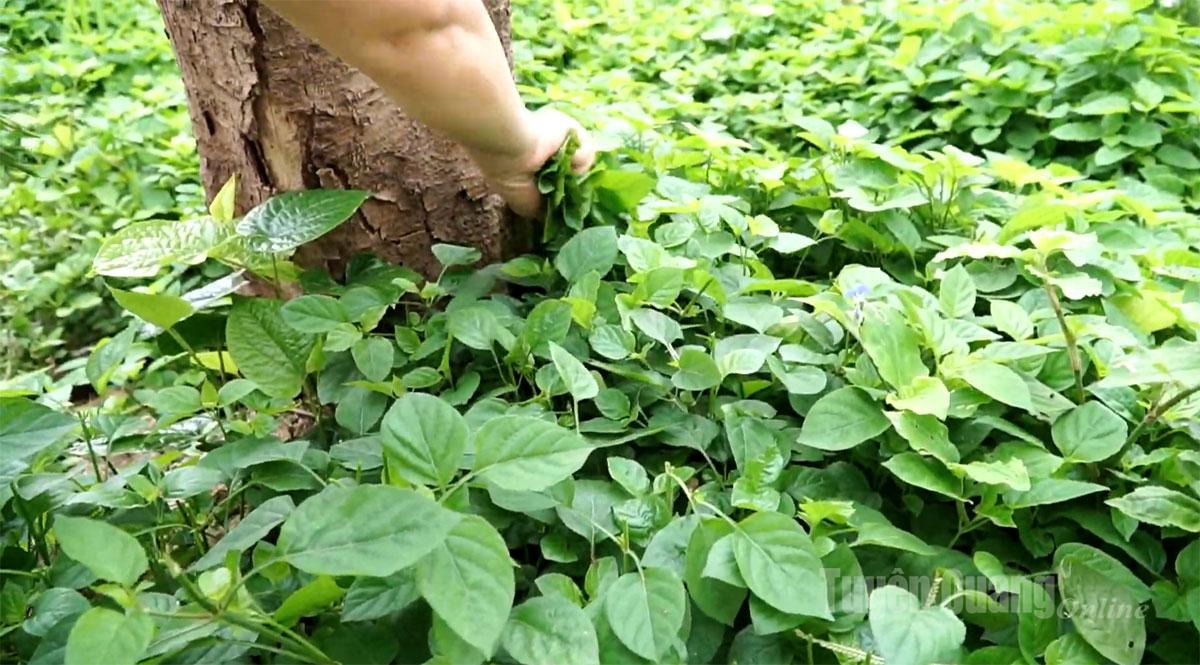 |
| The area of land that was previously polluted is now being used by locals to grow vegetables after reclamation. |
According to the national environmental report for the period 2016-2020 by the General Department of Environment (now the Department of Environment), soil environments in some areas surrounding craft villages and industrial zones in Vietnam are at high risk of heavy metal pollution. Several monitored areas, such as Phu Ta Industrial Zone (Binh Dinh), Lien Chieu Industrial Zone (Da Nang), some communes of the former Lam Thao district in Phu Tho province, District 12 Industrial Zone in Ho Chi Minh City, and Dai Dang Industrial Zone in the former Binh Duong province, all showed heavy metal levels exceeding permissible limits.
Therefore, the project's results are significant. The technology for treating heavy metals in soil using ferric sulfate solution can be replicated in other areas also suffering from heavy metal pollution, especially in craft villages, landfills, and old industrial zones.
TUỆ MINH
Source: https://baotuyenquang.com.vn/xa-hoi/202509/giai-phap-cai-tao-hoi-phuc-nhung-vung-dat-chet-e534002/























































Comment (0)