

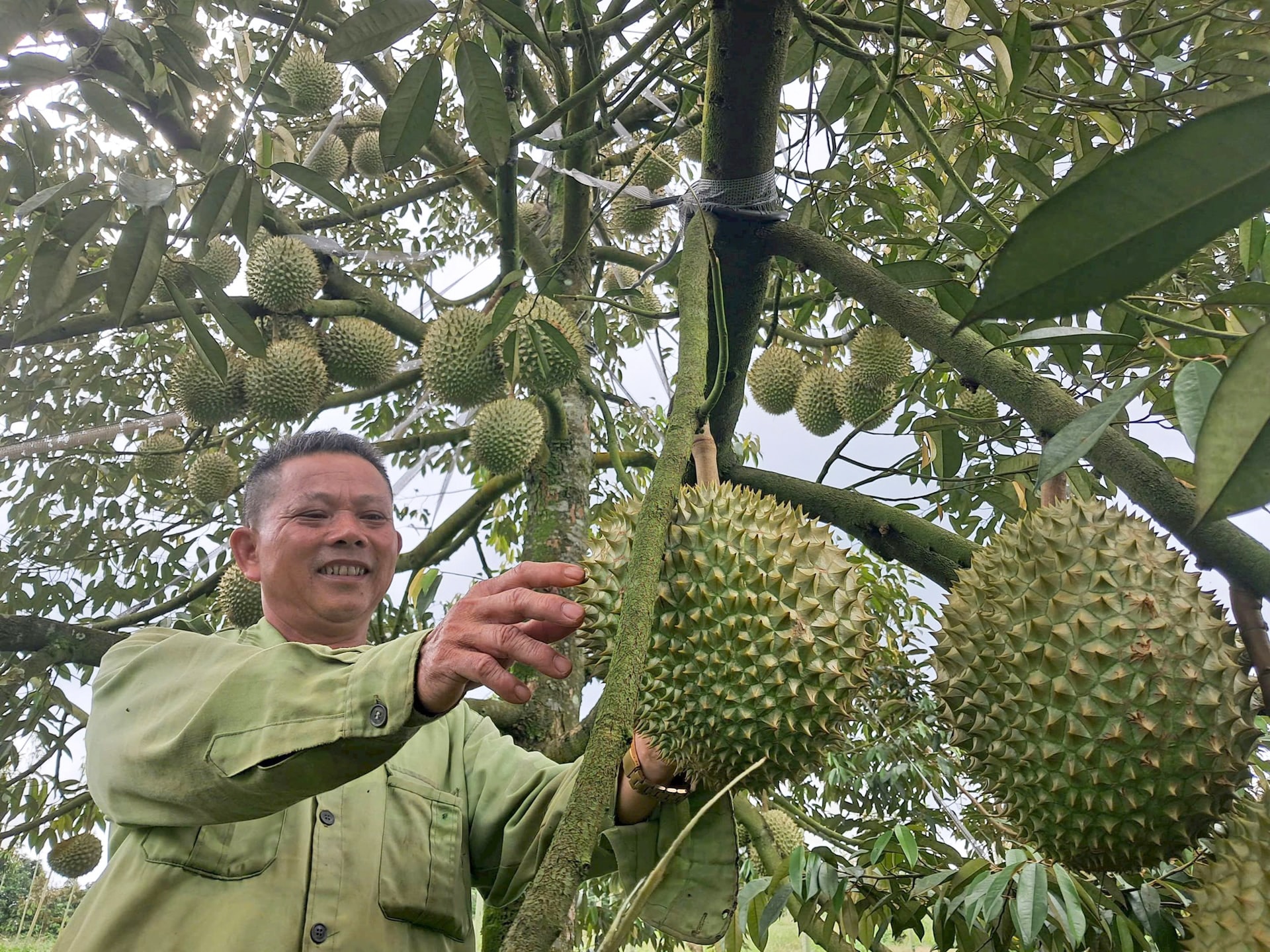
Close monitoring is essential to maintain the reputation of exported goods.
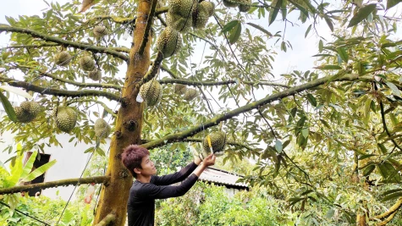
According to the Lam Dong Provincial Department of Crop Production and Plant Protection, the province currently has nearly 1,000 export-oriented growing area codes covering 39,363 hectares and 338 licensed packaging facility codes. Of these, durian and dragon fruit are the two main products, accounting for the largest share in the export chain, with 587 dragon fruit growing area codes covering 26,000 hectares and 337 durian growing area codes covering over 13,100 hectares.
Lam Dong's agricultural export markets include China, Australia, New Zealand, the United States, Switzerland, Japan, and South Korea – markets known for their stringent safety and traceability standards. To maintain this "green passport," each growing region must be strictly managed, from the production process and the use of agricultural inputs to packaging.
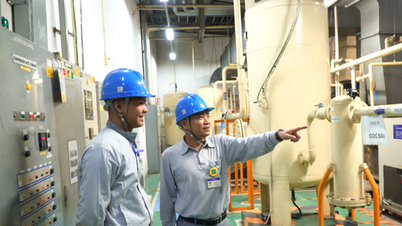
Over the past year, the Department of Crop Production and Plant Protection has monitored more than 300 key growing areas and packaging facilities. Inspections revealed several durian samples contaminated with heavy metals, some exceeding permissible limits. The specialized agency issued warnings, requested corrective action, and instructed farmers to absolutely avoid using fertilizers and pesticides containing cadmium and lead. Mr. Ha Ngoc Chien, Head of the Department of Crop Production and Plant Protection of Lam Dong province, stated that a single sample exceeding the limit could result in the entire shipment being rejected for import. Maintaining the growing area code is crucial for upholding national prestige, not only for the locality but also for the entire industry.
Raising awareness among producers
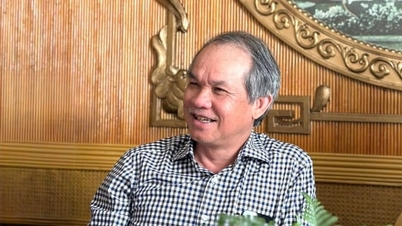
Nghiep Xuan Import-Export Trading Company Limited, located in Dong Gia Nghia ward, has been granted a packaging facility code and has a raw material area of over 100 hectares with 6 durian growing area codes. The company is completing the application to request additional growing area codes in the locality to expand production scale and meet export demand. Mr. Bui Phu Ton - Director of Nghiep Xuan Company, said that establishing growing areas is not difficult; the problem is that regulations must be implemented voluntarily and seriously. If done so, there will be no cases of agricultural products being returned due to technical barriers. Furthermore, businesses and farmers can negotiate and offer more competitive prices for export.
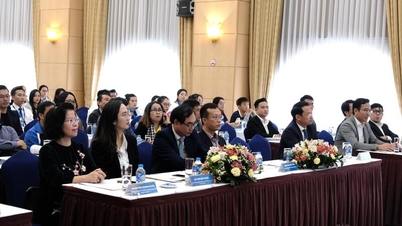
To meet the increasing demands, since the beginning of the year, the Department of Crop Production and Plant Protection has organized numerous seminars on durian quality management, guiding businesses and farmers on electronic traceability and pesticide residue control. The province is also building a digital system for managing growing areas and packaging facilities, allowing management agencies, cooperatives, and businesses to monitor, update, and warn of risks in real time.
Simultaneously, Lam Dong province, in coordination with the Plant Protection Department and businesses, is standardizing sampling and risk assessment procedures according to GAP and HACCP standards, aiming to synchronize national regional code data. Upon completion, each regional code will not only be "valid" but also have a "transparent record," a key factor in expanding the market for Vietnamese agricultural products. In the future, the provincial branch will strengthen supervision, training, and support for businesses and cooperatives in managing regional codes, while also replicating sustainable production and export linkage models.
In the context of Europe tightening EUDR regulations, requiring traceability throughout the entire supply chain, maintaining the correct area code is a strong commitment to clean production, preventing deforestation, and adhering to global green standards.
Source: https://baolamdong.vn/giu-ma-vung-trong-de-on-dinh-thi-truong-xuat-khau-397441.html























![[Video] The craft of making Dong Ho folk paintings has been inscribed by UNESCO on the List of Crafts in Need of Urgent Safeguarding.](https://vphoto.vietnam.vn/thumb/402x226/vietnam/resource/IMAGE/2025/12/10/1765350246533_tranh-dong-ho-734-jpg.webp)














































Comment (0)