

The modernization of schools must be prioritized alongside many other key and pivotal solutions to create real change.
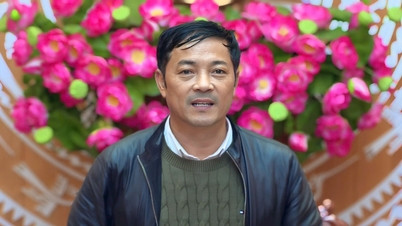
Deputy Speaker of the National Assembly Le Minh Hoan: Necessary conditions, but not sufficient.
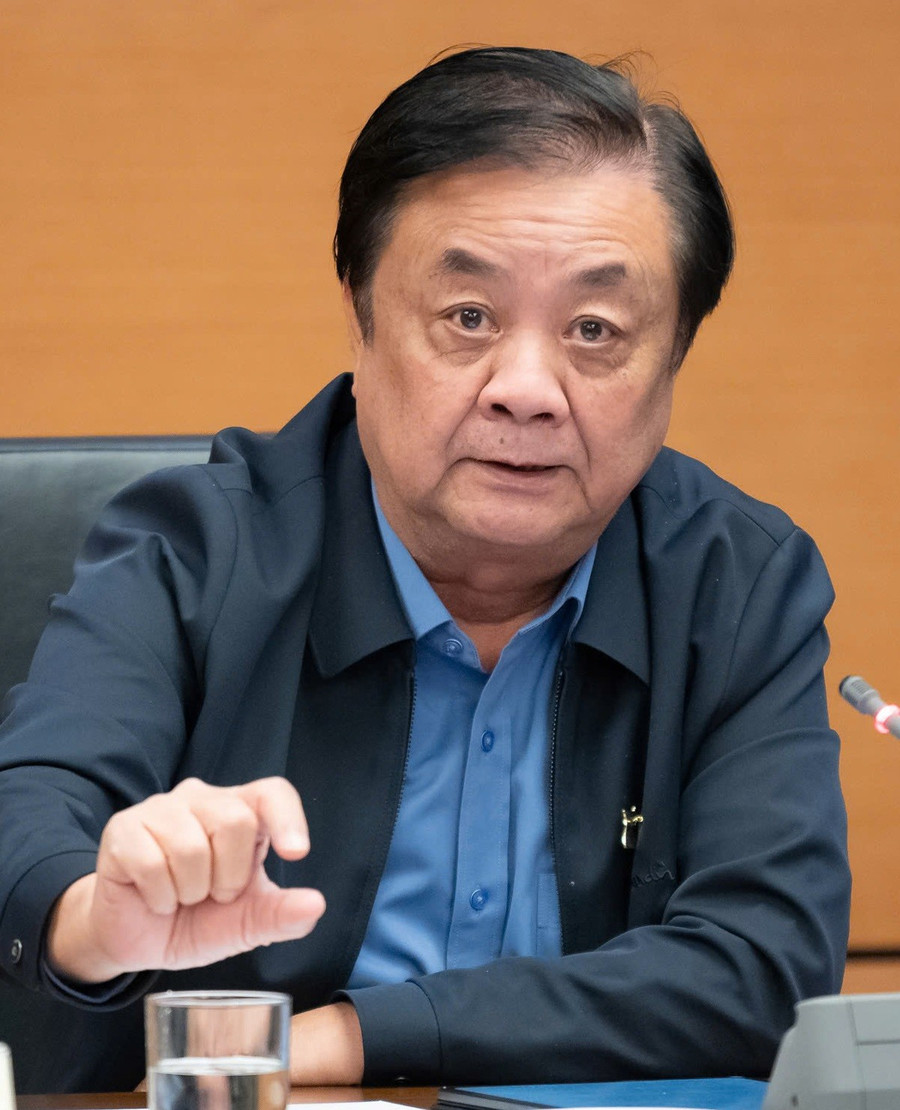
As someone who closely follows the policy-making process, I fully agree with the necessity of issuing the Investment Policy for the National Target Program on Modernizing and Improving the Quality of Education and Training for the period 2026-2035.
This is not just a legislative step, but more importantly, it is a timely institutionalization of the Politburo's resolutions on education and training, healthcare, population, and development. A major policy, to be implemented effectively, must begin with such comprehensive and visionary guidelines.
When considering the program content, I believe that good facilities are a necessary but not sufficient condition. Sometimes, modernizing schools is prioritized above other core elements.
I imagine this is similar to the familiar question: Is the glass half full or half empty? The answer depends on the perspective and approach. The same applies to education; improving quality isn't just about concrete structures, smart classrooms, or new equipment, but must begin with the quality within each school, in every daily teaching and learning activity.
I agree with the direction of strengthening English language teaching in schools, gradually making English the second language in the national education system. But what I particularly emphasize is the teaching method and the final outcome. Students must speak English in a way that foreigners can understand. This requirement is even clearer in higher education: graduates must be able to communicate in English, especially in the context of increasingly deep international integration.
In my opinion, there are very practical factors that contribute to improving the quality of education but are often considered "secondary" in school design, such as libraries, school nutrition, and creative activity spaces. It's not always necessary to have huge investments or state-of-the-art infrastructure.
More importantly, it is crucial to create an environment where students and teachers can be inspired to be creative. The ultimate goal of education is to cultivate creative individuals – a generation capable of adapting and innovating in the era of international integration and globalization.
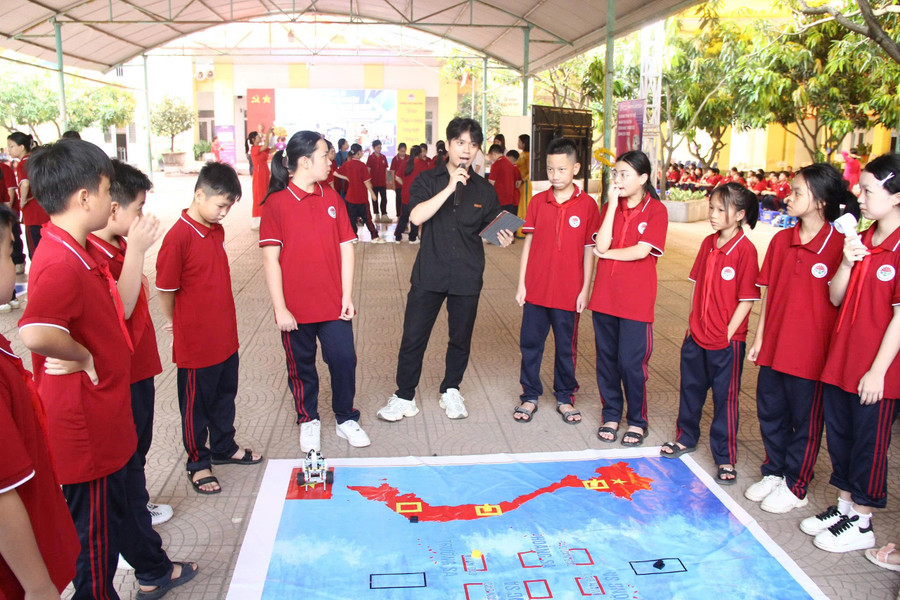
Regarding the approach to a large-scale national target program, I believe that sometimes we should start with small, specific things to improve each school. Education should first and foremost operate within the "educational triangle": school - family - society. We cannot expect all innovation to happen only within the four walls of the classroom; we need to unleash creativity from teachers and students themselves, from the community, and from teaching methods.
I'd like to give an example in the field of art education. Many localities could easily bring provincial art troupes to schools to directly teach, instead of requiring schools to have a sufficient number of formally trained art teachers. From the recent educational reforms, I've realized that the problem isn't that the curriculum is bad, but rather that the educational environment doesn't provide enough motivation for teachers to be creative. If teachers are under pressure, it's difficult for them to innovate and to instill enthusiasm into their lessons.
Education is not about creating identical copies. Education needs diversity, and mechanisms that allow each school and training institution – from preschool to primary school – to have space for creativity. That is also my greatest wish when contributing to the National Target Program: a program that is not only modern in terms of facilities but also inspires a spirit of innovation throughout the entire sector.
Ms. Nguyen Thi Tuyet Nga - Member of the National Assembly Delegation of Quang Tri Province: Strengthening decentralization and delegation of power accompanied by appropriate control mechanisms.

Regarding the investment policy for the National Target Program on Modernizing and Improving the Quality of Education and Training in the period 2026-2035, I believe that a thorough review is needed to ensure the program aligns with the socio-economic development strategy and plans, as well as related planning documents, in accordance with the law on planning.
A large-scale, wide-ranging investment program involving multiple levels and sectors needs to be closely aligned with national planning guidelines to avoid overlaps or inconsistent objectives.
Another issue I'm concerned about is avoiding overlapping investment targets between this National Target Program for the period 2026-2035 and the three National Target Programs for the period 2021-2025: the New Rural Development Program, the Sustainable Poverty Reduction Program, and the Socio-Economic Development Program for Ethnic Minority and Mountainous Areas.
These are all programs with an investment component in education. Therefore, the Government needs to review them to ensure continuity, consistency, avoid spreading resources too thinly, and improve the efficiency of state budget utilization.
Regarding the management and implementation mechanisms, based on the experience of implementing national target programs in the past, a major shortcoming is the fragmentation of management responsibilities. Too many agencies providing guidance and direction make it difficult for localities, especially at the commune level, to implement. Therefore, I propose a more thorough study of the assignment of lead agencies, ensuring clarity of functions and responsibilities, and avoiding duplication or overlap. Narrowing the number of management agencies and reducing the number of guidance documents will also facilitate the implementation process.
Simultaneously, it is necessary to continue promoting decentralization and delegation of power, accompanied by appropriate control mechanisms; and to build a unified management system consistent with the mechanisms currently applied in existing national target programs.
An indispensable requirement is to enhance the application of information technology, gradually shifting to electronic management and operation to ensure transparency, efficiency, and reduce the burden of periodic reporting for local officials. When procedures are streamlined and information flows smoothly, localities will have more time and resources to focus on effectively implementing the program's objectives.
Mr. Bui Hoai Son - Member of the National Assembly Delegation of Hanoi City: Focus on three breakthrough axes.
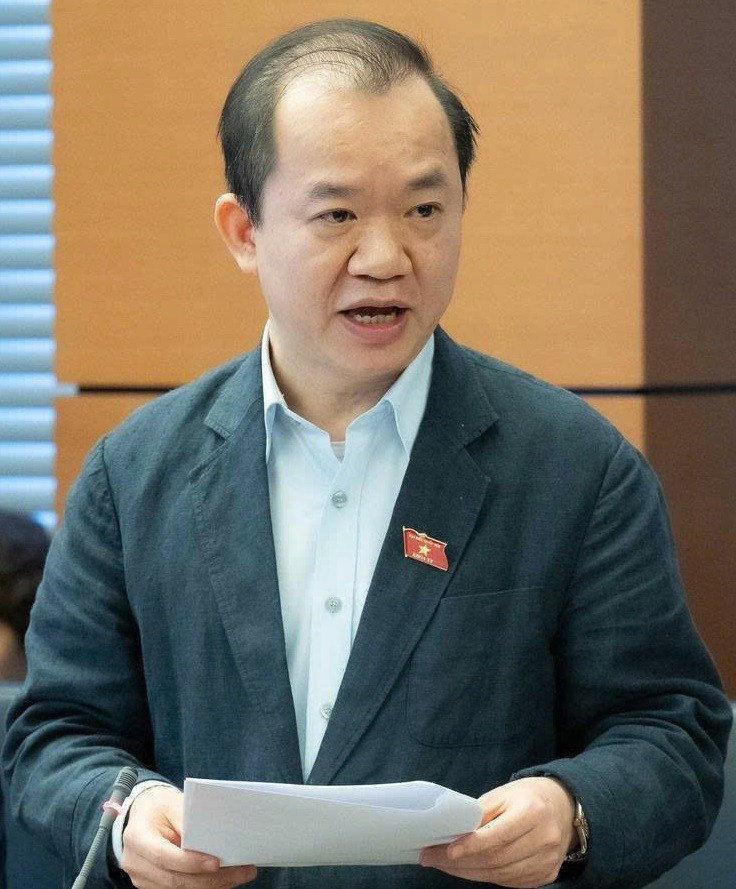
In recent years, Vietnam has been developing a new development architecture – where education, healthcare, science and technology, culture, institutions, integration, and the private sector no longer operate as separate pillars, but are interconnected to form a unified ecosystem.
This ecosystem will determine the ability to realize the aspiration for rapid, sustainable development while preserving Vietnam's identity in the context of increasingly profound globalization.
In that ecosystem, education is the "center of the center." It is the field that will determine the quality of the gene pool, human resources, competitiveness, and even the cultural and spiritual strength of the nation for decades to come.
Therefore, I fully agree with Government Report No. 1061/TTr-CP and the draft Resolution on the National Target Program for Modernizing and Improving the Quality of Education and Training in the period 2026-2035. The objectives, targets, and scope of the Program not only aim to address long-standing issues in the sector but also open up a new phase of development: modern, open, interconnected, digitized, and more deeply integrated.
I appreciate that the Program is designed in the spirit of Resolution No. 71-NQ/TW of the Politburo on breakthroughs in education and training development, while also being compatible with, complementary to, and interconnected with six other strategic resolutions. With this approach, the National Target Program on Education is not a single-sector program, but rather a connecting axis for the entire national development strategy.
I appreciate the structure of the Program's five component projects, as they directly address the biggest current bottlenecks: infrastructure; vocational education; higher education; teaching staff; and monitoring and evaluation. Without any link in these five projects, the process of educational modernization would be difficult to complete.
I also support the specific goals of the Program, such as: gradually making English the second language; investing in 10 key universities to reach the top 200 universities in Asia; establishing innovation centers within universities; and modernizing the vocational school system.
These steps are in line with global trends, especially in the context of Vietnam's need for high-quality human resources to integrate deeply into the global economy and compete internationally. Developing plans on a 10-year cycle also allows localities to be proactive, rather than reactive with annual plans as before.
In my opinion, for the Program to truly bring about change, it needs to focus on three breakthrough axes: Firstly, the institutional axis, in line with Resolution No. 66-NQ/TW on reforming the work of drafting and implementing laws to meet the requirements of national development in the new era. We need a special mechanism for key universities: strong autonomy, governance according to international standards, and minimizing procedures that hinder investment in infrastructure and equipment. This should be coupled with a rigorous accountability mechanism and continuous inspection of digital transformation.
Secondly, the science and technology axis and digital transformation align with Resolution No. 57-NQ/TW on breakthroughs in the development of science, technology, innovation, and national digital transformation. I believe it is necessary to build a unified data platform across the entire sector, moving towards lifelong learning management for every citizen.
A national open digital learning resource library needs to be established soon to ensure equal access to knowledge. A common plagiarism detection software system is essential, contributing to academic integrity. Furthermore, the development of digital teacher standards, digital schools, and AI-powered assessment systems will create a modern, transparent, and effective educational environment.
Thirdly, the cultural-human axis is in harmony with the Resolution on Cultural Revival and Resolution No. 72-NQ/TW on some breakthrough solutions to strengthen the protection, care, and improvement of people's health. I want to emphasize that education not only trains knowledge but also nurtures character, aesthetic capacity, physical health, kindness, and Vietnamese cultural identity.
Therefore, I propose systematically integrating cultural, artistic, and heritage education into schools; building a healthy, safe, and happy school environment; and ensuring nutrition and mental health for students. Education and culture must go hand in hand, because culture is the space in which education deeply permeates life.
Finally, I propose that the Government continue to refine the Program dossier in accordance with the review recommendations, ensuring its consistency with the strategic resolutions of the Party and State on the development of Vietnamese people in the new era.
“In the context of the country facing both great opportunities and unprecedented challenges, if the National Target Program for Modernizing and Improving the Quality of Education and Training in the period 2026-2035 is implemented decisively, synchronously, and consistently, we will build a modern, humane, open, interconnected, and integrated education system; a workforce capable of competing globally; and a generation of Vietnamese citizens who are confident, creative, capable, and rich in national cultural values.” - Mr. Bui Hoai Son - Delegation of the National Assembly of Hanoi City
Source: https://giaoducthoidai.vn/hien-dai-hoa-giao-duc-tao-chuyen-bien-that-tu-khoi-day-sang-tao-post760487.html

![[Photo] Prime Minister Pham Minh Chinh receives the Governor of Tochigi Province (Japan)](/_next/image?url=https%3A%2F%2Fvphoto.vietnam.vn%2Fthumb%2F1200x675%2Fvietnam%2Fresource%2FIMAGE%2F2025%2F12%2F16%2F1765892133176_dsc-8082-6425-jpg.webp&w=3840&q=75)
![[Live] 2025 Community Action Awards Gala](/_next/image?url=https%3A%2F%2Fvphoto.vietnam.vn%2Fthumb%2F1200x675%2Fvietnam%2Fresource%2FIMAGE%2F2025%2F12%2F16%2F1765899631650_ndo_tr_z7334013144784-9f9fe10a6d63584c85aff40f2957c250-jpg.webp&w=3840&q=75)
![[Image] Leaked images ahead of the 2025 Community Action Awards gala.](/_next/image?url=https%3A%2F%2Fvphoto.vietnam.vn%2Fthumb%2F1200x675%2Fvietnam%2Fresource%2FIMAGE%2F2025%2F12%2F16%2F1765882828720_ndo_br_thiet-ke-chua-co-ten-45-png.webp&w=3840&q=75)
![[Photo] Prime Minister Pham Minh Chinh receives Lao Minister of Education and Sports Thongsalith Mangnormek](/_next/image?url=https%3A%2F%2Fvphoto.vietnam.vn%2Fthumb%2F1200x675%2Fvietnam%2Fresource%2FIMAGE%2F2025%2F12%2F16%2F1765876834721_dsc-7519-jpg.webp&w=3840&q=75)









































![[Photo] Prime Minister Pham Minh Chinh attends the Vietnam Economic Forum 2025](https://vphoto.vietnam.vn/thumb/402x226/vietnam/resource/IMAGE/2025/12/16/1765893035503_ndo_br_dsc-8043-jpg.webp)

























Comment (0)