

 |
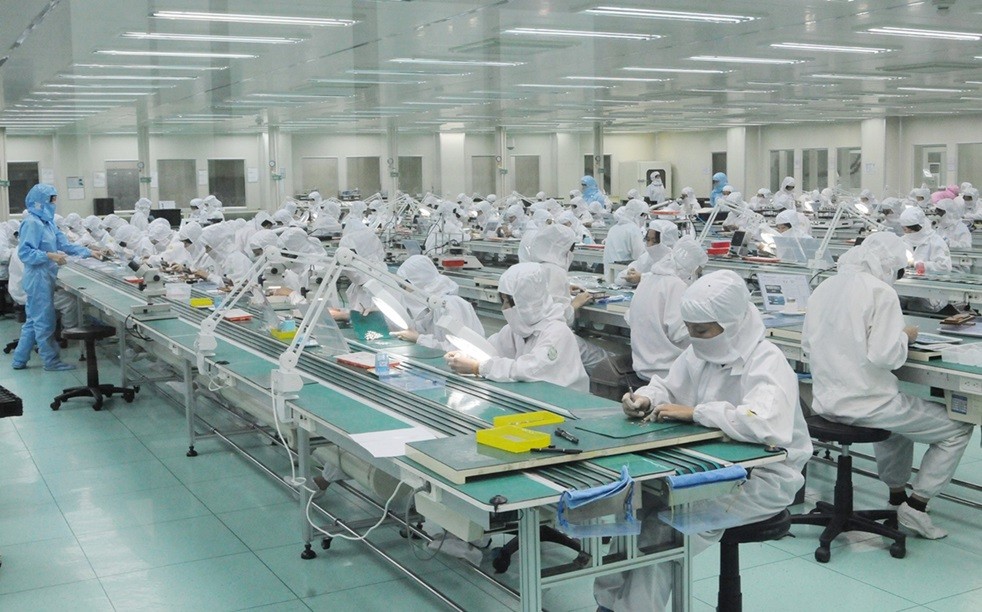
| Manufacturing electronic devices at a company located in an industrial park in Bac Giang . |
Vietnam is attracting leading semiconductor and electronics technology corporations to establish manufacturing plants. In October 2023, Amkor, a chip packaging company, announced the opening of its first $1.6 billion factory in Vietnam.
According to JPMorgan, by 2025, Vietnam will produce 65% of Apple's AirPods, 5% of MacBook laptops, and 20% of iPad tablets, along with Apple Watch smartwatches.
Besides technology manufacturing, Vietnam is also a hub for automotive components. South Korean conglomerate Hanwha has established a motorcycle parts factory in Hanoi, while Japanese manufacturer Yokowo has opened a plant in Ha Nam province . Vietnam is also attracting significant investment in electric vehicle manufacturing projects.
In another area, Nike, which manufactures footwear, apparel, and equipment in Vietnam, currently has 155 factories in the country, mainly in Ho Chi Minh City and the surrounding areas.
Vietnam's solar power capacity has increased 200-fold, from 85 MW in 2017 to nearly 17,000 MW in 2021.
However, despite its high growth rate, Vietnam's manufacturing sector also faces several challenges, including a shortage of skilled labor. While most foreign investment is concentrated in high-tech industries, the lack of a qualified workforce will hinder its upward movement in the value chain.
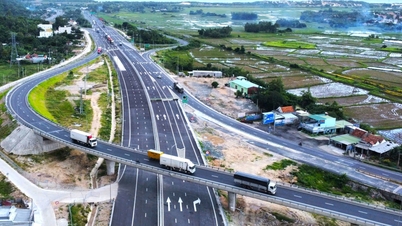
Vietnam also lacks the necessary infrastructure to support high-level manufacturing plants. Rail and road infrastructure remain areas that need further rapid improvement to facilitate the transportation of raw materials and components between production facilities.
A McKinsey analysis report suggests that, in order to overcome current challenges, Vietnam needs to urgently transform its role from a low-cost manufacturing location into a high-productivity manufacturing hub.
“This requires coordinated efforts from both the public and private sectors. While there is ongoing government support, these efforts need to be effectively implemented at both the provincial and industrial park levels through simplified processes,” the McKinsey report states.
Source























































































Comment (0)