

Diverse experiences, trendsetting.
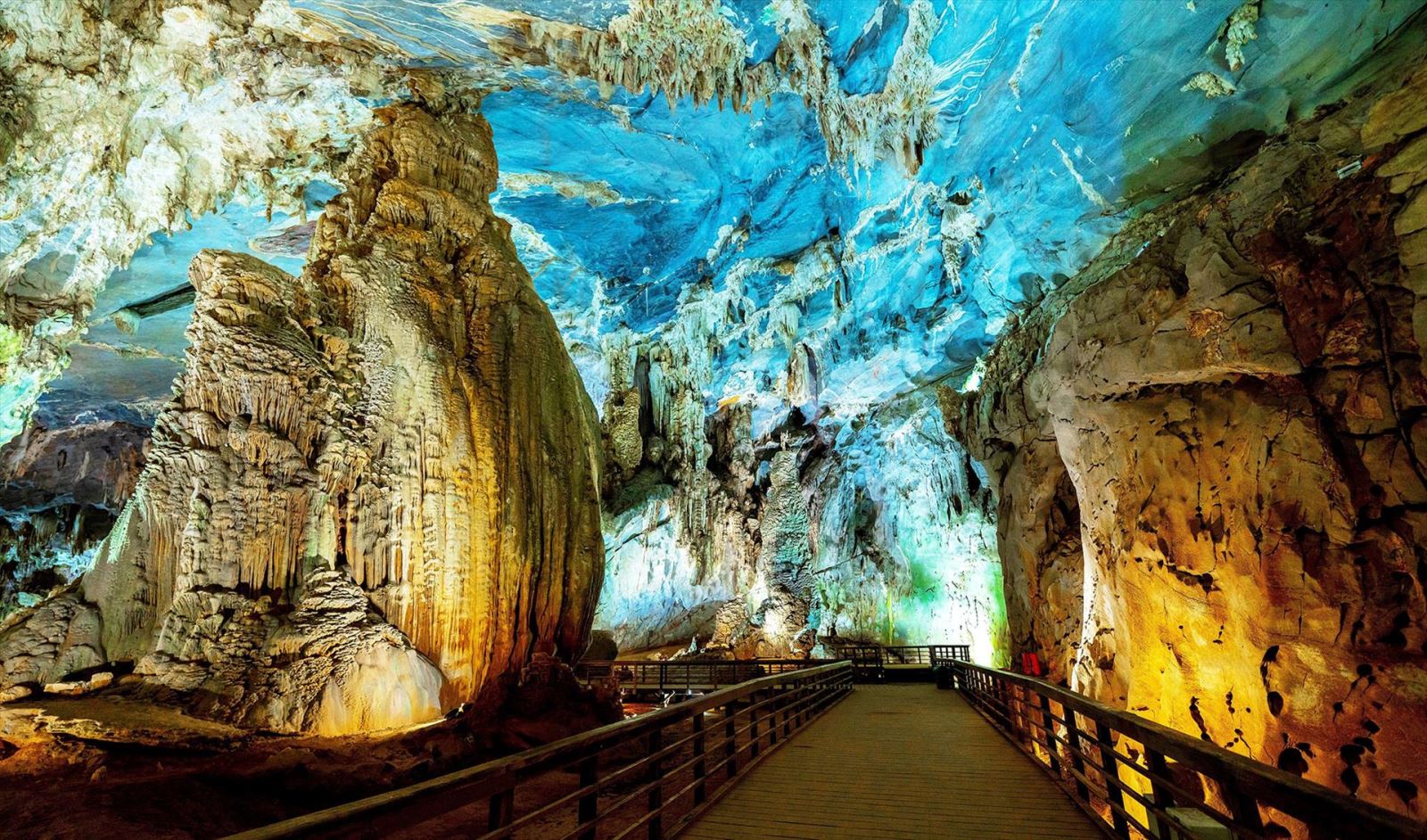
The scenery inside Phong Nha Cave. Photo: VNA
According to Tran Thi Hoai Tram, Director of the Hue City Department of Tourism, 2025, the second National Tourism Year in Hue, is a "golden opportunity" for the tourism industry of the ancient capital to connect and make its mark, fully exploit its potential and advantages, recover and regain growth momentum, contributing to promoting tourism as a key economic sector. At the same time, the industry will continue to promote the image of Vietnam in general and Hue city in particular to domestic and international tourists.
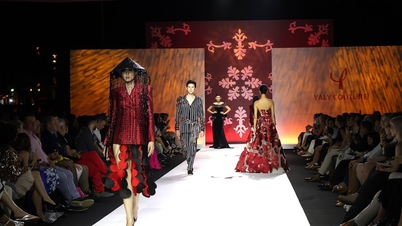
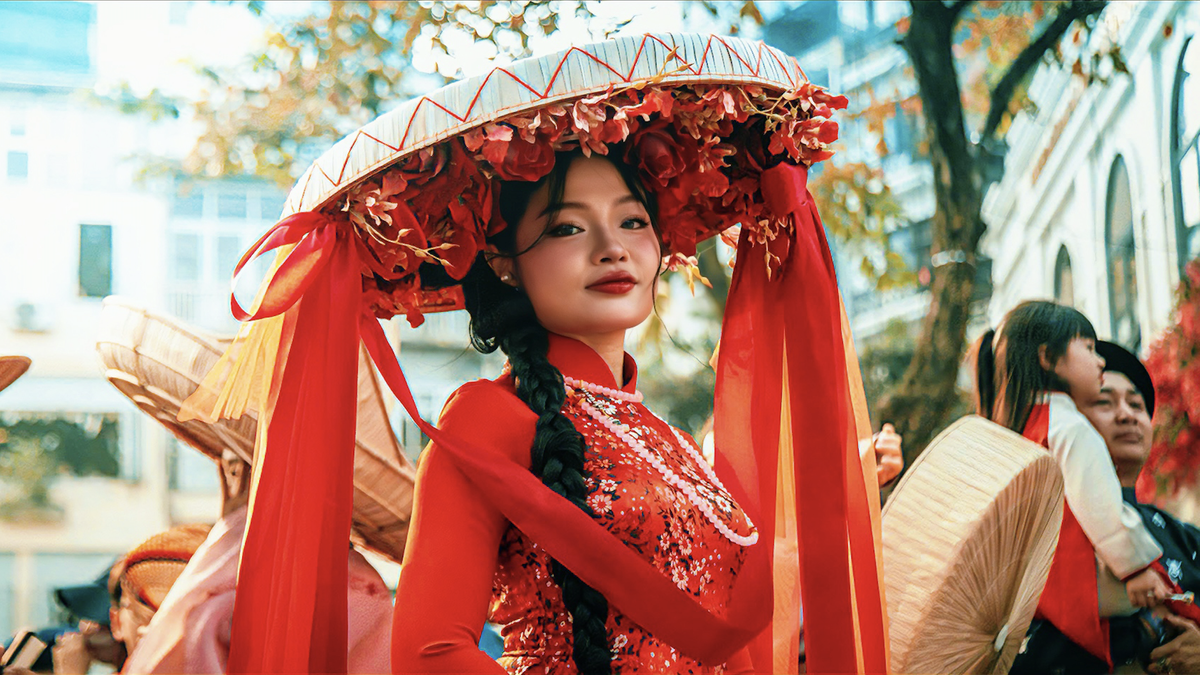
Hue City is developing many new, highly creative tour and experiential products linked to the local potential and advantages: Products and services revolving around distinctive brands such as "Hue - The Culinary Capital," "Hue - The Capital of Vietnamese Ao Dai," "Hue - The City of Festivals"; Ao Dai fashion shows; culinary demonstrations and experiences; the Miss Vietnam 2025 finals; the Ancient Capital Martial Arts Festival; and craft village tourism and eco-tourism associated with the values of ancient streets, villages, and gardens will be effectively promoted to meet the needs of various market segments, bringing Hue back onto the international tourism map with a fresh and vibrant appearance like never before.
In the northern part of the province, Quang Binh continues to invest in adventure tourism, ecotourism, and cave exploration products, with Phong Nha - Ke Bang and Son Doong cave remaining global highlights, a solution to the ambition of welcoming 5.5 million tourists by 2025.
Quang Tri has chosen a path that emphasizes its historical depth. Landmarks such as the Quang Tri Ancient Citadel, the Hien Luong Bridge - Ben Hai River complex, and the legendary Ho Chi Minh Trail are being given a new lease of life thanks to digital storytelling technology and commemorative tourism. By 2025, the province will focus on improving the professionalism of festival organization and investing in a service ecosystem around these strategic destinations.
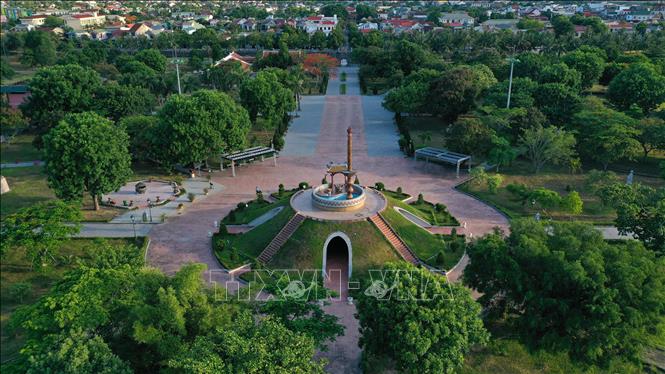
Memorial to the heroic martyrs in Quang Tri Ancient Citadel. Photo: Ho Cau/TTXVN
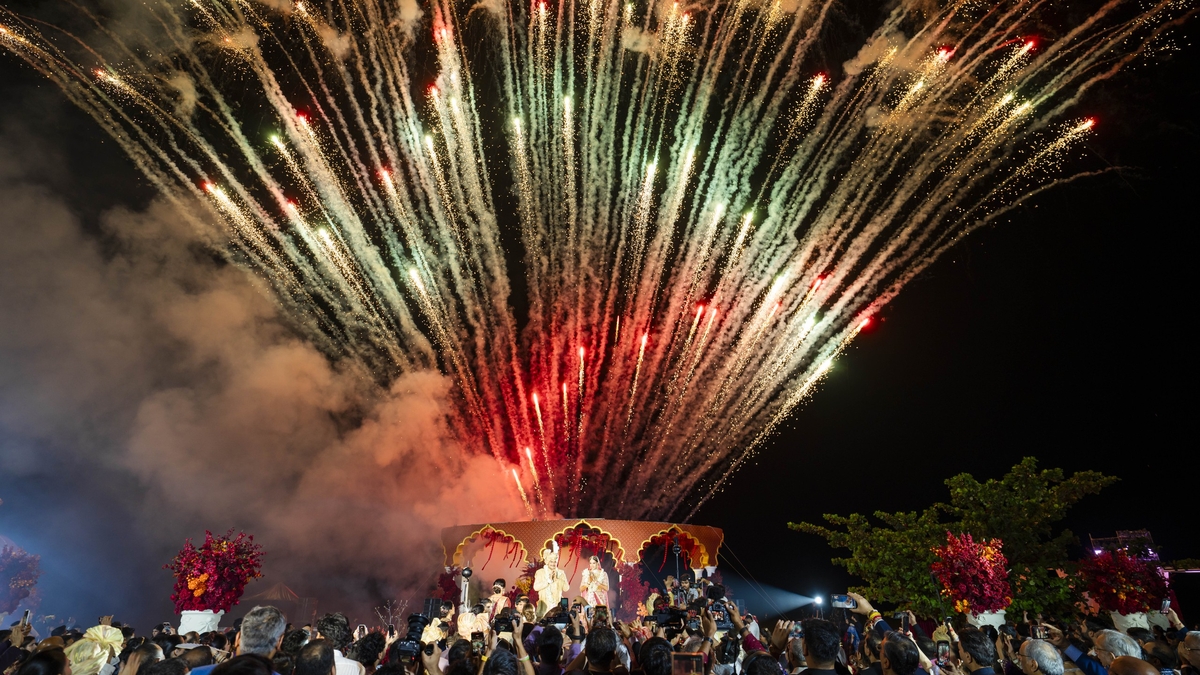
As the most modern city in Central Vietnam, Da Nang continues to play a central connecting role. With the slogan "Enjoy Da Nang 2025 - Diverse Experiences," the city is organizing a series of festivals including music, food, water sports, and an international fireworks festival...
International flight routes are being expanded, dedicated ports for cruise ships will be invested in, and the digital technology ecosystem will be deeply applied in tourism management and communication. All of this will help Da Nang become a dynamic bridge, effectively connecting cross-regional tourism routes.
The region, with landmarks such as Hoi An, My Son, and Cu Lao Cham, is actively revitalizing its tourism products by leveraging local depth combined with modern trends. Ecotourism, agricultural tourism, and community-based tourism in the western mountainous region are being promoted to add new dimensions to the familiar Hoi An - My Son - Cua Dai beach itinerary.
Elevating the art of heritage appreciation.
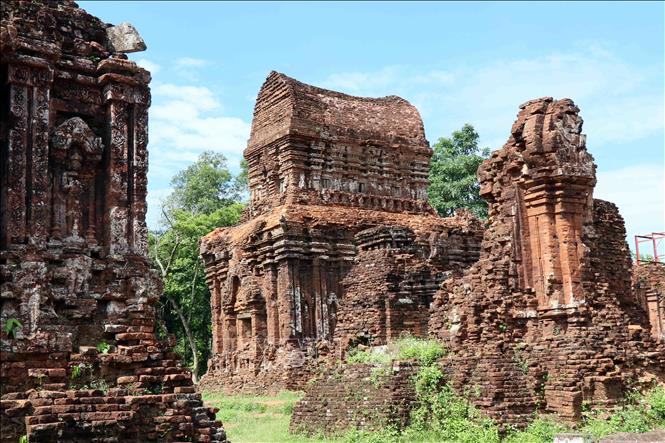
The serene beauty of ancient Cham towers. Photo: Do Truong/TTXVN
While Central Vietnam possesses rich, untapped potential, for heritage tourism to truly flourish, key factors beyond promotion and infrastructure investment include the art of appreciating heritage.
Artist Dang Mau Tuu, former Chairman of the Union of Literature and Arts Associations of Hue City, shared: "I have repeatedly suggested to the tourism industry the need to elevate the art of appreciating heritage. For example, with Hue folk songs – if you simply put tired tourists on a boat to listen to music without any emotional preparation, it's very difficult for them to truly appreciate the depth of the culture."
This applies to My Son Sanctuary or any heritage site – tangible or intangible. Before grasping its spiritual value, a journey of "mind cleansing" is needed to allow visitors to relax, unwind, and be ready to fully embrace the cultural value. Then, the heritage experience is not just a visit but becomes a cultural ritual – where the heritage is placed in its rightful sacred position.
According to the Director of the Hue City Department of Tourism, promoting the development of cultural industry products to extend the length of stay of tourists has been a goal that the Hue tourism industry has strived for in recent years. Step by step, the industry is upgrading tourism products to meet the tastes and experiential needs of tourists through unique art forms, while preserving the identity and essence of the heritage.
In Quang Tri, a region associated with significant historical landmarks such as the Quang Tri Ancient Citadel and the Hien Luong Bridge over the Ben Hai River, there is a need to create a narrative space with profound emotional depth, rather than simply being a tourist attraction. The experience here should be designed as a journey of gratitude – where visitors are guided by emotions, sounds, light, and stories to truly connect with the memories and values of history.
Similarly, Quang Nam – the land of Hoi An and My Son – also needs to upgrade the experience through artful appreciation: organizing guided meditation sessions before visiting My Son, creating spaces for experiencing traditional art, or developing "heritage appreciation" tours that engage all the senses (sight, hearing, touch, feeling). These initiatives not only make heritage more accessible but also ensure it is cherished at its true cultural significance.
More importantly, this journey can also open up new tourism services: storytelling spaces, meditation experiences, cultural therapy… All of these create a truly meaningful art of heritage appreciation – refined, respectful, and profound.
(To be continued)






























































Comment (0)