



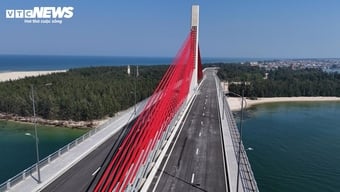
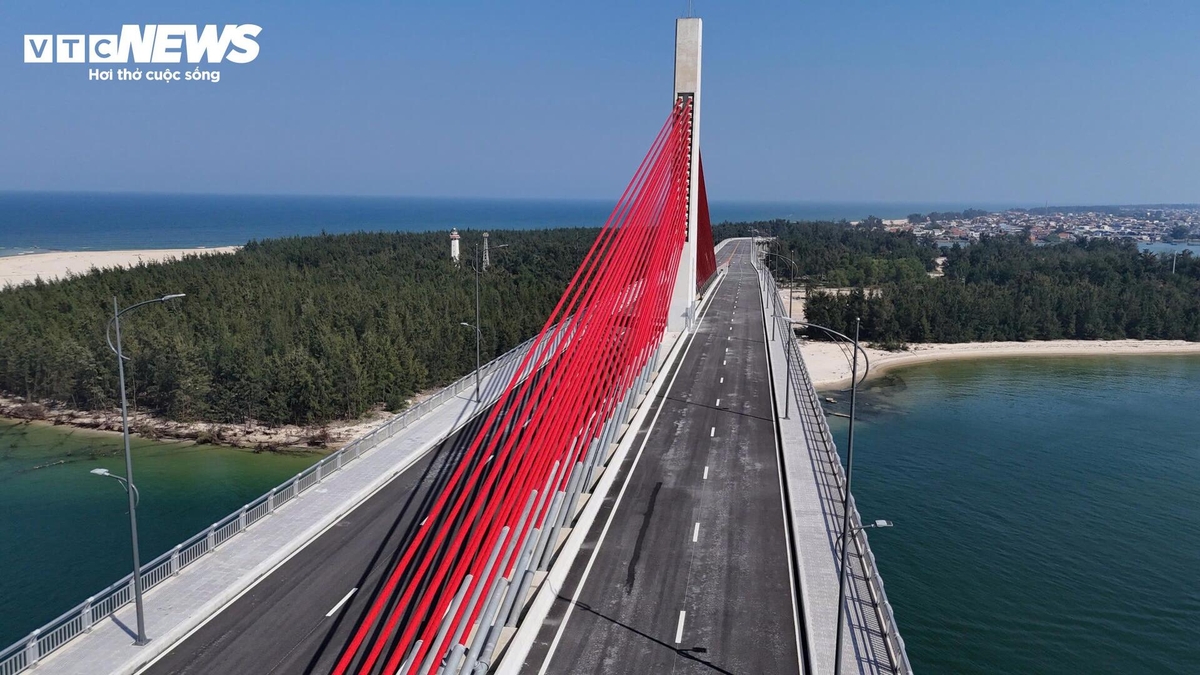
The biggest highlight of Quang Ninh's regional connectivity is its synchronized and modern infrastructure system, among the best in the country. Over the past decade, the province has boldly implemented a flexible "public-private partnership" model, mobilizing hundreds of trillions of VND for strategic expressways such as: Ha Long - Hai Phong, Ha Long - Van Don, Van Don - Mong Cai, and Van Don International Airport… As soon as these transportation corridors are completed, the distance between Quang Ninh and major economic centers such as Hanoi, Hai Phong, and Lang Son… is significantly shortened. The Mong Cai border region is no longer just a final destination but has become a crucial gateway connecting to the Chinese market of over 1.4 billion people, opening up an international tourism and trade connection axis – an advantage that not many localities possess.
Beyond its infrastructure connectivity, Quang Ninh is also a pioneer in its collaborative development approach with neighboring localities. The province actively participates in the Red River Delta region's common coordination mechanisms; it has signed strategic cooperation agreements with localities such as Hai Phong, Hanoi, Lang Son, and Cao Bang, agreeing on socio-economic development, particularly in logistics, tourism, border trade, and clean industry development. Within the Hanoi-Hai Phong-Quang Ninh economic triangle, the province, together with other localities, has clearly defined its role and strengths: Hanoi as the political , economic, and scientific center; Hai Phong as an international seaport hub; and Quang Ninh as a gateway for trade, a key area for tourism, energy industry, and logistics.
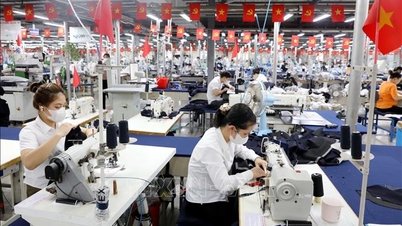
From this clear "division of roles," collaborative activities have become more effective and sustainable, avoiding duplication of investment or unnecessary competition. The province has proactively developed new industrial parks along the expressway corridor, such as Amata Ha Long, Song Khoai - Quang Yen, Nam Tien Phong, Bac Tien Phong… These industrial parks not only attract high-quality FDI but also expand the production space of the Northern coastal region, creating jobs and making a significant contribution to overall growth.
Besides proactively investing in infrastructure, the province is also actively implementing innovative pilot mechanisms to promote regional linkages. Accordingly, the province is coordinating with central ministries and agencies to develop a pilot mechanism and policy scheme for the development of the Van Don Economic Zone. Simultaneously, it is developing a pilot framework agreement for a cross-border industrial cooperation zone between Mong Cai and Dongxing, encompassing six areas of cooperation (industry, trade, border gate services, logistics, artificial intelligence (AI), and human resource training for these areas); and establishing a Steering Committee and Working Group to develop a pilot mechanism and policy scheme for the Vietnam-China cross-border economic cooperation zone. Currently, the province is directing a review of planning, creating clean land funds, prioritizing investment attraction, and promoting industrial cooperation in border areas, focusing on strategic locations such as the Hai Yen Industrial Park, the Km3-Km4 port area (Hai Yen ward), and the industrial park north of the Luc Lam River.

Simultaneously, the province is focusing on completing the pilot project for building a smart border gate at the Mong Cai (Vietnam) - Dongxing (China) international border gate for submission to the Prime Minister for approval. The project, once implemented, will optimize immigration and emigration processes, reduce costs, shorten customs clearance time, and increase cross-border trade capacity. In particular, the province is coordinating with relevant units to study and develop a detailed plan for the Hai Phong - Ha Long - Mong Cai railway line; research the Hanoi - Quang Ninh high-speed railway project; accelerate the investment implementation of the Van Ninh Port project; and promote investment attraction for the Con Ong - Hon Net Port. These projects will not only increase the scale of Quang Ninh's economy but also transform it into a modern, internationally-oriented maritime economic center, a leading hub in Southeast Asia, and a driving force for regional development, as well as creating a new impetus for the tourism industry.
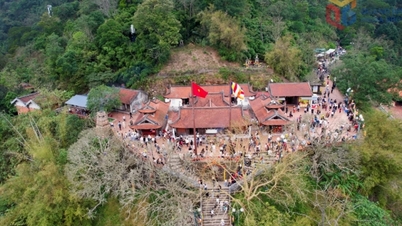
Recognizing that regional linkages are not just about "connecting" but also about "accompanying - sharing - developing together," the province is strengthening cooperation in developing heritage economies and enhancing the brand value of localities, especially: the World Natural Heritage Site of Ha Long Bay - Cat Ba Archipelago; the World Cultural Heritage Site of Yen Tu - Vinh Nghiem - Con Son, Kiet Bac...
From its success in infrastructure development to its "open" mindset and appropriate mechanisms, Quang Ninh is confidently building a model for sustainable regional linkages in the entire northern region.
Source: https://baoquangninh.vn/mo-rong-khong-gian-phat-trien-vung-3385348.html
































































Comment (0)