

How can we improve the quality of human resource training in the field of natural resources and environment? On the eve of 2024, those working in education and training in the field of natural resources and environment have shared their concerns, anxieties, proposed solutions, and new expectations. The Natural Resources and Environment Newspaper has compiled and respectfully presents this to our readers.
Dr. Duong Thanh An - Principal of the Training School,
Training of officials in the field of Natural Resources and Environment
Strengthening coordination between the central and local levels.
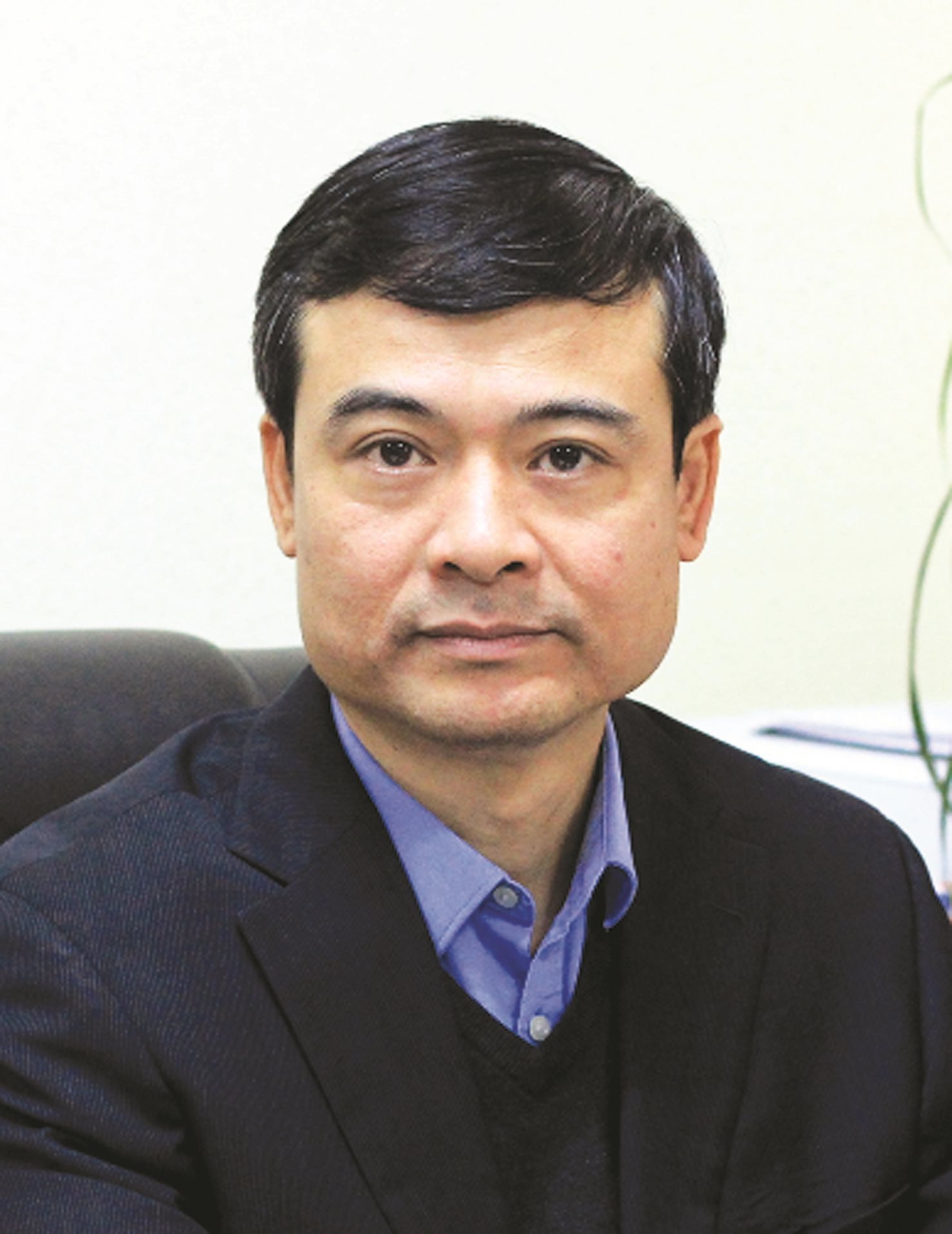
Besides providing training for state management agencies under the Ministry, the Training and Development School for Natural Resources and Environment Cadres (INNET) also has the task of providing training support to departments, state agencies, and natural resources and environment offices in provinces, districts, and cities. It is clear that the School's training role in coordinating and connecting the central and local levels is very important.
Based on the Ministry's assignment, the School proactively sent documents to all 63 Departments of Natural Resources and Environment nationwide to understand their needs for training and professional development, especially regarding specific content in new or planned legal documents to be issued in 2024, such as the Water Resources Law, the Land Law, etc., or in some priority areas, particularly land and environment. Through this, the School can coordinate with the departments to develop plans and continue organizing activities to support localities in conducting training and professional development for local officials according to their needs.
Recognizing that training for state management is a crucial and core task, the School is developing a plan to promote the socialization of training, connecting not only with central professional units but also with local units.
To accomplish this task, in the coming period, following the direction of the Party Committee of the Ministry, the School will set forth strategic priority tasks and coordinate with the Department of Organization and Personnel of the Ministry of Natural Resources and Environment to implement a comprehensive and systematic training plan and professional development program for officials in the sector, aiming to enhance professional skills and improve the expertise of officials across all fields within the Ministry of Natural Resources and Environment.
In this context, the School has developed many training programs to suit the current situation and divided them into two groups. One is for general audiences (broad-oriented); the other is a program for specialized professionals, according to the 9 fields managed by the Ministry of Natural Resources and Environment.
In particular, regarding specialized fields, it is always necessary to develop curricula or materials that adhere to the regulations and content requirements of the training and professional development program for cadres; at the same time, they must comply with current regulations related to the training field and the regulations of the Party or specific laws in the field. For example, in the field of Meteorology and Hydrology, the School develops projects based on the directives of the Politburo , the newly promulgated Law on Meteorology and Hydrology, etc. Thus, the training content of the School for specialist-level staff will include in-depth technical lectures; and for management-level staff, the materials and curricula will be more comprehensive in management and service to the industry.
However, coordination from the central to local levels still faces certain limitations. According to Decree 89, training content must ensure a balance between theory and practice. However, the practical component has not been fully implemented. This is due to objective and subjective factors, as well as dependence on resources, budget, and funding, especially the way trainees perceive the training program and practical application in their local areas, which affects how trainees learn and apply their knowledge in practice.
Therefore, in the coming period, during training courses and refresher courses, the School will strengthen and innovate its training methods, focusing on linking theory with practice to meet the practical needs of the trainees. Consequently, the School's lecturers and staff need to develop and improve the curriculum and content, as well as revise textbooks and teaching methods to make them richer, more relevant, engaging, and practical, so that trainees can see the quality and effectiveness of applying the learning outcomes to practice.
Assoc. Prof. Dr. Hoang Anh Huy - Rector of Hanoi University of Natural Resources and Environment
Training "future workforce" right from the initial selection process.
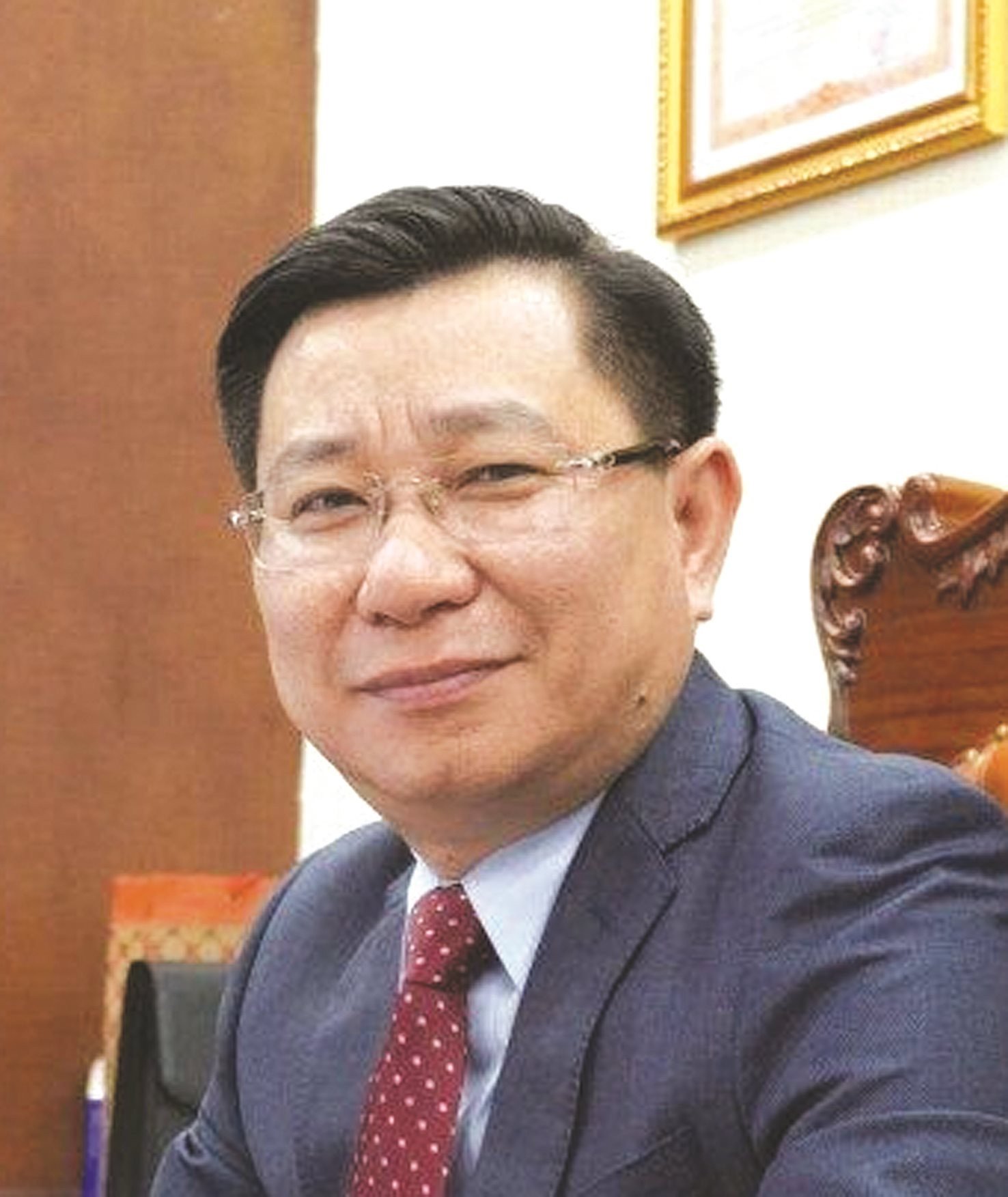
The University of Natural Resources and Environment is honored to be the first institution to receive and train human resources for the natural resources and environment sector. Throughout its formation and development, the University has built a large-scale training strategy, laying the foundation from the very beginning based on the principle of practical learning and hands-on experience. Along with this, it has a suitable admissions mechanism to attract future human resources, ensuring a high-quality entry process.
In 2023 alone, the university recruited nearly 3,500 students out of 100,000 applicants, achieving high admission scores. Many of the university's majors had admission scores among the top in the country, despite many other universities facing recruitment shortages or lack of applicants. Specifically, 16 out of 23 majors had admission scores of 22 points or higher, with the highest score being 27.5 points, including difficult-to-recruit majors such as Climate Change and Sustainable Development, Water Resource Management, and Geological Engineering. The positive results of educational program reform have been demonstrated by the flourishing university admissions process, with the 2023-2024 academic year's recruitment being a prime example.
To date, with a rich history of 68 years (1955 - 2023) and accumulated teaching experience, the School has become a reliable institution attracting "input resources" through various training programs. With 14 elementary courses, 45 intermediate courses, 15 college courses, 24 university-level specialized training courses, 10 university-level bridging courses, 13 regular university courses, and 9 master's degree courses, the School has trained over 50,000 students at levels equivalent to intermediate to master's degrees, providing a workforce for various sectors of the industry.
To implement large-scale educational programs aimed at training high-quality human resources for future graduates, the University places special emphasis on building, strengthening, and enhancing the professional expertise of its faculty. Currently, the University's faculty comprises approximately 500 people, including over 160 lecturers with the academic titles of Professor, Associate Professor, and Doctor; 50 lecturers currently pursuing doctoral studies; and over 280 lecturers with Master's degrees. The University's faculty is increasingly meeting the requirements and tasks of education, training, scientific research, and international cooperation. Currently, the University offers training in 23 disciplines with nearly 15,000 students and trainees nationwide.
To achieve the goal of becoming a key national university in the field of natural resources and environment, approaching the standards of prestigious universities in the region, Hanoi University of Natural Resources and Environment has developed a development strategy for the university until 2025, with a vision to 2035,…
Furthermore, to promote the training of high-quality human resources in the field of Natural Resources and Environment, the university has focused on scientific research and international cooperation. In 2023, 47 scientific research projects at various levels were completed, including 6 projects at the ministerial level and 41 projects at the institutional level. Numerous publications and scientific works by the university's scientists were also published in domestic and international scientific journals and conferences; national and international scientific conferences were organized throughout the year according to schedule and plan.
Based on the achievements, in June 2023, the School was awarded a Certificate of Educational Quality Standards for the second cycle by the Center for Educational Quality Accreditation - Vietnam National University, Hanoi; in December 2023, the school was awarded a 4-star certification in the application-oriented approach by the UPM Institute for Innovation.
This demonstrates the efforts of the faculty and students of Hanoi University of Natural Resources and Environment in continuously improving, innovating, and developing educational programs, learning, and honing professional knowledge and skills to meet the trends in training future human resources for the country in general and for the natural resources and environment sector in particular.
Assoc. Prof. Dr. Pham Thi Thanh Nga - Director of the Institute of Hydrometeorology and Climate Change
Developing human resources for the industry.
through conducting research
science

Overall, the current state of human resources in the field of Meteorology and Hydrology (M&H) remains insufficient, especially in terms of future talent. For example, the Institute of Meteorology, Hydrology and Climate Change currently has only 8 Professors and Associate Professors (GS, PGS); 33 PhDs (TS); while the General Department of Meteorology and Hydrology only has 3 Associate Professors and 28 PhDs. Therefore, to develop a high-quality workforce, the first step is to supplement the number of core staff, experts, and scientists. Thus, the challenge here is how to develop a high-quality workforce while the number of Professors, Associate Professors, and PhDs is still insufficient to carry out training.
For example, regarding training at the Institute, regulations clearly state that a department, or one sufficient to train a major, must have full-time lecturers, including 2 Associate Professors and 3 PhDs (or 2 Associate Professors and 1 Professor). Soon, one Professor will retire, significantly impacting the human resources and potentially forcing the Institute to close a major due to a lack of lecturers. Once a department closes, it will be very difficult to reopen it (for example, the Oceanography major with its small number of students). Currently, the Institute only has 4 majors, and maintaining these requires a sufficient number of lecturers. Therefore, the Institute needs to add 2 more Associate Professors to maintain its training and teaching programs.
For that reason, the Institute is strengthening coordination with institutions, units, universities, etc., to invite professors and associate professors to train doctoral and postgraduate students. Through this, the Institute utilizes retired lecturers from universities or professors and associate professors from units within and outside the Ministry of Natural Resources and Environment related to the fields of study of doctoral and postgraduate students to teach in training courses. At the same time, the Institute also proposes that doctoral students within the Institute and outside, such as from Hanoi University of Science and Technology, National Economics University, Vietnam Academy of Sciences, etc., can collaborate to train postgraduate students at the Institute.
However, these are only temporary solutions to the human resource problem and do not offer comprehensive solutions. Therefore, in addition to strengthening coordination with units such as Institutes, Universities, and Research Centers, the Institute is implementing a plan to expand and strengthen cooperation with foreign research units such as South Korea and Japan. This would allow doctoral candidates to practice using a method where they spend half their time working, studying, and researching in Vietnam and the other half studying abroad.
Furthermore, to develop a strategic plan for 2024-2027 (commemorating the 50th anniversary of the Institute of Meteorology, Hydrology and Climate Change), the Institute is beginning to implement specific strategies to improve professional guidance, enhance expertise, and establish reward mechanisms for outstanding individuals and groups, as well as for research projects with significant achievements. This aims to encourage experts and scientists to conduct scientific research and publish international papers that are applicable in practice and have high applicability.
Through numerous research projects and scientific and technological research topics that the Institute has been implementing in various provinces, the expertise and professional skills of the meteorological and hydrological sector's staff and personnel have been significantly enhanced. This is demonstrated through research topics with practical applications that serve the lives of the people and society in provinces such as: Quang Ninh with the provincial-level project on planning medicinal plant cultivation areas; Tuyen Quang with the project on building a geographical atlas; Hoa Binh with the district-level project on building a flash flood and landslide warning system; Hai Phong and Ninh Binh with projects on: flood warning systems, building flood forecasting activities for localities, etc.
Assoc. Prof. Dr. Huynh Quyen - Rector of the University of Natural Resources and Environment, Ho Chi Minh City
Ensuring scientific research
Combine "learning with practice".
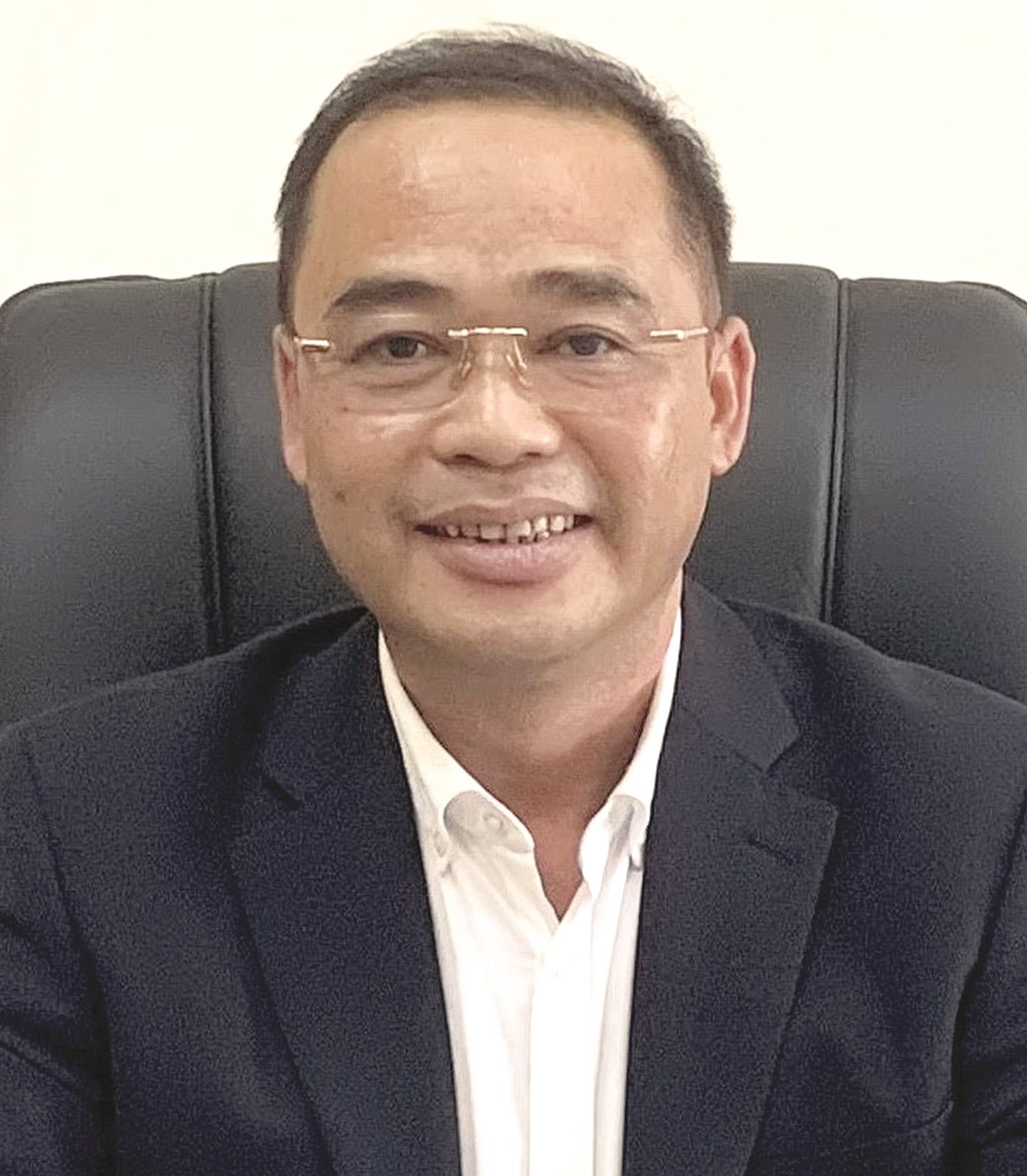
Building on the achievements in scientific research linked to "learning by doing" during the 2020-2022 period, in 2023, Ho Chi Minh City University of Natural Resources and Environment (HCMUNRE) continued to reap many noteworthy results, adding to the University's accomplishments.
Accordingly, the University of Natural Resources and Environment of Ho Chi Minh City has been ranked 64th in the Top 100 Strongest Universities in Vietnam by the Vietnam University Rankings (VNUR). The University of Natural Resources and Environment of Ho Chi Minh City has also published over 250 scientific articles domestically and internationally, including more than 40 prestigious international publications (ISI/SCOPUS). By 2023, the number of international scientific publications by the University had far exceeded the target set in the University's Development Strategy until 2025.
For the first time, the University of Natural Resources and Environment of Ho Chi Minh City appeared in the Nature Index database with a "Share" score of 0.67, ranking 7th out of 43 scientific research institutions in Vietnam and included in the 2022 Nature Index catalog. In 2023, the University carried out numerous scientific research projects, including: 10 projects at the ministerial/provincial level, 14 projects at the university level, and 15 student projects. By 2023, the University had implemented more than 18 pilot production projects/models and provided consulting and technology transfer services.
In 2023, the University successfully organized the 6th Scientific Conference, with the participation of more than 20 domestic and international organizations and businesses. Simultaneously, it successfully implemented the 3rd Job Fair and Business Exhibition for the Natural Resources and Environment sector, with the participation of over 1,000 students and more than 15 leading businesses operating in the field of natural resources and environment.
The University of Natural Resources and Environment of Ho Chi Minh City has also successfully organized many other scientific conferences, notably the Conference on Scientific Research Orientation towards Net-Zero 2050, with the participation of nearly 200 members and more than 20 businesses. At the same time, the University has signed 9 Memorandums of Understanding (MOUs) with partners from major universities in Vietnam and abroad, such as Vinh University, Can Tho University, Curtin University… and signed MOUs with corporations/businesses, such as Arup Group from the UK, Duy Tan Recycling Plastic Company...
To ensure that scientific research continues to be closely linked to "learning by doing," and to identify the development of scientific research and technology transfer activities as one of the key tasks in the Development Strategy of the University of Natural Resources and Environment of Ho Chi Minh City, in 2024-2025, the University will continue to focus on developing solutions to diversify funding sources for investment in infrastructure, such as laboratories and research equipment, and to conduct research through collaborative projects both domestically and internationally.
The school will also develop a mechanism for timely rewarding and encouraging collectives and individuals who perform well in scientific research and technology transfer; strengthen the capacity of staff involved in scientific research and technology transfer activities; enhance cooperation with businesses in scientific research and technology transfer through a commissioning mechanism; build and support strong and promising research groups; establish a young innovators club for young staff, trainees, and students of the school to participate in order to develop creative ideas in scientific research; and establish a club responsible for training skills in scientific research, thinking, and entrepreneurship to encourage the development of scientific research among students and nurture good ideas.
Tuong Tu - Hoai Thu (compiled)
Source
![[Photo] Prime Minister Pham Minh Chinh receives Lao Minister of Education and Sports Thongsalith Mangnormek](/_next/image?url=https%3A%2F%2Fvphoto.vietnam.vn%2Fthumb%2F1200x675%2Fvietnam%2Fresource%2FIMAGE%2F2025%2F12%2F16%2F1765876834721_dsc-7519-jpg.webp&w=3840&q=75)
![[Photo] Prime Minister Pham Minh Chinh receives the Governor of Tochigi Province (Japan)](/_next/image?url=https%3A%2F%2Fvphoto.vietnam.vn%2Fthumb%2F1200x675%2Fvietnam%2Fresource%2FIMAGE%2F2025%2F12%2F16%2F1765892133176_dsc-8082-6425-jpg.webp&w=3840&q=75)
![[Live] 2025 Community Action Awards Gala](/_next/image?url=https%3A%2F%2Fvphoto.vietnam.vn%2Fthumb%2F1200x675%2Fvietnam%2Fresource%2FIMAGE%2F2025%2F12%2F16%2F1765899631650_ndo_tr_z7334013144784-9f9fe10a6d63584c85aff40f2957c250-jpg.webp&w=3840&q=75)

![[Image] Leaked images ahead of the 2025 Community Action Awards gala.](/_next/image?url=https%3A%2F%2Fvphoto.vietnam.vn%2Fthumb%2F1200x675%2Fvietnam%2Fresource%2FIMAGE%2F2025%2F12%2F16%2F1765882828720_ndo_br_thiet-ke-chua-co-ten-45-png.webp&w=3840&q=75)










![[Video] Bach Mai Hospital puts into operation a group of the world's most modern equipment.](https://vphoto.vietnam.vn/thumb/402x226/vietnam/resource/IMAGE/2025/12/17/1765931442107_dung00-58-18-13still010-jpg.webp)














































Comment (0)