

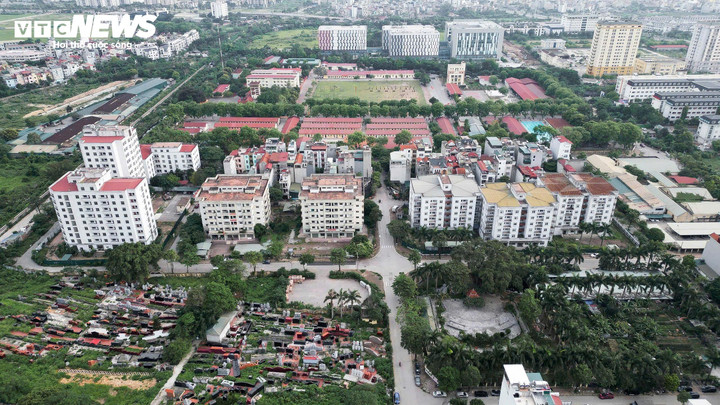
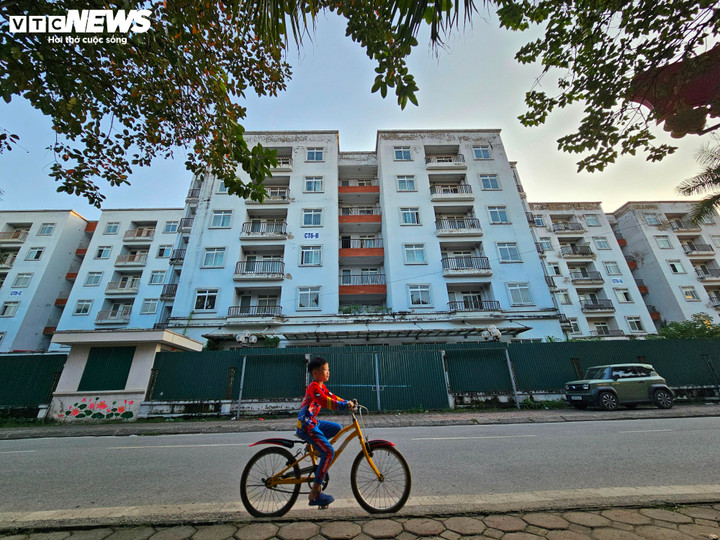
According to statistics from the Vietnam Association of Real Estate Brokers (VARS), Hanoi faces a shortage of at least 50,000 apartments each year. However, seven high-rise buildings in the Kieu Mai resettlement area, built to accommodate over 3,000 people, have remained closed for more than 10 years.
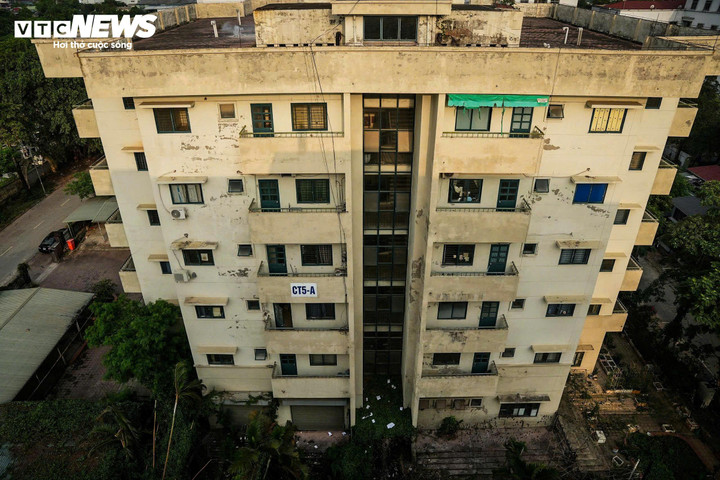
Completed in 2013 to serve households whose land was expropriated in the former Tu Liem district, the Kieu Mai resettlement area covers a total area of over 12.2 hectares with an estimated population of over 3,000 people. The resettlement area is bordered to the north by National Highway 32, to the south by land belonging to the Ministry of Public Security , to the east by the railway line, and to the west by the residential area of Kieu Mai village. However, after more than 10 years, the buildings here have never once welcomed residents to live there as intended.
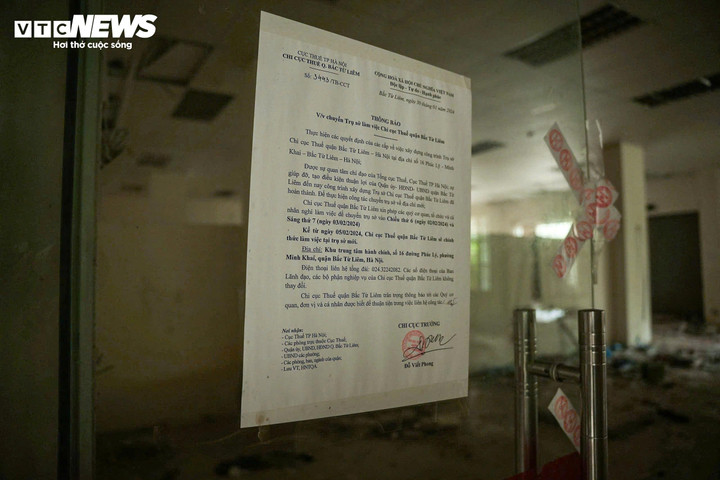
Between 2014 and 2021, after Tu Liem district was divided into two districts (Bac Tu Liem and Nam Tu Liem), 4 out of 7 buildings (CT4, CT5, CT6, CT7) were temporarily used by the Hanoi People's Committee as the administrative headquarters of the Bac Tu Liem District Party Committee, People's Council, People's Committee, and other district agencies. By 2021, after the agencies moved to new headquarters, these buildings were abandoned again.
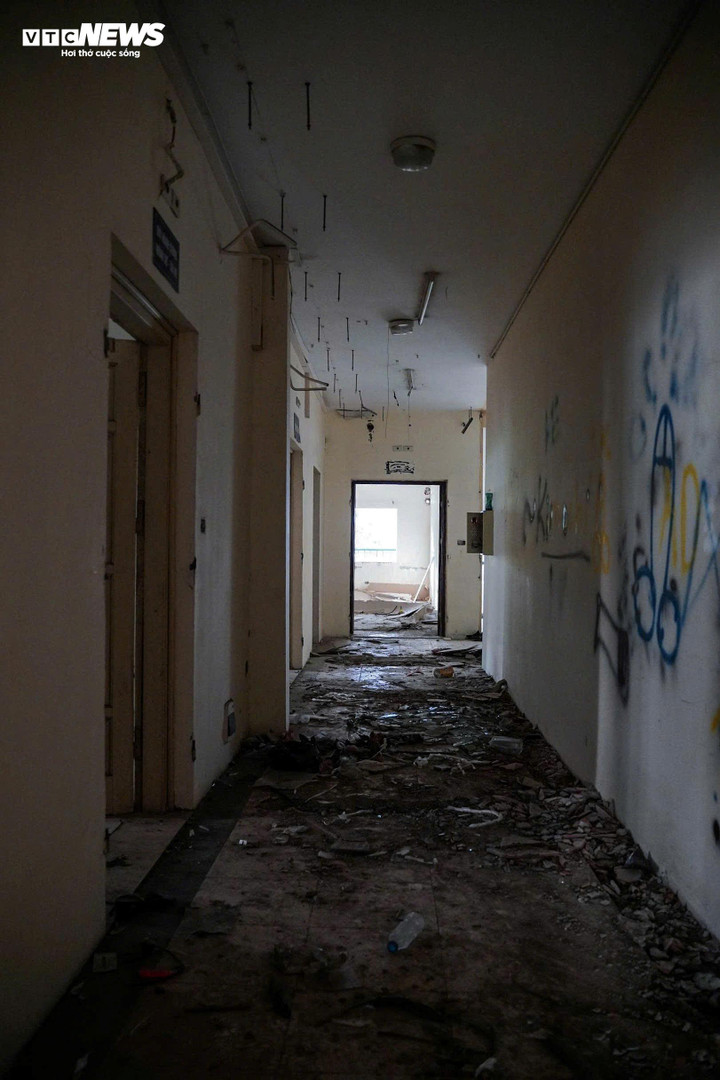
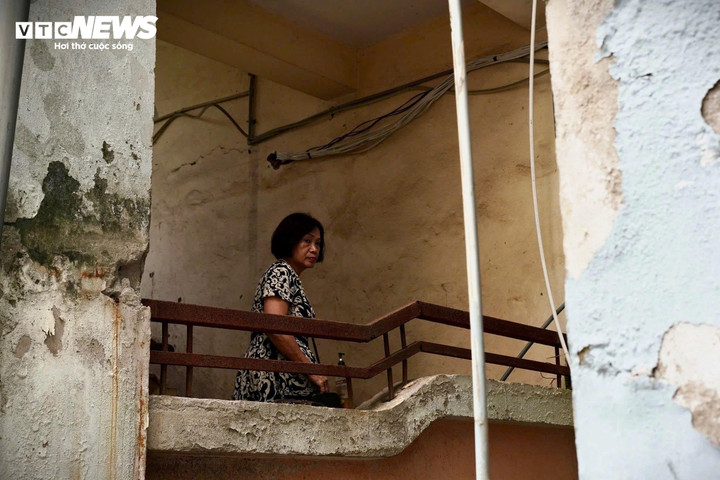
The hallway was dark, reeking of dampness and dust after a long period of disuse. Many light bulbs and electrical fixtures had been removed from the ceiling, leaving only exposed wires and hooks. The floor was covered with broken tiles, glass, trash, and crumbling concrete. Every step produced a crunching sound of broken materials.
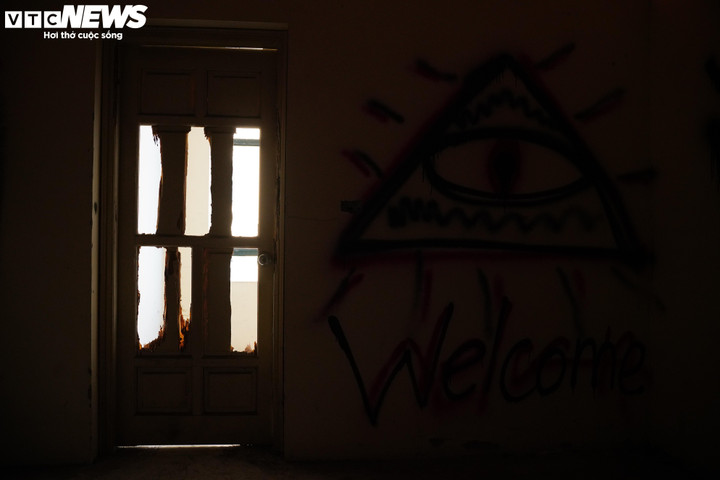
A resettlement area, once envisioned as a new home for residents, has now fallen into a state of serious disrepair and neglect, remaining abandoned for a long time.
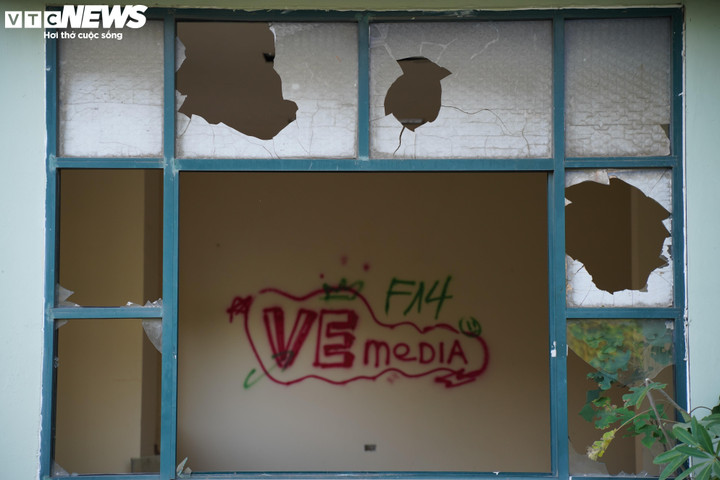
Mr. Nguyen Van Dau, a resident living near the area, expressed regret that the abandoned buildings, left unused, have become gathering places for undesirable individuals, affecting the surrounding security and order. "Looking at these abandoned buildings, I feel so sorry. For so many years, they haven't been put into use, deteriorating day by day. At night, groups of unfamiliar young men gather here, vandalizing things. We residents are both worried and frustrated. We just hope the authorities will soon take action, because if it continues like this, the security around here will not be guaranteed."
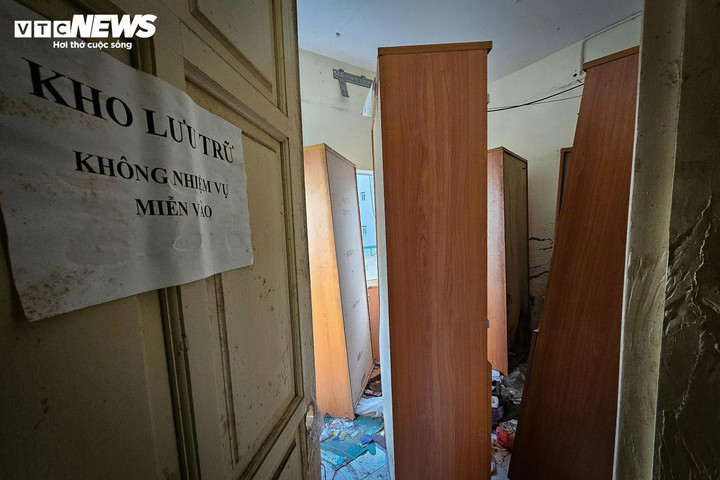
The resettlement apartments, ranging in size from 50 m² to 100 m², are fully equipped with private bathrooms and balconies, perfectly suitable for a family to live in. However, instead of welcoming residents, these spaces have been turned into storage areas for old belongings.
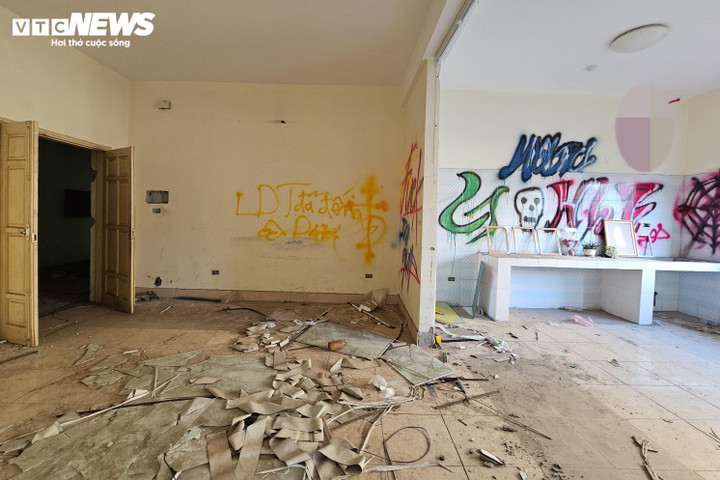
The walls are covered with graffiti; the floors are vandalized, and broken tiles lie scattered everywhere. In a city desperate for housing, the neglect and destruction of buildings with high social welfare potential is a source of deep concern and regret for the residents.
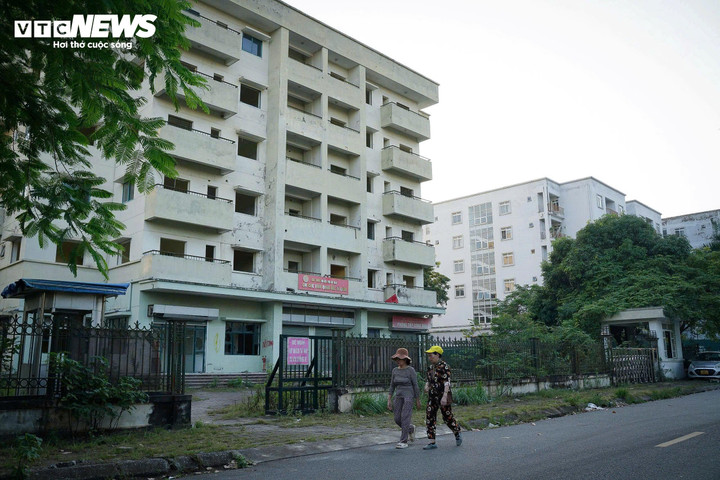
According to a representative of the Xuan Phuong Ward Infrastructure Investment Project Management Board, from July 1st, when the two-tiered local government model is implemented, the Kieu Mai resettlement area will be under the management of Xuan Phuong Ward. Currently, the Xuan Phuong Ward Infrastructure Investment Project Management Board has reviewed the records, inspected the current situation, and will propose to the Ward People's Committee to request the Hanoi City People's Committee to consider and direct the plan for using the buildings appropriately, avoiding waste and prolonged environmental pollution.
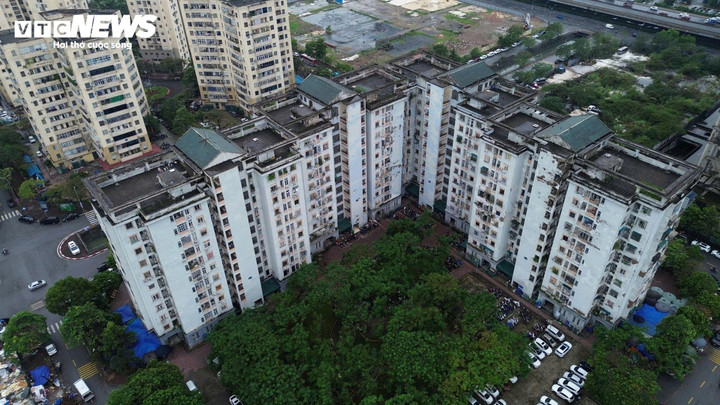
The deterioration is not limited to abandoned resettlement areas; it's also occurring in active residential areas. About 7 km away, the Nam Trung Yen resettlement area (Yen Hoa ward), located in what is considered "prime real estate" in Hanoi, also shows many signs of deterioration, directly affecting the lives of hundreds of households. Many buildings, shortly after being put into use, show signs of peeling walls, mold, and leaks; broken windows; and malfunctioning elevators.
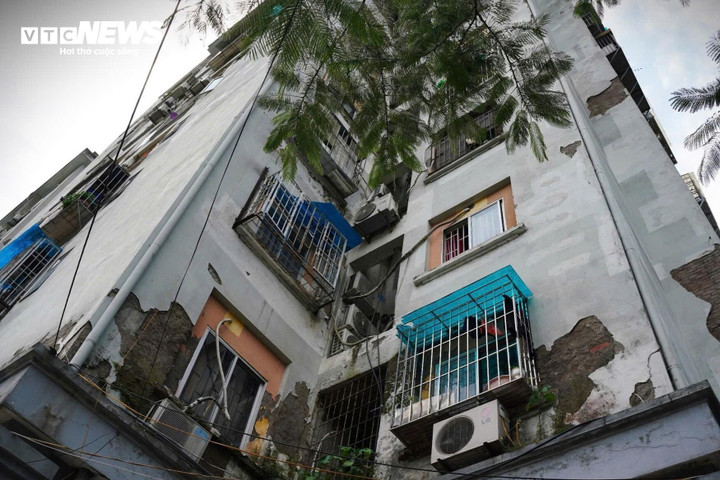
In use since 2010, the A6 Nam Trung Yen resettlement area is located in a prime location in Hanoi. However, in less than 15 years, the four apartment buildings there have severely deteriorated. According to residents, this has been happening since around 2014-2015. On the exterior of the buildings, large sections of the walls are peeling and crumbling, easily visible to the naked eye. A light touch causes fragments of the wall to fall off.

Ms. Vu Thi Nguyet, head of residential group No. 51 (Yen Hoa ward), said that currently, the resettlement area has 436 households. Since the end of 2024, after media outlets continuously reported on the deteriorating condition of the buildings, the Hanoi People's Committee and the Hanoi Housing Investment and Development Corporation sent a unit to survey and repair damaged items. However, from June 1, 2025, the project was handed over to the Hanoi Housing Management Center. "Since the new management unit came into power, the buildings no longer receive support for repairs to the six items, including exterior building maintenance, generators, water pumps, fire fighting systems, and lightning protection systems. Residents have to take care of repairs themselves. While most households here have moderate or even difficult economic conditions, the deterioration of the buildings is worsening."
Despite the severely degraded infrastructure of the A6 Nam Trung Yen resettlement area, apartments there are still being offered for sale at prices ranging from 60-70 million VND/m², according to surveys from several real estate websites. Specifically, an apartment on the 8th floor of building A6C with an area of 57.2 m² (2 bedrooms, 1 bathroom) is being offered for sale at 4.1 billion VND (71.68 million VND/m²). On the same floor and in the same building, another apartment of 60 m² is being offered for sale at 4.1 billion VND (68.33 million VND/m²).
According to statistics from the Hanoi Housing Management and Development Company Limited and the Hanoi City Housing Management Center, as of 2025, Hanoi will have 201 resettlement apartment buildings in use, of which 16,057 out of 19,016 apartments have been handed over to residents for stable use. Approximately 3,000 resettlement apartments remain vacant.
Source: https://baolangson.vn/nghin-can-tai-dinh-cu-bo-hoang-giua-con-khat-nha-o-xa-hoi-tai-ha-noi-5068227.html




![[Photo] Two flights successfully landed and took off at Long Thanh Airport.](/_next/image?url=https%3A%2F%2Fvphoto.vietnam.vn%2Fthumb%2F1200x675%2Fvietnam%2Fresource%2FIMAGE%2F2025%2F12%2F15%2F1765808718882_ndo_br_img-8897-resize-5807-jpg.webp&w=3840&q=75)























































































Comment (0)