

 |
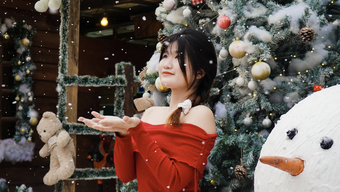
Young people check in at a Christmas-themed cafe in Tan Thoi Hiep ward (Ho Chi Minh City) in October. Photo: Linh Huynh . |
According to Psychology Today , the fear of missing out (FOMO) surges during the holiday season because everyone believes that "everyone else is having more fun than me," and constantly updating social media becomes a way to show that "I'm also in the game, not left out."
In this context, social media operates like a public stage. Media researchers describe selfies and online photos as a form of "self-presentation," where each frame is a choice of the version one wants others to see.
Selfies today serve as a "personal and social identifier," helping users assert their style, belonging group, and status in the digital community. The holiday season, in particular, creates a very favorable visual context for this. Decorative lights, Christmas markets, countdown stages, music festivals… all serve as beautiful and easily recognizable backdrops.
The festival experience on social media shows that attendees not only take photos to preserve memories, but also to "tell the story" of being at a memorable event and share those feelings with friends online.
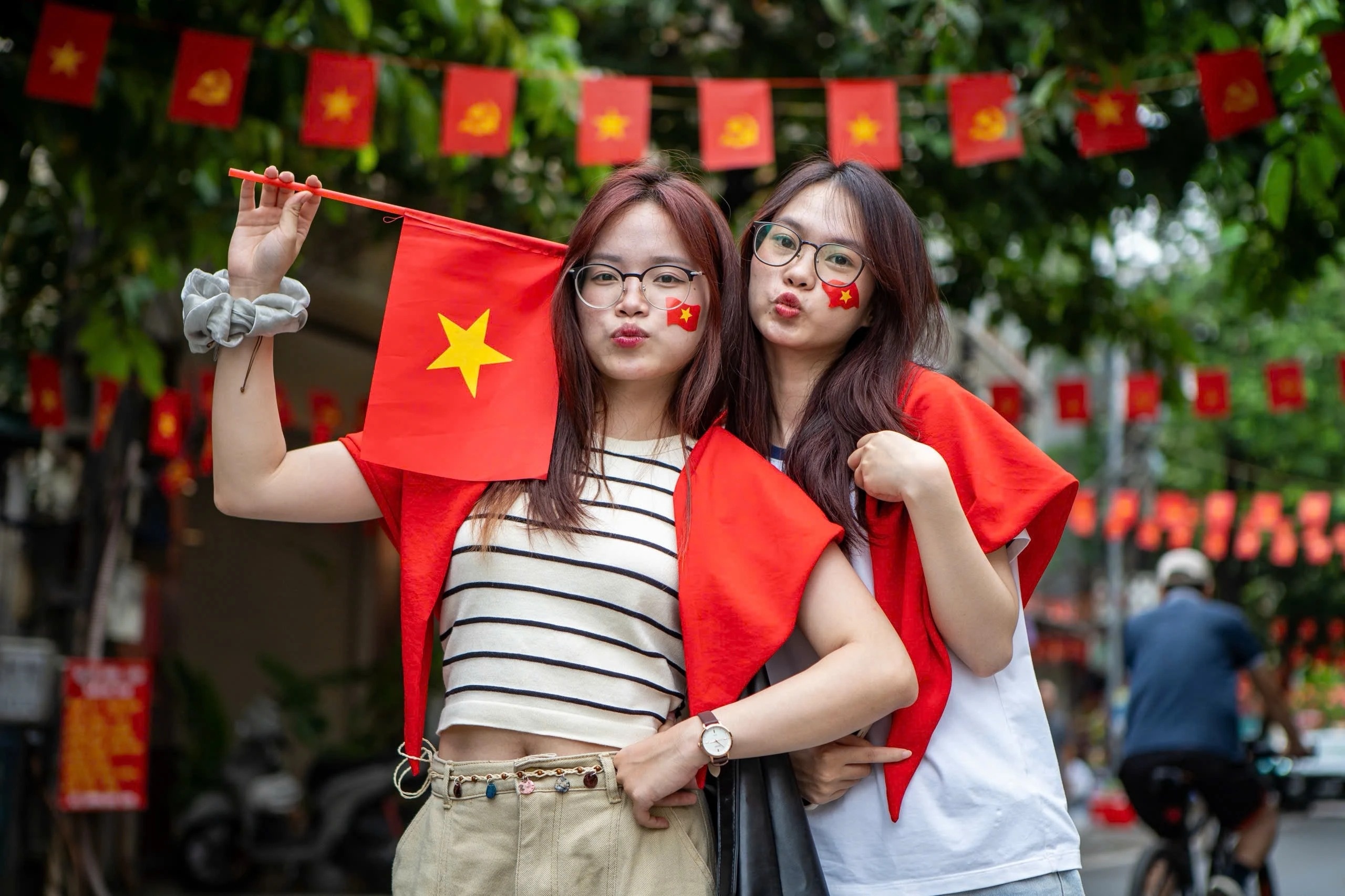 |
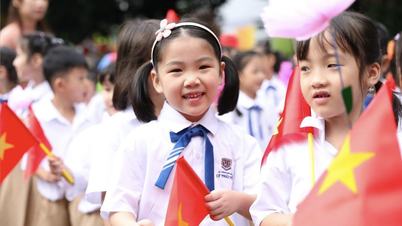
Two young people with the red flag with a yellow star on their cheeks and shirts at the intersection of Nguyen Thai Hoc ( Hanoi ) during the first training session of A80, August 21st. Photo: Chau Sa. |
This trend is even more pronounced in the tourism industry . A study published in Tourism Management on why travelers share their experiences on social media revealed two prominent motivations: the pleasure of recounting their trip and the need to connect with others – showing off photos, checking in, and writing a few lines of feedback both prolongs the feeling of enjoyment and maintains interaction with friends and family.
During the holiday season, when people travel, gather, and participate in many special activities, the number of "postable" moments naturally skyrockets. From a psychological perspective, people who take and post selfies are often motivated by several factors: preserving memories, managing their self-image, seeking attention, affirming their belonging, and maintaining connection.
Furthermore, the role of advertising and commercial content cannot be ignored. Several analyses of the holiday season point out that marketing campaigns and KOLs/influencers constantly paint a picture of the "ideal holiday season": decorated homes, parties, gifts, luxurious trips. This makes many people feel that if they don't have beautiful photos or appear on their timelines in the right holiday style, they are... falling behind.
However, the combination of FOMO and social comparison makes the holiday season a sensitive period. Mental health organizations and websites like Healthline and depression associations in the US warn that the "carefully curated" images online can easily make viewers feel that their own lives are dull and less enjoyable, even if they are participating in their own holiday activities.
Source: https://znews.vn/tai-sao-mua-le-hoi-kich-thich-con-nguoi-song-ao-post1610750.html









































































Comment (0)