

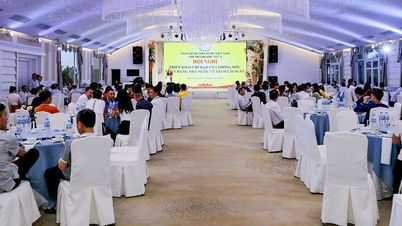
On the afternoon of October 28th, within the framework of the first Autumn Fair - 2025 at the Vietnam Exhibition Center (VEC), the Department of Domestic Market Management and Development, Ministry of Industry and Trade , in coordination with relevant units, organized the Forum "Policies for the Development of Domestic Trade".
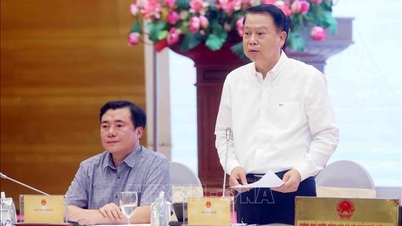
In his opening remarks at the forum, Mr. Bui Nguyen Anh Tuan, Deputy Director of the Department of Domestic Market Management and Development (Ministry of Industry and Trade), stated that the 2025 Domestic Trade Development Policy Forum, within the framework of the First Autumn Fair 2025, is a significant event to review, evaluate, and shape domestic trade development policies in the new era – an era of deep integration, technological boom, and intertwined challenges and opportunities.
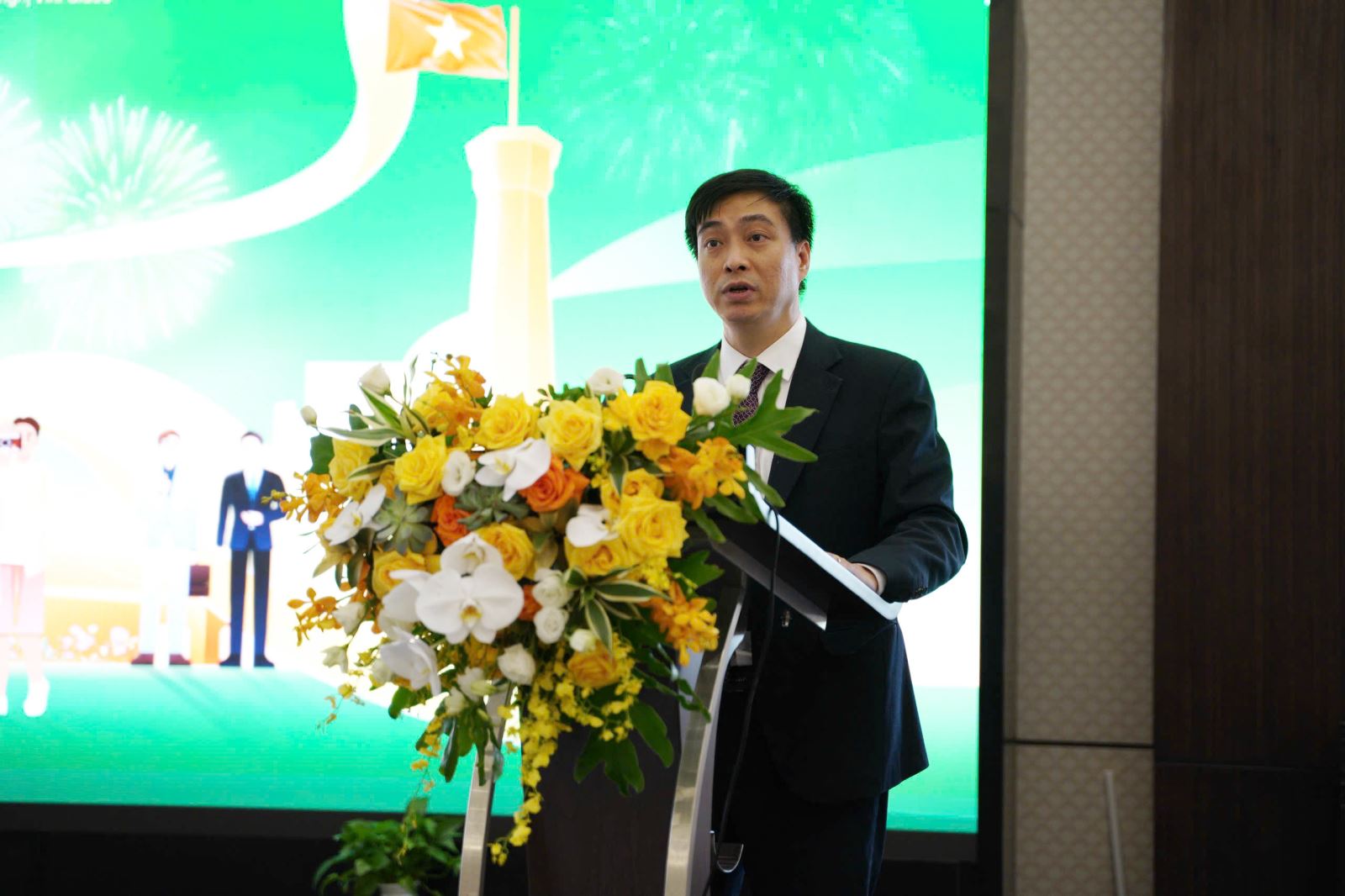
In the context of a volatile global economy and the profound shifts of the digital age, the domestic market has played and continues to play a crucial role, serving as a solid foundation for the sustainable development of the Vietnamese economy. Deeply aware of this, the Party, the National Assembly, and the Government have issued numerous important resolutions, creating a robust legal framework for the development of the domestic market. The domestic market is not only the foundation of the economy but also a vital space for realizing sustainable development goals and improving the quality of life for the people.
According to representatives from the Department of Domestic Market Management and Development, the new era brings us outstanding characteristics such as: the Fourth Industrial Revolution and digital transformation; deep international integration with new generation free trade agreements (FTAs) opening up export opportunities, but at the same time posing challenges of fierce competition from imported goods; changes in consumer behavior; challenges from climate change and sustainable development, and the increasingly urgent need for green production, sustainable consumption, and a circular economy.
In this context, the domestic market needs to undergo a significant transformation, not only as a place to consume products but also as a crucial driving force for boosting production, creating jobs, and ensuring social security.
With a strategic vision and specific details outlined in the aforementioned documents, the Department of Domestic Market Management and Development proposes several key policy directions for the development of domestic trade. Specifically, it focuses on developing a retail trade infrastructure system and green logistics infrastructure, ensuring modernity, synchronization, and balance across regions to enhance the attractiveness of the investment and business environment, and to strengthen inter-industry, inter-regional, and international linkages.
In addition, strengthen management of goods transactions conducted through e-commerce platforms. Improve the legal framework for e-commerce, including urgently finalizing and submitting to the National Assembly the draft Law on E-commerce to enhance the effectiveness and efficiency of state management of e-commerce, creating conditions for sustainable and orderly e-commerce development, and serving as a driving force for the development of the digital economy.
Building national e-commerce platforms connected to existing exchanges... to provide the best shopping experience for customers, integrating payment services, operations and logistics services, product traceability tools using blockchain technology to ensure transparency and accuracy, and requiring sellers to publicly disclose product origins and use QR codes so customers can access product information…
In particular, it is necessary to develop a sustainable market, innovation, and a digital transformation ecosystem. Promoting innovation and creating new growth drivers for the industry and trade sector in science and technology, high-quality human resources, and digital transformation in the trade sector aims to improve productivity, quality, efficiency, and competitiveness of the industry and businesses.
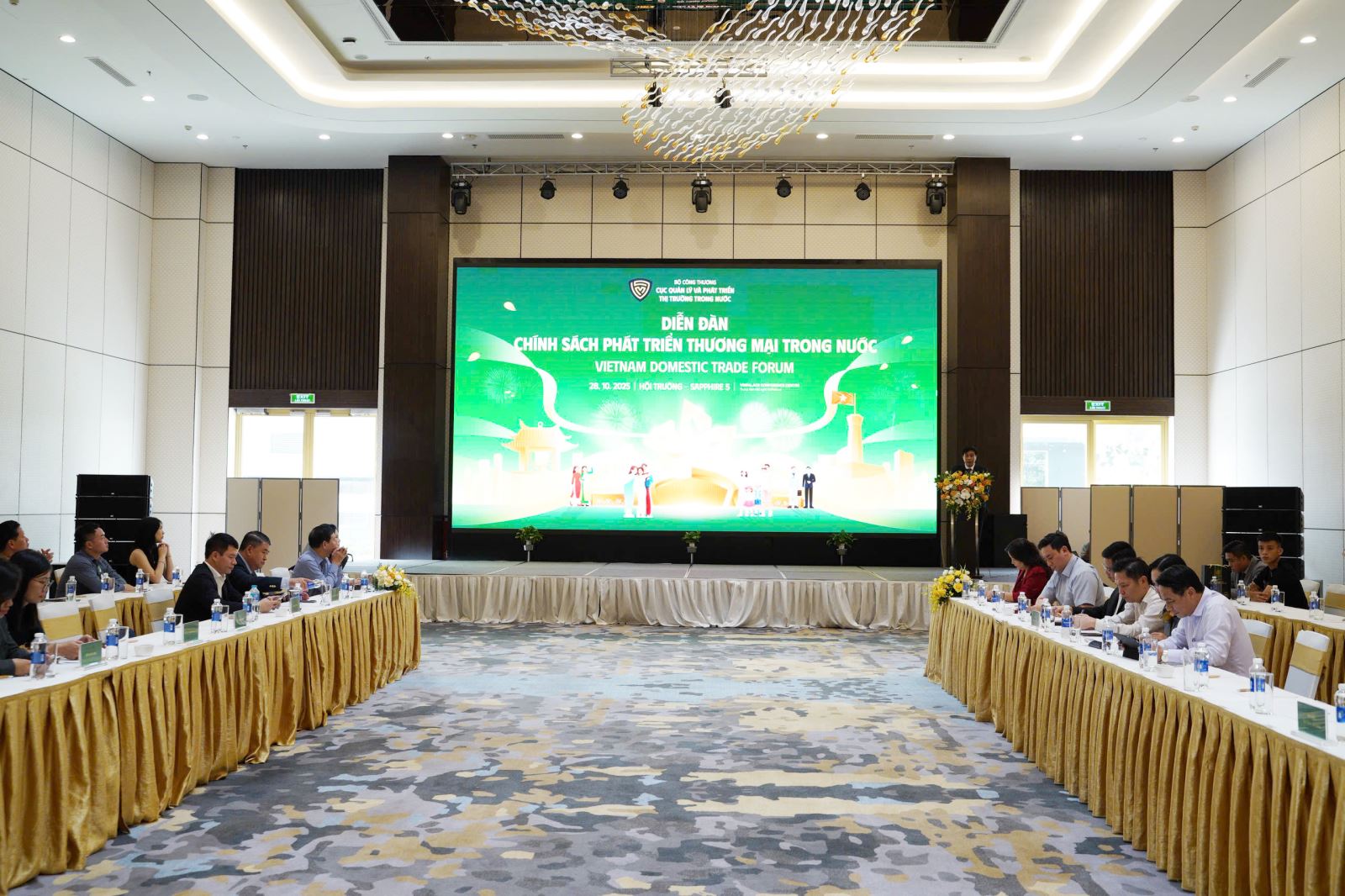
Furthermore, Mr. Tuan suggested that it is necessary to improve mechanisms and policies, and enhance the business environment in line with international commitments. He emphasized the need to review and refine policies on retail market management, including researching and amending regulations on state management in the retail sector to meet the management requirements of the current rapidly evolving and constantly changing retail market, especially regulations and conditions related to participation in the retail market, and standards and norms for commercial infrastructure, including retail infrastructure. The revision of standards and norms must ensure continuity, diversity, and modernity, while the national standards and norms system must be aligned with international standards and comply with international commitments.
Continue to improve the legal framework for managing e-commerce activities. Strengthen online control of e-commerce information and transactions; enhance mechanisms for managing and supervising payment transactions for cross-border e-commerce activities…
“The policy orientation for developing domestic trade in the new era of development is not solely the responsibility of the Department of Domestic Market Management and Development or the Ministry of Industry and Trade, but a shared journey requiring joint efforts and solidarity from the central to local levels, from state management agencies to the business community, industry associations, and the entire population. We believe that with continuous efforts, innovation, and close cooperation, Vietnam's domestic market will increasingly develop strongly, modernly, and sustainably, making a worthy contribution to the socio-economic development of the country,” Mr. Tuan confidently stated.
Representing businesses, Ms. Tran Thi Phuong Lan, Vice President of the Vietnam Retailers Association, stated that in recent years, modern commercial infrastructure has developed strongly nationwide. Currently, there are approximately 1,270 supermarkets, 270 shopping malls, nearly 250,000 convenience stores (WinCommerce, Coopmart, etc.), and 7,525 retail outlets of FDI enterprises (MM Mega Market of MM Mega Market Vietnam Co., Ltd.; Aeon of Aeon Vietnam Co., Ltd.; Lotte Mart of Lotte Shopping Center Vietnam Co., Ltd.; Go Market, Tops Market belonging to Central Group Vietnam (General Household Goods Trading Co., Ltd., etc.), not to mention e-commerce platforms and retail chains. The proportion of retail sales in modern distribution channels accounts for over 40%, while traditional channels account for nearly 60%. The proportion of retail sales in modern distribution channels is gradually increasing in recent years. This confirms the importance of supporting and guiding Vietnamese products to gain market share. The rise of retail channels is now an inevitable trend that benefits society as a whole.
"According to economic experts, the Vietnamese retail market is still in a development phase and is experiencing a breakthrough after the pandemic. Between 2025 and 2030, the market is expected to achieve stronger growth, making it competitive with leading countries in the region," Ms. Phuong Lan stated.
However, Ms. Lan stated that despite the bright spots in the market, the reality is far from easy for businesses, which are facing numerous challenges. Therefore, the Vietnamese retail market needs to innovate for 2026 and beyond. Businesses need comprehensive digital transformation from physical stores to platforms; developing commercial infrastructure, upgrading logistics to high speeds, and improving access to remote areas; implementing physical store models and optimizing space; supporting SMEs and domestic products on digital platforms; seamless, secure, and multi-channel payment and fintech; applying AI and data analytics from demand to supply chain; digitizing inventory management and standardizing product data…
Ms. Lan suggested the need to improve policies, enhance the investment and business environment, reform administrative procedures, and improve the effectiveness of law enforcement regarding domestic trade development, ensuring fair competition and sustainable development. She also proposed specific policies for businesses developing commercial infrastructure in remote, mountainous, and island areas.
Along with that, develop the retail infrastructure system; attract FDI investment to develop a modern retail distribution system, especially information technology infrastructure for e-commerce activities; encourage investment in the development of logistics, transportation and storage services, and payment services. Enhance the competitiveness of Vietnamese retail businesses; diversify economic entities and types of businesses participating in the development of the retail market through policies supporting finance, human resource development, etc.
From a local perspective, Mr. Bui The Hiep, Deputy Director of the Hanoi Department of Industry and Trade, stated that Hanoi has a commercial infrastructure system that fully serves the shopping and consumption needs of essential products and specialties of the people, ensuring there are no shortages under any circumstances. At the same time, Hanoi always prioritizes allocating resources and removing obstacles to the development of a widespread commercial infrastructure network throughout the capital city.
In addition, development programs to promote trade and stimulate consumer demand in Hanoi have been continuously implemented over the past period, with diverse content and forms suitable for businesses and organizations, such as: the "Vietnamese Goods Loved by Consumers" Fair; the Regional Specialty Fair; the Fruit and Agricultural Products Week; the Promotional Days in various months; the "Hanoi Sleepless Night" event, etc. These have contributed to promoting the brands and products of Hanoi and other provinces and cities; helping Hanoi's large distribution systems meet, research consumer needs, and directly connect with sources of quality goods at suitable prices to serve consumer needs. These activities have been highly appreciated by businesses and consumers, who hope that Hanoi will regularly implement such activities in the capital city.
To continue effectively implementing and innovating assigned tasks related to trade development programs and stimulating consumer demand in Hanoi, the Department of Industry and Trade will continue to advise on the development and effective implementation of program contents and plans according to the City People's Committee's work program on stimulating consumer demand, increasing total retail sales; ensuring supply-demand balance and linkages; food safety; developing e-commerce and logistics services… aiming to contribute to promoting, connecting, and circulating quality and safe goods in the capital city in 2025 and subsequent years.
Simultaneously, effectively implement solutions to link production with distribution, strengthen linkages in the commodity value chain, and ensure compliance with regulations on food quality and safety. Continue to implement activities connecting supply and demand to promote the consumption of domestically produced goods in traditional and modern distribution channels.
“Hanoi will strengthen and promote trade promotion activities between Hanoi and provinces and cities nationwide. It will encourage e-commerce platforms in Hanoi to implement programs to promote the consumption of domestically produced products and goods; and organize activities to promote regional linkages in e-commerce…”, Mr. Hiep said.
Source: https://baotintuc.vn/kinh-te/thuc-day-chinh-sach-phat-trien-thuong-mai-trong-nuoc-20251028150204843.htm
![[Photo] General Secretary and President To Lam presides over a meeting with the Central Organizing Committee.](https://vphoto.vietnam.vn/thumb/1200x675/vietnam/resource/IMAGE/2026/06/03/1780482764658_a1-bnd-4741-3342-jpg.webp)
![[Photo] Secretary of the National Assembly Party Committee, Chairman of the National Assembly presides over the meeting of the Standing Committee and Executive Committee of the National Assembly Party Committee.](https://vphoto.vietnam.vn/thumb/1200x675/vietnam/resource/IMAGE/2026/06/03/1780480353201_ndo_br_bnd-2585-jpg.webp)


![[Photo] First session of the 14th Congress of the Vietnam Trade Union](https://vphoto.vietnam.vn/thumb/1200x675/vietnam/resource/IMAGE/2026/06/03/1780465947883_ndo_br_img-3852-jpg.webp)













































![[Video] Sunset at Lap An Lagoon – Where the sun sets over the fishing nets](https://vphoto.vietnam.vn/thumb/1200x675/vietnam/resource/IMAGE/2026/05/31/1780192137701_beach-landscape-sea-water-nature-grass-745871-pxhere-com.jpeg)



























Comment (0)