
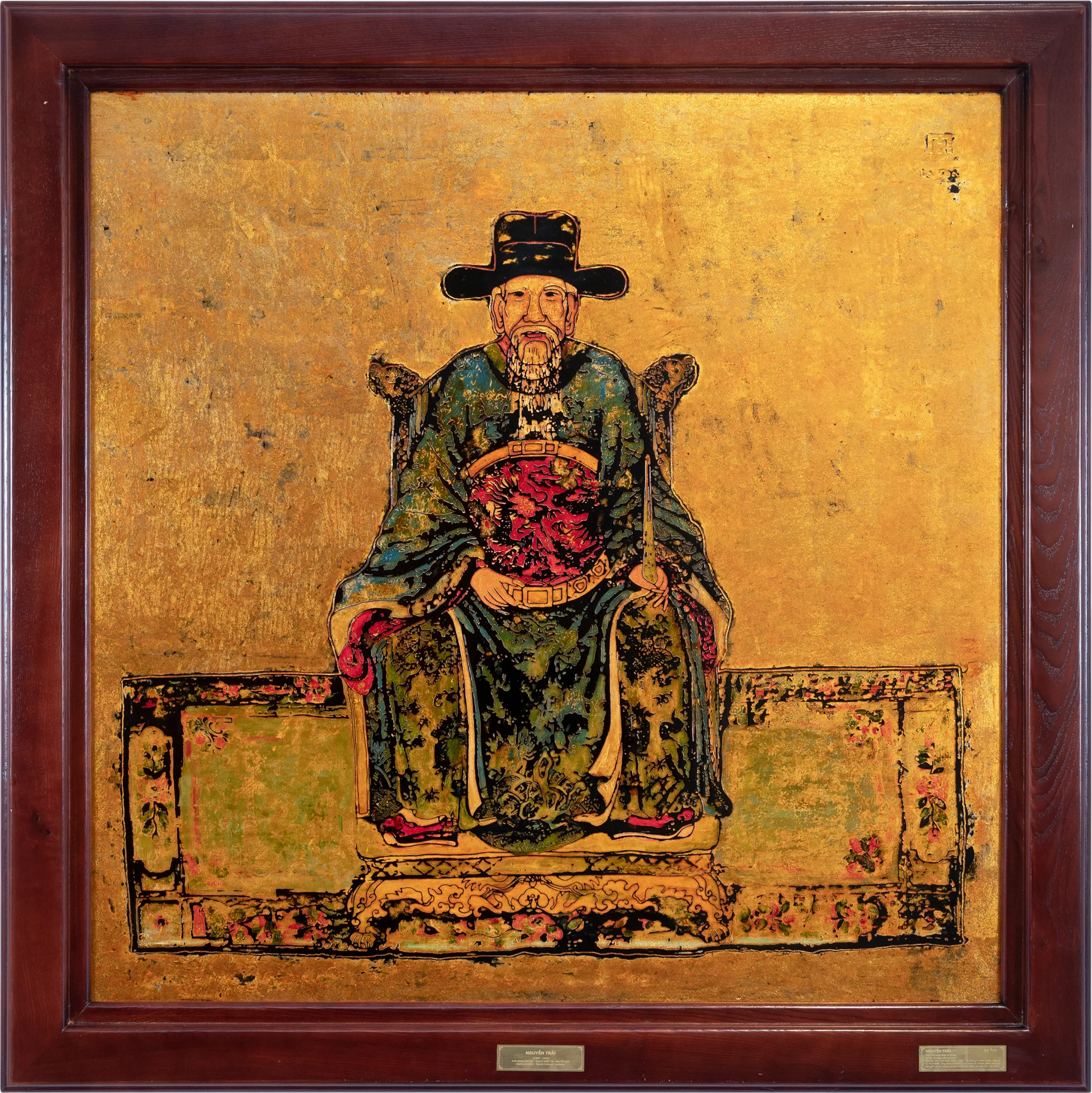
 INFORMATION ABOUT THE PAINTING BY NGUYEN TRAI Material: Engraved lacquer – Size: 125 x 125 cm Adapted from a painting by Nguyen Trai – Hanoi Museum Nguyen Trai (Canh Than 1380 - Nhâm Tuất 1442) Nguyen Trai, a great cultural figure of the 15th century, also known as Uc Trai, came from Chi Ngai village, Chi Linh district, later settling in Nhi Khe village, Thuong Tin district, Ha Dong, now part of Ha Tay province. He came from a scholarly family; his father, Nguyen Phi Khanh, passed the Thai Hoc Sinh (Doctorate) examination at the age of 19, and his mother was the daughter of Grand Minister Tran Nguyen Dan - a member of the Tran Dynasty. In 1400, Nguyen Trai passed the Thai Hoc Sinh examination at the age of 20. He was appointed Chief Censor of the Imperial Censorate under the Ho Dynasty. When the Ming army invaded Vietnam, his father was captured and taken to Kim Lang, and he followed him to Nam Quan. His father advised him to return to avenge the country, and he obeyed. He was captured by the Ming army and placed under house arrest south of Dong Quan citadel. In 1418, he and Tran Nguyen Han escaped to Lam Son and joined the uprising led by Le Loi. Throughout the 10 years of resistance against the Ming army, he was entrusted with important responsibilities by Le Loi, demonstrating his abilities as a diplomat, politician, military strategist, and cultural figure, contributing to the success of the resistance. He was ranked among the Grand Officers, overseeing political affairs and matters in the Privy Council. In 1428, when Le Loi ascended the throne, he was bestowed the titles of: Founding National Hero, Internal Affairs Minister, Imperial Censor, Minister of the Six Ministries, Grand Protector of the Four Golden Fish, and granted the title of Quang Phuc Marquis, adopting the royal surname and becoming Le Trai. When Le Thai To died, he was forced to resign from his position and live in seclusion in Con Son, Hai Duong province, due to the jealousy and slander of treacherous officials. In 1434, Emperor Lê Thái Tông summoned him again, appointing him to oversee cultural and political affairs. He accepted this position out of loyalty to the country. In 1442, Emperor Lê Thái Tông reviewed troops in Hải Dương and stopped at Nguyễn Trãi's Lychee Garden (Lệ Chi Viên). He then suddenly fell ill and died there. The treacherous officials exploited this incident to falsely accuse him of ordering the concubine Nguyễn Thị Lộ to assassinate the emperor. He was imprisoned and executed in September 1442 along with his entire family (extermination of three generations), at the age of 62. It was not until the reign of Emperor Lê Thánh Tông that his innocence was proven. The emperor issued a decree posthumously bestowing upon him the title of Tế Văn Hầu, and his surviving descendants were all highly regarded. Nguyễn Trãi was a great patriot, a brilliant cultural figure, and a world-renowned cultural icon. He left behind a vast body of work, both poetry and prose, in both Chinese and Vietnamese scripts, including famous works such as: Bình Ngô Đại Cáo (Proclamation of Victory over the Wu), Quân Trung Từ Mệnh Tập (Collection of Military Orders), Quốc Âm Thi Tập (Collection of National Language Poems), Ức Trai Di Tập (Collection of Ức Trai's Legacy), Dư Địa Chí (Geographical Gazetteer), Ngọc Đường Di Cảo (Ngọc Đường's Legacy), and Gia Huấn Ca (Family Teachings). Not only the Lê Thánh Tông dynasty, but many subsequent dynasties admired his talent and virtue, sharing his grievances and unwavering loyalty to the country, and erected temples in his honor in many places. Nguyễn Trãi was a rare multifaceted genius. Although written in Chinese, Đại Cáo Bình Ngô deserves to be considered a timeless masterpiece. Quốc Âm Thi Tập is the earliest and most valuable collection of Vietnamese (Vietnamese script) poems that still survives today. Nguyễn Trãi contributed significantly to building a solid foundation for national literature. Nguyễn Trãi – a great national hero, the most versatile figure in Vietnamese history. Nguyen Trai was a politician, a military strategist, a diplomat, a writer, and a poet of exceptional and great stature. In 1980, Nguyen Trai was recognized as a World Cultural Figure by the United Nations Educational, Scientific and Cultural Organization (UNESCO), and the 600th anniversary of his birth was celebrated.
Paintings by Nguyen Trai
 Việt Nam•22/11/2023 INFORMATION ABOUT THE PAINTING BY NGUYEN TRAI Material: Engraved lacquer – Size: 125 x 125 cm Adapted from a painting by Nguyen Trai – Hanoi Museum Nguyen Trai (Canh Than 1380 - Nhâm Tuất 1442) Nguyen Trai, a great cultural figure of the 15th century, also known as Uc Trai, came from Chi Ngai village, Chi Linh district, later settling in Nhi Khe village, Thuong Tin district, Ha Dong, now part of Ha Tay province. He came from a scholarly family; his father, Nguyen Phi Khanh, passed the Thai Hoc Sinh (Doctorate) examination at the age of 19, and his mother was the daughter of Grand Minister Tran Nguyen Dan - a member of the Tran Dynasty. In 1400, Nguyen Trai passed the Thai Hoc Sinh examination at the age of 20. He was appointed Chief Censor of the Imperial Censorate under the Ho Dynasty. When the Ming army invaded Vietnam, his father was captured and taken to Kim Lang, and he followed him to Nam Quan. His father advised him to return to avenge the country, and he obeyed. He was captured by the Ming army and placed under house arrest south of Dong Quan citadel. In 1418, he and Tran Nguyen Han escaped to Lam Son and joined the uprising led by Le Loi. Throughout the 10 years of resistance against the Ming army, he was entrusted with important responsibilities by Le Loi, demonstrating his abilities as a diplomat, politician, military strategist, and cultural figure, contributing to the success of the resistance. He was ranked among the Grand Officers, overseeing political affairs and matters in the Privy Council. In 1428, when Le Loi ascended the throne, he was bestowed the titles of: Founding National Hero, Internal Affairs Minister, Imperial Censor, Minister of the Six Ministries, Grand Protector of the Four Golden Fish, and granted the title of Quang Phuc Marquis, adopting the royal surname and becoming Le Trai. When Le Thai To died, he was forced to resign from his position and live in seclusion in Con Son, Hai Duong province, due to the jealousy and slander of treacherous officials. In 1434, Emperor Lê Thái Tông summoned him again, appointing him to oversee cultural and political affairs. He accepted this position out of loyalty to the country. In 1442, Emperor Lê Thái Tông reviewed troops in Hải Dương and stopped at Nguyễn Trãi's Lychee Garden (Lệ Chi Viên). He then suddenly fell ill and died there. The treacherous officials exploited this incident to falsely accuse him of ordering the concubine Nguyễn Thị Lộ to assassinate the emperor. He was imprisoned and executed in September 1442 along with his entire family (extermination of three generations), at the age of 62. It was not until the reign of Emperor Lê Thánh Tông that his innocence was proven. The emperor issued a decree posthumously bestowing upon him the title of Tế Văn Hầu, and his surviving descendants were all highly regarded. Nguyễn Trãi was a great patriot, a brilliant cultural figure, and a world-renowned cultural icon. He left behind a vast body of work, both poetry and prose, in both Chinese and Vietnamese scripts, including famous works such as: Bình Ngô Đại Cáo (Proclamation of Victory over the Wu), Quân Trung Từ Mệnh Tập (Collection of Military Orders), Quốc Âm Thi Tập (Collection of National Language Poems), Ức Trai Di Tập (Collection of Ức Trai's Legacy), Dư Địa Chí (Geographical Gazetteer), Ngọc Đường Di Cảo (Ngọc Đường's Legacy), and Gia Huấn Ca (Family Teachings). Not only the Lê Thánh Tông dynasty, but many subsequent dynasties admired his talent and virtue, sharing his grievances and unwavering loyalty to the country, and erected temples in his honor in many places. Nguyễn Trãi was a rare multifaceted genius. Although written in Chinese, Đại Cáo Bình Ngô deserves to be considered a timeless masterpiece. Quốc Âm Thi Tập is the earliest and most valuable collection of Vietnamese (Vietnamese script) poems that still survives today. Nguyễn Trãi contributed significantly to building a solid foundation for national literature. Nguyễn Trãi – a great national hero, the most versatile figure in Vietnamese history. Nguyen Trai was a politician, a military strategist, a diplomat, a writer, and a poet of exceptional and great stature. In 1980, Nguyen Trai was recognized as a World Cultural Figure by the United Nations Educational, Scientific and Cultural Organization (UNESCO), and the 600th anniversary of his birth was celebrated.
![[Photo] Two flights successfully landed and took off at Long Thanh Airport.](/_next/image?url=https%3A%2F%2Fvphoto.vietnam.vn%2Fthumb%2F1200x675%2Fvietnam%2Fresource%2FIMAGE%2F2025%2F12%2F15%2F1765808718882_ndo_br_img-8897-resize-5807-jpg.webp&w=3840&q=75)


Same tag

Painting of the Lady
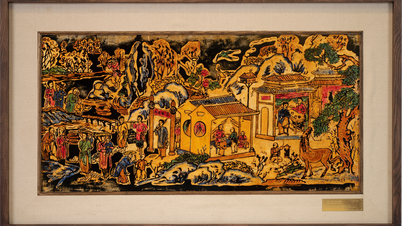
Phu Painting in the Forest
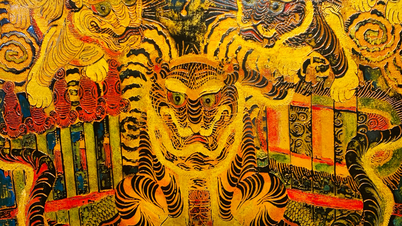
Five Tigers Painting

Kim Van Kieu Painting
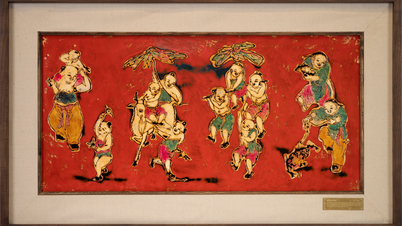
Children's rhyme paintings
Same category
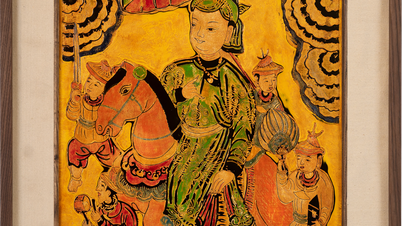
Painting of Mr. Hoang Bay
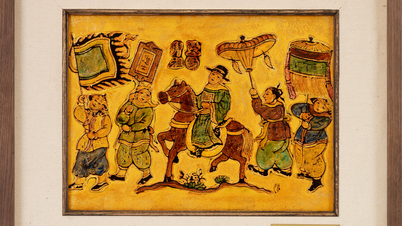
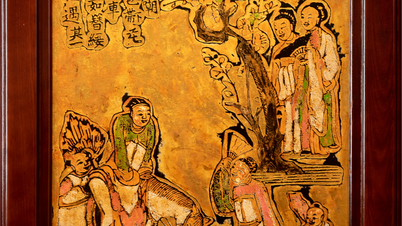
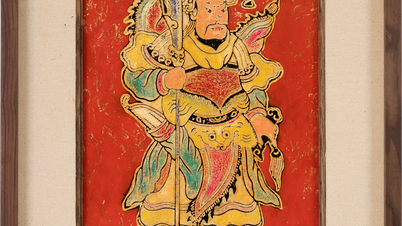
Painting by Thien At - Vu Dinh
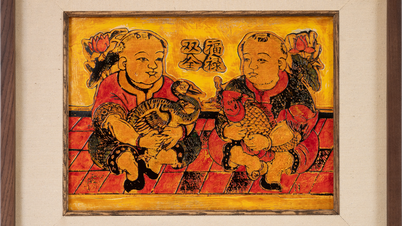

Painting of Phu Dong Thien Vuong

A close-up view of the workshop making the LED star for Notre Dame Cathedral.

The 8-meter-tall Christmas star illuminating Notre Dame Cathedral in Ho Chi Minh City is particularly striking.

Huynh Nhu makes history at the SEA Games: A record that will be very difficult to break.

The stunning church on Highway 51 lit up for Christmas, attracting the attention of everyone passing by.
Same author





























Farmers in Sa Dec flower village are busy tending to their flowers in preparation for the Festival and Tet (Lunar New Year) 2026.































Comment (0)