

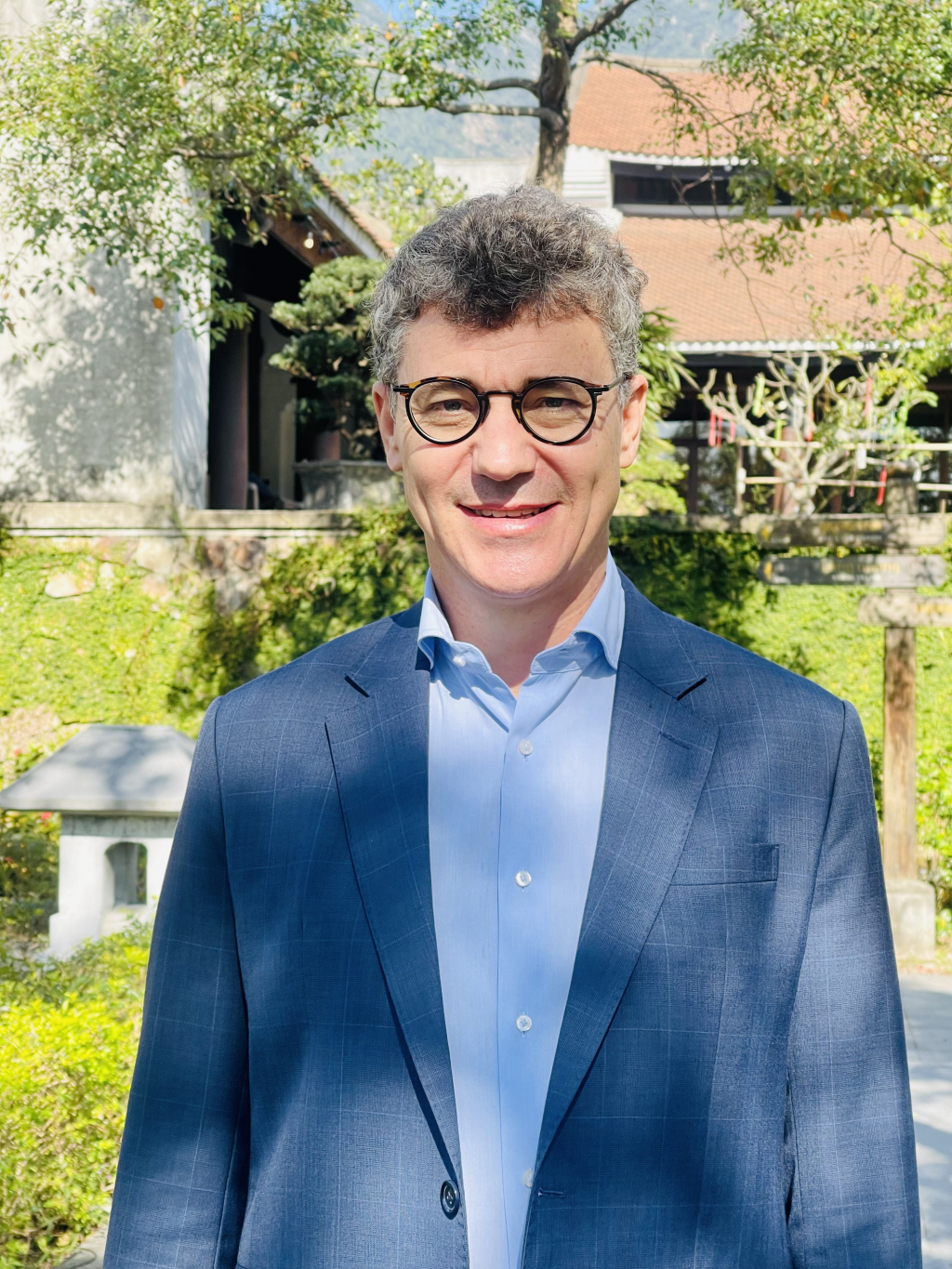
Mr. Jonathan Baker, Head of the UNESCO Office in Vietnam.
- Hello Mr. Jonathan Baker! How do you assess the contributions and close cooperation of Quang Ninh province with UNESCO in recent times, especially in the nomination of the Yen Tu - Vinh Nghiem - Con Son - Kiet Bac Complex of Monuments and Scenic Spots for inclusion in the World Heritage list?
I think the role of the Ha Long Bay - Yen Tu World Heritage Management Board and of Quang Ninh province is truly crucial. This was clearly demonstrated throughout the process of building the nomination dossier for the Yen Tu - Vinh Nghiem - Con Son - Kiet Bac Heritage Complex to become a World Heritage Site. Quang Ninh province did an excellent job coordinating the entire nomination process, bringing together all relevant parties, heritage-owning localities, experts, the Vietnam Cultural Heritage Council, etc.
The journey to Yên Tử's recognition was a long process, taking many years and requiring significant efforts from the Vietnamese government and the localities possessing the heritage site, with Quảng Ninh province playing a key role. We are truly delighted to have been able to support Quảng Ninh throughout the nomination process for this important heritage site. After much effort and determination, we have successfully included Yên Tử - Vĩnh Nghiêm - Côn Sơn, Kiếp Bạc as part of the World Heritage Network. And we are always ready to continue working with Quảng Ninh and the Hạ Long Bay - Yên Tử World Heritage Management Board to ensure that this heritage site is preserved and its value is promoted sustainably.
- What is your assessment of the efforts of the Ha Long Bay - Yen Tu World Heritage Management Board and Quang Ninh province in protecting and managing world heritage sites?
+ Ha Long Bay is one of the world's most famous natural heritage sites, and maintaining its value over the past 30 years has been a great responsibility that Quang Ninh has taken very seriously to preserve and promote the site's value as it is today. Entering a new phase, with the additional management of the Yen Tu World Cultural Heritage site, the management tasks will be significantly different, as it includes both natural and cultural heritage, each requiring different management approaches. Therefore, I think certain planning and adjustments will be necessary. UNESCO is always ready to cooperate with Quang Ninh in managing these two heritage sites. The UNESCO Hanoi Office and the UNESCO Secretariat are also here to provide support. We believe that, with the experience gained from managing Ha Long Bay, Quang Ninh will continue to manage Yen Tu well and sustainably preserve both World Heritage sites.
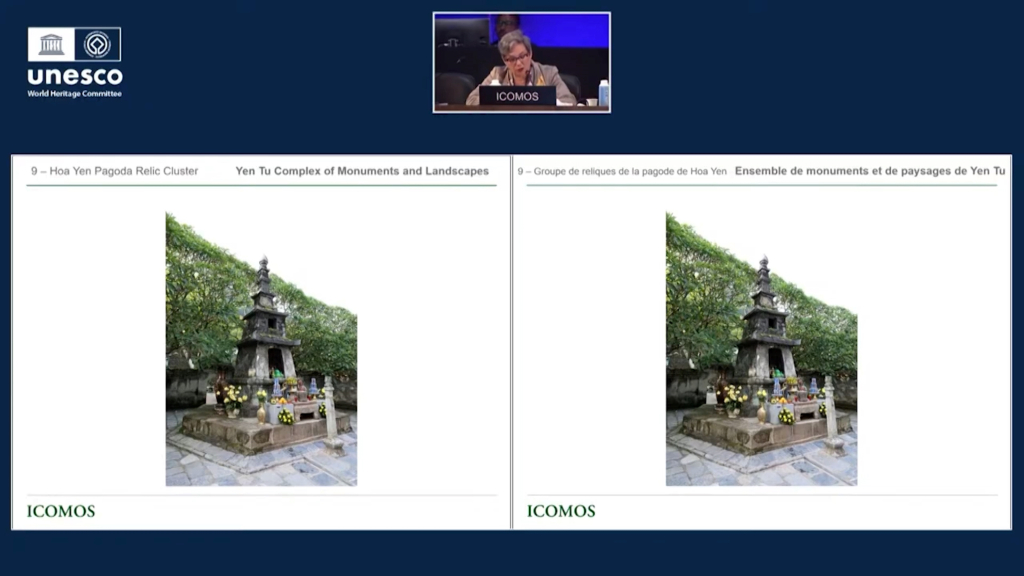
The "Yen Tu - Vinh Nghiem - Con Son, Kiet Bac" heritage complex was honored at the 47th session of the World Heritage Committee, held on July 12, 2025, in Paris, France.
- As the Head of the UNESCO Office in Vietnam, what important messages would you like to convey to Quang Ninh province and the Management Board of the Ha Long Bay - Yen Tu World Heritage Site regarding heritage protection for sustainable development and local socio-economic growth?
We look forward to continuing our close cooperation with Quang Ninh province and the Ha Long Bay - Yen Tu World Heritage Management Board to ensure that both heritage sites are managed harmoniously, serving the community, contributing to local economic development, and bringing pride to the local people. The biggest challenge is always balancing conservation and economic development. This was a problem in Ha Long Bay and will certainly be a challenge in Yen Tu as well. However, we will work with you to find the most sustainable solution. Heritage sites belong not only to your country but also to humanity, with their incredible beauty. Therefore, you have every right to be proud that Quang Ninh possesses both of these World Heritage sites simultaneously.
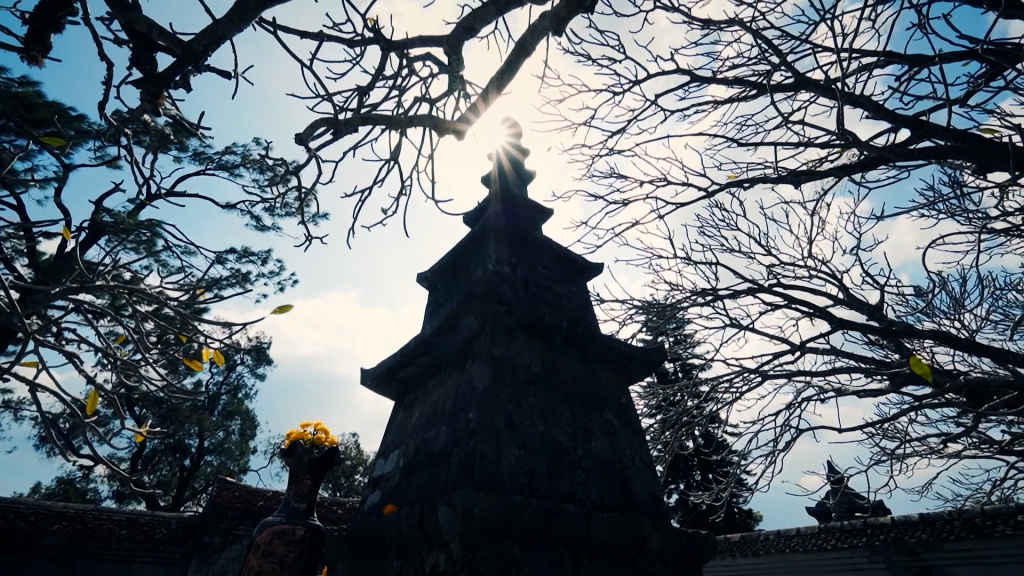
The Ancestral Tower, with its serene and ancient beauty, is a cultural and spiritual symbol with a profound historical depth.
- You've been to Ha Long Bay and now Yen Tu; what are your impressions of these two World Heritage sites?
I find both of these heritage sites to be truly breathtakingly beautiful. They possess outstanding global value according to UNESCO's assessment of world heritage sites. Ha Long Bay is a rare and unique natural masterpiece, unlike any other in the world. Yen Tu, on the other hand, is a cultural and spiritual symbol with exceptional historical depth. Each time I visit these places, I have exciting and novel experiences: the spectacular limestone islands in the middle of the sea, or the sacred atmosphere when standing on the summit of Yen Tu mountain and feeling the long-standing Buddhist tradition there. This shows the immense scale and significance of these two heritage sites for Vietnam and for all of humanity. I can see how important Yen Tu is to the Vietnamese people and the reverence they show, which makes me feel truly honored to have set foot here; each visit brings new and impressive experiences.
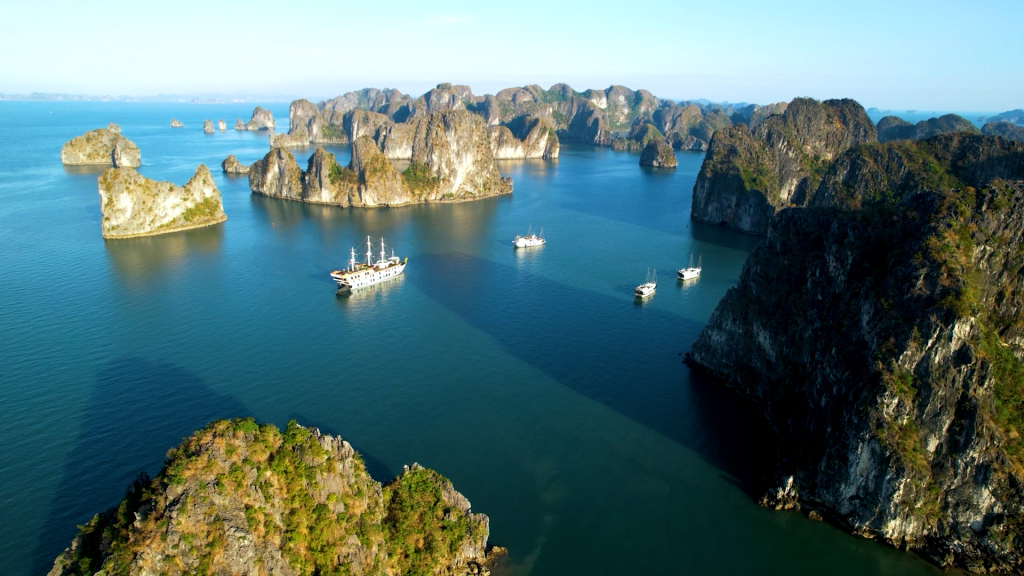

Quang Ninh province has the honor of co-managing two inter-provincial World Heritage sites: Ha Long Bay - Cat Ba Archipelago and Yen Tu - Vinh Nghiem - Con Son, Kiet Bac.
- Coincidentally, both Ha Long Bay - Cat Ba Archipelago and Yen Tu - Vinh Nghiem - Con Son - Kiet Bac are inter-provincial heritage sites, spanning multiple localities in Vietnam. In your opinion, what needs to be done to strengthen inter-provincial coordination in managing these world heritage sites?
+ The fact that a heritage complex is under the management of multiple provinces always presents both opportunities and challenges. A clear and effective coordination mechanism between localities is needed to ensure uniformity in management and conservation. This is especially important for the Yen Tu - Vinh Nghiem - Con Son, Kiet Bac heritage complex, which spans three provinces: Quang Ninh, Hai Phong, and Bac Ninh.
Quang Ninh province has taken several important steps to effectively manage its heritage, including conducting a carrying capacity assessment of Ha Long Bay in 2021. I think the same should be done with Yen Tu. Of course, the fact that the heritage spans three provinces makes management and carrying capacity assessment a bit more challenging. A coordination mechanism between the three provinces and cities is needed to ensure the best possible management of the heritage. On the other hand, inter-provincial heritage also brings richness and diversity to the cultural landscape value chain. Therefore, I think it would also be an opportunity if the three localities cooperate well in heritage management. There will certainly be differences between managing natural heritage and cultural heritage, and it will take time to learn. UNESCO is ready to support Quang Ninh and the relevant localities in sharing experiences, building coordination models, and applying best practices from heritage sites in Vietnam and around the world.

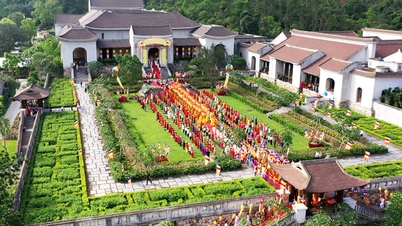
Bo Da Pagoda (Bac Ninh province), with its garden of over 100 pagodas, is located within the "Yen Tu - Vinh Nghiem - Con Son, Kiet Bac" World Heritage complex.
- Can you suggest ways for Quang Ninh to connect these two World Heritage sites to create unique cultural and tourism experiences?
Possessing both a natural and a cultural heritage site simultaneously is a rare opportunity for a locality. With this advantage, Quang Ninh has the potential to develop tourism itineraries that combine boat tours of Ha Long Bay, enjoying the magnificent natural scenery, followed by a trip to Yen Tu to explore its history, culture, and unique spiritual journey. Tourists can also spend several days exploring the diverse experiences at these destinations. I think it would be wonderful for tourists visiting Vietnam to be able to experience this combination of nature and culture. UNESCO hopes to collaborate with Quang Ninh to develop sustainable and attractive tourism routes that honor the value of both heritage sites.
Thank you for the interview!
Source: https://baoquangninh.vn/unesco-san-sang-dong-hanh-cung-quang-ninh-trong-quan-ly-2-di-san-the-gioi-3388470.html
![[Photo] Prime Minister Pham Minh Chinh receives Lao Minister of Education and Sports Thongsalith Mangnormek](/_next/image?url=https%3A%2F%2Fvphoto.vietnam.vn%2Fthumb%2F1200x675%2Fvietnam%2Fresource%2FIMAGE%2F2025%2F12%2F16%2F1765876834721_dsc-7519-jpg.webp&w=3840&q=75)
![[Photo] Prime Minister Pham Minh Chinh receives the Governor of Tochigi Province (Japan)](/_next/image?url=https%3A%2F%2Fvphoto.vietnam.vn%2Fthumb%2F1200x675%2Fvietnam%2Fresource%2FIMAGE%2F2025%2F12%2F16%2F1765892133176_dsc-8082-6425-jpg.webp&w=3840&q=75)
![[Live] 2025 Community Action Awards Gala](/_next/image?url=https%3A%2F%2Fvphoto.vietnam.vn%2Fthumb%2F1200x675%2Fvietnam%2Fresource%2FIMAGE%2F2025%2F12%2F16%2F1765899631650_ndo_tr_z7334013144784-9f9fe10a6d63584c85aff40f2957c250-jpg.webp&w=3840&q=75)

![[Image] Leaked images ahead of the 2025 Community Action Awards gala.](/_next/image?url=https%3A%2F%2Fvphoto.vietnam.vn%2Fthumb%2F1200x675%2Fvietnam%2Fresource%2FIMAGE%2F2025%2F12%2F16%2F1765882828720_ndo_br_thiet-ke-chua-co-ten-45-png.webp&w=3840&q=75)


























































Comment (0)