

Critically ill due to self-medication.
Bach Mai Hospital provides information about a dangerous case of anaphylaxis (formerly known as anaphylactic shock) in children.
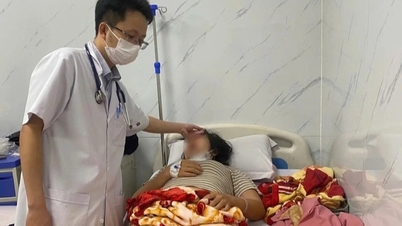
The patient, a young boy named LAH (born in 2017), was transferred to Bach Mai Hospital from a private hospital with symptoms including high fever, infectious rash, generalized itching, fatigue, epigastric pain, shortness of breath, rapid heart rate, and abdominal distension.
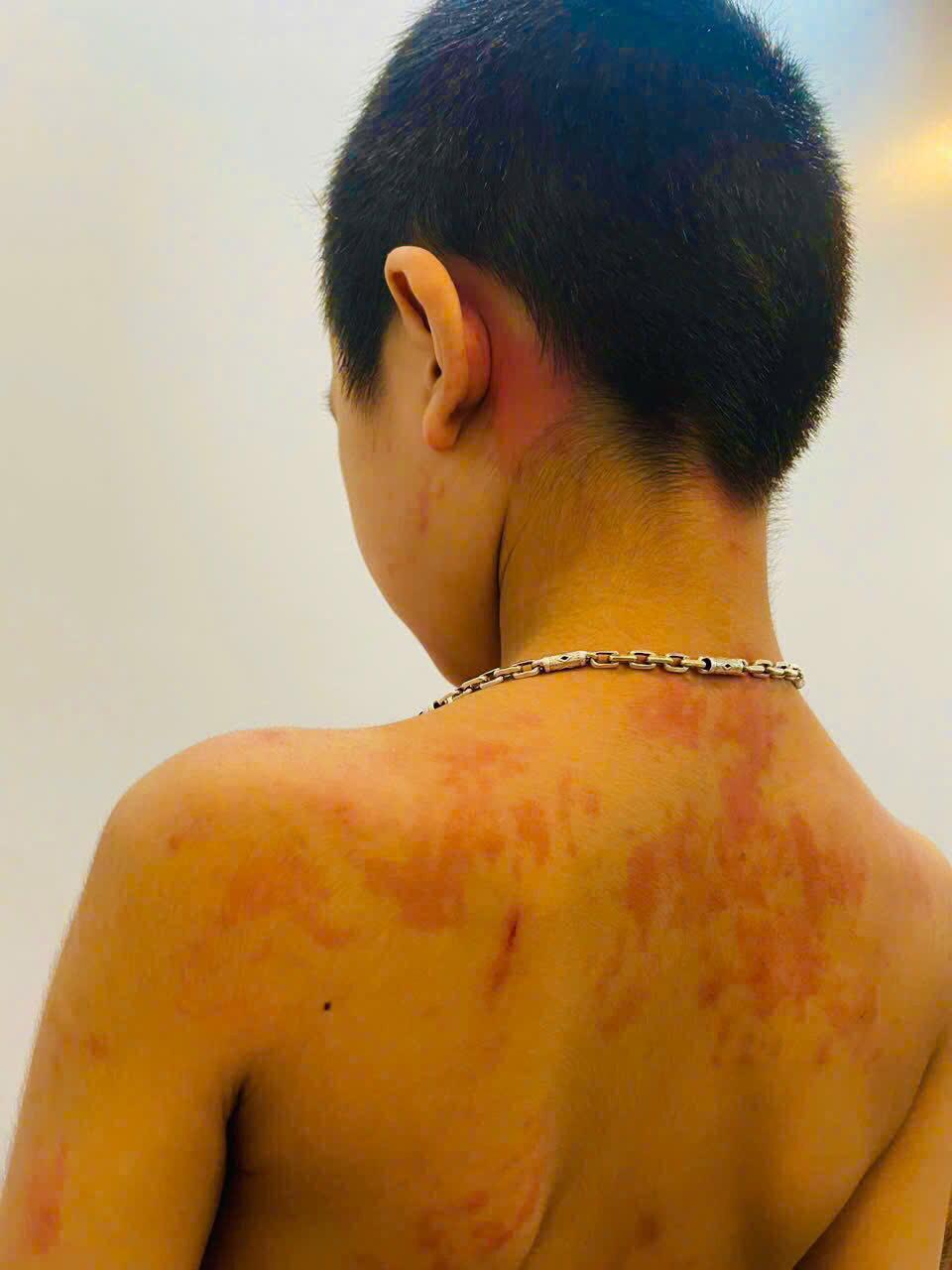
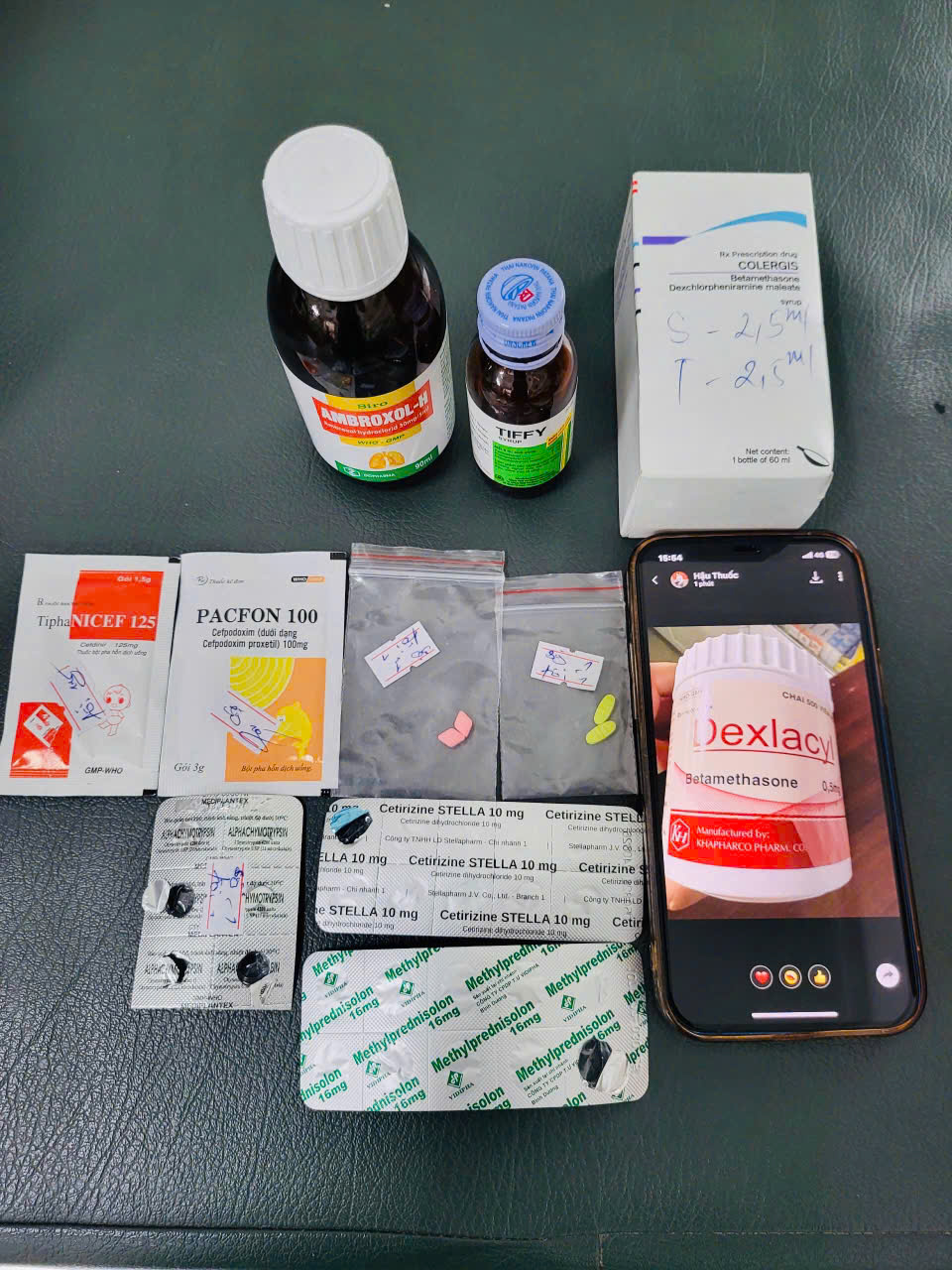
The family shared that five days before hospitalization, the child had a dry cough but no fever. The family had self-medicated with antibiotics, cough medicine, and anti-inflammatory drugs. In total, they bought more than 10 different types of medication for the child to take without consulting a doctor.
After taking the medication for one day, the child developed abdominal pain, a fever of nearly 38 degrees Celsius, itching, and a rash all over the body. The family continued to give the child more allergy medication, but there was no improvement. The child developed more red bumps and itching, and experienced severe abdominal pain.
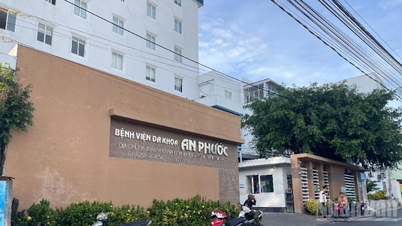
The family took him to a nearby hospital for treatment, but his condition did not improve, so he was transferred to Bach Mai Hospital.
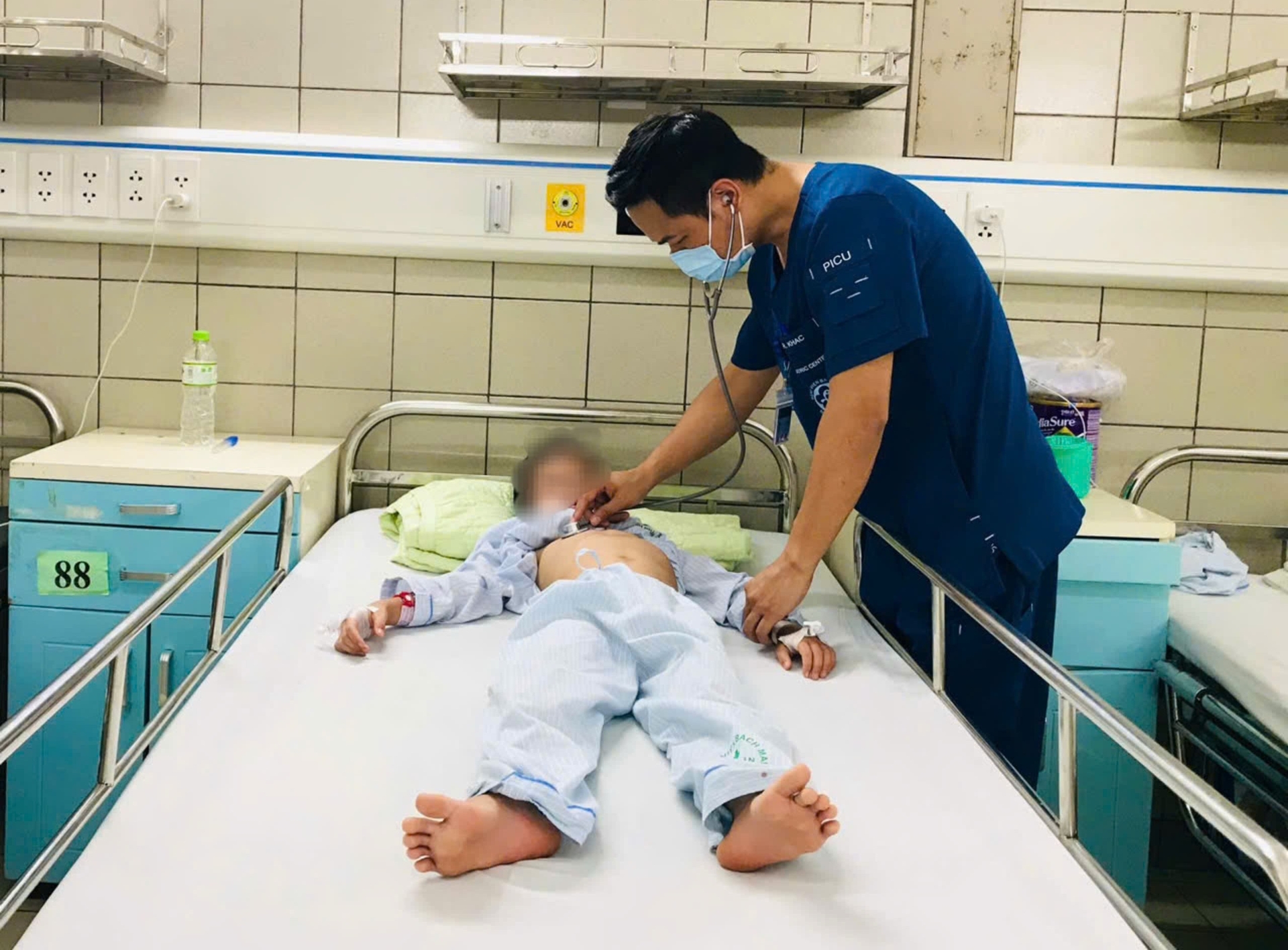
At the Pediatric Center of Bach Mai Hospital, after clinical examination and ordering several tests such as blood biochemistry, blood gas analysis, and basic coagulation tests, the doctors diagnosed the child with grade 2 anaphylaxis, suspected to be due to a drug allergy.
These included several types of antibiotics, expectorants, anti-inflammatory drugs, anti-allergy medications, and some unlabeled pills.
After more than a week of treatment, the child is now out of critical condition and showing positive signs of recovery.
Preventing anaphylaxis in children
According to doctors at the Pediatric Center of Bach Mai Hospital, anaphylaxis in children is an immediate hypersensitivity reaction of the body to the entry of allergens (medicines, foods, etc.). This is a medical emergency that requires rapid diagnosis, emergency treatment, and prompt intervention to protect the child's life.
There are many risk factors for anaphylactic shock, ranging from medications, chemicals, and vaccines to supplements and food, with anaphylactic shock primarily caused by medications.
Doctors advise parents, teachers, caregivers, schools, and families to properly manage the sources of food, medicine, and chemicals for children.
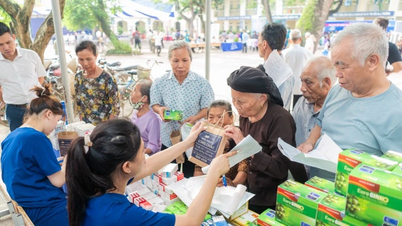
Never buy medicine for your children without a prescription from a specialist doctor at a medical facility, keep them away from chemicals, prevent them from playing in environments with insects, and strictly manage their food and drink intake.
If you notice any unusual symptoms in your child, you should immediately take them to the nearest medical facility for examination.
Source: https://giadinhonline.vn/be-trai-nguy-kich-sau-khi-tu-uong-11-loai-thuoc-de-chua-ho-d202041.html



![[Image] Vietnam's colorful journey of innovation](/_next/image?url=https%3A%2F%2Fvphoto.vietnam.vn%2Fthumb%2F1200x675%2Fvietnam%2Fresource%2FIMAGE%2F2025%2F12%2F14%2F1765703036409_image-1.jpeg&w=3840&q=75)


















































![[Image] Vietnam's colorful journey of innovation](https://vphoto.vietnam.vn/thumb/402x226/vietnam/resource/IMAGE/2025/12/14/1765703036409_image-1.jpeg)
















![[Infographic] Portrait of the Standing Committee of the Dong Nai Provincial Farmers' Association for the 2025-2030 term](https://vphoto.vietnam.vn/thumb/402x226/vietnam/resource/IMAGE/2025/12/14/1765708210139_thumbnail_ban_thuong_vu_sua_20251214164836.jpeg)










Comment (0)