'Space gum' material helps unravel the origins of life.
Samples from Bennu reveal a soft, gum-like material from ancient times, possibly a chemical precursor that contributed to the formation of life on Earth.
Báo Khoa học và Đời sống•16/12/2025
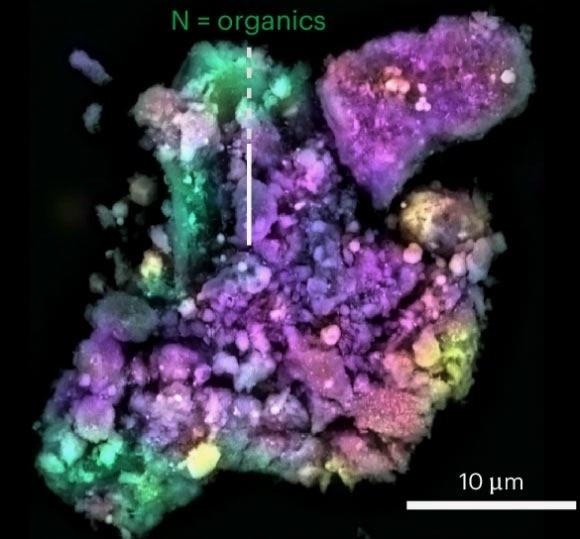
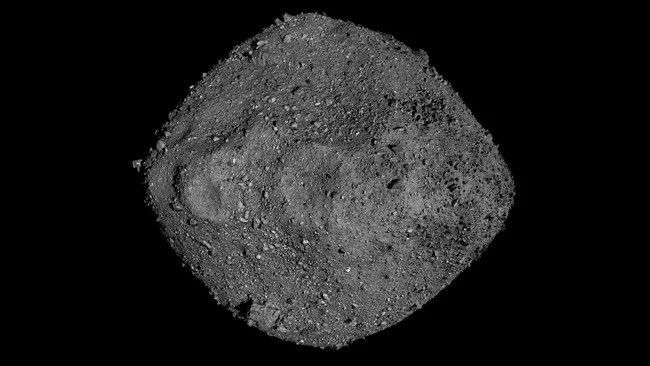
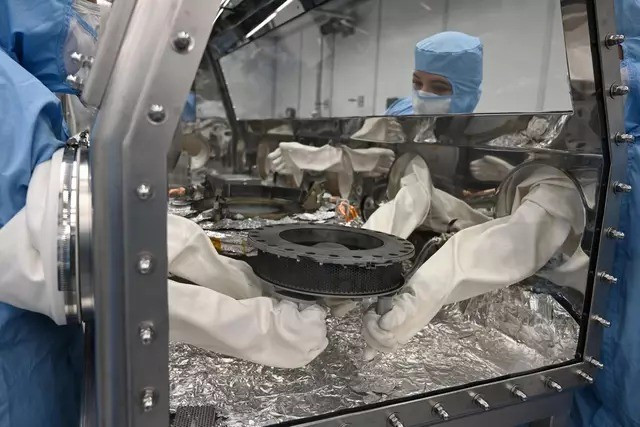
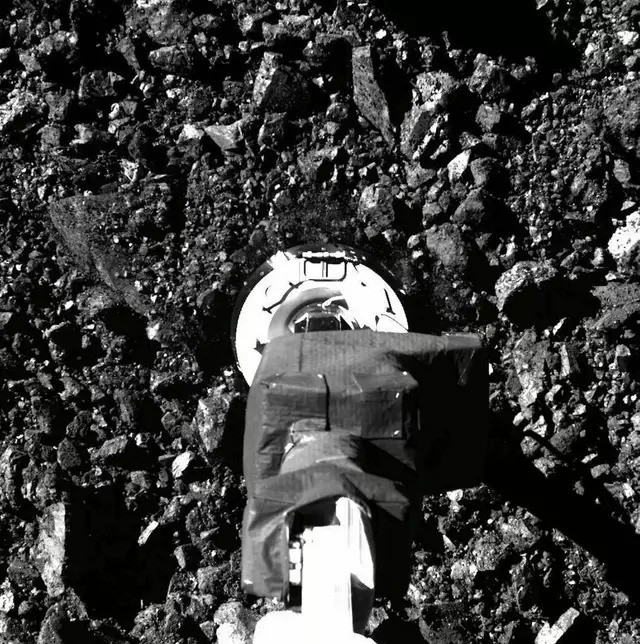
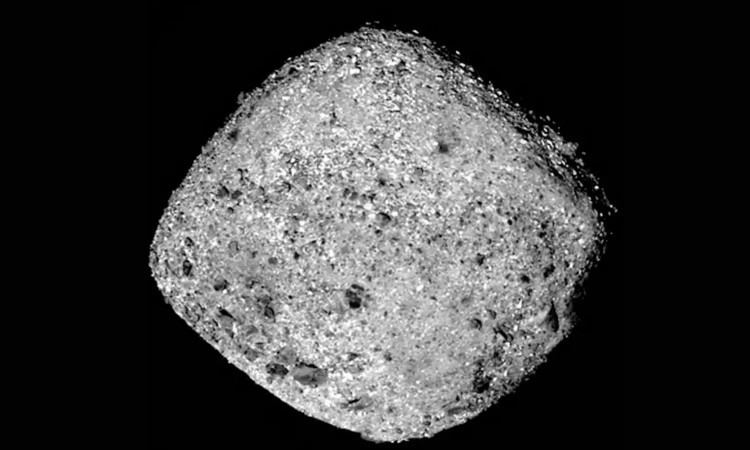
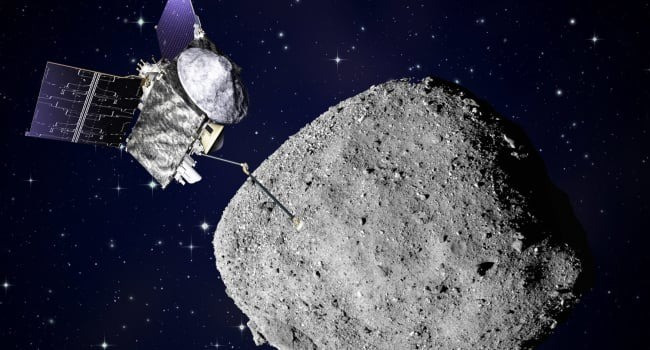
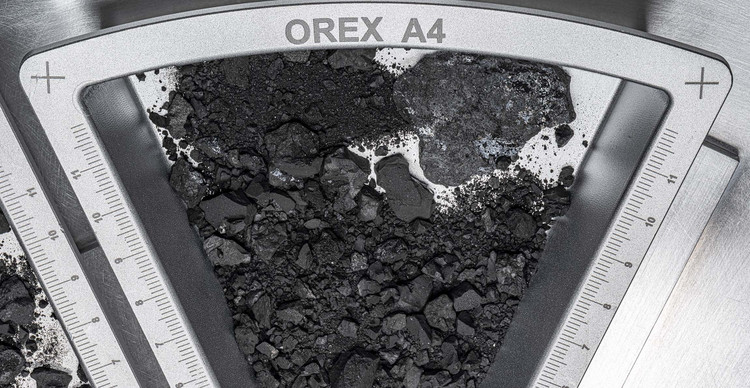
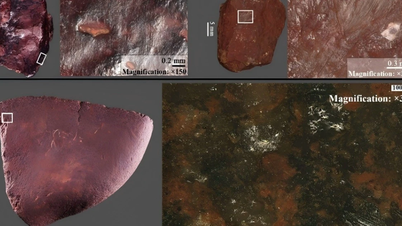
In a newly published study, experts analyzed samples collected from the asteroid Bennu, which NASA's OSIRIS-REx spacecraft dropped to Earth in 2023. Through this analysis, they discovered a gum-like material that may have been present in the Solar System as early as 4.6 billion years ago, during its formation. (Image: NASA/Goddard/University of Arizona) Researchers say the material was once soft and pliable, much like the chewing gum we eat today, but then hardened over billions of years. Image: Sandford et al., doi: 10.1038/s41550-025-02694-5.
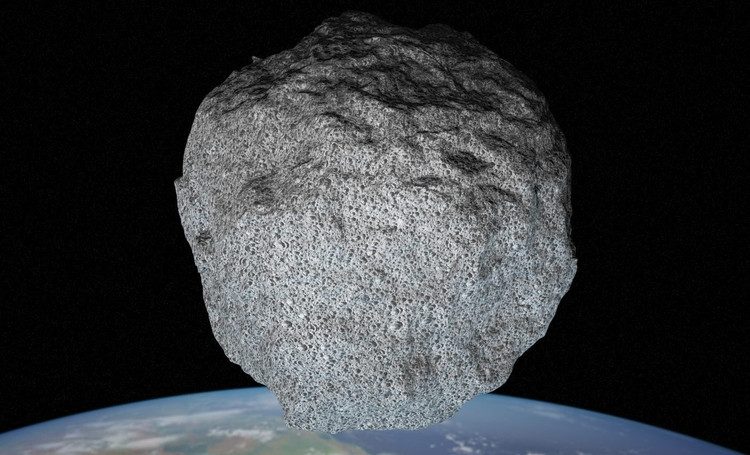
According to researchers, "space gum" is formed from polymer-like materials extremely rich in nitrogen and oxygen, a complex molecular structure that may have provided the chemical precursors that gave rise to life on Earth. Photo: NASA/Goddard/University of Arizona. Therefore, finding "space gum" in samples taken from the asteroid Bennu is crucial for studying how life formed on Earth, as well as deciphering similar mysteries on planets and moons in the Solar System. Photo: Droneandy/Shutterstock. In a newly published study, the research team says that "space gum" may have formed when Bennu's parent asteroid heated up. This asteroid, currently located in the Asteroid Belt between Mars and Jupiter, is believed to be part of a larger asteroid that broke apart. Photo: SWNS.
This progenitor asteroid was formed from materials in the solar nebula—the rotating cloud of gas and dust that makes up the Solar System—and contains a variety of minerals as well as ice particles. Photo: SWNS. As this parent asteroid began to heat up due to natural radiation, a compound called carbamate was formed through a process involving ammonia and carbon dioxide. Carbamate dissolves in water, but it persists long enough to react with other molecules to form larger, more complex, and waterproof chains. Image: deccanchronicle.com. Dr. Scott Sandford of NASA's Ames Research Center and a member of the research team said the evidence suggests this gum-like substance was deposited in layers on ice particles and minerals within the parent asteroid. Photo: earth.com.
This material is transparent and flexible, like chewed gum or a soft plastic. It's also malleable—a material that's easily bent, similar to used gum or even soft plastic—with a chemical composition similar to polyurethane, a versatile synthetic polymer used in many industries today. (Image: tech.news.am) However, "space gum" differs from polyurethane in that this ancient material has more random, heterogeneous bonds and varying elemental compositions between its particles. Image: NASA Images and Video Library.
Readers are invited to watch the video: A map of the universe with over 900,000 stars, galaxies, and black holes. Source: THĐT1.



 Báo Khoa học và Đời sống•16/12/2025









![[Photo] Prime Minister Pham Minh Chinh receives the Governor of Tochigi Province (Japan)](/_next/image?url=https%3A%2F%2Fvphoto.vietnam.vn%2Fthumb%2F1200x675%2Fvietnam%2Fresource%2FIMAGE%2F2025%2F12%2F16%2F1765892133176_dsc-8082-6425-jpg.webp&w=3840&q=75)
![[Live] 2025 Community Action Awards Gala](/_next/image?url=https%3A%2F%2Fvphoto.vietnam.vn%2Fthumb%2F1200x675%2Fvietnam%2Fresource%2FIMAGE%2F2025%2F12%2F16%2F1765899631650_ndo_tr_z7334013144784-9f9fe10a6d63584c85aff40f2957c250-jpg.webp&w=3840&q=75)

![[Image] Leaked images ahead of the 2025 Community Action Awards gala.](/_next/image?url=https%3A%2F%2Fvphoto.vietnam.vn%2Fthumb%2F1200x675%2Fvietnam%2Fresource%2FIMAGE%2F2025%2F12%2F16%2F1765882828720_ndo_br_thiet-ke-chua-co-ten-45-png.webp&w=3840&q=75)
![[Photo] Prime Minister Pham Minh Chinh receives Lao Minister of Education and Sports Thongsalith Mangnormek](/_next/image?url=https%3A%2F%2Fvphoto.vietnam.vn%2Fthumb%2F1200x675%2Fvietnam%2Fresource%2FIMAGE%2F2025%2F12%2F16%2F1765876834721_dsc-7519-jpg.webp&w=3840&q=75)
































































Comment (0)