


Filial piety and gratitude in the hearts of Vietnamese people.
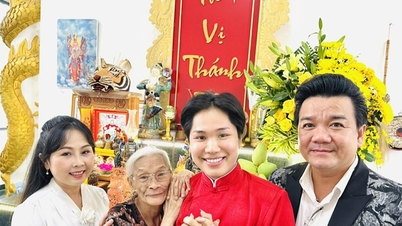
With the age-old tradition of the Vietnamese people, ancestor worship is a beautiful custom preserved and passed down from generation to generation. Ancestor commemoration ceremonies and Tet (Lunar New Year) are sacred times to remember and honor ancestors.
Venerable Thich Tri Chon, Deputy Head of the Central Culture Committee of the Vietnam Buddhist Association, shared that filial piety in Vietnamese culture coincides with the Buddha's teachings, therefore the Vu Lan season has become a festival of gratitude or a festival of love for Vietnamese people, not just for Buddhists or monks and nuns.
“Recognizing filial piety as a moral principle that must be practiced, the Buddha taught that filial piety is the Buddha's virtue, and a filial heart is the Buddha's heart. This means that the Buddha emphasized filial piety as the first, most important foundation, and the essential path for each person's spiritual practice,” said Venerable Thich Tue Nhat, Deputy Head of the Office of the Central Buddhist Guidance Committee of the Vietnam Buddhist Association.
"Understanding filial piety is a virtuous act and a noble deed, so when Buddhism was introduced to Vietnam, the people quickly embraced it."
"Today, Vietnamese people show filial piety to their ancestors not only by going to temples on Vu Lan Day, but also through many other actions, such as offering vegetarian meals at ancestral commemorations and performing charitable acts to dedicate the merit," Venerable Thich Tue Nhat shared.
Filial piety and showing gratitude to parents.
Gratitude towards parents, grandparents, and ancestors is not just a concept but is also expressed through words and practical actions. Vietnamese people believe that making parents happy is an act of filial piety, and caring for them materially and spiritually while they are still alive is a practical way to show filial devotion.
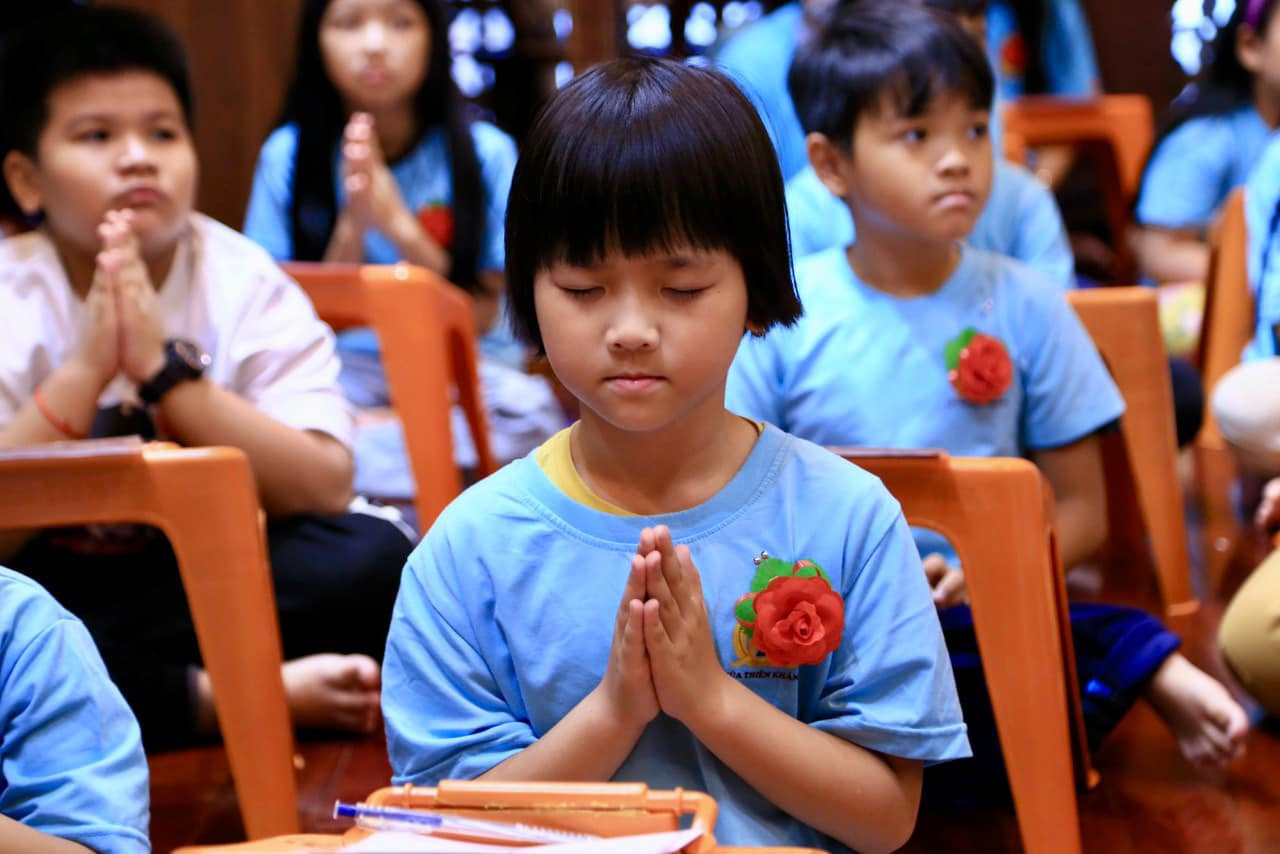
From a young age, children are taught that if they love their parents, they must study hard and live a good life. For parents, this is not about doing things for themselves, but about their children striving for their own benefit. Studying well is about developing abilities and skills; living well is about cultivating morality and a good lifestyle, so that they can become talented and virtuous individuals.
In the Vietnamese community, a person of talent and virtue brings great pride to their family and lineage. This valuable contribution is celebrated by the Vietnamese people more than anything else. Here, we can see the skillful way the Vietnamese people nurture their children and raise young minds, especially if we deeply understand the aspirations of parents.
“In Buddhist scriptures, the Buddha has repeatedly spoken on behalf of parents, recounting the gratitude owed for their upbringing. Especially in the Ullambana Sutra, the Buddha said, 'Even at a hundred years old, a mother still worries about her eighty-year-old child,'” said Venerable Thich Thien Thuan, a member of the Central Committee for Buddhist Propagation of the Vietnam Buddhist Sangha.
Many people, when visiting temples during the Vu Lan festival (the 15th day of the seventh lunar month), cry when they hear scriptures with such words or passages describing the pain and suffering parents endure in childbirth and raising children. The most touching moment in the Vu Lan ceremony is when the monks/nuns pin roses onto the robes and the presenter reads a tribute of gratitude to parents.
Since ancient times, the Vietnamese people have subtly conveyed the message: "While alive, they don't give them food; after death, they offer elaborate feasts and offerings to the flies." In reality, this is a fairly common mistake made by many children. While their parents are alive, they provide little care and attention, but after their death, they feel sorrow and regret.
Perhaps that's because most people think their parents will always be around, for a very long time; or they don't appreciate the precious things they have until they lose them.
Of course, without exception, there are unfilial children who live superficially, only concerned with pleasing the world and maintaining appearances, but in reality, they are not like that. In other words, they feign filial piety towards their parents with lavish feasts and offerings during ancestral worship ceremonies.
"In Buddhism, the Buddha taught in the Ullambana Sutra: 'The sin of filial impiety affects both men and women,' and the consequences of this evil deed are immeasurable. Specifically, according to Buddhist belief, an unfilial person commits a grave sin, is condemned to the worst evil paths, and the most painful is hell."
"In Vietnamese culture, an unfilial person will be ostracized by society, not tolerated by the law, and will not be employed anywhere. Because if one does not remember and repay the kindness of their parents, who gave birth to them, raised them, and provided them with education, they will easily betray them and live without morality...", Venerable Thich Tri Chon expressed.
Source: https://baoquangnam.vn/vu-lan-trong-tam-thuc-nguoi-viet-3139704.html













![[Photo] Prime Minister Pham Minh Chinh receives the Chinese Ambassador to Vietnam](https://vphoto.vietnam.vn/thumb/1200x675/vietnam/resource/IMAGE/2026/04/05/1775397481797_ndo_br_dsc-5512-jpg.webp)





























Comment (0)